- Home
- Attractions
- Dubai
- Dubai Textile Souk: Shopping and Culture
Dubai Textile Souk: Shopping and Culture
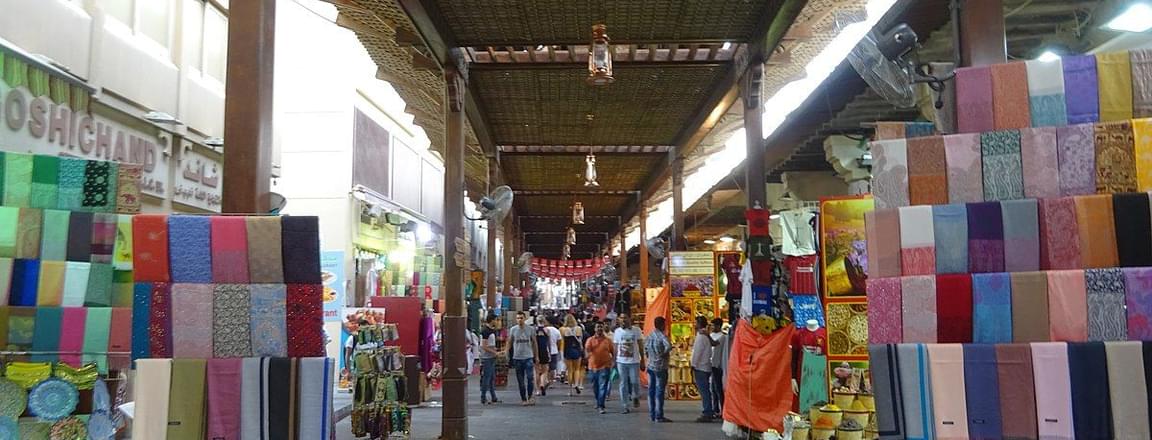
The Dubai Textile Souk in Bur Dubai is one of the city’s most vibrant cultural landmarks, where centuries-old trading traditions meet modern creativity. Located along the historic Dubai Creek, this bustling market is famous for its colorful lanes filled with silks, cottons, pashminas, embroidered fabrics, and expert tailoring shops. It’s a must-visit destination for shoppers, designers, and culture lovers who want to experience Dubai beyond its skyscrapers.
From raw fabrics to custom-stitched outfits, from souvenirs to handcrafted accessories, the souk offers an authentic blend of heritage and craftsmanship. Whether you’re planning a 2026 visit, searching for unique gifts, or scouting premium materials, this guide will help you navigate the souk, find the best bargains, and explore the rich cultural attractions surrounding it.
About the Dubai Textile Souk
The Dubai Textile Souk is among Dubai's oldest commercial centers, rooted in the early 1900s trading era along Dubai Creek. Merchants from India, Persia, Africa, and China arrived by dhows to trade fabrics and spices. Today, it's a lively market selling silk, cotton, cashmere, wool, lace, sequins, beads, and Arabian-style textiles, with heritage scents wafting through wooden arches, wind catchers, and colorful alleys.
The souk is known for its outstanding custom tailoring services. Visitors to the souk can select fabrics and get their garments sewn in as little as 24–48 hours. The selection of the market is vast, and prices are reasonable, whether you are after ethnic wear, abayas, kaftans, or just fabric souvenirs.
Fun Fact: Dubai Creek souks, including Textile, boomed on the dhow trade of fabrics and spices; many shops remain family-run from pre-oil generations (before the 1960s).
Dubai Textile Souk Highlights
- Variety of Fabrics: The souk will offer you the whole spectrum of fabrics: silk, chiffon, cashmere, brocade, sequins, and embroidery.
- Custom Tailoring: You can have your garments or curtains made to measure right away in many shops.
- Classic Souk Experience: The wooden arches, narrow streets, and perfumed material stalls create an environment that is truly Middle Eastern.
- Price Negotiation: Getting down to the price is part of the game; often, you can get the seller to lower the price.
- Cultural Immersion: You can go the distance in old Dubai, even use the local method of shopping, and discover traditional commerce at the same time.
Dubai Textile Souk Location & Nearby Attractions
- Location: Ali Bin Abi Talib Street, Bur Dubai, near the Creek and opposite the Abra station.
- Suggested Duration: 1–2 hours
Nearby Attractions & Day-Trip Ideas
- Abra Ride on Dubai Creek: Cross the creek in a traditional boat to visit the Gold and Spice Souks.
- Al Fahidi Historic District: Explore windtower architecture, heritage walls, and old Dubai charm.
- Bur Dubai Jumeirah Masjid: A short walk away, with stunning windtower architecture and guided tours for non-Muslims.
- Meena Bazaar: Nearby market for South Asian clothes, fabrics, and traditional embroidery.
Tip: Combine a Textile Souk visit with a walking tour of Old Dubai; the proximity to the Creek and historical district makes this a seamless cultural trip.
Top Things to Do at Dubai Textile Souk
1. Browse Fabric Shops
The first and foremost thing is to visit fabric shops, such as silk, cotton, velvet, and embroidered fabrics, which are arranged in the stalls of the market and shops. The visual experience is nothing but rich and diverse.
2. Negotiate & Haggle
It’s time to show your bargaining skills, for bargaining is the very thing that every seller is expecting. It’s part of the market experience, and sometimes, being polite but firm can get you even better deals.
3. Get Custom Clothes Made
Pick up the fabric of your choice and spot a tailor right away. The majority of the shopkeepers will assist you in getting connected to a tailor who can sew clothes, abayas, or dresses.
4. Shop for Accessories
Apart from the fabric, you can also find sequins, buttons, laces, shawls, and other craft supplies. These are perfect for made-to-measure outfits or DIY fashion.
5. Experience an Abra Ride
After shopping, taking an abra (traditional water taxi) ride across the Creek to the nearby Spice Souk or Gold Souk is not only a lovely way to feel the old-world trade vibe but also a good way to get rid of the shopping fatigue.
6. Photograph the Marketplace
The alleys, wooden roof arches, and bright fabric displays not only create but also attract photo lovers to the area, especially during the evening when the lights start to glow.
Dubai Textile Souk Timings & Best Time to Visit the Textile Souk
- Typical Hours: ~10:00 AM–10:00 PM daily (shops vary; Fridays often start ~9:00 AM post-prayers).
- Best Visiting Time: Evenings for cooler temperatures and better lighting for photography.
- Quiet Hours: Mid-afternoon can be less crowded when some vendors take breaks.
Pro Tip: Visit either early morning or after 6 PM to enjoy a more relaxed atmosphere and more flexible bargaining.
How to Reach Dubai Textile Souk
- By Abra: Take a traditional boat across Dubai Creek to reach the souk, a scenic and authentic arrival.
- By Metro: Use the Green Line and alight at Al Fahidi or Al Ghubaiba station.
- By Taxi/Car: Easily accessible via Bur Dubai streets; there are parking spots nearby, though traffic can be busy in peak hours.
Dubai Textile Souk Insider Shopping Tips
- Initially, scout prices (e.g., silk: AED 50–200/meter or INR 1,150–4,600), then negotiate—merchants expect 20–40% off and are ready to haggle.
- Request the material sample before placing a large order.
- Get a small tote bag; fabric weighs little but takes up a lot of space.
- Use a translator or pictures for communication of custom orders with tailors.
- Whenever you can, use cash, as some traders might give better price deals for cash.
- Take your fabric to an on-site designer for custom outfits.
Dubai Textile Souk Dining & Nearby Shopping
- After fabric shopping, drop into nearby creekside cafés for a relaxing break.
- Explore adjacent markets like the Spice Souk and Gold Souk, perfect for a combo market tour.
- Try local snacks or light bites in Bur Dubai’s historic area to complete the traditional experience.
Suggested Itinerary Including Textile Souk Dubai
Morning:
- Arrive in Bur Dubai
- Take a short walk through the Textile Souk, exploring fabric rolls and stalls
Midday:
- Negotiate with fabric sellers and choose materials
- Visit a tailor to discuss custom garment options
Afternoon:
- Ride an abra across Dubai Creek
- Explore the Spice Souk or Gold Souk on the Deira side
Evening:
- Return to Bur Dubai for dinner at a traditional café
- Reflect on your textile finds with a promenade walk near the creek.
Why Visit Dubai Textile Souk?
- It is a historic fabric and textile marketplace that intimately connects with the trading history of Dubai.
- The market has a variety of fabrics, high-end ones, for all, but mainly for fashion designers, DIYers, and tourists who want to take home some fabric.
- The tailoring services facilitate turning your purchase into a personalized garment.
- The market gives an authentic souk experience, far from the overwhelming malls, in the core of the old town of Dubai.
- It is a perfect place for taking pictures, for being deep into the culture, and for learning about the old-fashioned business.
Conclusion-
The Dubai Textile Souk is more than just a shopping stop; it’s a vibrant window into the city’s rich trading past. With its colourful fabric stalls, skilled tailors, and authentic old-Dubai charm, the souk delivers an experience that blends culture, creativity, and tradition. Whether you’re browsing for premium textiles, getting custom outfits stitched, or simply soaking in the heritage-filled lanes, this is a destination that deserves a place on every traveller’s list. If you’re planning your next trip or booking a Dubai tour package, make sure the Textile Souk is included in your itinerary. It’s one of the few places where Dubai’s history and craftsmanship truly come alive.
FAQs: Dubai Textile Souk 2026
Q1: What fabrics are available at the Textile Souk?
Silk, chiffon, cotton, brocade, velvet, sequins, lace, and embroidered textiles are commonly found.
Q2: Can clothes be tailored at the Textile Souk Dubai?
Yes, many fabric vendors work with tailors who will stitch outfits using the fabrics you choose.
Q3: What are the opening hours of Textile Souk Dubai?
Typically 10:00 AM–11:00 PM daily (shops vary; Fridays ~9:00 AM start).
Q4: How to reach the Dubai Textile Souk?
By abra across Dubai Creek, or via metro (Green Line, Al Fahidi or Al Ghubaiba).
Q5: Is bargaining required at the Dubai Textile Souk?
Bargaining is part of the souk experience. Start lower and negotiate respectfully.
Q6: Is the Textile Souk tourist-friendly?
Yes, vendors welcome tourists with fabric samples and tailoring services.