
- Home
- Attractions
- Japan
- Senso-ji Temple Tokyo – History, Tickets, Timings & Complete Visitor Guide
Senso-ji Temple Tokyo – History, Tickets, Timings & Complete Visitor Guide
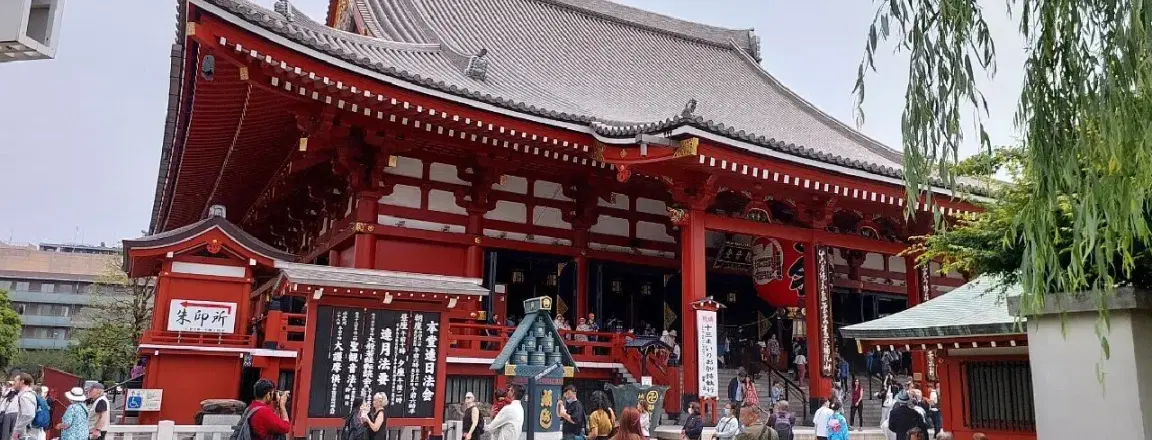
Before Tokyo became a skyline of glass towers and bullet trains, it was a riverside settlement built on faith and folklore. At the centre of that story stands Senso-ji Temple Tokyo, a place where incense smoke curls into the air, wooden prayer plaques carry whispered wishes, and centuries-old rituals continue in the middle of a fast-moving metropolis.
Senso-ji Temple, Tokyo's oldest Buddhist temple and one of the most popular spiritual destinations in Japan, was established in 645 AD. Affiliated with Tendai Buddhism, the temple represents continuity. Tokyo has been shaped by wars, earthquakes, and time itself, but Senso-ji continues to serve as its spiritual fulcrum. Senso-ji Temple provides a powerful introduction to Tokyo's soul if you're looking for a glimpse of the city that goes beyond neon lights and shopping areas.
Read more: Tokyo travel guide.
Why Senso-ji Temple Was Built: History, Meaning & Symbolism
The origins of Senso-ji Temple date back to 628 AD, when two fishermen discovered a golden statue of Kannon in the Sumida River. The statue kept coming back even after it was put back into the river. The head of the local village recognised the statue as a sacred symbol and placed it in his house, which subsequently became Senso-ji Temple.
During the Edo period, the temple flourished under patronage from Tokugawa Ieyasu, becoming the spiritual centre of old Tokyo (Edo). The temple was rebuilt as a representation of peace and rebirth despite suffering significant damage from World War II air raids. Today, the reconstructed buildings represent Japan’s cultural continuity and strength.
The temple complex reflects classic Buddhist architectural principles:
- Kaminarimon (Thunder Gate) symbolises protection from evil.
- The Nakamise-dori Street represents the blending of spirituality and community commerce.
- The Main Hall (Hondo) is where prayers are offered to Kannon.
- The Five-Storey Pagoda reflects Buddhist cosmology, representing earth, water, fire, wind, and sky.
From the pagoda grounds, you can even see Tokyo Skytree rising in the distance, a powerful contrast between old and new Tokyo.
Did you know? Temples and Shrines are different in Japan: Shrines vs Temples in Japan.
Senso-ji Temple Location
- Address: 2-3-1 Asakusa, Taito City, Tokyo 111-0032, Japan
Located in Asakusa, one of Tokyo’s most traditional neighbourhoods, the temple is a short walk from Asakusa Station and near the Sumida River.
It pairs perfectly with:
- Tokyo Skytree
- Sumida River cruise
- Ueno Park
- Asakusa Shrine
Its central location makes it easy to combine with other Tokyo attractions in a half-day exploration.
What to See Inside Senso-ji Temple
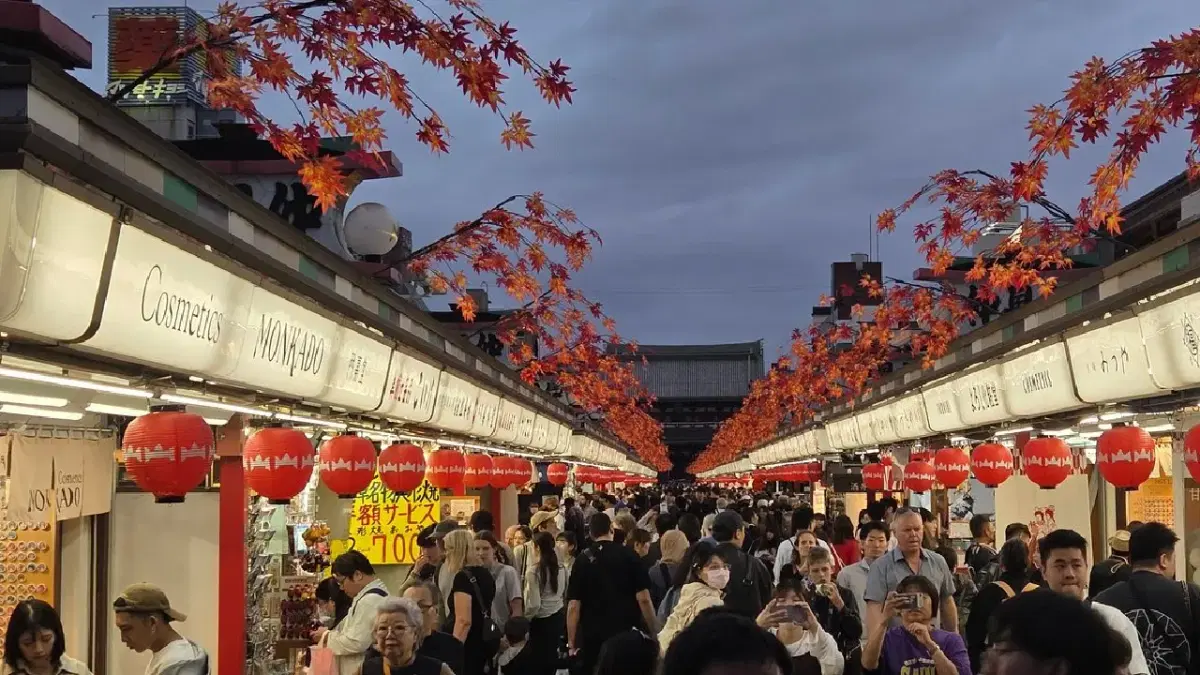
1. Kaminarimon Gate (Thunder Gate)
The outer entrance to Senso-ji Temple, Kaminarimon, features a massive red lantern weighing nearly 700 kg. It is one of the most photographed landmarks in Tokyo. The statues of Fujin (Wind God) and Raijin (Thunder God) guard the gate, symbolising protection.
2. Nakamise Street
Stretching approximately 250 metres from Kaminarimon to the main hall, Nakamise-dori is one of Japan’s oldest shopping streets. Here, you can find:
- Traditional Japanese snacks like ningyo-yaki (sweet cakes)
- Souvenirs
- Handcrafted fans and yukatas
It adds vibrancy and cultural immersion before entering the sacred grounds.
3. Main Hall (Hondo)
This is the spiritual core of Senso-ji Temple. Visitors offer prayers, light incense, and draw omikuji (fortune slips). The smoke from the incense burner is believed to bring healing and good fortune.
Tip: Waft the incense smoke toward yourself respectfully; it’s considered spiritually purifying.
4. Five-Storey Pagoda
Standing tall beside the main hall, the pagoda is one of the tallest in Japan. Though visitors cannot enter, it is visually stunning and significant in Buddhist symbolism.
Senso-ji Temple Entrance Fee & Opening Hours
Entry Fee
- Temple grounds: Free
- Main Hall: Free
- Museum areas (if open): A small fee may apply
Opening Hours
- Main Hall: 6:00 AM – 5:00 PM (October–March: 6:30 AM opening)
- Temple grounds: Open 24 hours
There is no ticket required to explore the complex. During Hatsumode (Jan 1–3), over 2–3 million visitors arrive. It is extremely crowded during that time.
Read more: Things to do in Tokyo
Best Time to Visit Senso-ji Temple for Fewer Crowds
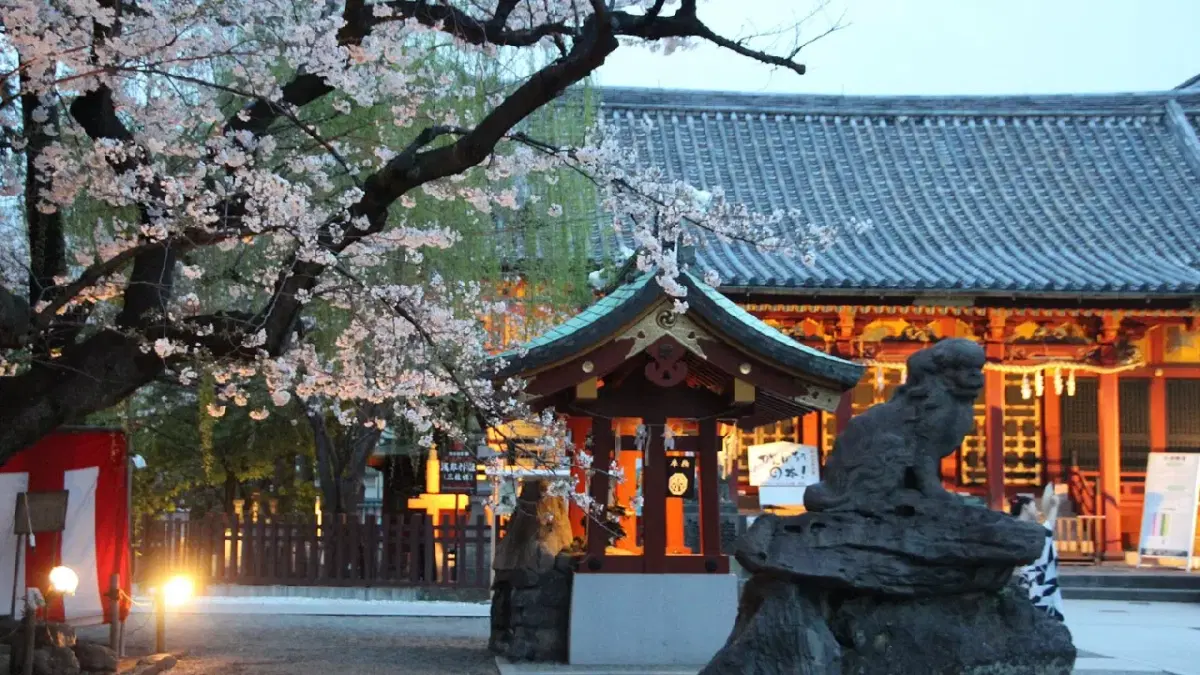
Senso-ji Temple can be visited year-round. However, crowd levels vary significantly.
Best Day of the Week
Weekdays are generally less crowded. Weekends and public holidays attract both tourists and local worshippers.
Best Time of the Day
- Early morning (6:00–8:30 AM): Peaceful atmosphere, soft light for photography.
- Late evening (after 7:00 PM): The temple is beautifully illuminated and far less crowded.
Expect peak crowds between 10:30 AM and 3:00 PM, especially near Kaminarimon and Nakamise Street.
If you’re visiting during cherry blossom season or New Year (Hatsumode), anticipate extremely large crowds.
Read: Best time to visit Tokyo
Upcoming Special Events of 2026
- Setsubun (Feb 3, 2026): Famous bean-throwing ceremony to drive away evil spirits.
- Sanja Matsuri (May 15–17, 2026): One of Tokyo’s big three festivals. The area will be packed but incredibly vibrant with portable shrines (mikoshi).
- Hagoita-Ichi Fair (Dec 17–19, 2026): A traditional year-end market selling ornamental paddles.
How to Reach Senso-ji Temple from Tokyo City Centre
Japan’s local transportation is highly efficient, punctual, and well-integrated.. Check out the internal transportation in Tokyo:
By Train (Recommended)
- Ginza Line to Asakusa Station
- Toei Asakusa Line
- Tobu Skytree Line
From Asakusa Station, it is a 5-minute walk to Kaminarimon Gate.
Also read: Japan Shinkansen travel
By Taxi
A taxi from central Tokyo districts like Shinjuku or Shibuya takes 25–40 minutes, depending on traffic.
By River Cruise
You can also take a Sumida River cruise from Odaiba or Hamarikyu Gardens for a scenic approach.
Public transport is efficient, punctual, and the easiest way to reach Senso-ji Temple.
Where to Eat Near Senso-ji Temple
Asakusa is known for traditional Edo-style cuisine. Some recommended options to eat Japanese street food include:
- Tempura speciality restaurants around Asakusa
- Local ramen shops
- Street food stalls along Nakamise
- Traditional matcha dessert cafés
Vegetarian options are limited but available in select cafés.
5. Asakusa Shrine
Located adjacent to Senso-ji Temple, Asakusa Shrine honours the three men who founded the temple. If you visit in May, you may witness preparations for the famous Sanja Matsuri festival.
Fact: Senso-ji Temple attracts over 30 million visitors annually, making it one of the most visited spiritual sites in Japan.
Things to Know Before Visiting Senso-ji Temple
- Dress modestly as it is an active place of worship.
- While photography is great outdoors, it is strictly forbidden inside the Main Hall (Hondo). Look for the "No Photo" signs once you step onto the tatami or near the altar.
- For the best aerial photo of Senso-ji (without paying for a drone or helicopter), go to the 8th floor of the Asakusa Culture Tourist Information Center right across from Kaminarimon Gate. It’s free and offers a stunning view of the temple layout and the Tokyo Skytree.
- Be respectful during prayer rituals.
- Avoid blocking pathways for worshippers.
- Carry cash for small purchases at Nakamise Street.
- During summer, stay hydrated as Tokyo can get humid.
Why Senso-ji Temple Is Worth Adding to Your Tokyo Itinerary
Senso-ji Temple in Tokyo offers a powerful contrast to the city’s futuristic skyline, revealing the spiritual roots beneath modern Tokyo. From the iconic Kaminarimon Gate to the incense-filled Main Hall, every corner reflects centuries of faith, architecture, and living tradition. The temple seamlessly blends history, faith, craftsmanship, and community, making it far more than just a sightseeing landmark. It is equally rewarding for first-time Tokyo visitors seeking cultural depth, history enthusiasts exploring Edo-era heritage, photographers capturing timeless imagery, and families wanting an enriching yet accessible experience.
More than just Tokyo’s oldest temple, Senso-ji is a symbol of resilience and continuity, a place where history, culture, and daily life come together, proving that even in a fast-moving metropolis, tradition continues to thrive, making it a meaningful addition to your Japan tour package!
FAQs
1. Where is Senso-ji Temple located?
It is located in Asakusa, Tokyo, Japan.
2. How much time does it take to explore Senso-ji Temple?
1.5 to 2 hours is ideal for exploring Senso-ji Temple comfortably.
3. Is Senso-ji Temple free to enter?
Yes, entry to the temple grounds and main hall is free.
4. Can I visit Senso-ji Temple at night?
Yes, the temple grounds are open 24 hours and beautifully illuminated after sunset.
5. Is Senso-ji Temple family-friendly?
Yes, it is educational, culturally enriching, and suitable for visitors of all ages.
6. Why is Senso-ji Temple famous?
Senso-ji Temple is famous for being Tokyo’s oldest Buddhist temple, founded in 645 AD. It is known for the iconic Kaminarimon Gate, the giant red lantern, Nakamise Street, and its dedication to Kannon, the Goddess of Mercy.
7. What should I not miss at Senso-ji Temple?
You should not miss walking through Kaminarimon Gate, exploring Nakamise Street, offering prayers at the Main Hall, drawing an omikuji (fortune slip), and seeing the Five-Storey Pagoda.
8. Is Senso-ji Temple worth visiting for first-time travellers to Tokyo?
Yes, Senso-ji Temple is absolutely worth visiting, especially for first-time travellers. It offers a deep cultural introduction to Tokyo’s history, architecture, and spiritual traditions in one accessible location.
9. How do you properly pray at Senso-ji Temple?
First, cleanse your hands at the purification fountain. At the Main Hall, gently toss a coin into the offering box, bow slightly, and press your hands together in a silent prayer (do not clap). Finish with a final respectful bow.