
- Home
- Attractions
- Thailand
- Koh Samui
- Wat Khunaram Koh Samui Guide: Culture, Highlights & Visiting Tips
Wat Khunaram Koh Samui Guide: Culture, Highlights & Visiting Tips
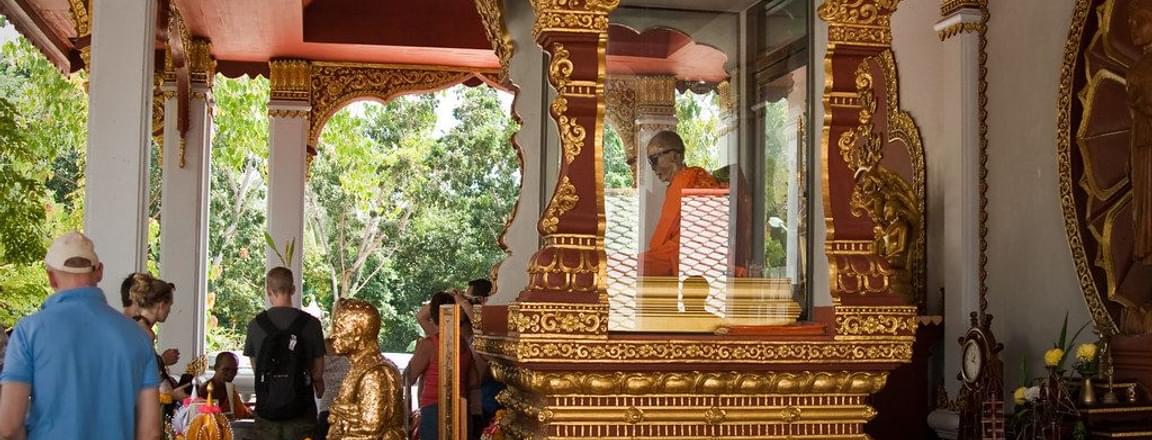
Wat Khunaram is definitely one of the most fascinating spiritual spots on the island of Koh Samui, mainly because of its rare and very special mummified monk display, along with its quiet but strong shout-out of the Buddhist teachings. Located inland between Lamai and the less frequented Hua Thanon village, this temple offers a different aspect of religious beliefs, alongside the cultural impacts and stunning visuals that many travellers describe as moving, thought-provoking, and unique on the island, among others.
If you are a person who likes Buddhist practices or Thai culture or just wants to have a stopover that is spiritual and educational while on Koh Samui, then you should definitely look at this all-in-one guide for 2026, which includes everything you need — from the things that make Wat Khunaram exceptional to visiting tips, nearby attractions, transport advice, and so on.
About Wat Khunaram, Koh Samui
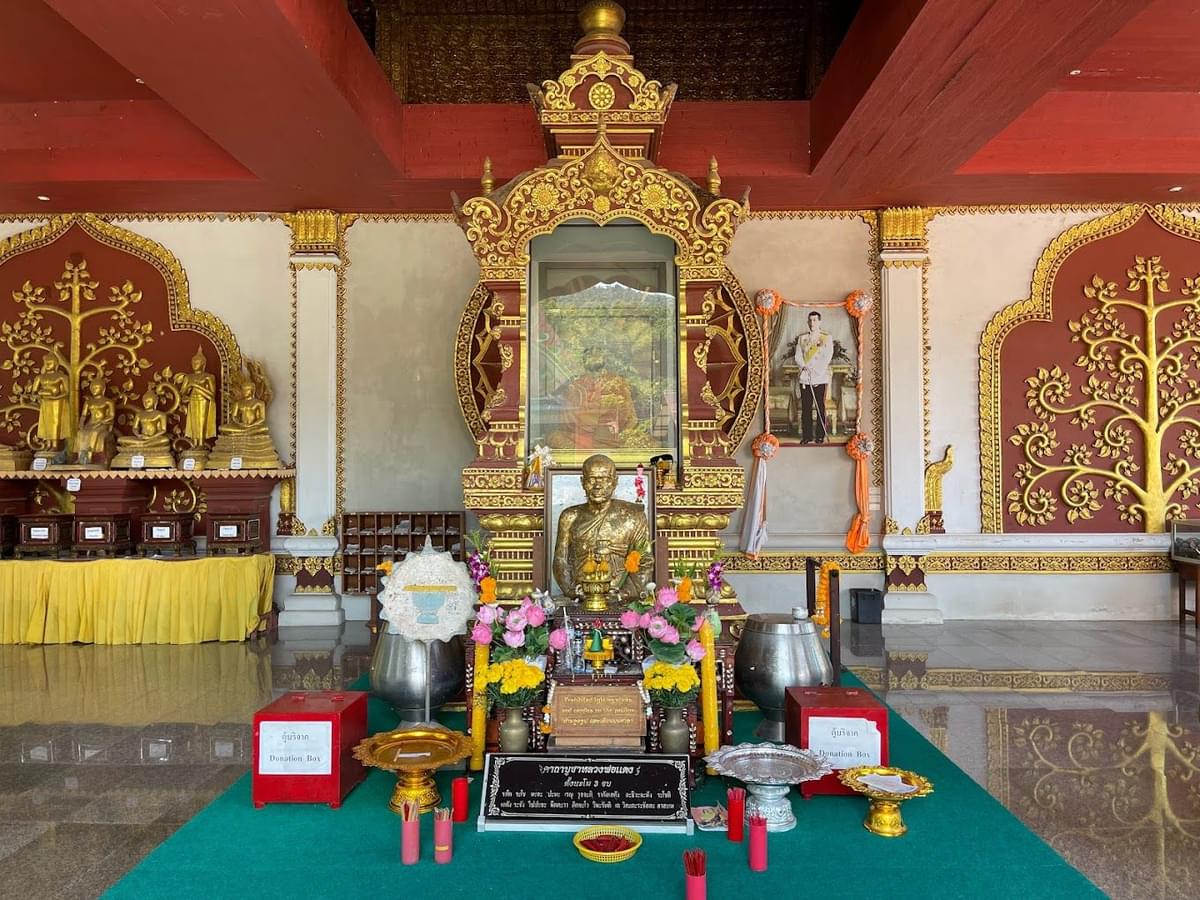
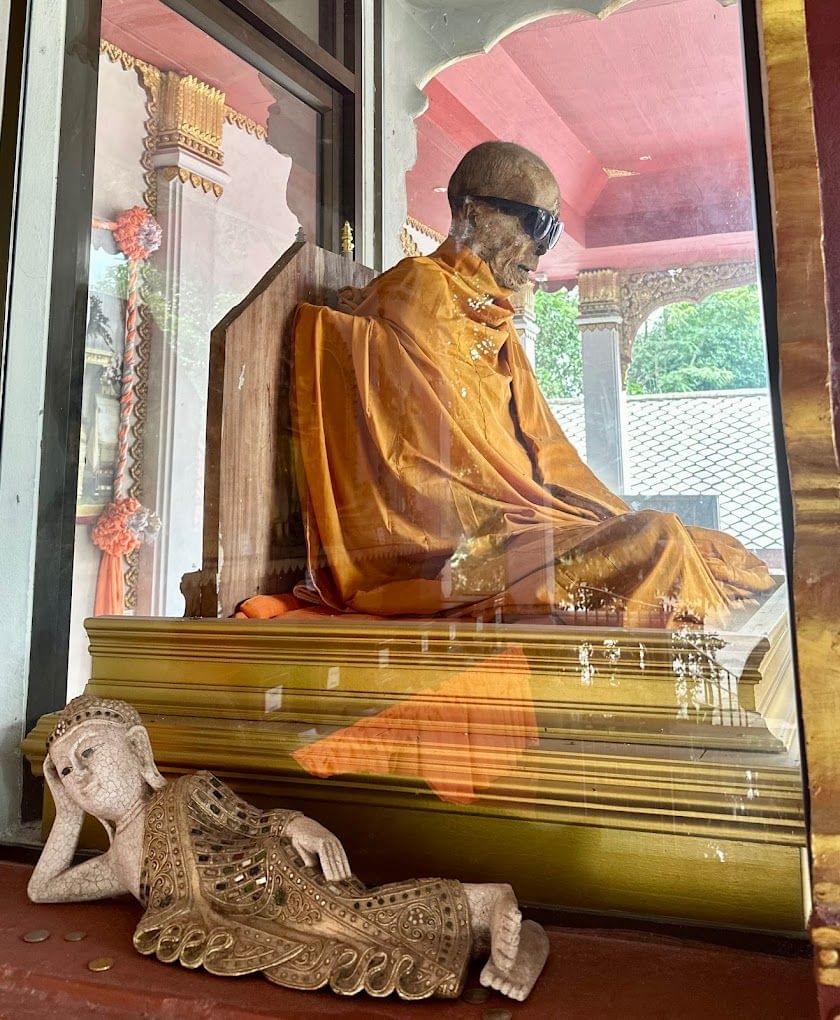
Wat Khunaram, a Buddhist temple, is found on Route 4169 in the Na Muang district of Koh Samui. It is one of the most beautiful temples in Thailand, and the whole architecture and layout of the temple resemble those of many traditional Thai temples. Wat Khunaram on Route 4169 houses the mummified remains of Luang Pho Daeng (Phra Khru Samathakittikhun), a revered monk who died in 1973 at age 79. Seated in full meditation, wearing sunglasses and saffron robes, his naturally preserved body remains on display in a glass case, as he instructed: 'Cremate if it decays; preserve to inspire if it doesn't.' This is one of the factors that attracts tourists from diverse places in the world to the temple.
Luang Pho Daeng's choice of preservation for his corpse was based on the Buddhist principles of impermanence, detachment, and mindfulness. Nowadays, people who live in the area often visit the mummified monk alongside the travelling tourists, and they all regard him as a source of inspiration and contemplation, being a strong reminder of the impermanence of life and, at the same time, a reminder of the importance of spiritual focus. The temple area, which surrounds the main shrine, also has some traditional Buddha statues, spired stupas, prayer halls, and smaller shrines as its inhabitants, reflecting the aesthetics and reverence of Thai Buddhists.
Fun Fact: In some Buddhist practices, monks who are deeply immersed in meditative techniques and lead very strict spiritual lives may be regarded as having entered stages where physical body decay is no longer applicable.
Seasonal Tip: Wat Khunaram is best visited in cool months (November–February), during which the temperature is relatively lower, the humidity is also lower, and temple exploration is thus more comfortable.
Highlights of Wat Khunaram
- Mummified Monk Shrine: Luang Pho Daeng's preserved body in sunglasses and robes – profoundly serene yet striking
- Spiritual Atmosphere: the Buddhist temple is still functioning with its areas for prayer, offering of devotion, and places for quiet reflection.
- Cultural Insight: Buddhist teachings on impermanence made visually powerful
- Temple Architecture: the splendid traditional Thai temple characteristics, with the dazzling rooflines and the finely carved woodwork, form a lovely background.
- Local Worship Practices: the act of watching the faithful bring incense, flowers, and prayers not only enhances but also deepens the understanding of the daily spirituality in Thailand.
Wat Khunaram is not merely a place to see, but it is a spiritual experience that promotes the trio of contemplation, respect, and cultural learning.
Wat Khunaram Details & Nearby Attractions
Location: Na Muang District, Koh Samui, Surat Thani Province, Thailand
Suggested Duration: 1–2 hours
Nearby Attractions & Day Trips
- Hin Ta & Hin Yai Rocks: Famous natural rock formations that bring folklore and unique views
- Na Muang Waterfalls: Two beautiful waterfalls with natural pools ideal for cooling off.
- Secret Buddha Garden: Hidden hillside garden with stone sculptures and tranquil forest scenery.
- Samui Elephant Sanctuary: Ethical elephant experiences not far from the temple area.
- Wat Plai Laem: Another significant temple featuring a large Guanyin statue and serene lake views is Wat Plai Laem.
Day-Trip Tip: Visit Wat Khunaram in the morning, then head to nearby Na Muang Waterfalls for nature time, followed by a quieter cultural experience at Secret Buddha Garden to balance spirituality, nature, and artistic exploration in one fulfilling day.
Top Attractions & Features at Wat Khunaram
1. Mummified Monk Display
The most striking and talked-about feature of Wat Khunaram is the seated mummified monk, Luang Pho Daeng, preserved in a glass case in the temple’s main sanctuary. The body—clothed in saffron robes—is maintained in a meditative posture and serves as a profound visual reminder of Buddhist teachings on life and impermanence.
- Feature: Seated preserved monk
- Experience: Quiet contemplation and spiritual reflection
- Best For: Cultural travellers and spiritually curious visitors
2. Temple Grounds & Architecture
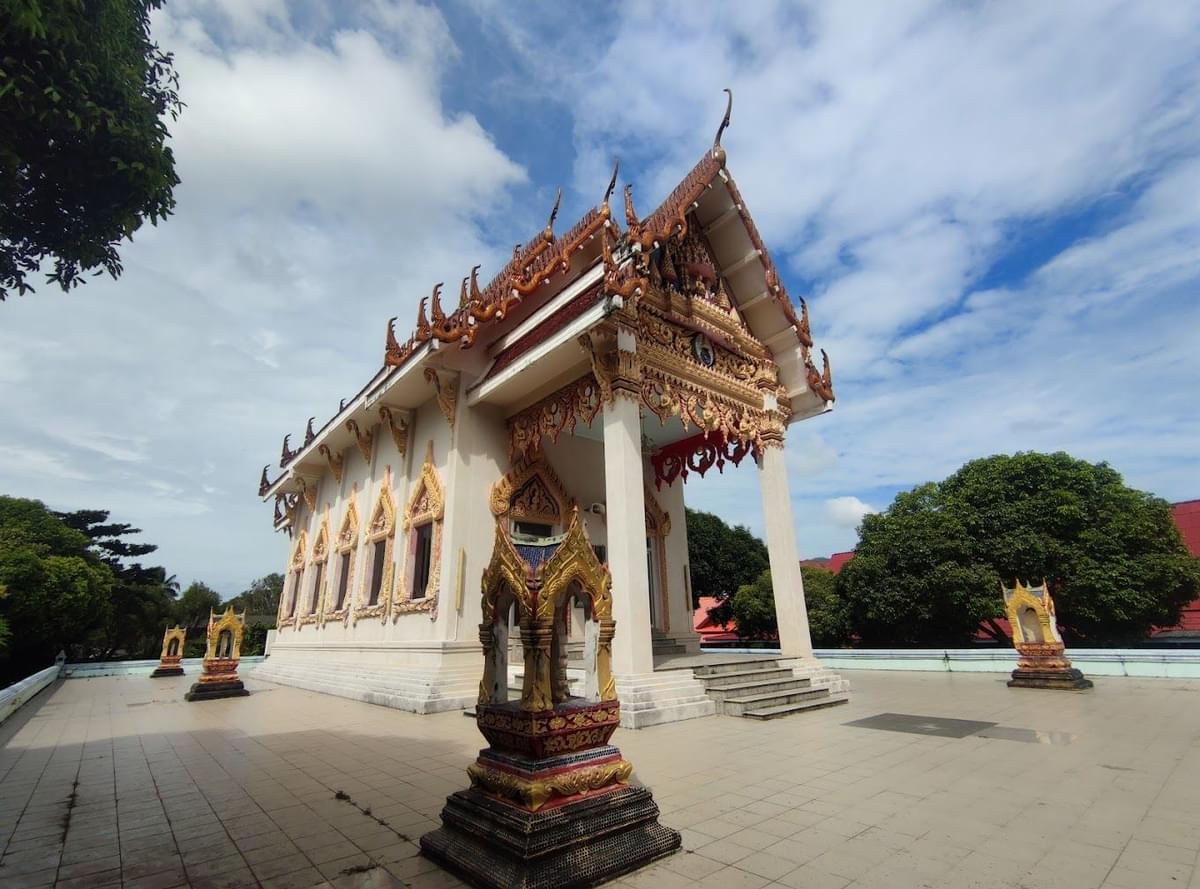
While the mummified monk attracts visitors, the rest of the temple complex also reflects traditional Thai Buddhist design. Ornate roofs, intricate wood carvings, vibrant colour schemes, and symbolic sculptures surround the courtyard, creating an inviting environment for exploration and reverence.
- Feature: Classic temple design
- Experience: Visual appreciation and cultural photography
3. Devotional Practices & Local Rituals
Visitors often encounter locals performing devotional practices — placing incense, offering flowers, or participating in prayer sequences. These rituals provide insight into how Buddhist teachings and traditions are lived daily in Thailand. Experiencing devotional practices and local rituals is one of the best things to do in Koh Samui.
- Feature: Real spiritual activity
- Experience: Observe or respectfully participate
4. Meditation & Quiet Reflection Spaces
The temple grounds include areas where visitors can sit quietly, reflect, or engage in meditation. The calm environment, punctuated by birdsong and the scent of incense, makes it a perfect place to slow down.
- Feature: Peaceful meditation zones
- Experience: Mindful pause and inner calm
5. Cultural Photography Opportunities
From the preserved monk’s serene expression to the temple’s ornate structures and vibrant grounds, there are many photo-worthy moments. Always remember to be respectful when photographing worshippers or sacred elements.
- Feature: Diverse visual subjects
- Experience: Meaningful photography
Wat Khunaram Ticket & Entry Information 2026
Visit Type | Price | Notes |
| Temple Entry | Free | No formal admission fee |
| Donations | Optional | Supports temple upkeep |
| Photography | Free | Respectful photography only |
| Offerings | Varies | Incense and flowers may be purchased on site. |
Pro Tip: The entrance is typically free, but making a donation or bringing offerings like flowers or incense is welcome and customary.
Timings & Best Time to Visit Wat Khunaram
Day | Opening Hours |
| Daily | 8:00 AM – 5:00 PM (approx.) |
Best Visiting Tips
- Morning: Best for a quieter experience and observing morning rituals.
- Cool Season: (Nov–Feb) ideal for comfortable temple exploration.
Respectful Timing: Avoid loud conversations and plan visits around prayer sessions.
How to Reach Wat Khunaram
From Chaweng Beach:
- About 15–20 minutes by taxi or scooter heading south on Route 4169.
From Lamai Beach:
- Around 10–15 minutes by road, making it an easy addition to beach days.
Transport Options
- Taxi / Ride-Hailing: Comfortable and direct.
- Scooter Rental: Good flexibility (ride safely).
- Tour Shuttle: Often included in temple or island tours.
Wat Khunaram Insider Tips
- Dress Modestly: Cover shoulders and knees as a sign of respect.
- Silent Respect: Keep noise low, especially near the monk’s shrine.
- Photography Etiquette: Avoid flash photography near sacred elements.
- Morning Visits: Best for peace and capturing meaningful moments.
- Footwear: Remove shoes when entering the main temple buildings.
Dining & Shopping Near Wat Khunaram
- Local Cafés: Simple Thai food and beverages near Na Muang and Hua Thanon.
- Temple Stalls: Small shops often sell incense sticks, flowers, and amulets.
- Nearby Villages: Traditional markets with local snacks.
Why Visit Wat Khunaram?
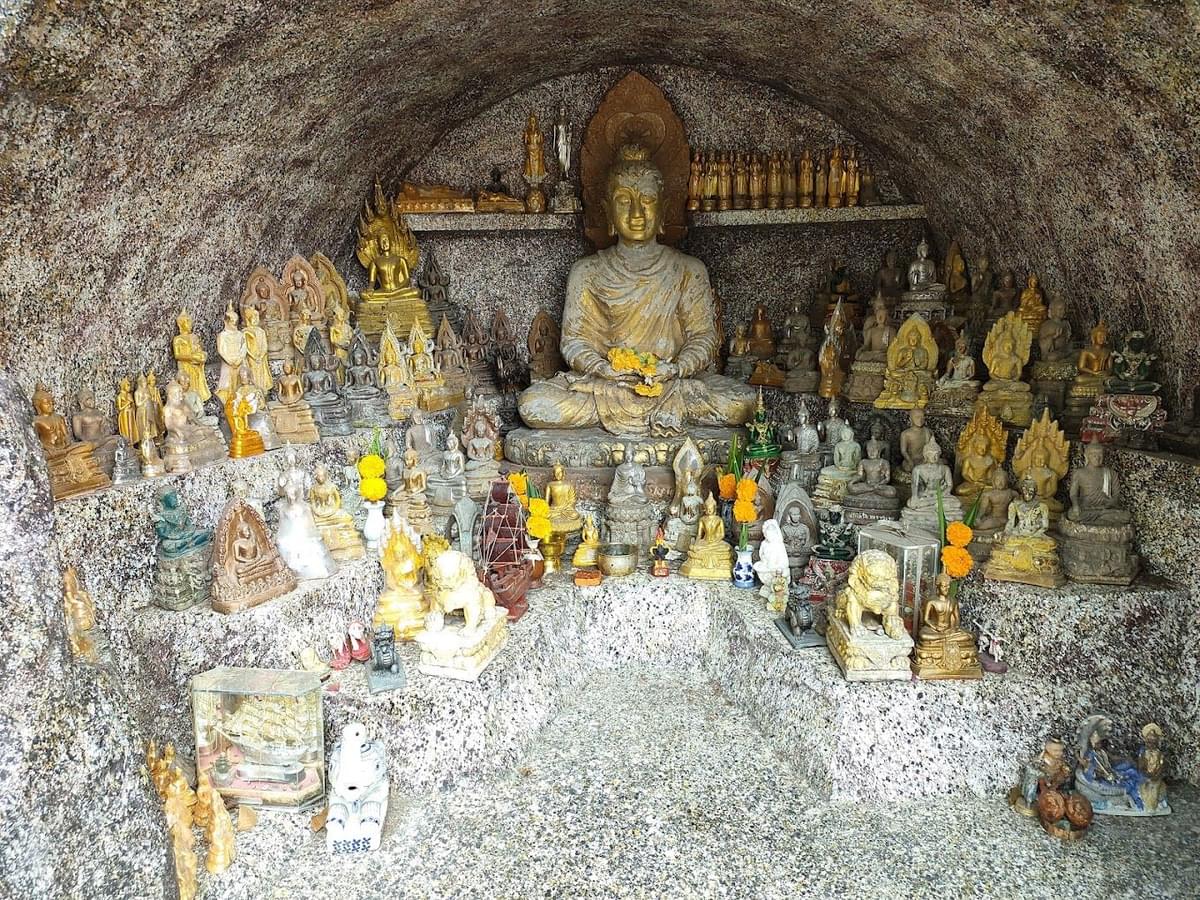
Wat Khunaram is a temple of Koh Samui in the island's history, which is not only a great architectural site but also a strong spiritual centre in the Buddhist ways of life, death, and mindfulness. The body of the monk Luang Pho Daeng, who is seen sitting in meditation for many years, is a rare and humbling experience that makes the visitors think about the impermanence and the spirituality of devotion. This, along with the peacefulness of the temple grounds, regular worship, and a quiet atmosphere, makes this place indispensable for the understanding of Thai culture and spirituality. If you are very much interested in Buddhism or just want to know more about the oddest customs of Thailand, then this place is a worthwhile addition to your Koh Samui tour packages.
Conclusion: Why Is Wat Khunaram Worth Visiting in 2026?
A visit to Wat Khunaram is an experience on the island of Koh Samui that is not comparable with any other place. Even though the island is equipped with lovely beaches and active markets, this temple provides a visit that is very deep in terms of personal reflection and culture, which is felt even after the visit. Being with the mummified monk Luang Pho Daeng, seeing the people making offerings, and moving around the serene temple site is an experience that is very informative and energising spiritually at the same time. For those travellers who want to have fun and relax while at the same time getting very meaningful insights into Thai beliefs and Buddhist practice, Wat Khunaram is a must-see place.
FAQs about Wat Khunaram
1. Is there an entry fee to Wat Khunaram?
No — entry to Wat Khunaram is generally free of charge. Visitors are welcome to explore the temple grounds, prayer halls, and the famous mummified monk display without purchasing a ticket.
2. Can I take photos inside the temple?
Yes, photography is allowed, including photos of the mummified monk Luang Pho Daeng. However, visitors should avoid using flash, as it can be disruptive and is considered disrespectful in sacred spaces.
3. What is the best time to visit?
The best time to visit Wat Khunaram is in the morning, ideally between 8:00 AM and 11:00 AM. The weather is cooler, the temple is quieter, and the atmosphere feels more peaceful for reflection.
4. Is the mummified monk display suitable for kids?
Yes, children can visit the mummified monk display, but parents should explain its religious significance beforehand. The preserved body of Luang Pho Daeng represents meditation, discipline, and spiritual devotion in Thai Buddhist culture
5. How long should I stay?
Most visitors spend about 1–2 hours at Wat Khunaram. This allows enough time to view the mummified monk respectfully, explore the surrounding temple buildings, observe local rituals, and take photos.
6. What should I wear?
Dress modestly when visiting Wat Khunaram. Shoulders and knees should be covered for both men and women. Avoid sleeveless tops, short skirts, ripped jeans, or beachwear. Light cotton clothing is ideal due to Koh Samui’s tropical climate.