
- Home
- Attractions
- Phuket
- Tha Rua Shrine Phuket Travel Guide 2026: History, Vegetarian Festival & Visiting Tips
Tha Rua Shrine Phuket Travel Guide 2026: History, Vegetarian Festival & Visiting Tips
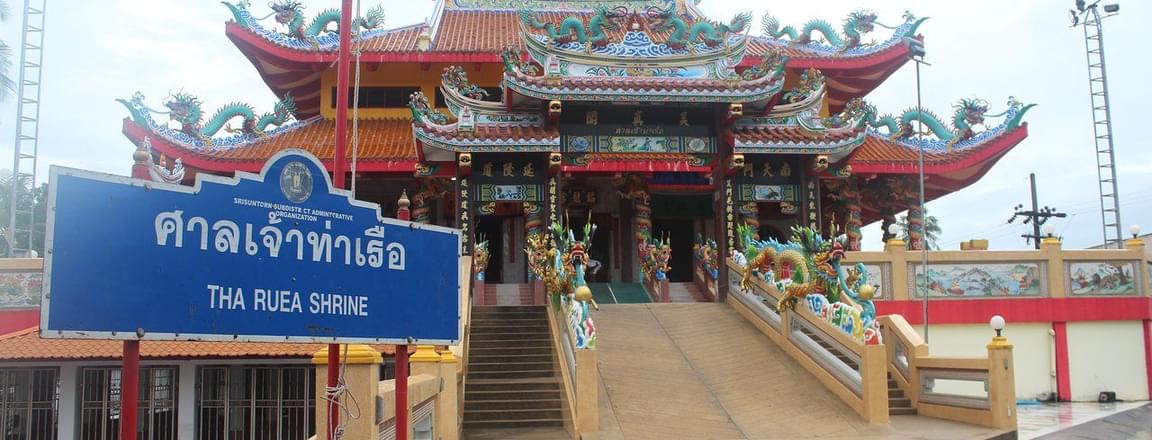
Explore a very spiritual and culturally important site at Tha Rua Shrine, Phuket, which is among the oldest and most important Chinese shrines on the island. This shrine is most popular during the Phuket Vegetarian Festival, as it is the main ceremony venue. The Rua Shrine provides tourists with an insight into the Chinese-Thai culture, religious worship, and culture of living in Phuket, as opposed to the beaches and resorts. The Rua Shrine in Phuket is an excellent place to visit, no matter if you are a culture enthusiast, spiritual seeker, photographer, or festival traveller.
About Tha Rua Shrine
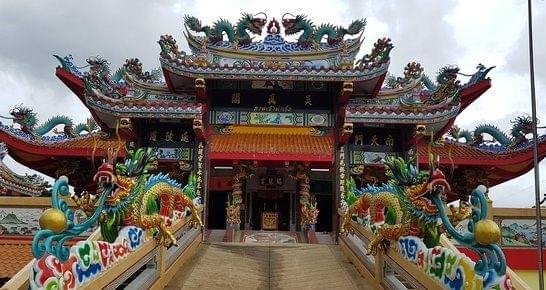
The Rua Shrine, or locally referred to as Jui Tui Shrine (San Chao Thaw Ruang), is over 100 years old, and it is closely related to the Hokkien people of Phuket. It is the shrine of Chinese gods who are venerated to give protection, health, and prosperity, and it is also very important in keeping up the Taoism practices in the island. The shrine was historically located near important trade routes and waterways used by early Chinese settlers. It is still a religious hub today, mainly during the Vegetarian Festival held every year.
Cultural Insight: The Rua Shrine is viewed as one of the major procession shrines during the Phuket Vegetarian Festival, which has very strict rituals and significant involvement of the entire community.
Top Highlights of Tha Rua Shrine Phuket
- One of Phuket’s oldest Chinese shrines
- Major ceremonial site during Phuket Vegetarian Festival
- Traditional Taoist architecture and iconography
- Authentic local worship atmosphere
- Cultural and spiritual significance beyond tourism
The Rua Shrine in Phuket is best appreciated for its spiritual depth rather than as a sightseeing stop alone.
Tha Rua Shrine Phuket Visitors Details & Nearby Attractions
Location: Thalang District, northern Phuket
Opening Hours (2026): Daily, 07:00 AM – 07:00 PM
Suggested Duration: 30–60 minutes
Entry Fee: Free (donations welcome)
Nearby Attractions & Day Trips
- Wat Phra Thong: 10 minutes, famous half-buried Buddha
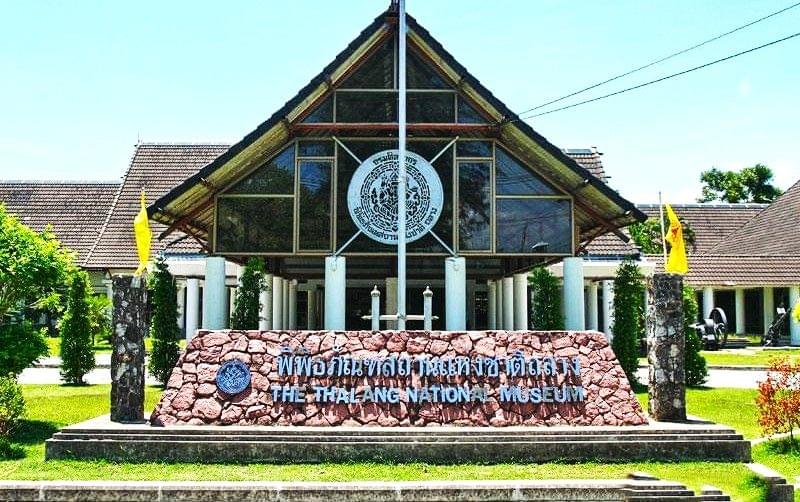
- Thalang National Museum: 15 minutes, local history
- Bang Tao Beach: 20 minutes
- Phuket Old Town: 5-min walk
Travel Tip: Combine Tha Rua Shrine with Wat Phra Thong for a culturally rich half-day outing.
What to See at the Tha Rua Shrine, Phuket
Main Prayer Hall Zone
Central Altar
- Dedicated to primary Chinese deities
- Visitors light incense and offer prayers.
Architectural Details
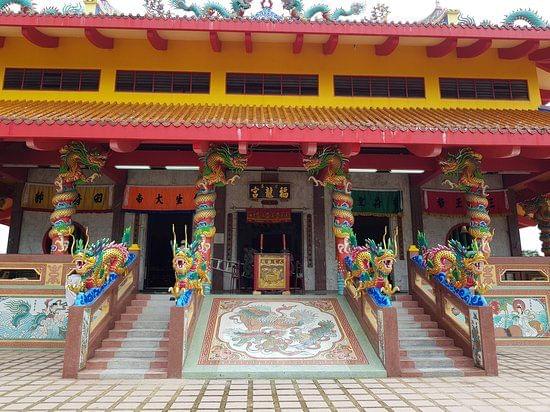
- Red-and-gold colour palette symbolising prosperity
- Intricate dragon carvings and Chinese calligraphy
Why It Matters: The shrine reflects Phuket’s Chinese immigrant history and ongoing religious traditions.
Festival & Ritual Zone
Phuket Vegetarian Festival Role
- Key starting point for processions
- During the Vegetarian Festival, ceremonies may include purification rituals and processions led by spirit mediums (Ma Song)
- Strong participation from spirit mediums (Ma Song)
Festival Period: Usually September–October (dates vary annually)
Important Note: During the festival, the shrine becomes extremely crowded, and rituals may be intense for sensitive visitors.
Community & Cultural Zone
Daily Worship
- Locals pray for health, business success, and family well-being
- Quiet mornings are ideal for respectful observation.
Cultural Etiquette
- Remove shoes where indicated
- Dress modestly (covered shoulders and knees)
- Photography should be discreet.
Best Time to Visit Tha Rua Shrine Phuket
Regular Days
- Morning hours (07:00–10:00 AM) for a peaceful experience
- Weekdays are quieter than weekends.
Festival Season
- Visit only if you are comfortable with large crowds and rituals.
- Expect road closures and long ceremonies.
Time Required: 30–60 minutes outside festival season; longer during festivals.
How to Reach Tha Rua Shrine Phuket
From Phuket Old Town
- Car/Taxi: 40 minutes
From Patong / Kata / Karon
- Car/Taxi: 50–60 minutes
From Phuket International Airport
- Taxi: 25–30 minutes
Transport Tip: Public transport is limited; taxis or private vehicles are recommended.
Visitor Etiquette & Dress Code at Tha Rua Shrine Phuket
- Dress modestly at all times.
- Do not touch ritual objects.
- Follow instructions from shrine staff.
- Avoid loud conversations
- Do not photograph worshippers without permission.
- Donations should be placed in designated boxes.
Facilities Available at Tha Rua Shrine, Phuket
- Prayer halls and altars
- Incense and offering stalls nearby
- Limited parking space
- No cafés inside the shrine complex
Suggested Half-Day Cultural Itinerary from Tha Rua Shrine
Morning:
- Visit the Tha Rua Shrine in Phuket
- Observe morning prayers
Afternoon:
- Explore Wat Phra Thong
- Lunch near Bang Tao or Thalang
Evening:
- Return to the accommodation or explore Phuket Old Town.
Five Meaningful Things to Do at Tha Rua Shrine Phuket
- Visitors light incense and offer prayers at the central altar.
- Observe Taoist rituals and architecture.
- Learn about the Vegetarian Festival’s origins.
- Photograph shrine details (where permitted)
- Combine a visit with nearby cultural landmarks.
Conclusion: Why the Tha Rua Shrine in Phuket Is Worth Visiting
The Rua Shrine Phuket is a strong gateway to the spirituality of the island and Chinese-Thai culture. It is not just a historical place but an active centre of worship, tradition, and neighbourhood. To the tourists who might want to explore the positive and more traditional aspects of Thai culture other than beaches and nightlife, a visit to Tha Rua Shrine can deepen, strengthen, and honour any Phuket 2026 itinerary, particularly those with an interest in the history and current living of the religions.
Planning a complete Phuket itinerary? Book Phuket tour packages from Pickyourtrail for custom trips covering cultural sites like Tha Rua Shrine, Old Town, island tours, and festival experiences.
FAQs: Tha Rua Shrine Phuket
1. What is the Tha Rua shrine in Phuket known for?
The Rua Shrine in Phuket also has a reputation to play in the Phuket Vegetarian Festival, as well as its historical Chinese-Taoist importance.
2. Does Tha Rua Shrine Phuket require any entry fee?
No, it is free to enter, but it is possible to donate.
3. What are the hours of opening of Tha Rua Shrine Phuket?
Generally, the Tha Rua Shrine Phuket is open between 07:00 AM and 07.00 PM every day.
4. What is the duration of the visit to the Tha Rua Shrine in Phuket?
The majority of visitors spend 30-60 minutes at the shrine.
5. Is the Tha Rua Shrine Phuket open on the Vegetarian Festival to tourists?
Yes, the tourists can come, but be ready for the crowds and extreme forms of ritual.
6. Is Tha Rua Shrine Phuket family-friendly?
Yes, families can visit during off periods of the festivals with the right etiquette.
7. What is the dress code to go to Tha Rua Shrine Phuket?
They should have visitors wearing modest clothes covering their shoulders and knees to honour them.