
- Home
- Attractions
- Singapore
- Sri Veeramakaliamman Temple Singapore: History, Architecture, Timings & Complete Visitor Guide
Sri Veeramakaliamman Temple Singapore: History, Architecture, Timings & Complete Visitor Guide

Sri Veeramakaliamman Temple Singapore is one of the places you must visit, whether you are walking through the colourful lanes of Little India or preparing your Singapore itinerary with a heritage-rich visit. Located at 141 Serangoon Road, the temple is not just a building made of stone and statues, but an active heritage of faith, culture and community. It was founded in the 19th century and has welcomed generations of believers and tourists, providing them with a strong bond to the past and history.
It has its glitzy tower, and the temple bells and incense, and it creates a spiritual atmosphere that is hard to find outside the city walls of Singapore Sri Veeramakaliamman Temple can make your visit to Singapore an experience in the soul.
Why Visit Sri Veeramakaliamman Temple in SingaporEvery Stone Heritage & History
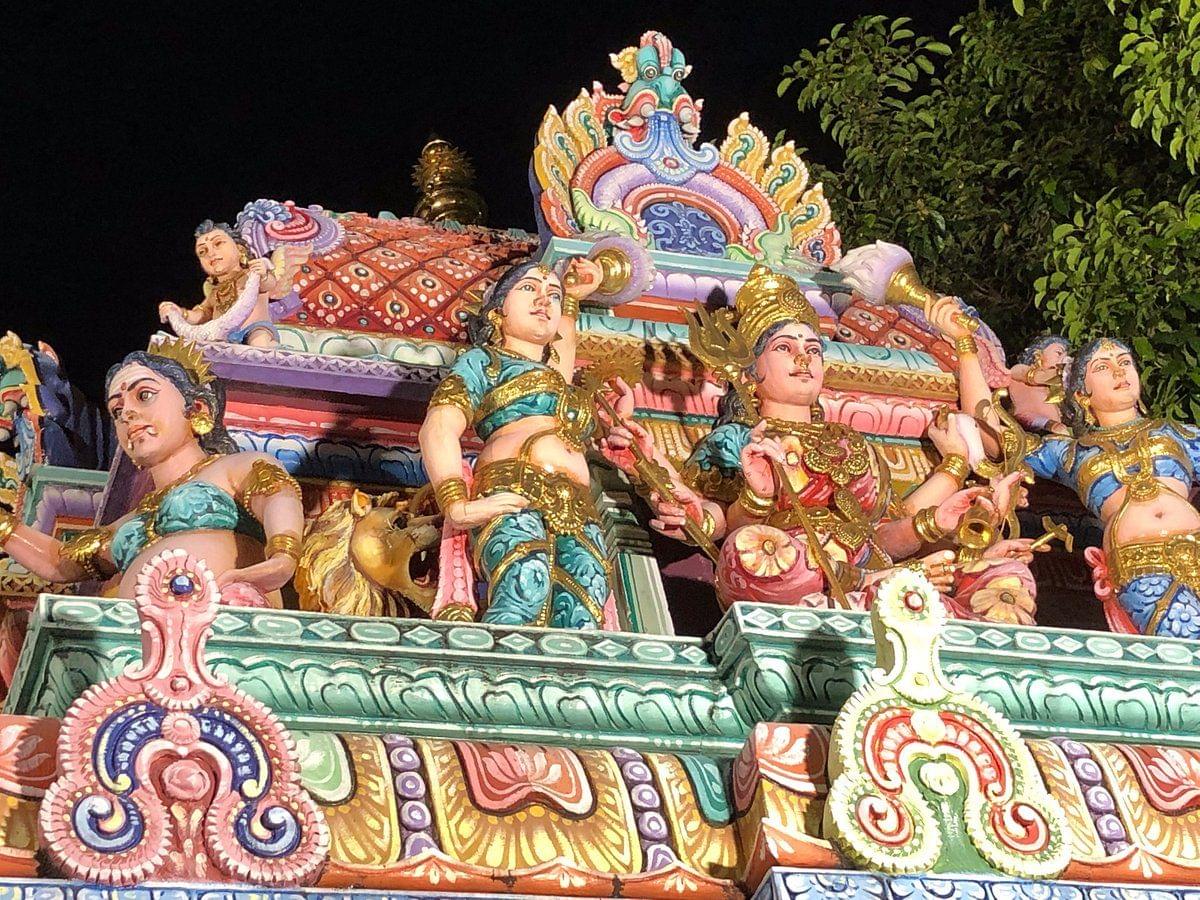
- It originated in the 1850s as a modest shrine by South Indian lime kiln workers, known as Soondu Kambam Kovil. A shrine was formalised around 1881, with the current structure consecrated after the 1930s reconstruction and a 1987 idol installation from India.
- The main deity statue of Sri Veeramakaliamman was imported from Mahabalipuram, South India, and consecrated in 1987.
- The temple was developed over decades with the increase of the Indian migrant community, providing a new generation with their cultural background and serving as a venue for social and religious events.
Sri Veeramakaliamman Temple Architecture & Main Attractions
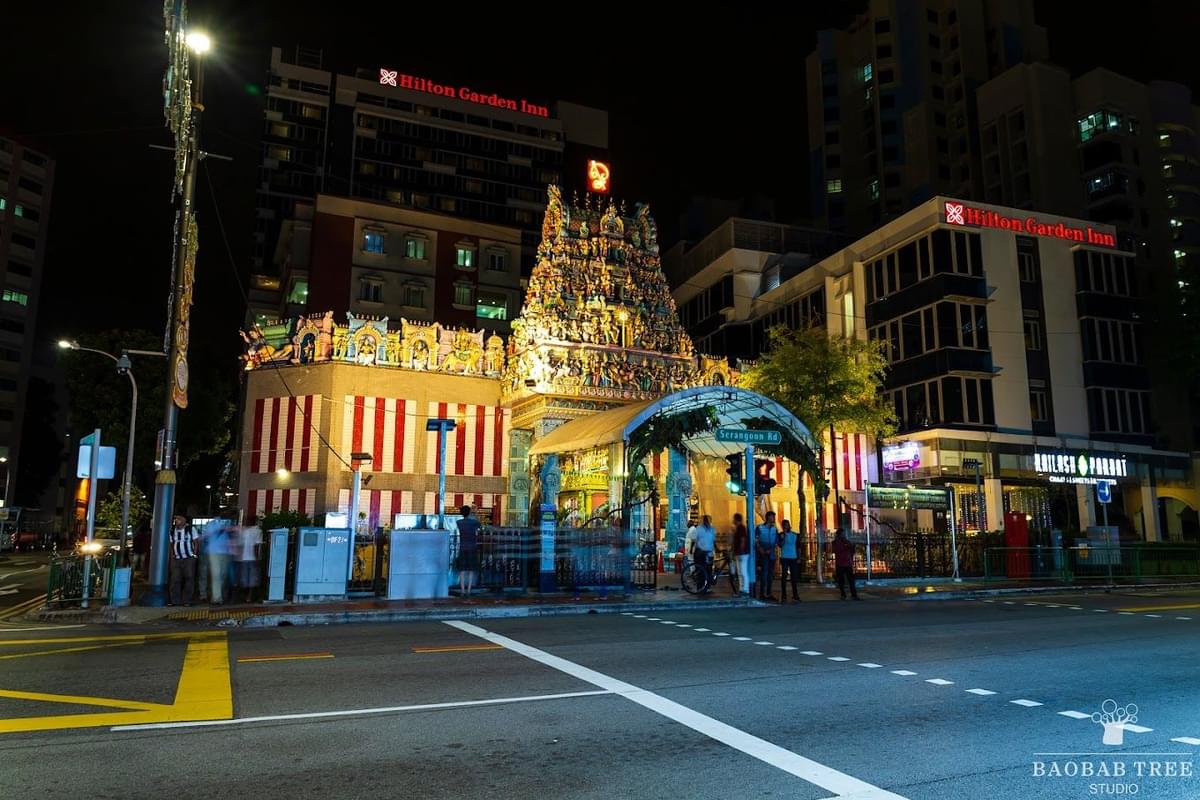
- The temple features traditional Tamil Dravidian-style architecture, highlighted by its ornate, multi-tiered gopuram (entrance tower).
- The sanctum also contains the goddess Goddess Kali (Veeramakaliamman), who is believed to be the Destroyer of Evil. Tourists may find images of her as furious – skull garlands and victory positions of demon-killing – and as more peaceful domestic types with her sons, Lord Ganesha and Lord Murugan.
- In addition to the central shrine, there are several sanctums within the temple complex that worship many of the various gods, an aspect of being an inclusive and stratified worship in Singapore.
Living Legacy: Culture, Devotion and Community.
- The temple was the home of the early Indian migrants; it was a refuge. The temple accommodated vagrants during their darkest hours, such as the Japanese Occupation in WWII, and served them with food.
- As time passes, the temple has continued to be a place where the community holds festivals, offers prayers and makes offerings daily. The scent of incense, the beat of bells, coconuts being smashed by the worshippers, and circling the sanctum – all this makes it a rich spiritual and cultural experience to visit.
- As one of Singapore's oldest Hindu temples (from the 1850s) and the first dedicated to Goddess Kali, it symbolises Little India's heritage.
Sri Veeramakaliamman Temple Visitor Information
What to See Inside the Temple — Highlights for Tourists
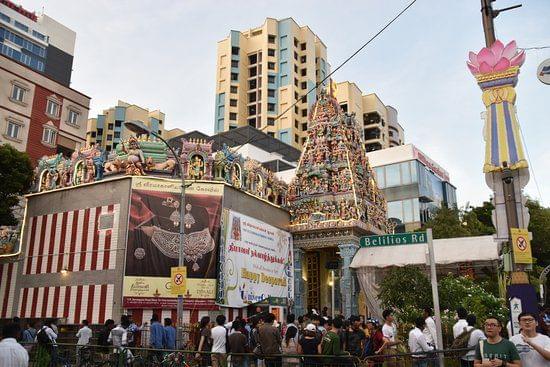
- Intricate Gopuram Sculptures- the coloured tower of entrance, dotted with bright sculptures of deities, evil spirits and mythological creatures.
- The main sanctum of the statue of Goddess Kali in Her Fierce & Benevolent Forms, in her fierce and protective shape and her motherly nurturing image.
- There were various smaller shrines dedicated to other gods that presented the pluralistic and inclusive concept of worship.
- The smell of incense and butter lamps, the ringing of temple bells, the chants of devotion - all of this makes a tapestry of sensations, which is both ancient and alive.
- A living spiritual family: locals who come in order to pray, offerings, walk around the sanctum, crack coconuts, and, in some cases, it is a prosperity prayer, other times a peace prayer.
Best Things to Do Near Sri Veeramakaliamman Temple
- As you are already in Little India, why not also have some extra cultural taste: Explore the colourful streets of Little India - imbibe street art, buy colourful fabrics, sarees, spices, trinkets.
- Get a substantial south-Indian dish in the area, dosa, thali, and filter coffee; there are numerous restaurants within walking distance.
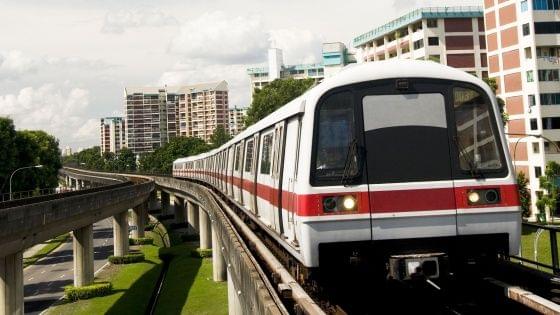
- See other heritage sites, markets or even take a brief ride on the MRT to blend modern Singapore with a traditional feel.
- All this makes a trip to Sri Veeramakaliemman more than a brief pit-stop it is a part of a stratified, immersive Little India experience.
Temple Etiquette & Safety Guidelines for Visitors
- Dress Modestly: Shoulders and knees must be covered. Avoid revealing outfits as the temple is an active place of worship.
- Footwear Removal: Shoes must be removed before entering any prayer hall. Store them in designated racks.
- Photography Etiquette: Photography is generally allowed outside and in common halls, but always avoid taking pictures inside the main sanctums or during prayers. Ask permission if unsure.
- Silence & Respect Speak softly, avoid loud conversations, and do not disturb ongoing rituals. Maintain the sacred atmosphere.
- Safety Around Shrines: Keep a safe distance from oil lamps and burning incense. Do not touch sacred objects unless instructed.
- Follow Ritual Flow: Walk clockwise around the sanctums (Pradakshina path) like worshippers do.
- No Eating Inside: Food, snacks, and chewing gum are not permitted inside temple halls. Prasad may be shared in designated areas only.
- Be Mindful During Aarti: During the lamp-lighting ritual (Aarti), avoid crossing in front of devotees or posing for photos.
Conclusion — Why Add Sri Veeramakaliamman Temple to Your Singapore Itinerary
When you are planning a Singapore vacation, you cannot afford to skip Sri Veeramakaliamman Temple Singapore, which is not only an attraction site, but also a heartwarming gateway to the Singaporean rich cultural heritage, Indian diaspora culture and rich spiritual landscape. Going alone, or with family, or friends, there will be a twist to the city lights with a detour here.
For the smoothest experience — combining heritage, modern cityscapes, and convenience — check out Pickyourtrail’s curated itineraries: consider the Singapore Packages, and you can also tailor it with Singapore Packages from Bangalore.
FAQs About Sri Veeramakaliamman Temple
Can Non-Hindus Visit the Temple?
A: Absolutely! Visitors are welcome to the temple regardless of their background. It is a cultural heritage and spiritual atmosphere that is accessible to everyone, provided one adheres to the dress code and etiquette.
Q: Is there any entry fee?
A: No entry fee. The gates are free; giving donations to maintain the temples is not obligatory.
Is Photography Allowed?
A: Yes - but with respect. Photography is permissible in most places except sacred sanctums during prayers, and one should seek permission before taking pictures in case of any doubt.
When Is the Temple Less Crowded?
A: Morning (after 5.30 AM) or evening prayers are less crowded. Do not go in the middle of the day when the temple is shut down.
What Is the Dress Code?
A: Yes. Simple clothes should be worn. Shoulders and knees are to be covered, and shoes are to be taken off.
How to Reach Little India MRT?
A: The nearest MRT is Little India (NE7/DT12), and it is only a short walk. Several bus routes also take a stop at Serangoon Road.