
- Home
- Tourism
- Switzerland
- Best Places to Visit in Switzerland in 2026: Top Attractions, Lakes & Travel Tips
Best Places to Visit in Switzerland in 2026: Top Attractions, Lakes & Travel Tips
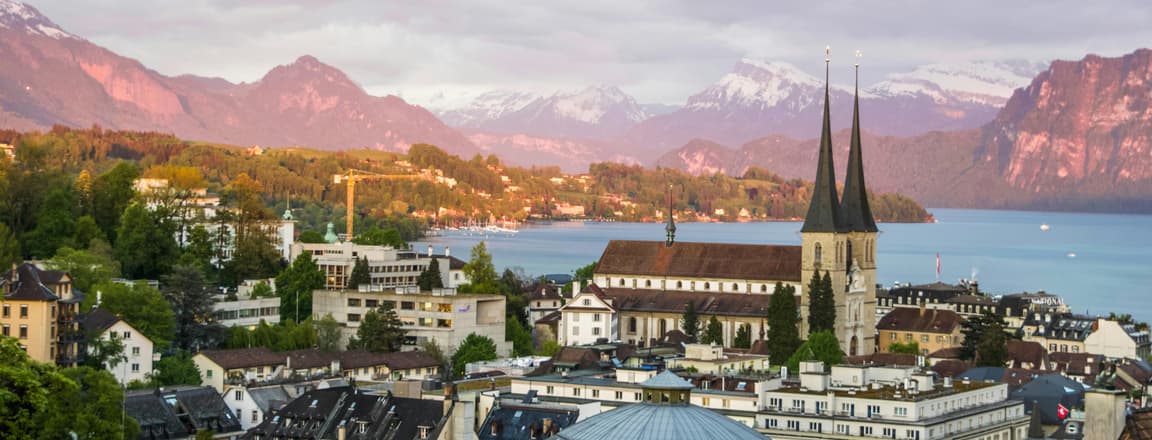
Dreaming of waking up to snow-capped mountains, turquoise lakes and storybook villages? The best places to visit in Switzerland go far beyond Zurich and the famous Swiss Alps. From the dramatic Matterhorn in Zermatt and the scenic valleys of Lauterbrunnen to the charming streets of Lucerne and the adventure hub of Interlaken, every destination offers a different side of Switzerland.
Whether planning a short getaway or a 7–10-day holiday, choosing the right destinations can make your trip more enjoyable. This guide covers the top places to visit in Switzerland in 2026, what makes each destination special, the ideal time to visit, how long to stay and who it is best suited for.
Best Places to Visit in Switzerland at a Glance
Location | Best Season | Ideal Duration | Top Experiences | Best For |
| Lucerne | May–Oct | 2–3 days | Lake cruise, Chapel Bridge, Mount Rigi, Mount Pilatus | First-time visitors, families, sightseeing |
| Interlaken | May–Sep | 2–3 days | Paragliding, Jungfraujoch, Grindelwald, adventure activities | Adventure, couples, outdoor lovers |
| Zermatt | Dec–Mar, Jun–Sep | 2–3 days | Matterhorn views, Gornergrat Railway, skiing, hiking | Mountains, couples, photographers |
| Jungfraujoch | May–Oct, Dec–Mar | 1 day | Ice Palace, Sphinx Observatory, Aletsch Glacier | Snow, families, first-time visitors |
| Lauterbrunnen | May–Oct | 1–2 days | Waterfalls, valley views, hiking, Alpine villages | Nature, photography, couples |
| Zurich | Apr–Oct, Dec | 1–2 days | Old Town, Lake Zurich, museums, cafés | City breaks, culture, shopping |
| Montreux | Jun–Sep | 1–2 days | Lake Geneva, vineyards, Chillon Castle, lakeside walks | Couples, culture, relaxed holidays |
| Geneva | May–Sep | 1–2 days | Jet d’Eau, Old Town, Lake Geneva, international district | Culture, city sightseeing |
| Bern | Apr–Oct | 1–2 days | UNESCO Old Town, Zytglogge, Einstein House, Rose Garden | History, culture, families |
| Engelberg & Mount Titlis | Dec–Mar, May–Oct | 1 day | Glacier Cave, Cliff Walk, snow activities, cable car | Snow, families, day trips |
| Mürren | May–Oct, Dec–Mar | 1–2 days | Alpine village walks, mountain views, Schilthorn | Couples, nature, quiet escapes |
| Ticino & Lake Lugano | Apr–Oct | 2–3 days | Lakeside walks, Italian-style architecture, cuisine | Relaxation, couples, offbeat travel |
| Gstaad | Dec–Mar, Jun–Sep | 1–2 days | Alpine scenery, village walks, luxury experiences | Luxury, couples, peaceful escapes |
| Gruyères | Apr–Oct | 1 day | Medieval village, castle, local cheese experiences | Culture, food lovers, day trips |
| Appenzell | May–Oct | 1–2 days | Traditional architecture, village walks, countryside | Offbeat travel, culture, photography |
Top Mountain Places to Visit in Switzerland
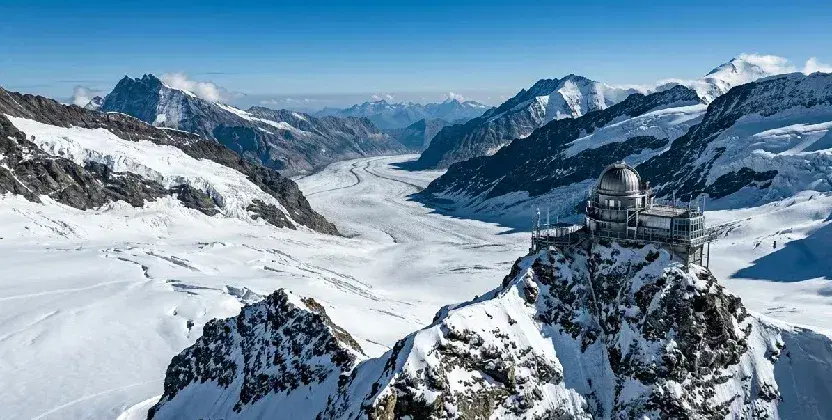
Switzerland’s mountain destinations cater to different traveller interests, from adventure and hiking to snow experiences, scenic views, photography and peaceful Alpine escapes. Choose the right destination based on the experiences you want to include in your Switzerland tour package.
Jungfraujoch
Jungfraujoch, known as the “Top of Europe”, is one of the most popular mountain destinations in Switzerland. Located at 3,454 metres, it is home to Europe’s highest railway station and is accessible via the historic Jungfrau Railway. At the top, you can explore the Ice Palace, visit the Sphinx Observatory, and enjoy panoramic views of the Aletsch Glacier. With its dramatic Alpine scenery and high-altitude experiences, Jungfraujoch is an excellent choice for first-time visitors to Switzerland.
Bernese Oberland
The Bernese Oberland is one of the best places to visit in Switzerland for dramatic mountain scenery, hiking and traditional Alpine landscapes. The region includes popular destinations such as Interlaken, Grindelwald and Lauterbrunnen, framed by the Eiger, Mönch and Jungfrau peaks.
Grindelwald is known for experiences such as the First Cliff Walk, a glass-floored walkway offering views over the surrounding mountains. Lauterbrunnen is another highlight, famous for its dramatic valley, towering cliffs and 72 waterfalls. Together, these destinations make the Bernese Oberland ideal for travellers looking to combine hiking, mountain views and picturesque Swiss villages.
Zermatt
Zermatt is one of the few car-free villages and is one of the best places to visit in Switzerland. Surrounded by the Alps, the village is a great base for hiking, mountain excursions and scenic railway journeys. The Gornergrat Railway is one of the highlights, offering spectacular views of the surrounding peaks and the Matterhorn.
With its pedestrian-friendly streets, mountain scenery and year-round activities, Zermatt is a good choice for travellers who want to experience the Swiss Alps at a slower pace.
Matterhorn
The Matterhorn is one of the most recognisable sights in Switzerland. For the best high-altitude experience, head to the Matterhorn Glacier Paradise, located at 3,883 metres. It is the highest cable car station in Europe and offers panoramic views stretching across the Alps towards Italy and France.
The area is popular throughout the year, with skiing in winter and hiking during the warmer months. Combining a visit to the Matterhorn with Zermatt makes it easy to experience both the iconic mountain and the Alpine village surrounding it.
Engelberg and Mount Titlis
Engelberg, a valley village south of Lucerne, provides access to Mount Titlis, one of the most accessible year-round snow destinations in Switzerland. The Titlis Rotair revolving cable car, the first of its kind in the world, rises to 3,028 metres.
The summit has a glacier cave, a cliff walk, and a snow park. Titlis is particularly popular with visitors staying in Lucerne, as the journey from the city takes under two hours by train and cable car.
Schilthorn
The Schilthorn rises to 2,970 metres above the Bernese Oberland and is known for its spectacular 360-degree panorama of around 200 Alpine peaks. At the summit, the revolving Piz Gloria restaurant is a major attraction and is famous for its connection to On Her Majesty’s Secret Service. Schilthorn is an excellent choice for travellers looking for panoramic mountain views and a memorable high-altitude experience.
Mürren
Mürren is a charming, car-free Alpine village perched on a cliff above the Lauterbrunnen Valley. Surrounded by dramatic mountain scenery, the village offers a quieter alternative to busier Swiss destinations. Its location also makes it a convenient base for exploring the Schilthorn and the wider Bernese Oberland region.
Best Lakes to Visit in Switzerland
Switzerland’s lakes offer something for every traveller, from scenic boat rides and lakeside relaxation to photography, vineyards, culture and mountain views. Whether you want a peaceful escape or a base for exploring nearby attractions, these are some of the best lakes to visit in Switzerland.
Lake Lucerne
Among the most beautiful Swiss lakes, Lake Lucerne is the defining highlight of Central Switzerland. It is surrounded by towering mountains, charming lakeside villages, and scenic bays that give it a uniquely dramatic landscape. Unlike many other European lakes, its irregular shape creates constantly changing views, especially during boat cruises from Lucerne, including the region's famous historic steamships.
Lucerne works particularly well as a base because the city combines an easy-to-explore old town with day trips to Mount Rigi, Mount Pilatus and other Central Swiss attractions.
Lake Geneva
Lake Geneva offers a different side of Switzerland, especially during summer when the region takes on an almost Mediterranean feel. One of the country’s most iconic lakes, it is surrounded by terraced vineyards, elegant lakeside towns, and views of Mont Blanc across the French border. The Lake Geneva region is ideal for travellers who want to combine lakeside scenery, vineyards and culture with a slower pace, away from the country’s high Alpine destinations.
Top Cities and Tourist Places in Switzerland
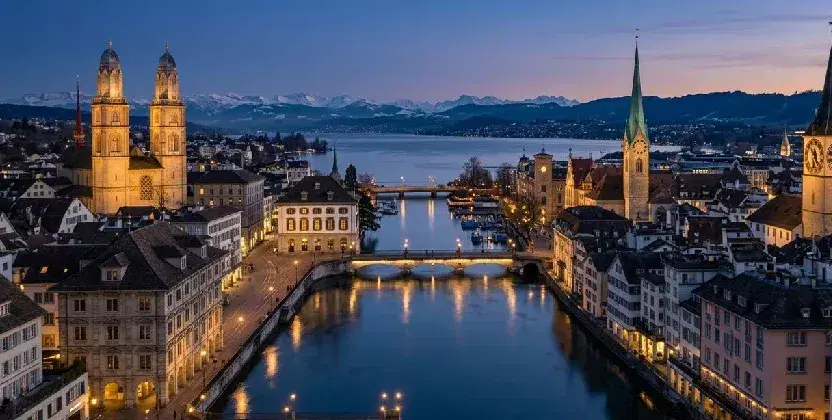
From historic cities and lakeside towns to mountain gateways, the tourist spots in Switzerland offer a mix of culture, nature and outdoor experiences. The following Switzerland tourist spots are particularly useful for first-time visitors planning a well-rounded itinerary.
Zurich
If you are looking for the best places to visit in Zurich, Switzerland, you will quickly realise that the city is much more than just Switzerland’s financial capital. Among the country's major Switzerland places to visit, Zurich stands out for its mix of historic streets, cultural attractions, lake views and modern city life. Its charming Old Town (Altstadt) stretches along both sides of the Limmat River and is filled with medieval buildings, narrow streets, historic churches, and cosy cafés that are best explored on foot.
Zurich also has a creative and modern side, especially around Langstrasse, known for its art spaces, nightlife, and diverse food scene. During summer, locals head to the lakefront parks and swimming areas, giving the city a relaxed atmosphere that contrasts beautifully with its urban feel.
Montreux
Montreux, on the eastern shore of Lake Geneva, is known for its palm-lined promenades, relaxed atmosphere and famous Montreux Jazz Festival. The town also provides easy access to Chillon Castle, a medieval fortress set on a rocky island along the lake. With its lakeside setting, cultural attractions and mountain views, Montreux is one of the best places to visit in the Lake Geneva region.
Geneva
Situated at the western tip of Lake Geneva, Geneva feels distinctly different from Switzerland's German-speaking cities. The pace is closer to a European capital than an Alpine town. The Jet d'Eau, one of the world's tallest fountains, marks the lakefront and is visible from most of the city. This destination features a walkable Old Town (Vieille Ville) and an international district, pairing naturally with nearby Montreux and Lausanne for regional travel.
Basel
Basel, Switzerland, is situated in the northwest corner, where the country borders Germany and France. It is the premier destination for travellers prioritising world-class art and avant-garde architecture over traditional Alpine scenery. The city boasts the highest concentration of museums per capita in the country.
This cultural hub is anchored by the historic Kunstmuseum Basel, home to one of the world's oldest public art collections. Additionally, the renowned Fondation Beyeler is located on the city's outskirts. The medieval old town, centred on Basel Münster and the Rhine, is best explored on foot, and the city's position on the river makes it an easy add-on for travellers arriving from Germany or France by train.
Lucerne
Lucerne is often considered one of the most beautiful and tourist-friendly cities in Switzerland, thanks to its compact layout, excellent connectivity and postcard-perfect setting by the lake. The city is one of the best places to visit in Switzerland for first-time travellers, with iconic attractions like the historic Chapel Bridge, Lion Monument and well-preserved old town walls.
Surrounded by mountains and lake views, Lucerne also serves as the perfect base for scenic excursions to Mount Rigi and Mount Pilatus, both known for their panoramic Alpine landscapes and easy day-trip access. Whether you are visiting for a day or planning a longer stay, the city offers a balance of history, nature, and relaxed Swiss charm.
Interlaken
Set between Lake Thun and Lake Brienz with the Jungfrau massif visible from its main street, Interlaken is the adventure capital of the Swiss Alps. Paragliding, skydiving, canyoning, and white-water rafting are all offered by local operators.
It also serves as the most popular base for day trips to Jungfraujoch, Schilthorn, and Grindelwald. There is a plethora of things to do in Interlaken, from outdoor activities to quieter alternatives for non-adventure travellers.
Bern
Bern is one of the best-preserved medieval cities in Europe, with six kilometres of arcaded walkways (Lauben) covering its old town streets. It is one of Switzerland's places to visit for history and culture. The UNESCO-listed old town, Einstein's former apartment, the Zytglogge clock tower and rose gardens make Bern a destination worth more than a day.
Best Villages and Hidden Places to Visit in Switzerland
Beyond the flagship destinations, Switzerland has a long list of lesser-visited places that reward the effort to reach them. These lesser-known places to visit in Switzerland are ideal for travellers who want to experience charming villages, quieter landscapes and a different side of the country.
Gstaad
Gstaad, in the Bernese Oberland, offers an upscale Alpine village atmosphere without the crowds associated with destinations such as Zermatt and Grindelwald. It is a good choice for travellers looking for mountain scenery, a quieter setting and a more refined Swiss village experience.
Gruyères
Gruyères is a medieval hilltop village in the Fribourg region, best known as the home of the cheese that shares its name. Its historic setting makes it a worthwhile stop for travellers looking to experience Switzerland beyond its major Alpine destinations.
Appenzell
Appenzell, in eastern Switzerland, is known for its traditional folk-art architecture and distinctive village character. It offers a different perspective on Switzerland, making it a good option for travellers who want to explore beyond the country’s better-known mountain resorts and cities.
Ticino and Lake Lugano
Ticino, Switzerland’s Italian-speaking southern canton, offers a distinct Mediterranean atmosphere. Around Lake Lugano, palm-lined lakefronts, sunny microclimates and Italian-influenced architecture and cuisine create a setting that feels very different from the classic Alpine landscapes.
Located farther from the popular Zurich–Lucerne–Interlaken route, Ticino is often overlooked by international travellers. This makes it an appealing choice for those seeking a quieter Swiss experience away from the country’s busiest tourist destinations.
For more ideas, the guide to beautiful villages in Switzerland is a useful companion.
Best Places to Visit in Switzerland Based on Trip Length
With so many distinct regions, the ultimate planning challenge is sequencing your stops efficiently to avoid wasting precious travel days.
Route Sequencing by Trip Length
- 5–6 Days (The Express Loop): Focus strictly on one mountain base and one lake-city combination. Optimal combinations include Zurich → Lucerne → Interlaken or Geneva → Montreux → Zermatt.
- 7–10 Days (The Classic Classic): This is the ideal duration for a standard Swiss vacation. It allows you to cover the high-demand core loop: Zurich, Lucerne, Interlaken (Jungfraujoch), and Zermatt. You can easily add Bern or Geneva depending on your arrival or departure airport.
- 10+ Days (The Grand Tour): This extended timeline provides enough breathing room to incorporate regional cultural detours like Basel or Ticino without compromising on the essential Alpine and lake experiences.
Strategic Transit Tips: Switzerland’s dense rail network allows for seamless connectivity between all major regions without requiring a rental car. To maximise your time, plan your itinerary around 2 to 3 strategic base cities rather than changing hotels daily.
Tips for Exploring the Best Places to Visit in Switzerland
- Buy a Swiss Travel Pass if you plan to visit multiple cities and attractions, as it covers most trains, buses, boats, and offers discounts on mountain excursions.
- Start sightseeing early, especially at popular destinations like Jungfraujoch, Harder Kulm, and Mount Titlis, to avoid crowds and enjoy clearer views.
- Book mountain tickets in advance during summer and winter holidays, as popular cable cars and railways often sell out.
- Check the mountain weather forecast before heading to high-altitude attractions, as visibility can change quickly.
- Dress in layers, even during summer, since mountain temperatures are often 8–15°C cooler than in the valleys.
- Use the SBB Mobile App to check live train schedules, platform changes, and the fastest connections across Switzerland.
- Carry a reusable water bottle, as public fountains across Switzerland provide clean, drinkable Alpine water free of charge.
- Stay near major railway stations in cities like Zurich, Lucerne, or Interlaken to reduce travel time and make day trips easier.
- Allow at least 7–10 days to explore Switzerland comfortably without rushing between destinations.
- Keep some Swiss Francs (CHF) in cash for small cafés, mountain huts, lockers, and places where cards may not always be accepted.
- Respect local timings, as many shops close on Sundays and earlier in smaller towns.
- Travel during May–June or September–October for pleasant weather, fewer crowds, and better hotel prices compared to the peak summer season.Buy a Swiss Travel Pass if you plan to visit multiple cities and attractions, as it covers most trains, buses, boats, and offers discounts on mountain excursions.
- Start sightseeing early, especially at popular destinations like Jungfraujoch, Harder Kulm, and Mount Titlis, to avoid crowds and enjoy clearer views.
- Book mountain tickets in advance during summer and winter holidays, as popular cable cars and railways often sell out.
- Check the mountain weather forecast before heading to high-altitude attractions, as visibility can change quickly.
- Dress in layers, even during summer, since mountain temperatures are often 8–15°C cooler than in the valleys.
- Use the SBB Mobile App to check live train schedules, platform changes, and the fastest connections across Switzerland.
- Carry a reusable water bottle, as public fountains across Switzerland provide clean, drinkable Alpine water free of charge.
- Stay near major railway stations in cities like Zurich, Lucerne, or Interlaken to reduce travel time and make day trips easier.
- Allow at least 7–10 days to explore Switzerland comfortably without rushing between destinations.
- Keep some Swiss Francs (CHF) in cash for small cafés, mountain huts, lockers, and places where cards may not always be accepted.
- Respect local timings, as many shops close on Sundays and earlier in smaller towns.
- Travel during May–June or September–October for pleasant weather, fewer crowds, and better hotel prices compared to the peak summer season.
Conclusion: What are the Best Places to Visit in Switzerland in 2026?
The best place to visit in Switzerland depends on what you want from your trip. For a first-time visit, choose Lucerne, Interlaken and Zermatt for a balanced mix of lakes, mountains, scenic railways and iconic Alpine views. If snow and mountain experiences are your priority, add Jungfraujoch, Mount Titlis or Zermatt. For culture and relaxed sightseeing, Zurich, Bern, Geneva and Montreux are better choices, while Ticino and Gstaad suit travellers looking for a quieter or more upscale escape.
With 7–10 days, add Jungfraujoch, Lauterbrunnen or Bern. Choose Zurich, Geneva or Montreux for culture and relaxed sightseeing, while Ticino and Gstaad suit quieter escapes. Planning around your interests and limiting hotel changes will help you fully experience Switzerland without feeling rushed
Tips for Exploring the Best Places to Visit in Switzerland
- Buy a Swiss Travel Pass if you plan to visit multiple cities and attractions, as it covers most trains, buses, boats, and offers discounts on mountain excursions.
- Start sightseeing early, especially at popular destinations like Jungfraujoch, Harder Kulm, and Mount Titlis, to avoid crowds and enjoy clearer views.
- Book mountain tickets in advance during summer and winter holidays, as popular cable cars and railways often sell out.
- Check the mountain weather forecast before heading to high-altitude attractions, as visibility can change quickly.
- Dress in layers, even during summer, since mountain temperatures are often 8–15°C cooler than in the valleys.
- Use the SBB Mobile App to check live train schedules, platform changes, and the fastest connections across Switzerland.
- Carry a reusable water bottle, as public fountains across Switzerland provide clean, drinkable Alpine water free of charge.
- Stay near major railway stations in cities like Zurich, Lucerne, or Interlaken to reduce travel time and make day trips easier.
- Allow at least 7–10 days to explore Switzerland comfortably without rushing between destinations.
- Keep some Swiss Francs (CHF) in cash for small cafés, mountain huts, lockers, and places where cards may not always be accepted.
- Respect local timings, as many shops close on Sundays and earlier in smaller towns.
- Travel during May–June or September–October for pleasant weather, fewer crowds, and better hotel prices compared to the peak summer season.
Conclusion: What are the Best Places to visit in Switzerland in 2026?
Switzerland is one of those rare destinations where every region feels completely different from the next. From the dramatic peaks of the Jungfrau region and the charming streets of Lucerne to the serene Swiss lakes and scenic train journeys crossing the Alps, the country offers experiences that suit every kind of traveller. Whether you are visiting for adventure, nature, culture, or simply the landscapes, the best places to visit in Switzerland combine world-class infrastructure with unforgettable scenery.
If this is your first Switzerland trip, prioritise two or three bases rather than trying to see the entire country. Lucerne, Interlaken and Zermatt give you a strong mix of lakes, Alpine scenery and classic Swiss experiences; add Geneva, Bern, Montreux or Ticino when you have more time or a specific interest. With careful planning and the right Switzerland tour package, it becomes surprisingly easy to explore multiple regions in a single trip while experiencing the diversity that makes Switzerland one of Europe’s most rewarding destinations.
FAQs
1. What are the best places to visit in Switzerland for first-time travellers?
A: Lucerne, Interlaken and Zermatt are ideal for first-time travellers. Together, they offer a mix of lakes, mountains, scenic railways, Alpine villages and iconic attractions.
2. Which is the most beautiful place in Switzerland?
A: Lauterbrunnen, Zermatt, Lucerne and Interlaken are among the most scenic places in Switzerland. Lauterbrunnen is known for its waterfalls, while Zermatt offers iconic Matterhorn views.
3. Which city is best to stay in Switzerland?
A: Lucerne and Interlaken are two of the best bases for first-time visitors. Lucerne is convenient for lake and mountain excursions, while Interlaken is ideal for exploring Jungfraujoch, Grindelwald and Lauterbrunnen.
4. How many days are enough for Switzerland?
A: Seven to 10 days are ideal for exploring Switzerland comfortably. This allows you to cover destinations such as Zurich, Lucerne, Interlaken, Jungfraujoch and Zermatt without rushing.
5. What are the best places to visit in Switzerland with family?
A: Lucerne, Jungfraujoch, Mount Titlis and Interlaken are excellent choices for families. They combine easy sightseeing with scenic train journeys, mountain experiences, lake cruises and snow activities.
6. What are the best places to visit in Switzerland for couples?
A: Zermatt, Interlaken, Lucerne, Montreux and Mürren are great choices for couples. These destinations offer romantic Alpine villages, mountain views, lakeside walks and scenic experiences.
7. What is the best time to visit Switzerland?
A: May to June and September to October are ideal for pleasant weather, fewer crowds and better hotel prices. Winter is better for travellers prioritising snow, skiing and Alpine experiences.
8. Which places in Switzerland are best for snow?
A: Zermatt, Jungfraujoch, Mount Titlis and Mürren are among the best places for snow experiences. They offer activities such as skiing, snow walks, glacier visits and high-altitude sightseeing.
9. Is ₹2 lakh enough for a Switzerland trip?
A: ₹2 lakh can work for a carefully planned Switzerland trip, particularly for a shorter itinerary with mid-range accommodation and controlled spending. Costs vary based on flights, accommodation, attractions, transport and trip duration.
10. Which Swiss lakes are worth visiting?
A: Lake Lucerne and Lake Geneva are among the top lakes to visit. Lake Lucerne is known for dramatic mountain scenery and boat cruises, while Lake Geneva offers vineyards, lakeside towns and cultural experiences.
11. What are the best places to visit in Switzerland in winter?
A: Zermatt, Jungfraujoch, Mount Titlis, Mürren and Gstaad are excellent winter destinations. They offer snow-covered landscapes, skiing, mountain excursions and traditional Alpine experiences.
12. What are the best places to visit in Switzerland in summer?
A: Interlaken, Lauterbrunnen, Grindelwald, Lucerne, Zermatt and Montreux are excellent summer destinations. They are well suited for hiking, sightseeing, lake cruises and exploring Alpine villages.