
Eastern Europe Countries (2026): 5 Best Countries, Cost & Itinerary
The Eastern European countries are emerging as one of the smartest ways to experience Europe in 2026, offering rich culture, stunning architecture, and exceptional value compared to Western European countries. If you’re looking for a complete Eastern Europe countries list, this guide covers not just the Eastern Europe countries name but also practical insights like travel costs, ideal routes, and experiences that define the region.
Whether you’re planning a honeymoon, a budget backpacking trip, or your first European vacation, Eastern Europe tour packages deliver exceptional value without compromising on experience. This blog helps you make informed decisions with clarity and confidence, so you can plan a memorable and well-optimised Europe trip.
Quick Overview: Eastern Europe Travel
| Factor | Details |
| Budget | ₹1.4L – ₹3L (7–10 days) |
| Best Time | April–June & September–October |
| Ideal Duration | 7–10 days |
| Visa | Schengen visa required (for most countries) |
| Flights from India | ₹40,000 – ₹90,000 return |
Top 5 Best Countries in Eastern Europe
If you’re looking for a curated Eastern Europe countries name selection rather than an overwhelming list, here are the top 5 destinations that offer the best mix of affordability, experiences, and accessibility.
Hungary – Culture, Architecture & Nightlife in One Place
Hungary stands out among all Eastern Europe Countries because of its perfect balance of history, architecture, and vibrant nightlife. Its capital, Budapest, is often considered the heart of Eastern Europe travel. The city is divided by the Danube River into Buda and Pest, each offering a different personality: Buda with its historic charm and Pest with its vibrant urban energy.
One of Hungary’s biggest attractions is its thermal bath culture, which dates back to Roman times. Budapest also stands out for its nightlife, especially the famous ruin bars built inside abandoned buildings, giving the city a raw, artistic vibe.
Why Hungary stands out
- Perfect balance of history and modern culture
- Affordable compared to Western European capitals
- Unique experiences like thermal spas and ruin pubs
Key experiences
- Relaxing at Széchenyi or Gellért thermal baths
- Evening Danube River cruise with Parliament views
- Exploring ruin bars like Szimpla Kert
- Walking across Chain Bridge at sunset
Ideal duration: 2–3 days
Daily budget: ₹6–10K
Best suited for: Couples, solo travellers, nightlife enthusiasts
Poland – Rich History Meets Budget-Friendly Travel
Poland is often overlooked, but it is one of the best countries if you’re exploring the cheapest European cities. Cities like Kraków and Warsaw offer rich history without high costs and are also the most beautiful cities in Poland. These cities showcase Poland’s resilience and cultural richness. While Kraków preserves medieval architecture and a vibrant old town, Warsaw reflects a fascinating mix of reconstruction and modern development after World War II.
Why Poland stands out
- One of the cheapest countries in Europe
- Strong historical and cultural experiences
- Less crowded than mainstream destinations
Key experiences
- Exploring Kraków’s Old Town and Wawel Castle
- Visiting the Auschwitz-Birkenau Memorial for historical insight
- Discovering the Wieliczka Salt Mine
- Walking through Warsaw’s restored Old Town
Ideal duration: 2–3 days
Daily budget: ₹5–8K
Best suited for: History lovers, backpackers, budget travellers
Czechia/Czech Republic – Fairytale Cities & Romantic Charm
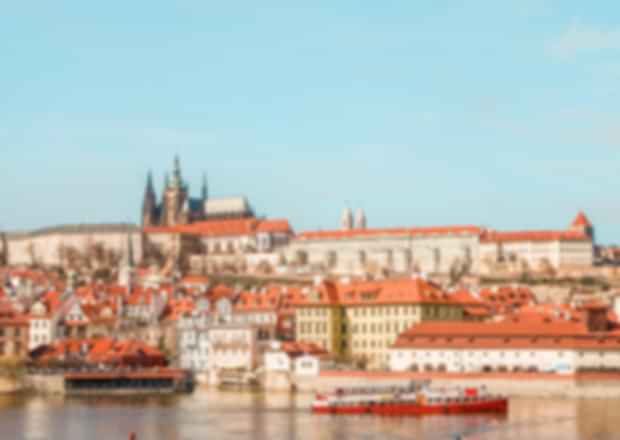
Among all Eastern Europe countries, the Czech Republic, now known as Czechia, is the most visually enchanting. Prague, with its castles and cobbled streets, is a highlight in many Europe honeymoon packages. Prague, in the Czech Republic, is often described as one of the most beautiful cities in Europe. With its gothic architecture, cobblestone streets, and castle views, it feels like a living fairytale. Beyond Prague, towns like Český Krumlov offer an even more intimate medieval experience.
Why the Czech Republic stands out
- One of Europe’s most photogenic destinations
- Strong romantic appeal
- Well-connected and easy to explore
Key experiences
- Walking across Charles Bridge early in the morning
- Visiting Prague Castle and St. Vitus Cathedral
- Exploring Old Town Square and Astronomical Clock
- Taking a day trip to Český Krumlov
Ideal duration: 2–3 days
Daily budget: ₹7–11K
Best suited for: Couples, honeymooners, photographers
Romania – Raw Landscapes & Offbeat Experiences
Romania is for travellers who want something different. It’s less polished than other Eastern Europe countries but offers authentic experiences, dramatic landscapes, and unique folklore.
The Transylvania region, often associated with Dracula legends, is filled with castles, forests, and scenic drives. Romania also offers a glimpse into traditional European village life that feels untouched by time.
Why Romania stands out
- Offbeat and less touristy
- Diverse landscapes, including mountains and countryside
- Strong folklore and cultural identity
Key experiences
- Visiting Bran Castle (Dracula’s Castle)
- Driving through Transylvania and the Carpathian Mountains
- Exploring Bucharest’s mix of old and modern architecture
- Discovering traditional villages
Ideal duration: 2–4 days
Daily budget: ₹5–9K
Best suited for: Adventure travellers, offbeat explorers
Croatia – Coastal Beauty on a Budget
Croatia adds a coastal dimension to the Eastern Europe countries list, offering Mediterranean beauty at a relatively lower cost. It has gained popularity in recent years, but still offers better value compared to Western European coastal destinations.
Dubrovnik, often called the “Pearl of the Adriatic,” is known for its old town walls and scenic sea views. Beyond Dubrovnik, destinations like Split and Hvar provide a mix of history, beaches, and nightlife.
Why Croatia stands out
- Stunning coastline and island experiences
- A blend of history and beach destinations
- Great value for a European coastal trip
Key experiences
- Walking Dubrovnik’s Old Town walls
- Visiting Plitvice Lakes National Park
- Island hopping between Hvar and nearby islands
- Exploring Split’s historic centre
Ideal duration: 3–4 days
Daily budget: ₹8–15K
Best suited for: Couples, beach lovers, luxury-on-budget travellers
Eastern Europe Trip Cost from India
Planning your budget is one of the most important parts of your trip. Here’s a realistic breakdown of the Eastern Europe trip cost:
| Expense | Cost |
| Flights | ₹40,000 – ₹90,000 |
| Visa (Schengen) | ₹7,000 – ₹10,000 |
| Accommodation (7 nights) | ₹35,000 – ₹80,000 |
| Food & local transport | ₹20,000 – ₹40,000 |
| Sightseeing & activities | ₹10,000 – ₹25,000 |
*These costs are tentative and may vary
- Budget: ₹1.4L–₹1.8L
- Mid-range: ₹1.8L–₹2.8L
- Premium: ₹3L+
Note: Eastern Europe can be 30–50% cheaper than Western Europe, making it ideal for budget-conscious travellers.
How to Travel Between Eastern Europe Countries
Eurail is one of the most convenient ways to travel between the countries in Eastern Europe, but not always the most cost-effective option. The Eurail pass is a suitable option that allows flexible travel across countries.
Why use a Eurail pass
- Covers multiple countries
- Saves time and effort
- Scenic travel experience
Alternatively, buses are also widely available, cheaper options.
Suggested 7–10 Day Eastern Europe Itinerary
A well-planned Eastern Europe itinerary ensures you cover multiple countries efficiently.
Option 1: Classic Eastern Europe Route
- Prague – 2 nights
- Budapest – 2 nights
- Vienna – 2 nights (optional extension)
Option 2: Budget-Friendly Route
- Poland – 3 nights
- Czech Republic – 3 nights
- Hungary – 2 nights
Option 3: Offbeat Route
- Romania – 3–4 nights
- Hungary – 2 nights
- Croatia – 3 nights
Visa Guide for Indian Travellers
- Most Eastern European countries fall under the Schengen visa
- Processing time: 15–30 working days
- Allows travel across multiple countries with one visa
Best Time to Visit Eastern Europe
Choosing the right time can significantly impact your experience.
Spring (April to June)
- Pleasant weather
- Fewer tourists
- Ideal for sightseeing
Summer (July to August)
- Peak season
- Festivals and lively atmosphere
- Higher costs
Autumn (September to October)
- Beautiful landscapes
- Budget-friendly
- Comfortable weather
Winter (November to February)
- Snow and Christmas markets
- Fewer crowds
- Great for a different experience
Eastern vs Western Europe
| Factor | Eastern Europe | Western Europe |
| Cost | Affordable | Expensive |
| Crowds | Comparatively less crowded | Highly crowded |
| Experience | Authentic & raw | Polished & commercial |
| Value for money | High | Moderate |
Travel Tips for Indian Travellers Visiting Eastern Europe
- Use a forex card (multi-currency): Load EUR + local currencies like PLN, HUF, CZK to save on conversion charges.
- Keep some cash handy: Essential for small towns, local markets, and public transport.
- Plan veg food in advance: Vegetarian food is available in major cities, but limited in smaller towns
- Prefer trains & buses: Affordable, scenic, and well-connected across countries.
- Book early (May–Aug & Christmas): Prices surge during peak season.
- Pay in local currency: Avoid extra charges from dynamic currency conversion.
- Use city transport passes: Saves money in cities like Prague, Vienna, Budapest.
- Travel insurance is mandatory: Required for Schengen visa approval.
- Pack layers: Weather can change quickly, even in summer.
Plan Your Eastern Europe Trip
Eastern Europe isn’t just an alternative, it’s a smarter, more rewarding way to experience Europe. With its mix of rich history, vibrant cities, and budget-friendly travel, it delivers depth and authenticity that often gets missed on conventional routes.
Whether you’re exploring Europe tour packages or planning your own itinerary, Eastern Europe gives you more value, more culture, and far fewer crowds. It’s not just about ticking destinations off a list; it’s about experiencing Europe in a way that feels real, immersive, and genuinely unforgettable.
FAQs
1. What are the Eastern Europe countries?
The Eastern Europe countries list typically includes Hungary, Poland, the Czech Republic, Romania, Croatia, Slovakia, Bulgaria, and others. However, for travel, the most popular eastern europe countries name choices are Hungary, Poland, the Czech Republic, Romania, and Croatia due to accessibility and experiences.
2. Is Eastern Europe cheaper than Western Europe?
Yes, Eastern Europe is 30–50% more affordable. From accommodation to food and transport, it offers significantly better value, making it ideal for budget travellers and even premium travellers looking for smarter spending.
3. Do I need a visa for Eastern Europe from India?
Yes, most countries fall under the Schengen region, so a single Schengen visa allows access to multiple destinations like Hungary, the Czech Republic, and Poland.
4. What is the best time to visit Eastern Europe?
The best time is April–June and September–October for pleasant weather and fewer crowds. Summer is lively but expensive, while winter is great for snow and Christmas markets.
5. How many days are enough for Eastern Europe?
A 7–10 day trip is ideal to cover 2–3 countries comfortably. You can extend to 12–14 days for a more relaxed itinerary.
6. What is the average cost of an Eastern Europe trip from India?
A typical trip costs between ₹1.2 lakh and ₹2.5 lakh per person for 7–10 days, depending on travel style, cities, and booking time.
7. How to travel between Eastern Europe countries?
The best way is by train using a Eurail pass, along with budget buses and short flights for longer routes. Trains are scenic, efficient, and well-connected.
Europe Honeymoon Package @ 76,528
Art Galleries. Canal Cruises. Snow Capped Mountains. Customizable Itineraries
View Europe Honeymoon Packages

Recommended articles for you










Discover Packages
















Europe City Packages
Packages By Departure City
Packages By Theme
Packages By Duration
Europe Combo Packages
Europe Nearby Destinations

Need help in planning?
Talk to our Travel Experts