
Vineyards in Italy: Gorgeous Wine Escapes to Add to Your Trip

Italy is home to some of the world’s most famous wine regions, from the rolling vineyards of Tuscany to the volcanic slopes of Mount Etna. Visiting the vineyards in Italy is not just about wine tasting. It is a chance to explore historic estates, sample regional wines, enjoy local food and experience the countryside at a slower pace.
Whether you are planning a wine day from Florence, exploring Barolo in Piedmont or tasting Lacryma Christi near Naples, there is an Italy vineyard experience to suit different travel styles, budgets and itineraries. This vineyard in Italy guide covers the top wine regions with best wines to try, vineyard experiences, tour costs and the best time to go, so you can choose the right wine experience for your Italy itinerary.
Best Vineyards in Italy at a Glance
| Region | Best For | Famous Wines | Gateway City | Cost in Euro (INR) |
| Tuscany | First-time visitors & classic wine experiences | Chianti Classico, Brunello, Vino Nobile | Florence, Siena | €35–€90 (₹3,850–₹9,900) |
| Piedmont | Wine lovers & food experiences | Barolo, Barbaresco, Barbera, Moscato | Turin, Milan | €30–€90 (₹3,300–₹9,900) |
| Veneto | Prosecco & bold red wines | Prosecco, Amarone, Valpolicella | Verona, Venice | €15–€50 (₹1,650–₹5,500) |
| Sicily (Mount Etna) | Volcanic vineyards & scenic views | Etna Rosso, Etna Bianco | Catania, Taormina | €25–€60 (₹2,750–₹6,600) |
| Campania | Wine + sightseeing | Lacryma Christi, Aglianico, Fiano | Naples | €32–€80 (₹3,520–₹8,800) |
| Siena | Classic Tuscan wine experiences | Chianti Classico, Brunello, Vino Nobile | Siena | €35–€90 (₹3,850–₹9,900) |
| Naples | Vesuvius & volcanic wine experiences | Lacryma Christi, Falanghina, Aglianico | Naples | €30–€55 (₹3,300–₹6,050) |
Best vineyards in Italy 2026
Italy has no shortage of scenic vineyards and renowned wine estates, each offering a different tasting experience. From Tuscan classics to bold Piedmont wines, these vineyards in Italy are worth adding to your itinerary.
1. Tuscany: The Heart of Chianti and Sangiovese

Vineyards in Italy with rolling Tuscan hills, grapevines, cypress trees and a rustic farmhouse at sunset.
Tuscany is one of the most famous wine regions in Italy, especially for first-time visitors. The region has hundreds of wineries offering organised tastings and tours, with Chianti Classico between Florence and Siena being one of the most popular areas to explore.
Most experiences focus on Sangiovese wines, including Chianti Classico, while Montalcino and Montepulciano are ideal for travellers looking for Brunello and Vino Nobile.
Some of the best Tuscany wine estates:
- Castello di Albola: A Chianti estate offering wine-tasting experiences in the heart of the region.
- Castello Vicchiomaggio: A convenient choice for a Chianti wine tour, with vineyard tours and tasting packages.
- Avignonesi: Located near Montepulciano, this estate is a good option for travellers who want a vineyard setting alongside wine tasting.
- Ciacci Piccolomini d’Aragona: A popular choice for travellers interested in Brunello di Montalcino wine tasting.
- Mastrojanni: Located in the Val d’Orcia, this estate combines wine experiences with overnight stays.
What to try: Chianti Classico, Brunello di Montalcino and Vino Nobile di Montepulciano.
Wine tour price range: €35–€90 (₹3,850–₹9,900) per person.
Best for: Couples, wine lovers and first-time visitors.
Tip: Don’t assume every Tuscan winery accepts walk-ins. Many organised tastings and vineyard tours require reservations, particularly during the busy travel season
2. Piedmont — Go Here If Barolo Is on Your Italy Bucket List
Piedmont is one of the best wine regions in Italy. Follow the vineyard-covered hills around Alba, Barolo and Barbaresco, stop at small wineries and spend an afternoon tasting Barolo, Barbaresco and local cheeses and specialities.
It’s an ideal addition to your Italy tour packages if you want a slower, food-and-wine-focused experience surrounded by picturesque villages and rolling Langhe landscapes.
Piedmont Vineyards you can visit:
- Marchesi di Barolo: A convenient choice for your first Barolo tasting, especially if you’re exploring the Langhe.
- Vietti: A good option for travellers who want to explore more distinctive Barolo wines and vineyard sites.
- Podere Gagliassi: Combines a Barolo tasting with a vineyard walk for a more hands-on experience.
What to try: Barolo, Barbaresco, Barbera, Dolcetto and Moscato are some of the names you’ll encounter across Piedmont.
Wine tour price range: €30–€90 (₹3,300–₹9,900) per person.
Best for: Wine enthusiasts, food lovers, couples and travellers planning a dedicated wine-country stay.
Tip: Stay around Alba or the Langhe villages if wine is the main focus. This saves you from spending most of the day travelling between wineries.
3. Veneto — Best for Bubbles and Bold Reds in One Trip
Veneto is ideal if you don’t want to choose between sparkling and red wine experiences. Stay around Verona to explore Valpolicella and taste Amarone, or head towards Valdobbiadene for the rolling hills of Prosecco Superiore DOCG.
This makes Veneto one of the most convenient Italy vineyard regions if you’re already visiting Venice, Verona or Lake Garda.
Vineyards in Veneto you can visit:
- Cantina Fratelli Vogadori: A 20-minute drive from Verona in Negrar, offering relaxed tours focused on Amarone Classico and sustainable winemaking.
- Cantine Giacomo Montresor: Close to central Verona, ideal for a quick wine experience with a Wine Museum, historic cellars and tastings.
- Azienda Vinicola Farina: At the foothills of Valpolicella, offering six local wines paired with regional cold cuts in a scenic setting.
What to try: Amarone, Valpolicella Classico, Ripasso and local wine-and-food pairings.
Wine tour price range: €15–€50 (₹1,650–₹5,500) per person.
Best for: Couples, short Verona trips and first-time wine travellers.
4. Sicily (Mount Etna) — Best for Adventure & Dramatic Views

Vineyards on Mount Etna in Sicily with volcanic slopes and the Mediterranean coast at sunset.
Want a wine experience that feels completely different from the rolling vineyards of Tuscany? Head to Mount Etna in Sicily. Vineyards climb the volcanic slopes, and many estates offer views across the dramatic Etna landscape.
You can easily combine an Etna wine experience with Taormina, Catania or a Sicily road trip, making it a great option for travellers who want more than just a tasting room.
Vineyards in Sicily you can visit:
- Emilio Sciacca (Castiglione di Sicilia): Features a highly technical tasting of six Etna wines alongside an educational vineyard visit.
- Camporè Wine (Randazzo): Delivers a straightforward, highly authentic Etna wine tasting.
- Tenuta del Vallone Rosso (Biancavilla): An exclusive, private Etna tasting session.
What to try: Etna Rosso, Etna Bianco and volcanic wines made from Nerello Mascalese and Carricante.
Wine tour price range: €25–€60 (₹2,750–₹6,600) per person.
Best for: Wine enthusiasts, couples and travellers seeking unique volcanic wine experiences.
5. Campania — Best for Budget-Conscious Sightseers
Campania allows you to easily combine world-class wine tastings with iconic sightseeing at Pompeii or the Amalfi Coast. It is also highly budget-friendly, with tasting experiences averaging just €32–€80 (₹3,520–₹8,800) per person.
Vineyards in Campania you can visit:
- Sorrentino Vini (Vesuvius): Blends a classic Vesuvius wine experience with a full lunch, alongside a unique trekking-and-tasting combo package.
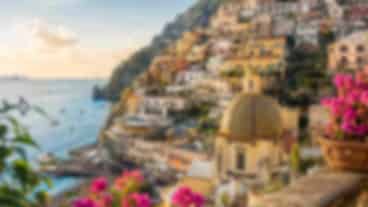
- Tenuta San Francesco (Amalfi Coast): Offers spectacular tours and tastings directly on the historic Amalfi coastal terraces.
- Villa Matilde: A deeply established Campania producer regularly ranked among the region’s absolute top winery visits.
What to try: Lacryma Christi, Aglianico, Fiano and Falanghina, paired with local Campanian dishes.
Wine tour price range: €32–€80 (₹3,520–₹8,800) per person.
Best for: Wine lovers combining vineyards with Pompeii, Vesuvius or the Amalfi Coast.
Tip: A 10-hour guided tour from Salerno lets you combine an Amalfi Coast vineyard visit with wine tasting on the volcanic slopes of Mount Vesuvius without renting a car.
6. Siena, Italy — Best for a Classic Tuscan Wine Experience
If you’re staying in Siena, you don’t have to travel far to explore some of the most scenic vineyards in Italy. The surrounding countryside is known for Chianti Classico, Brunello di Montalcino and Vino Nobile di Montepulciano.
A vineyard day from Siena lets you combine wine tasting with medieval villages, rolling hills and classic Tuscan landscapes.
Vineyards in Siena, Italy
- Castello di Albola: Walk through Chianti vineyards, explore the historic estate and taste Chianti Classico in a scenic Tuscan setting.
- Ciacci Piccolomini d’Aragona: Discover Brunello di Montalcino, tour the estate and enjoy a tasting surrounded by Montalcino’s rolling vineyards.
- Mastrojanni: Explore the Val d’Orcia countryside, visit the winery and taste Montalcino wines in a relaxed rural setting.
- Avignonesi: Walk among the vineyards near Montepulciano and enjoy wine tastings paired with views of the Tuscan countryside.
What to try: Chianti Classico, Brunello di Montalcino and Vino Nobile di Montepulciano.
Wine tour price range: €35–€90 (₹3,850–₹9,900) per person.
Best for: Couples, wine lovers and travellers looking for scenic vineyard day trips from Siena.
7. Naples, Italy — Add a Wine Day to Your Naples Trip
Naples has some of the best vineyards in Italy. Head towards Mount Vesuvius to explore volcanic vineyards, taste Lacryma Christi and enjoy local Campanian flavours. You can easily add a vineyard visit to a day covering Pompeii, Vesuvius or the Amalfi Coast, making it a convenient wine experience during your Naples trip.
Vineyards in Naples, Italy
- Sorrentino Vini: Walk through vineyards on the slopes of Mount Vesuvius, taste volcanic wines and pair them with local Campanian food.
- Villa Matilde: Discover Campania’s winemaking heritage through a winery visit, cellar experience and regional wine tasting.
- Vesuvius wineries: Experience vineyards shaped by volcanic soil, taste Lacryma Christi and enjoy views towards Mount Vesuvius.
What to try: Lacryma Christi, Falanghina, Aglianico and other volcanic wines from Campania.
Wine tour price range: €30–€55 (₹3,300–₹6,050) per person.
Best for: Couples, wine lovers and travellers combining Naples with Mount Vesuvius or Pompeii
Where to Go Based on Your Italy Itinerary
- Florence or Siena: Choose Tuscany for Chianti Classico and Brunello.
- Verona or Venice: Explore Valpolicella, Amarone and Prosecco.
- Turin or Milan: Head to Piedmont for Barolo and Barbaresco.
- Naples: Visit Mount Vesuvius for volcanic wines and Lacryma Christi.
- Catania or Taormina: Choose Mount Etna for dramatic volcanic vineyards.
Best Time to Explore Vineyards in Italy
The best time to explore vineyards in Italy is from September to October, especially if you want to see the grape harvest, enjoy fresh local wines and experience the countryside at its most lively. However, the ideal month depends on what you want from your vineyard trip.
September to October — Best for Harvest
September to October is the best time to explore vineyards in Italy if you want to experience vendemmia, the grape harvest season. Visit regions such as Tuscany, Piedmont and Veneto for vineyard tours, wine tastings and seasonal food.
May to June — Best for Green Vineyards
May and June offer lush green vineyards, pleasant weather and fewer crowds. It is ideal for vineyard walks, cycling, photography and outdoor wine tastings.
July to August — Best for Summer
July and August are great for long sunny days, outdoor tastings and countryside drives. However, temperatures can be high, and August is a busy holiday month, so book vineyard tours in advance.
October to November — Best for Autumn Views
October and early November bring colourful vineyards and beautiful autumn landscapes. It is a great time for photography, scenic road trips and combining wine tours with seasonal food experiences.
When Should You Visit Italian Vineyards?
| If you want… | Best time to visit |
| Grape harvest experience | September–October |
| Green vineyards | May–June |
| Warm summer days | July–August |
| Autumn colours | October–November |
| Scenic vineyard photography | May–June or October |
| First vineyard trip | September–October |
Tip: Harvest dates can vary depending on the region, grape variety and weather conditions.
How Much Does a Vineyard Visit in Italy Cost?
A vineyard visit in Italy can cost around €15–€100+ (₹1,635–₹10,900+) per person, depending on the type of experience.
| Vineyard experience | Approx. cost |
| Basic wine tasting | €15–€30 (₹1,635–₹3,270) |
| Vineyard & cellar tour with tasting | €25–€50 (₹2,725–₹5,450) |
| Wine tasting with local food | €40–€70 (₹4,360–₹7,630) |
| Premium or private wine tour | €70–€100+ (₹7,630–₹10,900+) |
Tip: Prices vary by region, winery and what is included. Private tours, premium wines and food-pairing experiences generally cost more.
If cost planning for the rest of your trip matters as much as the wine does, the Italy trip cost from India breakdown covers flights, hotels, and daily spending so you can budget a wine-focused day or two without derailing the overall trip.
Can You Work on a Vineyard in Italy?
Yes, travellers can experience vineyard life in Italy through farm-stay and volunteer programmes. During the vendemmia (grape harvest), some farms offer opportunities to help with activities such as grape picking and general farm work.
Platforms such as WWOOF, Workaway and HelpX connect travellers with participating farms and vineyards, particularly in regions such as Tuscany, Piedmont and Veneto. Depending on the arrangement, you may exchange a few hours of work each day for accommodation and, in some cases, meals.
Tip: Check the programme requirements, work hours, accommodation and visa rules before committing to a vineyard stay.
Essential Tips for Visiting Vineyards in Italy
- Book ahead: Popular vineyards in Italy can sell out, especially in September and October during harvest season.
- Choose the right region: Pick Tuscany for scenic countryside, Piedmont for Barolo and Barbaresco, or Veneto for Prosecco experiences.
- Plan transport: Many vineyards are in rural areas. Arrange a taxi, private transfer or guided tour instead of relying on public transport.
- Check the tour details: See whether your booking includes wine tastings, food, cellar tours or vineyard walks.
- Wear comfortable shoes: Vineyard visits often involve walking on uneven or gravel paths.
- Avoid driving after tastings: Use a transfer or organised tour if you plan to sample several wines.
- Dress for the season: Spring can be mild, summer can be hot, and autumn evenings may feel cool in the countryside.
- Allow enough time: Plan around 2–3 hours per winery rather than squeezing several visits into one day.
- Check age and ID requirements: Carry a valid ID, particularly if the winery has age restrictions for tastings.
- Book harvest experiences early: If you want to experience vendemmia, check the harvest dates and availability with the winery before your trip.
Conclusion: Choose the Right Vineyard Region in Italy
Choosing the right vineyards in Italy depends on your travel style and itinerary. Pick Chianti or Siena for classic Tuscan landscapes and Sangiovese wines. Choose Piedmont for Barolo, Barbaresco and food-focused experiences. Veneto works well with Verona or Venice, especially for Amarone and Valpolicella. For volcanic landscapes and something different, consider Etna or Campania. You can also combine two regions on a longer trip. A well-paced 6-night Italy itinerary gives you time to enjoy wine, food and countryside without rushing.
FAQs: Vineyards in Italy
1. What are the best vineyards in Italy to visit?
A: Some of the best vineyards in Italy include estates in Tuscany, Piedmont, Veneto, Sicily and Campania. Tuscany is known for Chianti and Brunello, Piedmont for Barolo and Barbaresco, Veneto for Amarone and Prosecco, Sicily for Etna wines, and Campania for Lacryma Christi.
2. Which region in Italy is best for vineyard tours?
A: Tuscany is a popular choice for vineyard tours, especially for first-time visitors. Piedmont is ideal for Barolo and Barbaresco, Veneto for Prosecco and Amarone, while Sicily and Campania offer distinctive volcanic wine experiences.
3. What is the best time to visit vineyards in Italy?
A: September and October are among the best months to visit vineyards in Italy, especially for the grape harvest or vendemmia. May and June are better for green vineyards, pleasant weather and outdoor experiences. Pasted markdown
4. How much does a vineyard tour in Italy cost?
A: A vineyard visit in Italy can cost around €15–€100+ (₹1,635–₹10,900+) per person. Basic tastings are generally cheaper, while private tours, premium wines and food-pairing experiences cost more. Pasted markdown
5. Do you need to book vineyard tours in Italy in advance?
A: Yes, advance booking is recommended, particularly during September and October. Many wineries do not accept walk-ins, and popular tasting experiences can sell out during the harvest season. Pasted markdown
6. Which Italian vineyards are best for first-time visitors?
A: Tuscany is a good choice for first-time visitors because it offers scenic countryside, organised tastings and famous wines such as Chianti Classico, Brunello di Montalcino and Vino Nobile di Montepulciano. Pasted markdown
7. What are the best vineyards near Florence?
A: The Chianti area between Florence and Siena is a popular choice for vineyard visits from Florence. Estates such as Castello di Albola and Castello Vicchiomaggio offer wine-tasting and vineyard experiences. Pasted markdown
8. Can you visit Italian vineyards by train or public transport?
A: Some vineyards can be reached from major cities, but many are located in rural areas with limited public transport. For remote wineries, a guided tour, taxi or private transfer is often more convenient. Pasted markdown
9. Can you stay at a vineyard in Italy?
A: Yes, some Italian vineyards offer overnight stays. For example, Mastrojanni in Tuscany combines wine experiences with accommodation. Farm-stay and volunteer programmes may also offer accommodation in exchange for farm work. Pasted markdown
10. Can you participate in the grape harvest in Italy?
A: Yes, some farms and vineyards offer travellers opportunities to experience the grape harvest, known as vendemmia. Depending on the programme, activities may include grape picking and general farm work. Pasted markdown
11. How many days do you need for an Italian vineyard trip?
A: A single day is enough for a vineyard day trip, while two to three days allow more time to explore a wine region. For a longer wine-focused holiday, you can combine regions such as Tuscany and Piedmont.
12. What should you wear to a vineyard tour in Italy?
A: Wear comfortable shoes and dress according to the season. Vineyard visits can involve walking on uneven or gravel paths, while autumn evenings in the countryside can be cool. Pasted markdown
13. Which Italian vineyards offer wine tasting and food experiences?
A: Many Italian vineyards combine wine tastings with regional food. In Piedmont, tastings can include local cheeses and specialities, while Campania offers wines paired with local dishes. Pasted markdown
14. When is grape harvest season in Italy?
A: Grape harvest season in Italy, known as vendemmia, generally takes place from September to October. The exact timing varies by region, grape variety and weather conditions. Pasted markdown
15. Does the Amalfi Coast have vineyards?
A: Yes, the Amalfi Coast has vineyards, particularly on its historic coastal terraces. Tenuta San Francesco in the Campania region offers vineyard tours and tastings along the Amalfi Coast. Pasted markdown
16. What is the biggest winery in Italy?
A: The provided guide does not identify a single winery as the biggest winery in Italy, so this question would need additional research before being answered accurately.

Recommended articles for you











Discover Packages



















Europe City Packages
Packages By Departure City
Packages By Theme
Packages By Duration
Europe Combo Packages
Europe Nearby Destinations

Need help in planning?
Talk to our Travel Experts