Best Time to See Northern Lights in Finland :Complete Lapland Aurora Guide
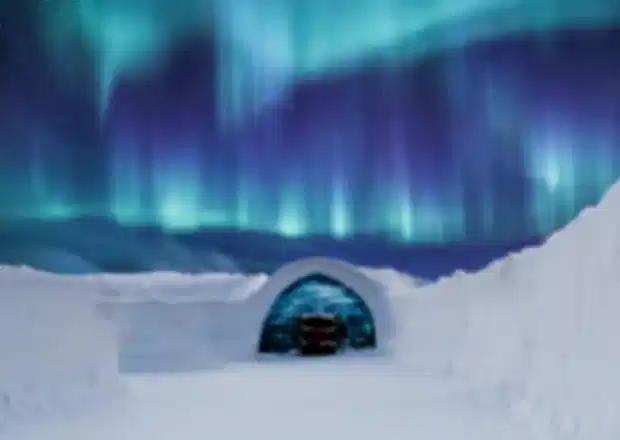
Seeing the aurora borealis is a bucket-list dream meant to be shared, but nothing breaks a traveller’s heart faster than coming all this way just to stare at an empty, cloudy sky. If you want to share this unforgettable moment with the people you love, the absolute best time to see the Northern Lights in Finland is between September and March.
While most families and couples flock to Lapland in the dead of winter, the autumn and spring equinoxes actually trigger the highest solar activity. For your best shot at clear skies and vibrant displays, book a Private Northern Lights Viewing in Finland during September to October or February to March, and make sure you are outside between 10:00 PM and 2:00 AM.
If you have ever fantasised about chasing emerald ribbons across the dark Arctic sky, here is your ultimate guide to the best time to see the Northern Lights in Finland, where to go, and how you can plan an experience that truly delivers.
Best Time to See the Northern Lights in Finland
In Finland, to see the aurora borealis, you mainly have the season between September and April, or when there are long nights, clear skies, and cold air, which combine to create the greatest viewing conditions.
However, to get the best possible odds, visit during either the autumn equinox or the spring equinox time period, that is, between mid-September and mid-October or between the end of February and the middle of March. These months statistically bring stronger geomagnetic activity, and 2026 adds another advantage: the peak of the solar maximum, meaning the Northern Lights in Finland 2026 will be especially vivid and frequent.
- Best times: 21.00-02.00 local time – the magical “aurora window”.
- Optimal trip length: Spend at least 3-5, better 5-7, days as the clear skies are not always evident. More nights = better odds.
Read more: Best Time to Visit Finland Guide
Northern Lights in Finland – Quick Planning Guide
| Travel Factor | Recommendation |
| Best Season | September – April (long Arctic nights) |
| Peak Months | Late September–October and February–March |
| Best Viewing Time | 9 PM – 2 AM |
| Ideal Trip Duration | 5–7 nights for higher chances of clear skies |
| Best Locations | Rovaniemi, Saariselkä, Inari, Utsjoki, Levi |
| Best Experience | Glass igloo stays or Private Northern Lights Viewing in Finland |
| Aurora Forecast Tools | NOAA KP Index, FMI Aurora Alerts, My Aurora Forecast app |
Why 2026 Is the Best Year for Northern Lights in Finland
There is a cycle of nature, and it 2026 is outstanding. As the solar maximum peaks, geomagnetic storms become stronger and more common. This implies even brighter auroras not only in Lapland but sometimes even at the southern latitudes.
It is your time to have that “bucket-list experience” you wanted. Numerous agencies of astronomy, such as the NOAA and the Finnish Meteorological Institute (FMI), forecast greater Kp indices during this season, which directly increases your chances of visibility.
Tips: Schedule the new moons and the low clouds to create more contrast in the sky.
Northern Lights Season in Finland: Month-by-Month Guide
The aurora borealis paints the skies over Finnish Lapland roughly 200 nights a year, but your experience will change dramatically depending on when you land. The weather, daylight hours, and cloud cover fluctuate constantly throughout the year. To help you time your Finaland Northern Lights adventure perfectly, here is exactly what to expect from month to month.
Autumn (September-October):
September and October are Lapland’s best-kept secrets. Around the September equinox, the Earth’s magnetic field aligns perfectly with the solar wind, triggering highly active and frequent solar storms. Because the lakes have not yet frozen over, you can witness the rare “double aurora”, where the green lights reflect beautifully across open water.
Early Winter & Holiday Rush (November – December)
By November, the snow arrives, and the sun barely peeks over the horizon, ushering in the famous polar night. It is the traditional season of the Northern Lights in Finland, as it is very dark, there are frozen forests, and there is a lot of snow in Lapland.
Early winter in Finland also brings heavy snowfall and thick cloud cover that can block your view for days. This period is also incredibly crowded and expensive due to the holiday travel rush, so you will be competing with thousands of tourists for prime viewing spots.
Deep Arctic Winter (January)
January brings bone-chilling temperatures, but the extreme cold actually works in your favour by clearing away the clouds. The freezing air creates crisp, perfectly dark night skies that make the green and pink ribbons pop with incredible contrast. During the day, you will see the landscape transformed into a surreal frozen world with trees heavy with thick ice sculptures.
The Spring Peak (February – March)
February and March represent the absolute sweet spot for an Arctic vacation. Similar to autumn, the March equinox causes a massive spike in geomagnetic activity, leading to some of the brightest displays of the year.
The winter snow is at its deepest, giving you perfect conditions for daytime skiing and dog-sledging, while the nights remain beautifully dark and clear. Because this is the most popular time for chasing the Northern Lights in Finland, scheduling a private snowmobile sledge tour is highly recommended to escape the growing spring crowds.
The Midnight Sun Off-Season (April – August)
By mid-April, the northern lights season officially comes to a close. As spring turns into summer, the nights get shorter until the “Midnight Sun” takes over completely, keeping Lapland bright 24 hours a day.
While Finland in summer is wonderful for hiking and picking wild berries under a sun that never sets, the sky simply never gets dark enough for the aurora borealis to be visible to the naked eye.
Best Places to See the Northern Lights in Finland
Choosing the right base camp in Lapland is just as important as picking the right month. To see the aurora borealis, you need to head north of the Arctic Circle to escape city light pollution. The further north you travel, the higher your chances of catching the display. Here are the absolute best places for the Northern Lights in Finland to guarantee an unforgettable view:
| Destination | Why It’s Special | Chance of Seeing Northern Lights | Best Season |
| Rovaniemi | Gateway to Lapland, family-friendly, easy tours, and Santa Claus Village charm. | Good | Late August–early April |
| Saariselkä | High latitude, reliable dark skies, and excellent aurora infrastructure. | Very Good | September–March |
| Inari & Nellim | Remote, culturally rich, and minimal light pollution — ideal for serious aurora chasers. | Excellent | September–April |
| Utsjoki | Finland’s northernmost town with long, dark nights and strong aurora activity. | Excellent | September–April |
| Kakslauttanen | Famous glass igloos offer a unique way to watch the Northern Lights from bed. | Very Good | September–April |
| Levi | Combines skiing, nightlife, activities, and Northern Lights tours for a well-rounded Lapland trip. | Good – Very Good | September–April |
Quick Tip: Helsinki and southern Finland hardly ever experience lights unless a huge solar storm strikes. To see it every time, go above the Arctic Circle.
How to Forecast and Track the Northern Lights in Finland
You do not need to rely on luck to see the aurora borealis in Finland. Modern technology allows you to track solar storms and cloud cover in real time. By learning how to read local aurora forecast, you can predict exactly when the sky will light up.
- Use tracking apps: My Aurora Forecast and local aurora apps provide activity alerts and viewing forecasts.
- Check the Kp Index: Kp 1–2 means low activity, Kp 3–4 offers better visibility, while Kp 5+ can produce stronger displays.
- Monitor cloud cover: Check Finnish weather forecasts and satellite maps to find clear skies before heading out.
- Check aurora activity: Use live space-weather and magnetometer data to track changes in geomagnetic activity.
- Move for clearer skies: Check windy cloud cover – clear skies are more important than high Kp values.
- Join a guided tour: Local Northern Lights guides can track weather and aurora activity and take you to the clearest viewing spots.
Pro tip: A combination of Kp ≥ 3, clear sky, and the appearance of the new moon will provide the most optimal chances of observing the auroras.
How to Plan Your Northern Lights Trip in Finland
3-Night Sprint
A brief excursion to Rovaniemi or Levi – evenings in an aurora hunt and days in reindeer ranches or on snowmobiles.
5-7 Night Adventure
Switch Saariselkä and Inari in case of different weather conditions. One night, discover the photos of your own; the next, go out that night with one of the local aurora guides.
10+ Day Immersion
Cover Rovaniemi – Saariselkä – Utsjoki, in search of the clearest skies. You will increase your odds as you visit the Arctic wilderness and the Sami culture.
Northern Lights Photography Tips for Finland
To capture Finland’s Northern Lights at their best, pack smart and shoot intentionally:
- Aperture: f/2.8–f/4
- ISO: 800–3200
- Shutter: 5–25 seconds
- Tripod + remote mandatory
- Manual focus to infinity
- Shoot in RAW for editing flexibility
Avoid full moons and city lights. Keep batteries warm – the Arctic cold drains them fast.
Essential Packing List for Finland’s Northern Lights Trip
- Thermal base layers, insulated outerwear, and snow boots
- Camera gear + backup batteries
- Headlamp with red light mode
- Hot thermos, gloves, face mask
- Power bank, emergency contacts, and offline maps
Remember: Lapland is stunning but unforgiving. Always check in with someone before venturing out at night.
Tips for Seeing Northern Lights in Finland
- Visit between September and April: Dark nights provide the best conditions for seeing the aurora.
- Stay away from city lights: Choose remote areas with low light pollution for clearer views.
- Check the weather first: Clear skies are essential, so monitor cloud cover before heading out.
- Track aurora activity: Use a reliable Northern Lights app or aurora forecast to check activity levels.
- Be patient: The aurora can appear suddenly and may disappear within minutes, so allow several hours for viewing.
- Go out between 9 PM and 2 AM: This is generally the best window for aurora spotting, although displays can occur earlier or later.
- Dress for sub-zero temperatures: Wear thermal layers, insulated boots, gloves and a warm hat, especially when waiting outdoors.
- Give your eyes time to adjust: Spend 15–20 minutes away from bright screens and artificial lights to improve night vision.
- Consider a guided tour: Local guides can take you away from cloudy areas and help track changing aurora conditions.
- Keep your camera ready: Use a tripod and manual settings to capture faint auroras that may be difficult to see clearly with the naked eye.
Conclusion: Why Northern Lights in Finland 2026 Are Unmissable
The Northern Lights in Finland are not just a sight but an emotion. With solar peak intensity, uninterrupted Arctic silence, and the commitment that Finland has made to eco-tourism, it is the absolute best year to see the light orchestrated by nature in its purest form. Whether you are running after them on the frozen lakes of Inari or lying down under a glass igloo at Kakslauttala, every time you go out to see the aurora, it is like the universe is giving you a concert.
When you are set to make that dream come true, choosing the right Northern Lights tour packages ensures you don’t miss a single moment of the magic. Booking during the best time to see the Northern Lights in Finland guarantees that your nights are perfectly dark and clear for the ultimate show. With customisable Finland tour packages from Pickyourtrail, you get a seamless combination of adventure and comfort. In Lapland, your curated itinerary includes a luxury glass igloo stay, an expert-led tour to hunt the Northern Lights, and all airport transfers.
FAQs
October to March are among the best months to see the Northern Lights in Finland. September and March are particularly favourable because the equinox periods can bring stronger geomagnetic activity.
It is possible but rare. For much better chances, travel north to Lapland, particularly destinations such as Rovaniemi, Saariselkä, Inari or Utsjoki.
Stay for at least 3–5 nights, but 5–7 nights gives you better chances because clouds and weather can prevent sightings on individual nights.
A Kp index of 3 or higher can provide good aurora visibility in Finnish Lapland. Southern Finland generally requires stronger geomagnetic activity.
The strongest viewing opportunity is generally between 9 PM and 2 AM. The exact timing varies with geomagnetic activity, location, cloud cover and the season.
Yes. Finland offers guided Northern Lights tours, including aurora hunts, photography tours, snowmobile trips and other Arctic experiences. Local guides can also help find areas with clearer skies.
2026 falls close to the period of heightened solar activity around the current solar maximum, which can produce strong auroras. However, solar activity varies, so clear skies and darkness remain essential for viewing.
Inari, Utsjoki and Nellim are excellent for dark skies and low light pollution, while Rovaniemi and Levi offer easier access to tours, activities and accommodation.
Both are excellent destinations. Northern Finland offers dark Arctic skies, easy access to Lapland activities and many dedicated aurora resorts. Norway offers dramatic coastal and mountain landscapes, so the better choice depends on whether you prioritise aurora viewing or scenery and activities.
Yes. Finnish Lapland is one of Europe’s best regions for Northern Lights viewing because of its long, dark winter nights, low light pollution and location within the auroral zone.
March is one of the best all-round months for Lapland. You get long, dark evenings for Northern Lights viewing while still having plenty of snow for activities such as skiing, husky rides and snowmobiling.
Yes, the Northern Lights can be visible in Finland in 2026, particularly from September to April. Visibility depends on darkness, cloud cover and geomagnetic activity, so sightings cannot be guaranteed on a specific night.
The main viewing season in 2027 will be September to early April. For stronger viewing opportunities, consider late September–October or February–March, when equinox periods can favour increased geomagnetic activity.
Yes. November has long, dark nights and is within the Northern Lights season. However, snowfall and cloud cover can sometimes reduce visibility, so staying several nights improves your chances.
Yes. December offers very long nights, snow-covered landscapes and excellent darkness for aurora viewing. However, Christmas is a busy and expensive period in Lapland, and cloudy weather can occasionally block the display.
Utsjoki, Inari and Nellim are among the strongest choices because of their northern location and low light pollution. Saariselkä is another excellent option, while Rovaniemi is better for travellers who want easy access to tours and family attractions.
A 3-night trip can work, but 5–7 nights is recommended for better chances. A longer stay gives you more opportunities to wait for clear skies and strong aurora activity.

Recommended articles for you


Discover Packages


















Europe City Packages
Packages By Departure City
Packages By Theme
Packages By Duration
Europe Combo Packages
Europe Nearby Destinations