
Snowmobiling in Arctic Norway : Best Tours, Routes, Seasons & Safety Guide
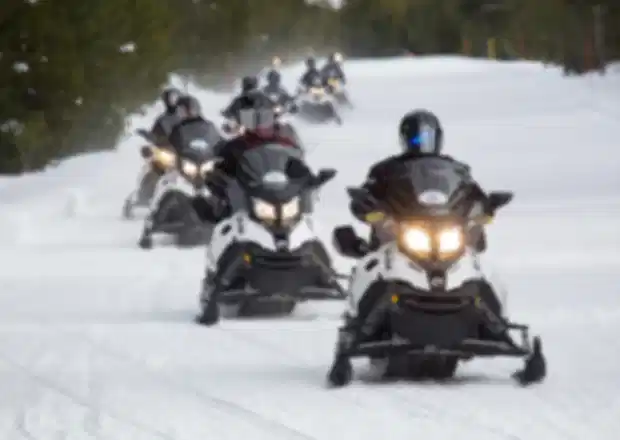
The snowmobiling in Arctic Norway is something wild and rough without compromising, something that re-tunes the perception of winter, darkness, and the magnitude of nature. It is more than a ride; it is a highly realistic experience set on snow-blasted plateaus and fjords carved by sea spray, it is a descent into a savage, awe-inspiring, and breathtaking Arctic landscape.
Who Should Try Snowmobiling in Arctic Norway: Beginners to Expedition Travellers
- Beginners in need of an aurora snowmobile tour guided by professionals.
- Skilled mountaineers intending to spend the night in the tundra or on a glacier.
- Expedition planners, travel curators or high-expectation clients that require logistics, safety, and storytelling to be nailed.
Snowmobile Tour Durations in Norway: Half-Day, Full-Day & Multi-Day Options
- Half-day / full-day: best for entry-level.
- 2-3 days: real immersion.
- Multi-day: those who seek a remote land and an authentic adventure feel.
Snowmobiling Difficulty Levels: Beginner Trails to Advanced Arctic Expeditions
- Groomed and coastal paths = easy going.
- Tundra/mountain loops – intermediate.
- Glacier / full expedition = advanced/expert level.
Best Snowmobiling Destinations in Arctic Norway (Finnmark, Tromsø & Svalbard)
- Finnmark: Alta, Kirkenes, Hammerfest, interminable tundra, great distances.
- Tromso region: paved paths, ground plateaus, mountain routes.
- Svalbard: Arctic frontiers, polar bear, strictly regulated.
Best Time to Go Snowmobiling in Arctic Norway: Weather, Seasons & Daylight Guide
The snowmobiling experience of Arctic Norway is strongly influenced by the season. Late September through early April is the most important period in the life of snowmobiling of the aurora, and the best time is between November and March. This is in case the snow is deep, the skies are dark, and operators are in true swing.
Month-by-Month Snowmobiling Conditions in Arctic Norway
- October: The first snows inland, although coastal areas may be wet and volatile. Silent season and early northern lights.
- November: Season ramps up. The temperatures fall (especially in Svalbard, frequently −7°C to −15°C) and operators start working in full.
- December-February: Deep winter. Deep snow, high probability of the aurora, and long nights. Book well in advance.
- March: Light returns. Snowmobiling is quicker, the land is in the open, and still the auroras.
- April: Transition time. Sticky seawater snow, disappearing auroras, and fewer guided tours.
Tip: Check the aurora apps (NOAA, Aurora Service, My Aurora Forecast) – when the sky is clear and darker, the better chance you have at seeing the lights.
Where to Go Snowmobiling: Regional Breakdown & Logistics
Snowmobiling in Finnmark (Alta, Kirkenes, Hammerfest)
- Large expanses of tundra and river valleys are ideal for long traverses.
- Approach: Fly regional (Alta, Kirkenes, Hammerfest), change (30-120 mins).
- Long distances: Fuel, resupply, and logistics are actual; coordinate with your operator.
Snowmobiling in Tromsø & Surrounding Mountains
- Set up base in Tromso to combine part groomed coastal plateau trails and more demanding inland landscape.
- Available easily: Tromso Airport is well connected; regional transfers are widespread.
- Perfect either as a day tour (to be a beginner) or a multi-day lodge based adventure.
Snowmobiling in Svalbard (Longyearbyen & Beyond)
- Strictly guided. Trodden paths, permits, and polar bear rules.
- Your only in/out gateway is Longyearbyen.
- Itineraries will be tightly planned, safety gear will be complete, and the communications will be satellite or PLB.
Sample Snowmobiling Itineraries in Arctic Norway
| Itinerary Type | Region | Distance / Terrain | Difficulty | Highlights |
| Half-day Aurora Safari | Tromsø coastal plateau | Short | Beginner | Northern Lights, rugged fjord views |
| Full-day Loop | Finnmark (Alta) | Medium | Intermediate | Big tundra vistas, rivers, photo stops |
| 2–3 Day Lodge-Based | Troms inland / Lyngen Alps | 100–200 km | Intermediate–Advanced | Night rides, wild landscapes, cosy huts |
| Multi-Day Expedition | Remote Finnmark / Tundra | 200+ km | Advanced | Extreme remoteness, a real expedition feel, deep silence |
Itineraries often include shuttle pick-up, training, guide-led rides, shelter breaks, and shuttle-out.
Essential Snowmobiling Safety Tips, Permits & Arctic Riding Protocols
In the Arctic, snowmobiling is a serious matter, and it is not a matter of risk.
- Avalanche risk: They allow guides to make lines according to recent bulletins.
- Gel-ice and sea-ice: Frozen fjords may be misleading; professional operators evaluate and cancel as necessary.
- Weather: It can be whiteouts and winds that are good; operators are adaptable.
- Terrain traps: Sastrugi, overhangs, concealed cracks in glaciers – then only with experts in that field.
Rules & permits:
- On Svalbard, without a licensed guide much of the region is closed. The safety of polar bears cannot be compromised.
- In Norway (mainland), there are differing rules depending on the municipality. Only reputable, authorised operators should be used.
- Insurance: Make sure that your travel policy includes snowmobiling. Ask the operator about his risk coverage.
- Emergency comms: Pack a PLB / satellite phone, unless one is provided by your operator.
Field protocol:
- Witness the safety briefing of the pre-tour.
- Be aware of fallback shelters, and never ride outside the guides.
- First-aid: Hypothermia is severe. Make sure that your guide has an appropriate kit.
- Carry a spare set of batteries and a multi-tool, where permitted.
What to Wear for Snowmobiling in Arctic Norway: Gear & Packing Checklist
- Layers: moisture-wicking base, insulating middle-layer, waterproof outer.
- Ensure with your operator what equipment they offer: over-suit, boots, helmet, and gloves.
- Cameras: bring a tripod, put warm clothes inside the pockets of extra batteries.
- Emergency gear: PLB / sat-messenger, rescue kit, multi-tool.
- On a self-directed trip (when permitted): keep spare spark plugs or drive belt.
How to Choose a Trusted Snowmobile Tour Operator in Norway
- Ask for written safety briefings, guide-to-client ratios, and fuel-resupply plans.
- Make sure cancellation policy, in particular weather.
- Request that they see GPX tracks or drawn-up maps, good operators will supply.
- Need things to be transferred, accommodations, logistics, etc. Pickyourtrail is a curator that will take care of everything.
Conclusion: Why Snowmobiling in Arctic Norway Is a Must-Do Winter Adventure
In snowmobiling in Arctic Norway, it is not a tour, it is a crash into the world of wild winter. You are either out to see the aurora borealis, traverse tundra loops, or go on a multi-day journey; it is an adventure that requires preparation, respect, and the right partners.
To ease your stay, you can go on curated tours by Pickyourtrail: with their Norway Adventure Packages, you can do snowmobiling, Northern Lights sightseeing, and stay in the Arctic. To go a bit more luxurious, their Luxury Norway Packages include high-comfort accommodation and high-quality transport, and their customised Arctic tours also include snowmobiling as part of their activity.
FAQ’s: Snowmobiling in Arctic Norway
Do I need a license to drive a snowmobile in Arctic Norway?
Guided tours do not have to have any special international license. Most operators require a regular driving license in case you are driving. In the majority of the guest rides, no additional license is required, and training is provided by the guides.
When is the best time for Northern Lights snowmobiling in Norway?
The window is late September to early April, but the best months are November through March, with deep snow, long nights, and high chances of the aurora.
Can I snowmobile independently in Svalbard?
Rarely. There are strict rules, polar-bear safety and permit regulations, and almost all snowmobiling on Svalbard should be guided.
Are snowmobile tours very expensive?
The cost is also very diverse: short half-day rides cost less; multi-day lodging-based or backcountry expedition rides are more expensive. Always inquire about gear, fuel and transfers.
What safety measures do guides take for avalanche risk?
Good operators have beacons, probes, shovels, and refer to local avalanche bulletins and/or always plan an escape route.
Is snowmobiling suitable for beginners?
Yes. A lot of operators are beginner-friendly, with coastal tours or groomed tours. And you will receive training, protective equipment, and encouragement.
What communication/emergency gear should I carry?
At least a fully charged cell phone. In the case of remote rides, a PLB or satellite communicator is required. Check with your operator what he gives you compared to what you ought to carry.
How far in advance should I book?
To have the peak season (December-March), reserve months beforehand. Book through one of the curated services, such as Pickyourtrail and reserve hotels, rides and transfers.
What’s the cancellation policy like?
Depends on the operator. Request clarification: How do they deal with weather cancellations, reschedules or no shows? The best ones have transparent policies and refunds or credits sometimes.
How do I pick a trusted snowmobile tour operator?
Look for:
Written safety protocols
Natural guide to client ratios.
GPX / route planning effectiveness.
Good insurance coverage
Good reviews and experience in snowmobiling on the Arctic.

Recommended articles for you

Discover Packages












Europe City Packages
Packages By Departure City
Packages By Theme
Packages By Duration
Europe Combo Packages
Europe Nearby Destinations

Need help in planning?
Talk to our Travel Experts