
Tea Plantation, Sri Lanka: Best Estates, Tours & Experiences
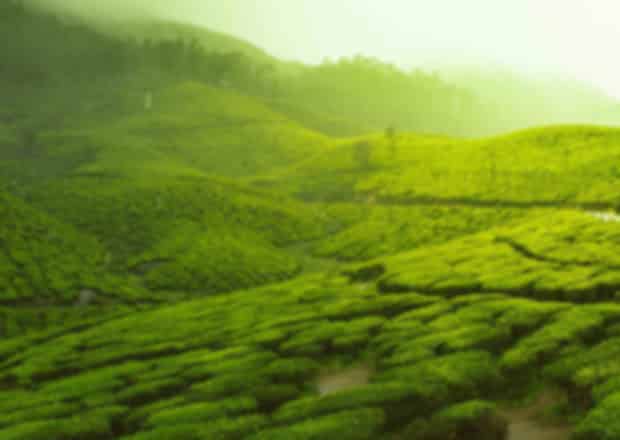
You see those endless green hills in almost every picture of Sri Lanka, but what’s actually happening inside them? They’re not just pretty landscapes. They’re working tea estates where fresh leaves are picked, processed and turned into the Ceylon tea the country is famous for. A tea plantation, Sri Lanka visit lets you see that process for yourself, with estate walks, factory tours and tea tastings along the way. It’s a great addition to your Sri Lanka tour package if you want to experience something beyond beaches and city sightseeing. Nuwara Eliya, Ella, Kandy and Hatton each have their own style, so choosing the right one matters. This guide covers where to go, what to experience, costs, tours, stays, the best time to visit and practical tips.
Read more: Sri Lanka travel guide
Key Takeaways
- Sri Lanka’s hill country is the heart of Ceylon tea. Visit working estates around Nuwara Eliya, Kandy and Hatton, with Ella as a scenic base for tea-country views and walks.
- Plan 2–4 days to explore the tea country without rushing. December to April is generally good, with January to March offering clearer skies in Nuwara Eliya and Hatton.
- Basic estate tours with tastings start at around ₹700–₹1,200 (LKR 2,400–4,000) per person. Full-day guided experiences can cost ₹2,000+ (LKR 6,000+).
- Tea-estate stays range from around ₹10,000–₹20,000 (LKR 35,000–70,000) per night, while top-end properties can reach ₹35,000–₹40,000+ (LKR 105,000–120,000+).
- In 2026, the scenic hill-country train journey typically runs from Nanu Oya to Ella, with a road transfer from Kandy or Nuwara Eliya. Book reserved seats early during busy periods.
- Choose Nuwara Eliya for tea heritage, Ella for scenic walks and Hatton for a peaceful luxury stay.
Why Visit a Tea Plantation in Sri Lanka?
A tea plantation tour in Sri Lanka is not just about sightseeing; it’s an immersive cultural, historical, and sensory experience. The country’s tea heritage dates back to the British colonial era, and today it remains one of the largest tea exporters in the world.
This is also why most well-curated Sri Lanka trip packages include the hill country as a core experience, offering travellers a refreshing contrast to beaches and cities, and a deeper connection with the island’s heritage.
What Makes Sri Lanka’s Tea Plantations Special?
- Authentic cultural experience: Watch tea pluckers skillfully handpick leaves using age-old techniques
- Scenic landscapes: Endless rolling hills covered in lush greenery
- Factory insights: Understand the complete tea-making process
- Tea tasting sessions: Discover different grades, aromas, and flavours
- Slow travel appeal: Perfect for unwinding and reconnecting with nature
Most Sri Lanka itineraries miss the right flow of these regions. A customised plan ensures you experience the hill country seamlessly, without rushing.
Best Tea Plantation Regions in Sri Lanka
Sri Lanka has seven recognised tea-growing regions, but travellers often focus on the hill-country areas around Nuwara Eliya, Kandy, Hatton and Ella. Each offers a different experience, from classic tea factories and estate walks to scenic trails and luxury stays.
1. Nuwara Eliya – The Heart of Ceylon Tea

Known as “Little England,” tea plantations in Nuwara Eliya are the most iconic. Located at a high altitude with a cool climate, this region produces some of the finest and most sought-after tea in the world.
Top experiences:
- Guided factory tour at Pedro Tea Estate
- Stay inside a converted tea factory for a fully immersive experience
- Traditional high tea overlooking the plantations
Best time: December to April for the clearest views.
Approx. cost: Factory tours from ~₹300–500 (LKR 1,000–1,700) per person; a converted-factory stay runs ~₹8,000–15,000 (LKR 27,500–51,500) per night.
Why visit: For the most authentic, well-rounded tea experience in Sri Lanka.
2. Ella – Scenic Tea Trails & Slow Travel
This is the favourite among modern travellers and content creators, offering some of the most picturesque tea plantations in Ella, Sri Lanka, along with its laid-back hill country charm.
What to do:
- Walk through tea estates near the Nine Arch Bridge
- Take the iconic Kandy-to-Ella train ride
- Combine tea trails with hikes like Little Adam’s Peak
Best time: December to April, though the misty look in October–November is popular with photographers.
Approx. cost: Guided walks from ~₹500–1,000 (LKR 1,700–3,400); guesthouse stays from ~₹2,000–4,000 (LKR 6,900–13,800) per night.
Why visit: Ella is less about factories and more about experiencing tea country through scenic walks, viewpoints and relaxed exploration.
3. Kandy – Gateway to Tea Country

Kandy is a convenient gateway to Sri Lanka’s tea country, making it a popular starting point for travellers exploring the region. It offers a mix of accessibility, cultural richness, and introductory tea experiences.
Highlights:
- Visit the Tea Museum to understand tea history
- Explore nearby tea factories
- Combine with cultural landmarks and temples
Best time: Year-round, with December to April the most reliably dry.
Approx. cost: Tea Museum entry from ~₹200–400 (LKR 700–1,400).
Why visit: A quick, informative introduction to Sri Lanka’s tea industry before you go further into the hills.
4. Hatton – Luxury Tea Trails Experience
Hatton is known for its beautiful tea estates and peaceful hill-country setting. It is also home to luxury stays where you can sleep in restored planter bungalows surrounded by working tea fields.
What makes it unique:
- Stay in colonial-era bungalows within tea estates
- Enjoy personalised butler service
- Experience curated tea tastings and private estate walks
Here, time slows down, afternoons are for tea, views, and quiet luxury.
Best time: December to April for the best weather and clearest estate views.
Approx. cost: ₹35,000–40,000+ (LKR 120,000–137,500+) per night for a Ceylon Tea Trails-style stay.
Why visit: The natural choice for honeymooners and premium travellers.
Nuwara Eliya vs Ella vs Hatton: Which Tea Region Is Best?
Each tea-growing destination has its own charm. Nuwara Eliya is best known for its tea heritage and classic estates, while Ella combines tea-country scenery with easy walks and outdoor experiences. Hatton is a great pick for estate stays, peaceful surroundings and a more luxurious tea experience.
| Destination | Best For | Experience Style |
| Nuwara Eliya | Authentic tea lovers | Factory tours & heritage |
| Ella | Scenic travellers | Walks, views & slow travel |
| Hatton | Luxury seekers | Private estates & curated stays |
What to Expect on a Sri Lanka Tea Plantation Tour
A tea plantation visit is usually relaxed and hands-on. You’ll see how tea is grown, processed and prepared, with plenty of time to enjoy the surrounding hills.
- Guided walks through plantations
- Tea plucking demonstrations
- Factory visits (withering → rolling → oxidation → drying → grading)
- Tea tasting sessions
- Optional plantation stays
How to Get to Sri Lanka’s Tea Country
Kandy is a major starting point for exploring Sri Lanka’s hill country by train. It is well connected to Colombo and serves as a convenient gateway to the tea-growing regions.
| Route | Mode | Approx. Time |
| Colombo → Kandy | Train or private transfer | 2.5–3.5 hours |
| Kandy → Nuwara Eliya | Private transfer | 2.5–3 hours |
| Kandy → Ella (via train) | Train (scenic route, typically via Nanu Oya in 2026) | 6–7 hours |
| Nuwara Eliya → Ella | Private transfer or train | 2.5–4 hours |
For India-to-Sri Lanka flight routes and visa details, see our guide on how to reach Sri Lanka from India.
How Much Does a Sri Lanka Tea Plantation Tour Cost?
The cost depends on how you choose to explore the tea country. A simple factory visit is much cheaper than staying inside a tea estate. Here’s a quick guide to help you plan your budget.
| Tier | What’s Included | Approx. Cost per Night (INR) | Approx. Cost per Night (LKR) |
| Budget (Ella/Kandy) | Guesthouse stay, self‑guided walks, day tours | ₹2,000 – ₹4,000 | LKR 6,900 – 13,800 |
| Mid‑range (Nuwara Eliya) | Boutique plantation stay, guided estate visits | ₹8,000 – ₹15,000 | LKR 27,500 – 51,500 |
| Luxury (Hatton) | Private estate stays, curated tastings, butler service | ₹35,000 – ₹40,000+ | LKR 120,000 – 137,500+ |
Best Tea Plantation Companies in Sri Lanka
For a deeper look at the industry behind your cup, here are some of the country’s most recognised tea producers:
- Dilmah Tea — one of Sri Lanka’s best-known global tea brands, with estate experiences open to visitors
- Lipton Tea — associated with historic estates and the famous Lipton’s Seat viewpoint near Haputale
- Pedro Estate — a working Nuwara Eliya estate known for accessible, informative factory tours
- Mackwoods Plantations — a long-established plantation group with visitor-friendly tea centres
- Bogawantalawa Tea Estates — associated with the Ceylon Tea Trails luxury bungalow experience in Hatton
These companies play a major role in maintaining Sri Lanka’s global reputation for high-quality tea, and visiting their estates is often the most direct way to understand the industry.
3–4 Day Sri Lanka Tea Plantation Itinerary
You can cover the main tea-growing areas in a few days without packing too much into each day. This route combines tea estates, scenic train travel and relaxed hill-country stops. It also gives you enough time to enjoy each destination instead of simply travelling from one place to another.
- Day 1: Kandy → Visit the Ceylon Tea Museum and explore a nearby tea estate or factory.
- Day 2: Kandy to Nuwara Eliya → Travel into the hills, visit a tea estate and stay overnight among the plantations.
- Day 3: Nuwara Eliya to Ella → Travel to Nanu Oya and take the scenic train to Ella. Spend the evening exploring the town or nearby tea fields.
- Day 4: Ella or Hatton → Enjoy a morning tea walk in Ella, or extend your trip to Hatton for a luxury tea-estate stay.
What to Pack for Sri Lanka’s Tea Country
Sri Lanka’s hill country runs noticeably cooler than the coast, especially in the early morning and evening.
- A light jacket or fleece for Nuwara Eliya’s cooler evenings.
- Comfortable walking shoes for estate paths and hikes.
- A light rain layer, since hill weather can shift quickly.
- Layers you can add or remove through the day as you move between altitudes
Tips for Visiting a Tea Plantation in Sri Lanka
A little planning can make your tea plantation visit much easier. Keep these simple tips in mind before you head into the hills.
- Go in the morning: The weather is usually cooler, and you may get clearer views of the tea fields.
- Take a rain layer: Hill-country weather can change quickly, even during the drier months.
- Check tour timings: Some tea factories have fixed visiting hours, so confirm before you arrive.
- Ask before taking photos: Be respectful when photographing tea workers.
- Keep some cash: Smaller estates and local tea shops may not accept cards.
- Try a tea tasting: It is a simple way to compare different Ceylon tea varieties and find a flavour you like.
- Leave time for the views: Do not rush through the estate. Some of the best moments are simply walking among the tea fields.
Final Thoughts: Experience the Best Tea Plantations in Sri Lanka
A visit to a tea plantation, Sri Lanka is not just a mere tour; it’s an exploration of the island’s heritage, scenery, and essence. From the refined elegance of Nuwara Eliya to the scenic calm of Ella and the indulgent luxury of Hatton, each destination offers something truly unique.
If you’re planning your Sri Lanka trip, make sure your itinerary includes at least 2–3 hill country destinations to truly experience its tea culture. Because here, every cup of tea tells a story, and the best way to understand it is to walk through the fields where it begins.
FAQs
1. Is it worth visiting a tea plantation in Sri Lanka?
Yes, visiting a tea plantation in Sri Lanka is worth it for the scenery, tea tastings, estate walks, and factory experiences. It is also a great way to see how Ceylon tea is produced.
2. Which is the best tea plantation in Sri Lanka for visitors?
The best tea plantation in Sri Lanka depends on the experience you want. Nuwara Eliya is ideal for classic estates and factory tours, while Hatton suits travellers looking for peaceful luxury stays.
3. Where can you visit tea plantations in Sri Lanka?
The main tea-growing areas include Nuwara Eliya, Kandy, Hatton, and Ella. Nuwara Eliya tea plantations are particularly popular for their cool climate, scenic estates, and tea-making experiences.
4. Can you stay at a tea plantation in Sri Lanka?
Yes, some estates offer plantation stays in restored bungalows, converted tea factories, and luxury properties. Staying overnight lets you enjoy the tea-country scenery at a slower pace.
5. What is the most famous tea in Sri Lanka?
Ceylon tea is the most famous tea from Sri Lanka and is recognised for its distinctive flavour and aroma. Its taste varies depending on the region, altitude, and way the leaves are processed.
6. What is the biggest tea factory in Sri Lanka?
Sri Lanka has several large and well-known tea factories, but factory size is not usually the main reason travellers visit one. For visitors, a factory with a good tour and tasting experience can be more useful than simply choosing the biggest one.
7. How much does tea cost in Sri Lanka?
Tea prices in Sri Lanka vary by type, quality, brand, and packaging. Local tea bought from estates or factory shops can be affordable, while premium Ceylon teas and speciality varieties cost considerably more.
8. What is the most expensive tea in Sri Lanka?
The most expensive teas are generally premium or speciality Ceylon teas produced in limited quantities. Their price depends on the leaf quality, production method, rarity, and presentation.
9. How long does a tea plantation tour in Sri Lanka take?
A typical tea plantation tour in Sri Lanka takes around 2–3 hours. This usually gives you enough time for an estate walk, factory visit, and tea tasting without making the experience feel rushed.
10. What can you do at a tea plantation in Sri Lanka?
A tea plantation visit can include walking through tea fields, watching tea plucking, touring a factory, and tasting different teas. Some estates also offer meals, guided walks, or overnight stays.
11. Can you buy Ceylon tea directly from a tea plantation?
Yes, many plantations and tea factories have shops where visitors can buy Ceylon tea. It is a convenient way to take home teas from the region you explored.
12. Are tea plantations in Sri Lanka open to tourists?
Many visitor-friendly estates and factories welcome tourists, but opening hours and tour arrangements differ. It is best to check in advance, especially if you are visiting a smaller or working estate.
13. Is Nuwara Eliya better than Ella for tea plantations?
Nuwara Eliya is better for travellers focused on tea heritage, factories, and classic estates. Ella is a better choice if you prefer scenic tea walks, viewpoints, and a relaxed hill-country atmosphere.
14. What is a tea plantation hotel in Sri Lanka like?
A tea plantation hotel in Sri Lanka is often set inside a former planter bungalow, estate house, or converted tea property. These stays combine mountain views, plantation surroundings, local food, and a peaceful atmosphere.
15. Do you need a guide for visiting tea plantations in Sri Lanka?
You do not always need a guide, but one can make the visit more informative. A guided tour can explain tea cultivation, factory processes, local history, and the differences between Ceylon tea varieties.

Recommended articles for you










Discover Packages



















Sri lanka City Packages
Packages By Departure City
Packages By Theme

Need help in planning?
Talk to our Travel Experts