

- Home
- Attractions
- Chiang Mai
- Wat Phra That Doi Suthep Chiang Mai Guide: Tickets, Highlights & Visiting Tips
Wat Phra That Doi Suthep Chiang Mai Guide: Tickets, Highlights & Visiting Tips
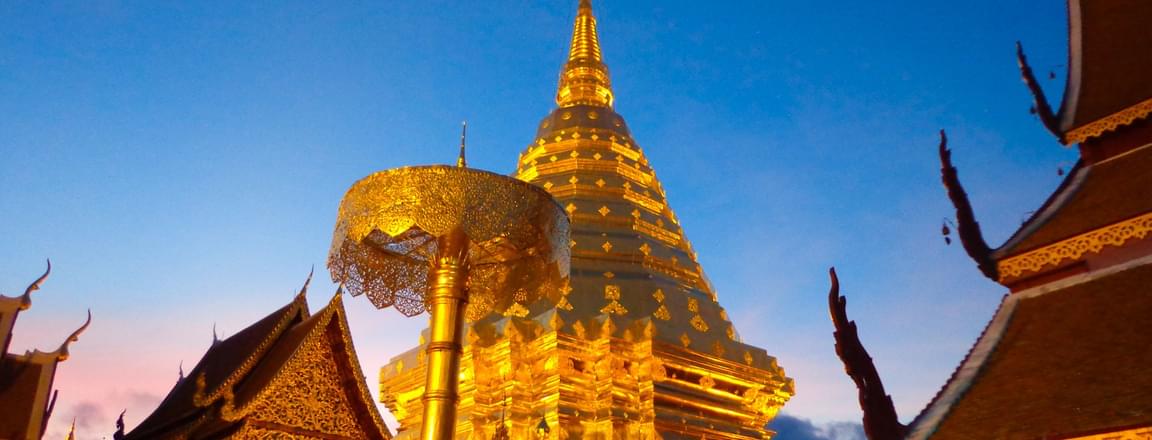
Standing on the Doi Suthep mountain and looking over the city, the Wat Phra That Doi Suthep temple is one of the best places to visit in Chiang Mai. It has an interesting combination of the holy, the old, the rich culture and the wonderful views of the entire city. The whole trip to Wat Phra That Doi Suthep will open you up to a more intense experience of the traditional and scenic pilgrimage, starting from the long, elegantly designed Naga staircase, followed by the chedi, whose radiance and gold colour are striking.
A visit to the temple will be an open invitation to everyone who wishes to discover the spiritual, the architectural, or the natural aspects of the temple and its surroundings. This temple site will probably remain your favourite one in Northern Thailand. The guide will offer complete details about your visit planning, including what to see, things to do, prices of tickets, the best time for a visit, routes to take, attractions close by, and useful tips for an enjoyable experience.
About Wat Phra That Doi Suthep
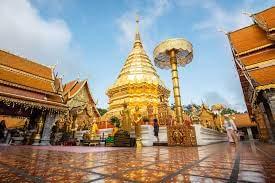
Wat Phra That Doi Suthep is a sacred place for Theravada Buddhists, situated on top of Doi Suthep mountain, which is the highest point near Chiang Mai city. The temple is believed to have been built in the 14th century and has gradually become Northern Thailand's most widely visited spiritual site. The temple’s architecture exhibits the styles of the Lanna Kingdom at its height, among which elaborate multi-tiered roofs, intricate carvings, and gilt-inlay could be mentioned. Wat Phra That Doi Suthep lies around 15 km west of the city of Chiang Mai, at a height of over 1,000 metres. The journey to the top of the mountain through the picturesque and well-groomed forest roads, as well as the viewpoints, is an intricate part of the experience. The very location of the temple gives visitors a 360-degree view of the entire city of Chiang Mai, thus making it a great place for sunrise and sunset photoshoots.
The temple's unique characteristic is the mingling of the spiritual facet with the vibrant energy of the visitors. In the early morning, the monks in gold robes chant prayers in a ritualistic manner, while the day sees the believers and tourists strolling through the temple grounds, ringing the bells for blessings and walking around the main chedi as a part of their worship. Additionally, the presence of holy shrines, prayer spots, and serene meditation areas, among others, makes the visit even more enjoyable.
Fun Fact: The majestic staircase of the temple, which is on either side guarded by the Naga serpent, is the symbol of man's ascent from the physical towards the spiritual — thus the climb is of both figurative and literal significance.
Seasonal Tip: When you pay a visit during the dry season (November–February), you will not only have the advantage of nice weather but also that of the highest visibility, thereby improving both the comfort level and the quality of the panoramic views.
Highlights of Wat Phra That Doi Suthep
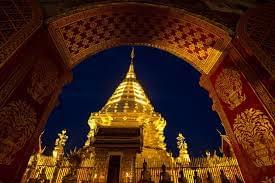
- Golden Chedi: A brilliant centre of attraction that contains sacred objects.
- Naga Staircase: An impressive staircase with snake protectors ascending to the shrine.
- Panoramic City Views: Amazing views of Chiang Mai from the top of the hill.
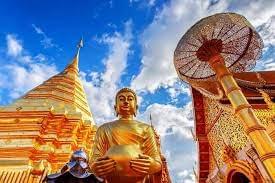
- Shrines & Statues: Different places for Buddha and symbols to reflect on.
- Bell Towers & Prayer Areas: Active and colourful spiritual practices and ceremonies.
- Museum & Cultural Exhibits: Knowledge about the long past of the temple and its religious artefacts.
No matter if you seek spirituality, culture, or great views, the temple is capable of offering unforgettable experiences with its diverse parts and will surely reward you.
Wat Phra That Doi Suthep Details & Nearby Attractions
Location: Doi Suthep, Mueang Chiang Mai District, Chiang Mai Province, Thailand
Suggested Duration: 3–5 hours (more if combined with other sites or trekking)
Nearby Attractions & Day Trips
- Wat Phra That Doi Pui: Another scenic temple and a local Hmong village area near the main site.
- Huay Kaew Waterfall: A refreshing natural stop below the temple on the way down.
- Bhubing Royal Palace & Gardens: Royal residence with beautifully landscaped grounds.
- Monk’s Trail & Wat Pha Lat: A scenic hiking route and peaceful forest temple on the mountainside.
- Doi Suthep-Pui National Park: Broader nature trails and picnic spots.
Day-Trip Tip: Combine your temple visit with an early Monk’s Trail hike or a stop at Bhubing Royal Palace to make a full day of cultural immersion and natural exploration.
Top Attractions & Features at Wat Phra That Doi Suthep
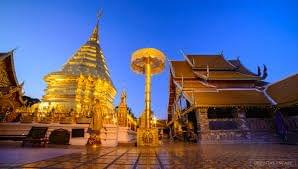
1. Golden Chedi – The Spiritual Heart
The majestic Golden Chedi is the main attraction of the entire religious complex. Buddha's relics, which are encased in the stupa, have made this bright and gold-covered structure a place of worship and veneration. Every day, a lot of tourists perform a clockwise ritual around the stupa, and it is a part of their daily activities.
- Feature: Glowing gold stupa
- Experience: Offerings, incense lighting, and sacred circumambulation
- Why Visit: Religious importance andthe beauty of architecture
2. Naga Staircase – A Symbolic Climb
Ascended by the visitors is a long stairway to the temple from the lower car park, which is bordered by intricately carved Naga serpent figures — these mythological guardians symbolise protection and spiritual ascent.
- Feature: Mythical guardian serpents
- Experience: Photo ops and an engaging ceremonial entry
- Best Time: Morning or late afternoon to escape the heat of midday
3. Panoramic Chiang Mai Views
The hilltop terrace offers a wide-open view of the city of Chiang Mai, the rural area, and the mountain in the back. It is especially during sunrise and sunset that these views are most impressive.
- Feature: Elevated viewpoint
- Experience: Scenic photography, silent meditation
- Best Time: The golden hour for soft, glowing light
4. Shrines, Bells & Prayer Areas
The temple complex houses several smaller shrines, bell towers, and incense lighting and offering areas. A lot of visitors join in these religious practices that are believed to bring blessings, merit, and peace.
- Feature: Sacred ritual spaces
- Experience: Cultural participation in Buddhist traditions
5. Museum & Cultural Displays
Some areas of the temple include exhibits and smaller buildings that house historical artefacts, murals, and cultural displays that shed light on the temple’s storied past and significance within the Lanna tradition.
- Feature: Historical exhibits
- Experience: Enriching context for the temple’s history
Wat Phra That Doi Suthep Ticket & Entry Information
Visit Item | Approx. Price (THB) | Notes |
| Temple Entrance Fee | 40 THB (₹92) for foreigners (free for Thais) | Entrance to temple grounds |
| Tram Ride / Funicular | 30 THB (~₹70) | Optional ride up the main stairway |
| Donations | Voluntary | Temple donations welcomed |
| Photography Areas | Free | Photography is allowed in most zones |
Timings & Best Time to Visit Wat Phra That Doi Suthep
Opening Hours: 6:00 AM – 8:00 PM daily
Best Visiting Tips
- Early Morning: Cooler atmosphere and quieter grounds.
- Late Afternoon: Warm hues and sunset views over the city.
- Cool Season: Clear skies and pleasant weather for views.
- Weekdays: Generally less crowded than weekends.
How to Reach Wat Phra That Doi Suthep
From Chiang Mai City Centre: Approximately 15 km (~30–40 minutes) by taxi, ride-hailing, or private car.
From Chiang Mai Airport: Around 40–50 minutes by taxi or shuttle.
Transport Options
- Taxi / Ride-hailing: Convenient direct route.
- Red Songthaews: Shared truck taxis from major points like the zoo or city centre.
- Private Driver / Tour: Combine with other stops for a custom day trip.
Monk’s Trail Hike: For adventurous visitors who prefer a scenic walk.
Wat Phra That Doi Suthep Insider Tips
- Start Early: Get there as soon as they open to avoid the crowds and the heat of the day.
- Dress Respectfully: No bare shoulders and knees; rent a sarong if you want.
- Hydrate & Sunscreen: The mountain location comes with powerful sun exposure.
- Photography Ready: For sceneries, the camera with night and panorama modes or the phone is a must.
- Plan Time: If you walk or take the tram, make an allowance of a few hours to enjoy the adventure completely.
Dining & Shopping Near Wat Phra That Doi Suthep
- Temple Stalls: Near the base and summit, stalls sell cold drinks, refreshments, souvenirs, incense, and fruit offerings.
- Roadside Cafés: Small eateries along the road up the mountain serve Thai snacks, coffee, and sweets.
- Chiang Mai City Restaurants: After your visit, enjoy dinner or traditional northern Thai cuisine in the city.
Suggested Chiang Mai Cultural & Hilltop Itinerary
Morning:
- Depart from Chiang Mai for Wat Phra That Doi Suthep.
- Climb the Naga staircase or take the tram.
Late Morning:
- Explore the Golden Chedi, shrines, and views.
Lunch:
- Eat at a nearby café or mountain restaurant.
Afternoon:
- Visit Wat Phra That Doi Pui or hike the Monk’s Trail for scenic forest paths.
Evening:
- Return to Chiang Mai and explore a night market or have dinner by the river.
Why Visit Wat Phra That Doi Suthep?
Wat Phra That Doi Suthep, with its golden spire, is an emblematic representation of the spirit and culture of Chiang Mai. The temple, which consists of its sacred relics and panoramic sight over the city, gives a strong mixture of magnificent views, profound customs, and eternal calmness. If you are religiously committed, an admirer of the architecture, or just someone who wants to have a good time in one of the most beautiful settings of a temple in Thailand, Wat Phra That Doi Suthep is a must-add to your Thailand tour packages.
Five Things to Do at Wat Phra That Doi Suthep on a Visit
- Ascend the Naga Staircase for an iconic hill climb.
- Pay respect to the Golden Chedi and explore sacred shrines.
- Capture panoramic city views from the terrace.
- Participate in local rituals like bell ringing and incense offerings.
- Explore the surrounding grounds, including museum exhibits and prayer areas.
Conclusion: Why Wat Phra That Doi Suthep Is Worth Visiting
It is a true and vibrant reflection of the cultural and spiritual aspects of Chiang Mai, the Wat Phra That Doi Suthep. The fascinating combination of its sacred relics, long-established customs, impressive architecture and panoramic views makes the site very inviting for all kinds of visitors. The experience of being here is like a trip — one that brings you to the past, connects you with religion, nature, and the very core of Northern Thailand, pretty much.
Frequently Asked Questions about Wat Phra That Doi Suthep
1. What is the best time of day to visit?
Early morning for quiet and cool air, or late afternoon for golden hour views.
2. Is there an entrance fee?
Yes, around 40 THB (₹92) for foreigners and free for Thais as an entrance fee; tram rides or funicular options may cost extra.
3. Is the temple suitable for kids?
Yes — but consider the stairs and elevation; the tram helps.
4. Are there dress code requirements?
Yes — modest attire with covered shoulders and knees is respectful and often required.
5. How long should I plan to stay?
Allow 3–5 hours to fully explore the temple and scenic views.





Update your location?