
Kaiseki Dining in Japan: A Complete Guide to Traditional Multi-Course Japanese Fine Dining
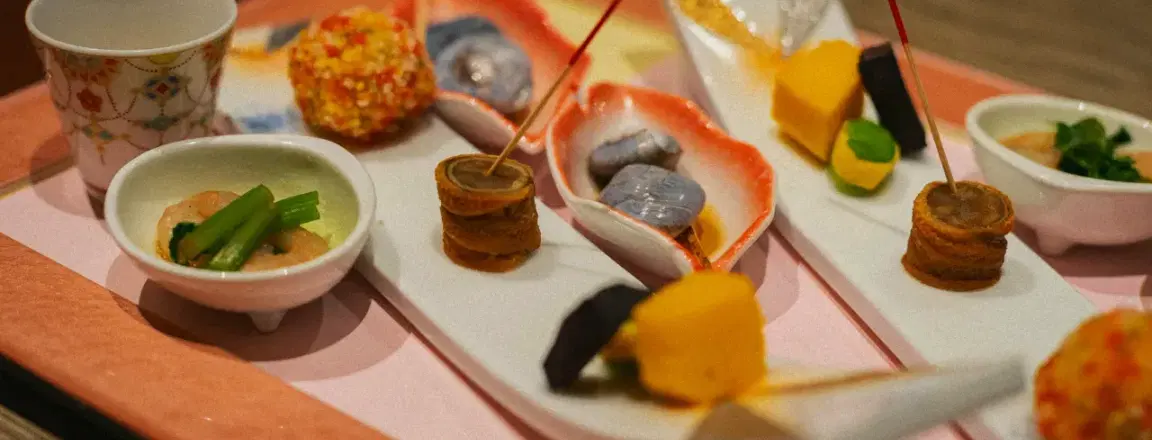
Kaiseki dining in Japan is not merely a meal; it is a ritual of refinement, restraint, and seasonal poetry. Rooted in centuries of tea ceremony tradition, kaiseki transforms ingredients into art and dining into meditation. Steam rises gently from lacquer bowls, ceramic plates feel cool and textured in the hand, and silence settles between courses as each dish is savoured with intention. This multi-course meal remains on the list of top things to do in Japan.
More than fine dining, kaiseki is a reflection of Japanese philosophy: respect for seasonality, balance in flavour, and beauty in simplicity. For travellers seeking a deeper cultural experience beyond sightseeing, a kaiseki meal often becomes one of the most memorable moments of a journey to Japan. This guide explores the structure, meaning, etiquette, pricing, and best places to experience authentic kaiseki dining in Japan.
Understanding Kaiseki Cuisine: Japan’s Culinary Masterpiece
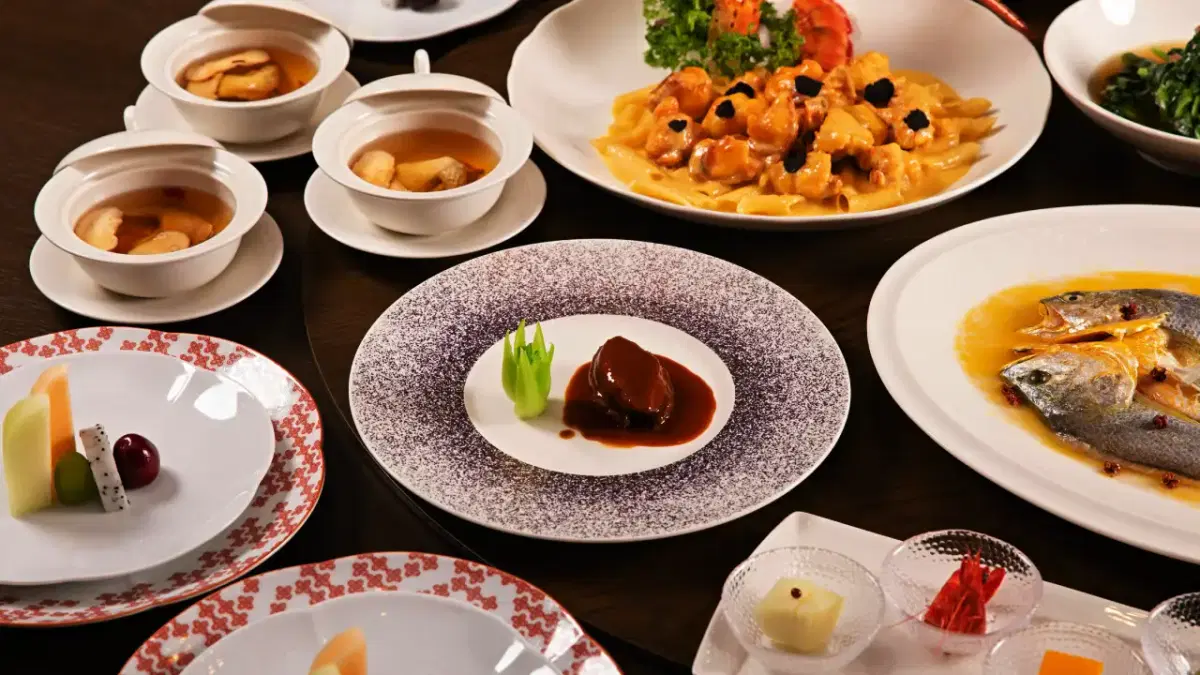
Origins in the Tea Ceremony (Chanoyu)
Kaiseki originated in Kyoto during the 16th century as cha-kaiseki, the modest meal served before the Japanese tea ceremony (chanoyu). The word kaiseki (懐石) originally referred to the warm stone placed inside monks’ robes to stave off hunger, symbolising simplicity and mindfulness.
Over time, a more elaborate dining style evolved, written as kaiseki (会席), which focused on hospitality and seasonal presentation. While both share similar structures, traditional tea-ceremony kaiseki emphasises restraint, whereas modern restaurant kaiseki may be more luxurious and ingredient-driven. Kyoto is widely regarded as the birthplace of cha-kaiseki and remains the spiritual heart of the tradition.
Seasonality and Balance in Japanese Kaiseki Meals
Traditional kaiseki celebrates seasonal ingredients at their peak. Cherry blossoms inspire spring menus, river fish appear in summer, mushrooms dominate autumn, and crab defines winter dining.
Every course is designed to balance:
- Texture
- Colour
- Temperature
- Cooking method
The presentation is equally important; handcrafted ceramics, bamboo trays, and lacquerware elevate the visual experience.
Number of Courses and Dining Structure
A traditional kaiseki meal typically includes 7–14 courses, served in a deliberate sequence to create harmony and progression in flavour.
Check out: Why Japan should be on your bucket list
Kaiseki Dining Experience in Japan: Course-by-Course Guide
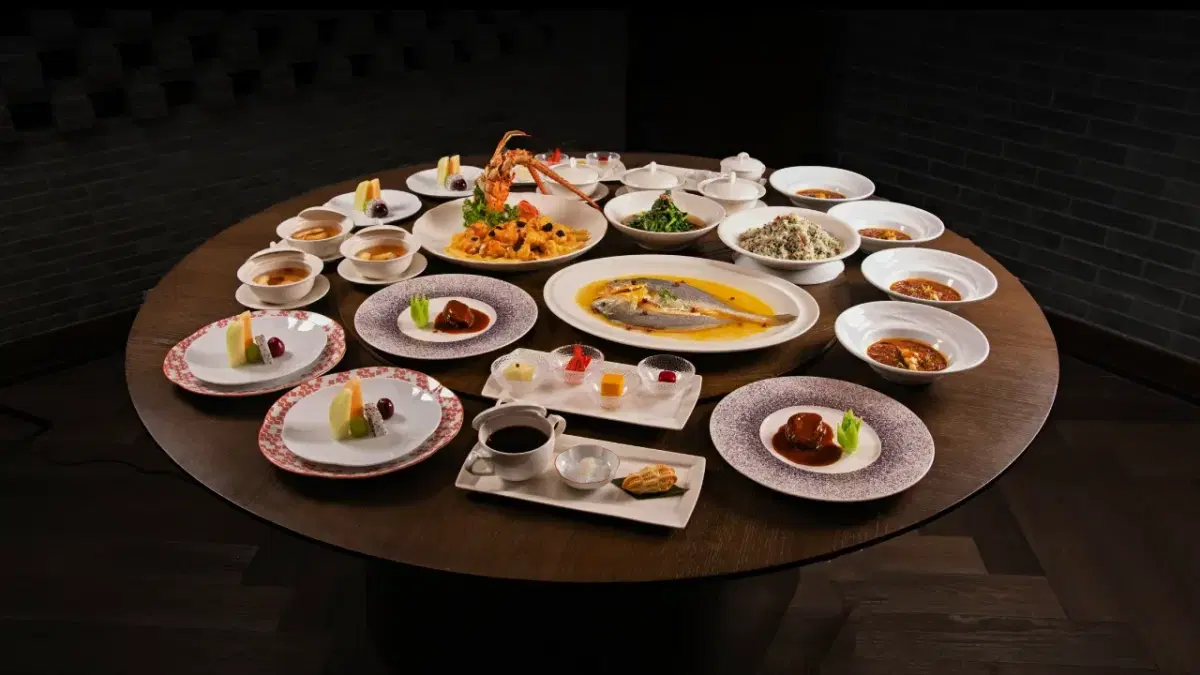
Kaiseki dining in Japan, one of the finest experiences of Japanese food, unfolds in a carefully orchestrated sequence, typically featuring seven to fourteen courses that showcase seasonal ingredients, exquisite presentation, and the artistry of traditional Japanese cuisine.
Sakizuke – Japanese Kaiseki Appetiser
This is a small, artfully arranged appetiser similar to the French amuse-bouche.
Hassun – Seasonal Platter in Kaiseki Dining
This meal is traditionally served on a square cedar tray. The course is an assortment of small seasonal delicacies that establishes the harmony between vegetable items and seafood.
Mukozuke – Fresh Sashimi Course
The meal showcases fresh seafood. Depending on the season and region, diners might encounter tai, tuna, squid or sweet water shrimp.
Takiawase – Simmered Seasonal Ingredients
This is a simmered dish where vegetables, meat, fish or tofu are cooked separately before being combined. This technique preserves each ingredient's individual flavour and texture, while creating a harmonious whole. The broth, typically based on dashi with mirin and soy sauce, is light yet deeply flavorful.
Futamono – Lidded Soup Course
This course contains a clear soup or a more substantial stew.
Yakimono – Grilled Fish or Meat Course
The course brings flame-grilled fish or meat that showcases the ingredient's natural sweetness. Premium menus include wagyu beef, abalone or lobster.
Shokuji – Rice, Miso Soup and Pickles
Rice holds sacred importance in Japanese culture. It is typically served with miso soup and tsukemono (pickles).
Mizu-mono – Traditional Kaiseki Dessert
Mizu-mono is a light dessert featuring seasonal fruit.
Between this Multi-course Japanese meal, chefs may include agemono (fried items), mushimono (steamed dishes) or su-zakana (vinegared preparations) to create variety in cooking techniques.
Kaiseki vs Omakase – What’s the Difference?
Kaiseki and Omakase are both multi-course Japanese dining experiences, but they differ fundamentally.
Kaiseki
- Structured, seasonal progression
- Rooted in tea ceremony tradition
- Focus on balance and aesthetics
- Usually, a formal setting
Omakase
- Chef’s spontaneous selection
- Sushi-focused in many cases
- Less rigid course order
- Often counter-seating experience
Kaiseki is philosophical and seasonal. Omakase is chef-driven and improvisational.
Kaiseki Restaurant Prices in Japan(2026): Budget Guide for Indian Travellers
All conversions are approximate and subject to exchange rate fluctuations.
Category | Cost (₹) | Cost (¥ approx.) | What You Get |
| Budget Lunch | ₹3,500–₹5,800 | ¥6,000–¥10,000 | 5–7 courses |
| Mid-Range Dinner | ₹8,700–₹14,500 | ¥15,000–¥25,000 | 7–10 courses |
| Premium Dinner | ₹17,400–₹23,200 | ¥30,000–¥40,000 | Seasonal luxury ingredients |
| Michelin 3-Star | ₹29,000+ | ¥50,000+ approx. | Exclusive tasting menus |
Note: Michelin 3-star kaiseki experiences can easily exceed ₹35,000–₹50,000 per person, depending on exclusivity and seasonal ingredients.
Best Places to Experience Kaiseki Dining in Japan
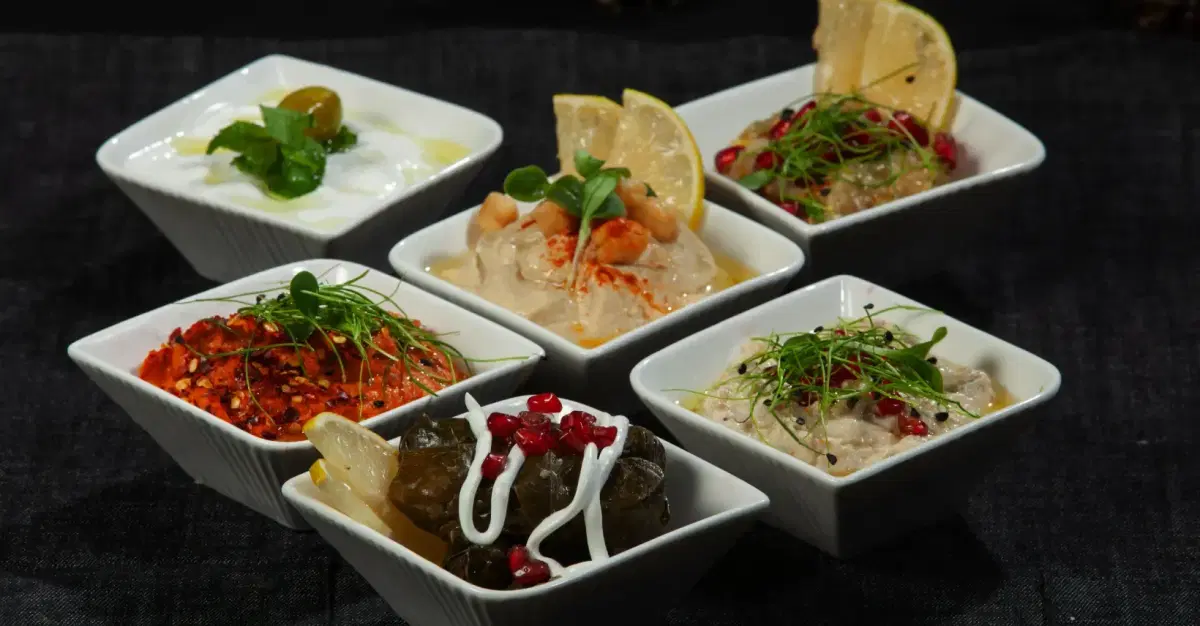
Kaiseki restaurants in Japan range from exclusive Michelin-starred establishments in Tokyo to family-run ryotei in regional towns.
Kaiseki Restaurants in Kyoto – Birthplace of Kaiseki Cuisine
Kyoto is considered the birthplace of kaiseki and is home to the imperial court for over a millennium. A Kaiseki restaurant in Kyoto specialises in Kyo-ryori, Kyoto-style cuisine that incorporates influences from traditional home cooking. You can also pay a visit to Kyoto Temples and shrines during your journey.
Kaiseki Dining in Tokyo – Michelin-Star Experiences
Tokyo features the highest number of Michelin-starred Kaiseki restaurants in Japan. You can also explore the top tourist attractions in Tokyo during your stay in this beautiful, futuristic town.
Kaiseki Dining at Traditional Ryokans
They include a Kaiseki dining experience as part of overnight packages.
Kaiseki Restaurant Types Compared: Where Should You Dine?
| Venue Type | Best For | Price Range (Rs.) | Crowd | Booking Difficulty |
| Kyoto Traditional Restaurants | Authentic experience, cultural immersion | 14,500–29,000 | High | Book 2-3 months ahead |
| Tokyo Michelin Venues | Cutting-edge technique, modern presentations | 17,400–40,000+ | Very High | 3+ months for 3-star |
| Ryokan (Japanese Inns) | Overnight package | 11,600–23,200 (includes accommodation) | Medium | 4-6 weeks ahead |
| Regional Restaurants | Local specialities, lower prices | 8,700–17,400 | Fewer crowds | 2-4 weeks |
Kaiseki Dining at Traditional Ryokans
Many luxury ryokans include kaiseki dinners as part of overnight packages. Here, the meal becomes part of a broader cultural immersion: tatami rooms, yukata robes, onsen baths, and personalised hospitality.
Kaiseki Dining Etiquette and Cultural Tips for Travellers
Entering the world of kaiseki dining requires some awareness of Japanese dining customs.
Chopstick etiquette matters significantly. Never stick chopsticks vertically into rice, and do not pass food directly from chopstick to chopstick. Rest chopsticks parallel to yourself on the provided holder when not in use.
Dress appropriately, same formality as a Michelin-starred restaurant. Many traditional establishments require guests to remove shoes at the entrance, so wear easily removable footwear. Avoid strong perfumes or colognes.
Conclusion: Is Kaiseki Dining in Japan Worth It?
Kaiseki dining in Japan is a refined culinary art form that reflects the nation’s deep respect for nature, seasonality and balance. From its origins in austere tea ceremony meals to its current status as Japan's most prestigious culinary tradition, Kaiseki dining showcases the story of Japan that creates long-lasting memories. Plan your unforgettable culinary journey with Pickyourtrail’s Japan Tour Packages and understand the country’s values through food.
Frequently Asked Questions About Kaiseki Dining in Japan
How long does a kaiseki meal typically last?
A full kaiseki dinner typically lasts between two and three hours. Each course is prepared and served individually, with time built in between to savour and digest. Some elaborate multi-course experiences at prestigious establishments may extend even longer.
Is kaiseki dining suitable for vegetarians?
Traditional kaiseki features abundant seafood and fish-based dashi broth, making it challenging for strict vegetarians. However, shojin ryori, Buddhist vegetarian kaiseki, exists as a distinct culinary tradition that uses no animal products whatsoever.
Kaiseki at a Restaurant vs Ryokan – What’s the Difference?
Restaurants provide the pure culinary experience, often with counter seating where you can watch the chef work and receive detailed explanations of each course. Ryokans integrate kaiseki into a broader cultural experience that includes traditional accommodation, yukata robes, onsen bathing and Japanese hospitality rituals.
Can children experience kaiseki dining?
Most traditional kaiseki restaurants cater to adult palates. Some establishments have minimum age restrictions or don't welcome children. However, certain ryokans and more casual kaiseki restaurants accommodate families.
Do you need to speak Japanese to enjoy kaiseki?
No, though knowing basic phrases enhances the experience.
What should you avoid doing at a kaiseki restaurant?
Several behaviours are considered inappropriate at a kaiseki restaurant. Never stick chopsticks vertically into rice or pass food, as both gestures are associated with funeral rituals. Avoid wearing strong perfume or cologne, which interferes with the delicate aromas. Refrain from loud conversation or phone calls. Don't waste food, as this disrespects both the chef and the premium ingredients. Avoid requesting substantial menu changes.
Is kaiseki dining worth the high cost?
Value depends entirely on your priorities and interests. For food enthusiasts, culinary professionals or travellers seeking deep cultural experiences, kaiseki often becomes a trip highlight worth significant investment. However, if you are hungry rather than interested in gastronomic artistry, the cost may seem disproportionate to the quantity of food.
How far in advance should you book a kaiseki restaurant?
Popular and highly-rated kaiseki establishments, especially those with Michelin recognition, often require reservations one to three months ahead. Some exclusive venues with extremely limited seating may need even longer lead times. Others accept bookings one to two weeks in advance.