
Things to Do in Kyoto
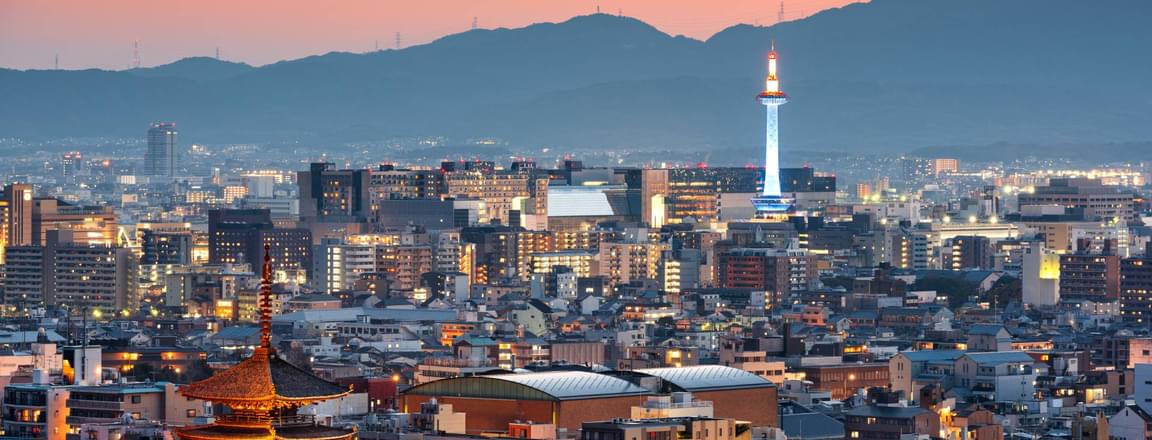
Kyoto is a cosmopolitan city that epitomises the soul of traditional Japan posing ancient history and cultural heritage. There are many Buddhist temples and Shinto Shrines in Kyoto, reflecting deep-rooted religious beliefs. It hosts a vibrant and enchanting scenery all year round, attracting travellers from across the globe who seek to experience its blush cherry blossoms in spring, lush greenery in summer, vibrant foliage in autumn, and serene snow-covered temples in winter. The things to do in Kyoto are an experience in itself, involving going beyond the modern curtain of Tokyo and diving deep into the authentic past, the part that history books don't talk about.
Historical & Cultural Landmarks
While visiting temples may not be a fun thing to do on many bucket lists, it occupies the top position in the 'things to do in Kyoto City' bucket list by default. Fushimi Inari Taisha and its mesmerising red torii gates are one of the wonderful places in Kyoto to wander around, or one could simply admire the stunning gold-studded Kinkaku-ji (Golden Pavilion), a pleasure to the eyes and spirit. Displaying spirituality with a side of sight is the Kiyomizu-dera Temple, presenting a breathtaking panoramic view of Kyoto. Other temples of significant importance include Ryoan-ji, renowned for its Zen rock garden, which is one of the most beautiful Japanese gardens, and To-ji Temple, which accommodates Japan's tallest five-storey pagoda
Traditional Kyoto Experiences
Known as Japan’s cultural capital for a reason, Kyoto is the perfect place to experience the true essence of Japan, from Japanese tea ceremonies to geisha performances. Booking a ryokan (traditional inn) with tatami flooring, futon bedding, and kaiseki (multi-course) meals is an interactive and holistic experience, giving you an idea of their culture. Renting and trying on a kimono or yukata while strolling through Kyoto’s dated streets is a well-known pastime. For the meditation devotees, Kennin-ji provides Zazen meditation sessions to experience Buddhist mindfulness.
Nature & Scenic Spots
Kyoto blooms with colourful seasons all year long. The scenery in Kyoto is as colourful and captivating as the vibrant cultural heritage that defines the city. Dotted with baby pink cherry blossoms in spring and a picture-perfect canal along the way is The Philosopher's Path, ideal for a romantic walk. The Arashiyama Bamboo Forest is a place straight out of a fairytale with grand trees soaring majestically to create an otherworldly environment. The Kyoto Botanical Gardens are home to a diverse array of seasonal flowers year-round, while Arashiyama Monkey Park Iwatayama offers the opportunity to observe monkeys in their natural habitat.
Food & Markets
Nishiki Market, known as "Kyoto’s Kitchen", is one of the best spots to try Japanese street food. It is the best place to experiment with Kyoto’s specialities from yuba (tofu skin) and tsukemono (pickled vegetables) to matcha-flavoured sweets. Additionally, for a feast draped with elegance, kaiseki, a seasonal multi-course meal served in high-end restaurants like Kikunoi, is suggested. The ideal place to slurp a precious and original cup of green tea is Uji, the birthplace of matcha. Sushi is never out of trend, especially in this city with Kyoto-style Sushi prepared with different ingredients, giving it a unique flavour.
Arts, Culture & Museums
If you’re a comic lover, the Kyoto International Manga Museum is a prime destination to add to your anime and Manga Tours in Japan. Additionally, the Samurai and Ninja Experience museum lets guests try on samurai armour and practise sword fighting. The Kyoto Museum of Traditional Crafts brings out the city's renowned artistry by featuring permanent exhibitions of 200 traditional crafts from 74 categories, in textiles, pottery, and lacquerware. Jumping into modernity, The Kyoto Art Center and contemporary galleries like KCUA offer an insight into the city’s modern creative scene, blending tradition with innovation, promoting alumni art, and understanding the evolution of artistic expression.
Outdoor Adventures & Unique Tours
Activities in Kyoto are mundane yet special. Riding a bicycle while exploring the Kamogawa River Paths or cruising through the quiet streets of Northern Higashiyama gives you peace of mind. Parading through the bamboo forest and Togetsukyo Bridge on a rickshaw or Kayaking on Lake Biwa is a unique way to see the surroundings. For people chasing the adrenaline rush, Kyoto’s Kurama and Kibune hiking trail is a stunning forest trek with hidden shrines, mountain hot springs, and small waterfalls. Night owls can take a walking tour in Gion revealing hidden alleys and secret geisha teahouses.
Shopping & Souvenirs
Expensive shopping here in Kyoto is defined by several traditional crafts and unique souvenirs. The Teramachi and Shinkyogoku Shopping Arcades feature everything from vintage kimonos to cool street fashion. For locally made charms, Higashiyama District is the place for you, selling Kyoto-style candles and other goods. To-ji temples host an extensive flea market on the 21st of each month displaying antiques, old samurai swords, and rare kimono fabrics.
Hands-On Experiences
Amongst all the things to do in Tokyo, Japan, hands-on experiences are the most interactive ones where people can get creative by joining Kyoto’s many craft workshops, which are often included in Kyoto tour packages. Kyo-yaki pottery is where you can paint and glaze your ceramics or learn to make traditional Japanese sweets. The artists can make their way to a Zen Temple to learn Japanese calligraphy and master the brush techniques. Moreover, gold leaf decoration workshops let you add shimmering details to chopsticks or accessories.
Conclusion
From iconic temples and tranquil gardens to vibrant markets and immersive cultural experiences, the things to do in Kyoto offer something for every kind of traveller. Whether you are exploring centuries-old landmarks, enjoying seasonal scenery, or discovering the city's culinary traditions, every experience showcases Kyoto's timeless charm. No matter when you visit, the city promises unforgettable moments that blend history, nature, and culture.
FAQs
What should you not miss in Kyoto?
You should not miss iconic attractions such as Fushimi Inari Taisha, Kinkaku-ji (Golden Pavilion), Kiyomizu-dera Temple, Arashiyama Bamboo Forest, Nishiki Market, and a stroll through the historic Gion district. Experiencing a traditional tea ceremony or staying in a ryokan also offers an authentic taste of Kyoto's culture.
What are the top 5 things to do in Kyoto?
The top five things to do in Kyoto include visiting Fushimi Inari Taisha, exploring Arashiyama Bamboo Forest, admiring Kinkaku-ji (Golden Pavilion), experiencing a traditional tea ceremony or staying in a ryokan, and tasting local delicacies at Nishiki Market.
Is 2 days in Kyoto enough?
Yes, two days are enough to cover Kyoto's major attractions, including famous temples, bamboo forests, traditional neighbourhoods, and local markets. However, spending three to four days allows you to enjoy cultural experiences, museums, scenic spots, and day trips at a more relaxed pace.
What is Kyoto best known for?
Kyoto is best known for its centuries-old temples, Shinto shrines, traditional tea ceremonies, geisha culture, beautiful gardens, seasonal cherry blossoms and autumn foliage, authentic Japanese cuisine, and well-preserved historic districts.
What Are the Best Things to Do in Kyoto on a Day Trip?
On a one-day trip, visit Fushimi Inari Taisha, Kiyomizu-dera Temple, Arashiyama Bamboo Forest, Kinkaku-ji, and Nishiki Market. End the day with a walk through Gion or along the Philosopher's Path if time permits.
What Are the Best Things to Do in Kyoto for Young Adults?
Young adults can enjoy cycling along the Kamogawa River, visiting the Kyoto International Manga Museum, hiking the Kurama–Kibune Trail, exploring Nishiki Market, taking craft workshops, enjoying Gion's nightlife, and shopping at Teramachi and Shinkyogoku Arcades.
What Are Some Unique Things to Do in Kyoto?
Some unique experiences include joining Kyo-yaki pottery workshops, learning Japanese calligraphy, decorating souvenirs with gold leaf, taking a rickshaw ride through Arashiyama, kayaking on Lake Biwa, attending Zazen meditation sessions, and staying overnight in a traditional ryokan.
What Are the Best Things to Do in Kyoto in December?
December is ideal for visiting snow-dusted temples such as Kinkaku-ji, enjoying peaceful walks through Arashiyama Bamboo Forest, attending seasonal temple illuminations, exploring museums, warming up with traditional Japanese cuisine, and shopping for handcrafted souvenirs at local markets.
What Are the Best Things to Do in Kyoto with Kids?
Families can visit Arashiyama Monkey Park Iwatayama, Kyoto Botanical Gardens, Kyoto International Manga Museum, Samurai and Ninja Experience Museum, Nishiki Market, and participate in pottery or traditional sweet-making workshops that are suitable for children.
What Are the Best Things to Do in Kyoto at Night?
At night, take a walking tour through Gion, enjoy Kyoto's illuminated temples during seasonal events, dine at traditional restaurants, experience cultural performances, stroll along Pontocho Alley, or relax by the Kamogawa River while enjoying Kyoto's peaceful evening atmosphere.