
Winter in Japan: Complete Ski Resort & Hot Springs Guide
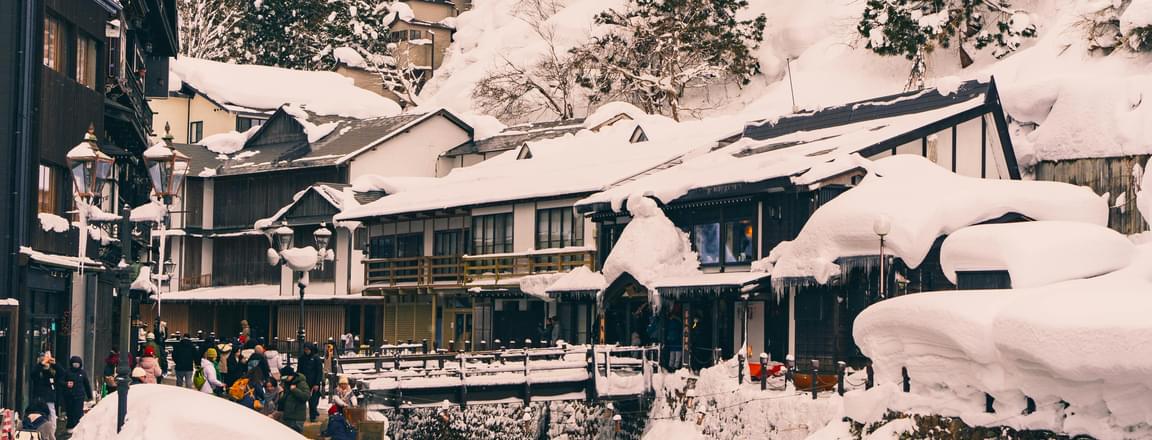
Considering having a ski holiday in Japan? It is time to prepare for world-class powder snow, relaxing traditional hot springs (onsen), and quaint mountain villages that blend up-to-date skiing equipment with traditional Japanese culture. The country has something to offer at all levels, with easy beginner slopes and challenging backcountry run-ups. This guide on winter in Japan includes the most popular ski resorts, the easiest way to get there from Tokyo, the most important onsen etiquette, and an easy cost breakdown to guide you on budgeting. With its unique mix of adventure, culture, and breathtaking landscapes, Japan tourism continues to attract winter travellers from around the world. Whether you are travelling with your family, going solo, or planning a cultural winter getaway, Japan promises a winter holiday to remember.
Why Choose Japan for Winter Sports?
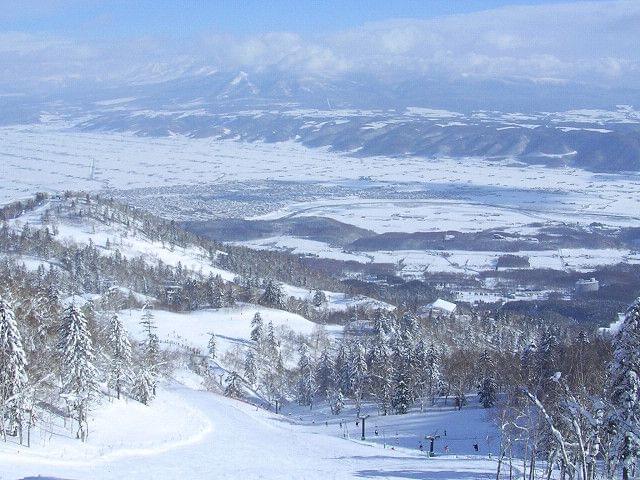
The winter resorts in Japan have epic, powdery snow caused by Siberian tempests, especially in Hokkaido. In addition to skiing, you can also enjoy an onsen experience after skiing, which are natural hot springs in Japan that make your trip a wellness retreat. Japan has slopes, backcountry areas, and anything in between to suit the skills of beginners.
Key Benefits:
- Consistent dry powder (December-February)
- Seamless ski-to-onsen transitions
- English-friendly major resorts
- Extended seasons (November-April at high-altitude resorts)
Best Time to Ski in Japan
| Month | Snow Conditions | Crowds | Best For |
| December | Early season, building base | Moderate | Budget travelers |
| January-February | Peak powder, coldest temps | Highest | Powder enthusiasts |
| March | Spring skiing, warmer | Decreasing | Families, beginners |
| April | Limited resorts open | Low | Off-peak deals |
Pro Tip: Book accommodations 3-4 months ahead for peak season (late December-February).
Top Ski Regions in Japan
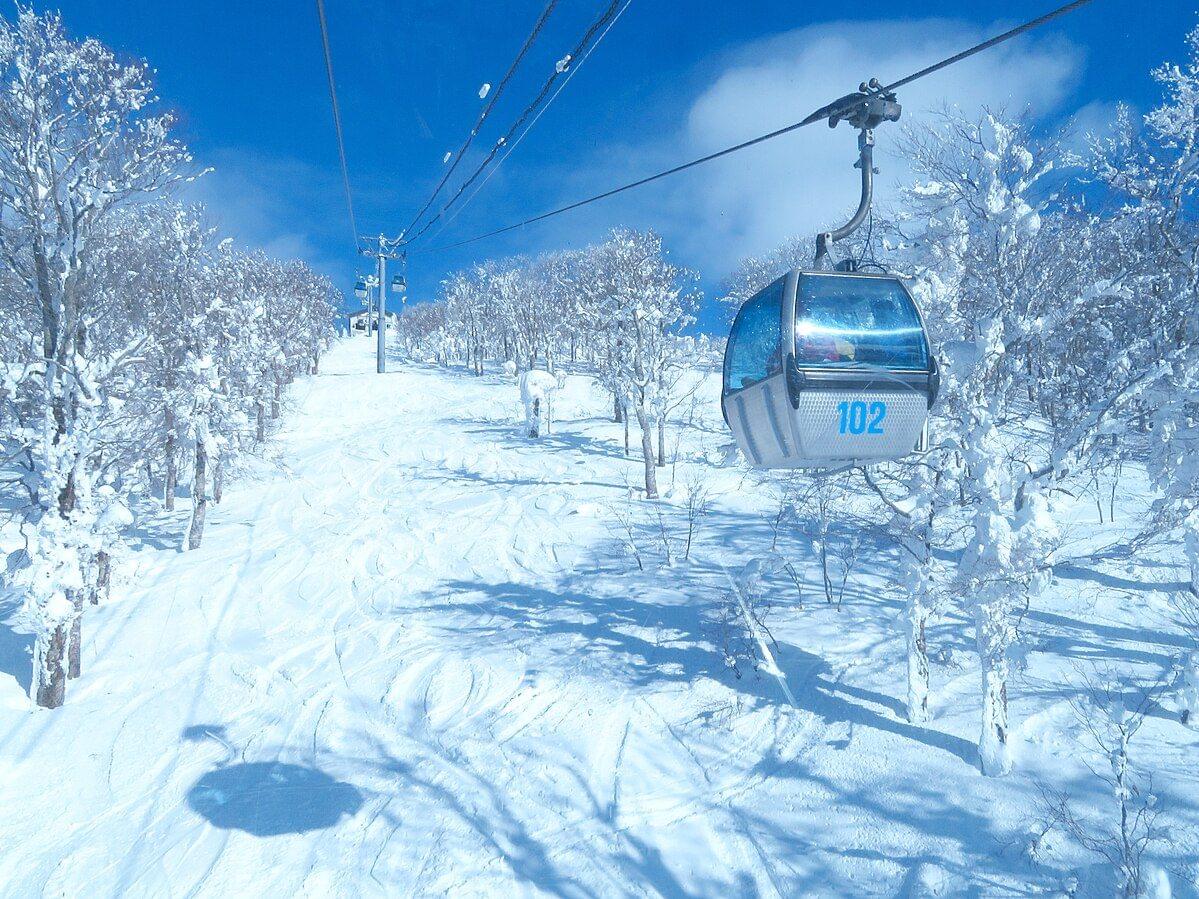
Hokkaido: Best for Powder Snow
Hokkaido delivers Japan's most reliable powder due to cold Siberian air. Niseko skiing attracts international visitors with 2,191 acres of terrain and excellent English support, offering an unforgettable experience for travellers choosing Japan adventure tour packages.
- Top Resorts: Niseko United, Rusutsu, Furano
- Season: Late November-April
- Best For: Advanced skiers, powder hunters, night skiing
- Access: New Chitose Airport (90 min to Niseko)
Nagano: Best Ski Resorts Near Tokyo
The Hakuba ski resort hosted the 1998 Winter Olympics and offered diverse terrain across 10 interconnected areas, making Skiing in Japan a memorable experience for beginners and experts alike. It is ideal for family ski trips with gentle slopes and excellent ski schools.
- Top Resorts: Hakuba Valley, Nozawa Onsen, Shiga Kogen
- Season: Late November-April
- Best For: Families, mixed-ability groups, onsen culture
- Access: Shinkansen to Nagano (90 min from Tokyo) + 1-hour bus
Niigata: Best Budget-Friendly Option
Value-focused region with modern lifts and frequent Japan ski packages from Tokyo. Naeba offers slope-side accommodation and connects to neighbouring resorts.
- Top Resorts: Myoko Kogen, Naeba
- Season: Late November-April
- Best For: Day trips from Tokyo, group lessons, festivals
- Access: Direct buses from Tokyo (4-5 hours, ¥5,000-8,000)
Tohoku: Best for Onsen & Scenery
Zao Onsen ski resort features famous "snow monsters" (frosted trees) and historic sulphur hot springs. Combining spectacular scenery with authentic mountain culture, it ranks among the best ski resorts in Japan and is less crowded than Hokkaido.
- Top Resorts: Zao Onsen, Appi Kogen
- Season: Late November-April
- Best For: Photographers, onsen enthusiasts, couples
- Access: Regional airports + bus/train connections
Getting to Japanese Ski Resorts from Tokyo
Reaching Japan's famous ski resorts is simple thanks to the country's efficient Japan transportation network, which connects major cities with mountain destinations through high-speed trains and buses. Whether you prioritise speed, comfort, or budget, the routes below will help you choose the most convenient way to reach your preferred ski resort.
Route | Duration | Approximate Cost | Best For |
| Tokyo → Nagano (Shinkansen) | 90 min | ¥8,000-9,000 | Speed, comfort |
| Tokyo → Hakuba (Direct Bus) | 5-6 hours | ¥5,000-8,000 | Budget travelers |
| Tokyo → Niigata (Shinkansen + Bus) | 3-4 hours | ¥10,000-12,000 | Myoko access |
| Sapporo → Niseko (Bus) | 2.5 hours | ¥2,500-3,500 | Hokkaido trips |
Booking Tip: Purchase a JR Pass if visiting multiple regions (7-day pass: ¥29,650 for tourists).
Japan Ski Trip Cost Breakdown
Expense | Budget | Mid-Range | Luxury |
| Lift Pass (per day) | ¥4,500-5,500 | ¥5,500-7,000 | ¥7,000+ |
| Equipment Rental | ¥3,500-4,500 | ¥5,000-6,000 | ¥8,000+ |
| Accommodation | ¥6,000-10,000 | ¥15,000-25,000 | ¥30,000+ |
| Meals | ¥2,500-4,000 | ¥5,000-8,000 | ¥10,000+ |
| Transport (Tokyo-resort) | ¥5,000-8,000 | ¥8,000-12,000 | Private transfer |
| Daily Total | ¥21,500-32,000 | ¥38,500-58,000 | ¥65,000+ |
Prices in Japanese Yen. Approximate USD: ¥100 = $0.67
Complete Onsen Etiquette Guide
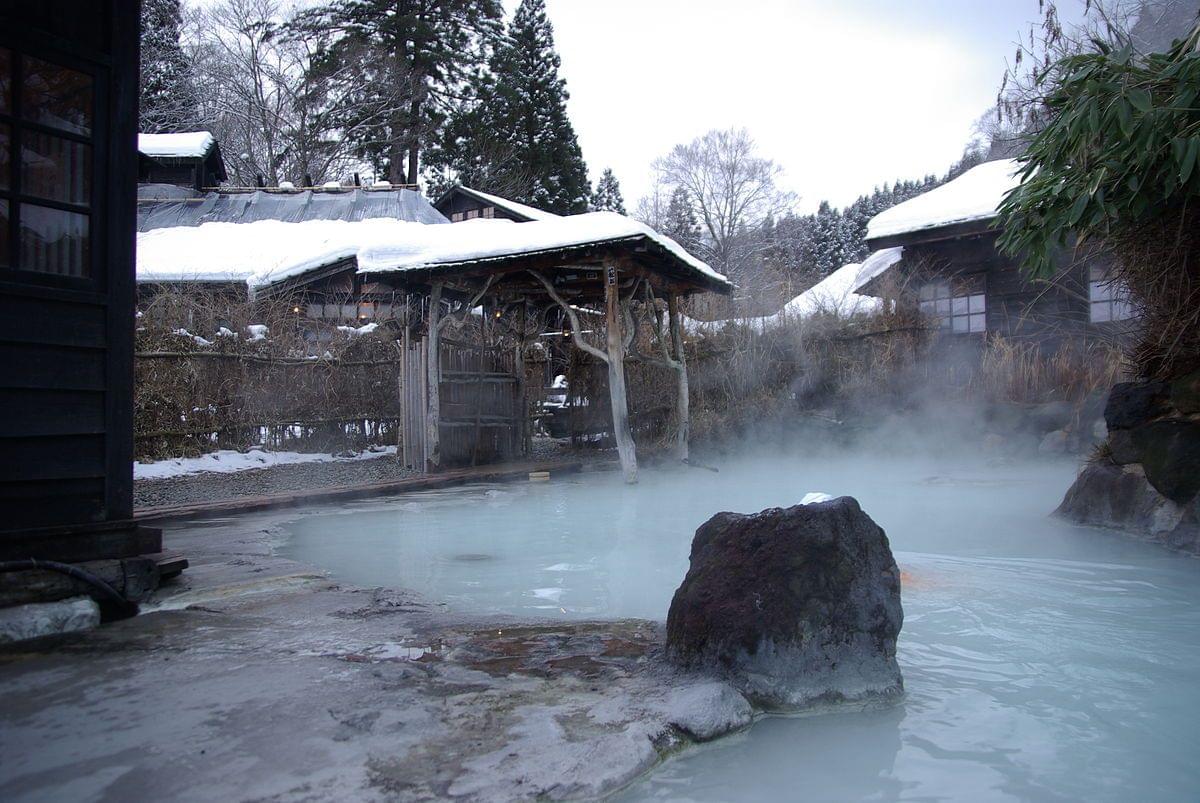
Onsen (natural hot springs) are an essential part of the Japanese ski experience. Following these traditional rules is one of the important Japanese etiquettes to keep in mind when staying at a ryokan with an onsen:
Important Rules
- Wash thoroughly at shower stations before entering (soap, rinse, repeat)
- Remove all clothing; swimsuits are not allowed in traditional onsen
- Keep a towel dry. Place a small towel on your head or poolside, never in water
- Stay quiet, onsen are for relaxation, not socialising.
- No photos inside bathing areas.
Note: Some onsen still limit tattoos, but you can book private baths, use cover-up patches, or pick a tattoo-friendly onsen with a little research.
Safety & Travel Insurance
- Avalanche risk: Hire a certified local guide and carry/know avalanche gear (beacon, probe, shovel).
- Insurance: Confirm your policy explicitly covers winter sports and off-piste/backcountry.
- Permits & rules: Check local permit requirements; guides are often mandatory.
- Emergencies & weather: Note emergency numbers (110 police, 119 ambulance) and resort patrol; check official resort/weather/lift status daily.
Winter Events & Festivals
Sapporo Snow Festival (typically early February):
Sapporo snow festival is a week-long celebration with massive ice sculptures, making it one of the most spectacular cultural festivals in Japan. Book accommodations 4–6 months ahead, as city hotels sell out quickly.
Smaller Events:
- Nozawa Fire Festival (January 15)
- Otaru Snow Light Path (February)
- Local onsen illuminations
Bottom line: Experience Winter in Japan
Winter in Japan is the ideal combination of the best slopes in the world and the traditional culture. To ensure you have the best time, reserve in advance during the best season, which is between December to February, observe simple etiquette in the onsen and wear warm clothes in case of fluctuating weather in the mountains. Japanese ski resorts offer memorable winter experiences, whether you are riding Hokkaido powder snow or enjoying the onsen in the villages of Nagano. Customise your next Japan tour packages from Pickyourtrail for a hassle-free and seamless experience.
FAQ's
Q- What is the best ski resort in Japan for beginners?
A- The best one is the Hakuba Valley which has soft slopes and instructors who speak English. Nozawa Onsen also is family and first-time-friendly.
Q- How much does a ski trip to Japan cost per day?
A- Budget Y=21,500-32,000 ($145-215 USD) and mid-range comfort Y=38,500-58,000 ($260-390 USD) are expected to cost per day.
Q- Can you ski in Japan with tattoos?
A- Yes. But Onsens do not allow tattoos, whereas resorts do. Privatize baths, patched, or tattoo onsens.
Q- Which is better for powder snow: Hokkaido or Nagano?
A- The powder is lighter and darker in Hokkaido (e.g., Niseko). Nagano is better in snow and has more terrain diversity and can be accessed more easily by Tokyo.
Q- Do I need to speak Japanese to ski in Japan?
A- No. English assistance is available at big resorts, such as Niseko, Hakuba, and Nozawa. The translation apps assist on smaller levels.