
Malaysia in February: Weather, Places to Visit, Festivals & Travel Costs (Complete Guide)
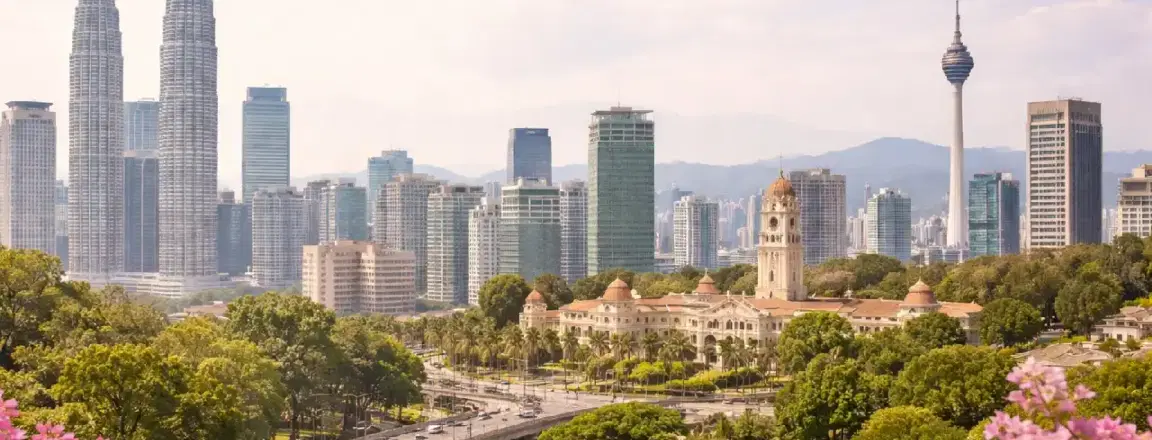
Planning a Malaysia trip in February? Malaysia in February offers the perfect blend of tropical warmth, cultural vibrancy, and excellent travel conditions. With temperatures ranging between 24°C and 33°C, the weather is comfortably warm, rainfall is significantly lower than peak monsoon months, and humidity feels far more manageable for sightseeing and island escapes.
February is also when the country comes alive with Chinese New Year celebrations, transforming cities like Kuala Lumpur and Penang into dazzling displays of lanterns, lion dances, temple rituals, and festive street performances. Meanwhile, as the northeast monsoon gradually retreats, the east coast islands reopen with clearer skies, calmer seas, and lush landscapes refreshed by the rains. Whether you are planning a beach holiday, a cultural deep dive, a food-focused trip, or a multi-city itinerary, February strikes an ideal balance between pleasant weather, festive atmosphere, and stable travel costs. This makes it one of the smartest months to explore Malaysia.
Read: Malaysia travel guide.
Malaysia Weather in February: What to Expect
Malaysia’s weather in February marks the transition from the monsoon season to drier, more stable conditions, making it one of the most comfortable months to travel.
Region | Temperature in February | Weather Overview | Best For |
| West Malaysia (Kuala Lumpur, Penang) | 24°C – 33°C | Mostly dry, warm days | City sightseeing, culture, and food |
| Langkawi | 25°C – 32°C | Dry season begins, sunny | Beaches, island resorts |
| East Coast Islands | 26°C – 31°C | Monsoon ends, calm seas | Snorkelling, diving, and island hopping |
| Borneo (Sabah & Sarawak) | 24°C – 30°C | Occasional showers, lush landscapes | Rainforests, wildlife, trekking |
Why February stands out: Lower rainfall, reopening of east coast islands, festive atmosphere due to Chinese New Year, and comfortable travel conditions across most of Malaysia.
Best Places to Visit in Malaysia in February

February is a great time to explore Malaysia, with sunny islands, lively cities, and lush nature offering plenty of experiences. From Kuala Lumpur’s iconic sights to Langkawi’s beaches and Penang’s heritage streets, there’s something for every type of traveller.
1. Kuala Lumpur: Best for City Sightseeing & Chinese New Year
Kuala Lumpur is Malaysia's capital city. This destination becomes a spectacular destination in February, particularly during the Chinese New Year, when the city transforms with red lanterns, dragon dances, and festive markets. The weather supports comfortable exploration of both modern landmarks and historic neighbourhoods.
- Why visit in February: Chinese New Year celebrations with vibrant decorations, comfortable temperatures for city exploration, excellent shopping opportunities during festive sales, and cultural performances throughout the city.
- Activities: Petronas Twin Towers observation deck for RM77 (~₹1,800) per person, Batu Caves Hindu temple complex with free entry, and KL Tower observation deck at RM30 (~₹700) per person.
2. Penang: Best for Food, Culture & Heritage
George Town in Penang becomes particularly enchanting during the Chinese New Year period in February. The UNESCO World Heritage site showcases elaborate celebrations, temple ceremonies, and traditional performances alongside its year-round attractions of street art and exceptional cuisine.
- Why visit in February: Spectacular Chinese New Year festivities, ideal weather for exploring historic streets, renowned hawker food scene at its finest, and a vibrant cultural atmosphere.
- Activities: Heritage walking tours, street food exploration with meals costing RM3.50–RM11 (~₹80–₹250) per dish, and temple visits during festive celebrations.
3. Langkawi: Best for Beaches & Island Hopping
This duty-free archipelago experiences excellent weather in February, with clear skies and calm seas. The combination of natural beauty, duty-free shopping, and outdoor activities makes Langkawi a compelling February destination.
- Why visit in February: Clear visibility for cable car rides and Sky Bridge views, calm Andaman Sea conditions for island hopping, duty-free shopping advantages, and comfortable beach weather.
- Activities: Langkawi Cable Car for RM60 (~₹1,400) per person, island-hopping tours for RM51–RM86 (~₹1,200–₹2,000), and mangrove kayaking experiences.
4. Cameron Highlands: Best for Tea Plantations & Cool Weather
February's cool climate makes Cameron Highlands an ideal escape from tropical heat. The tea plantations appear especially lush, strawberry farms flourish, and morning mists create atmospheric landscapes perfect for photography and nature appreciation.
- Why visit in February: Cool, comfortable temperatures for hiking, vibrant tea plantations at their greenest, strawberry picking season, and minimal tourist crowds.
- Activities: BOH Tea Plantation offers free tours, Mossy Forest guided walks at RM13–RM21 (~₹300–₹500), and strawberry farm visits.
5. Malacca: Best for Heritage & Cultural Experiences
The historic city of Malacca becomes particularly attractive in February with pleasant weather for exploring its colonial architecture, riverside walks, and cultural attractions. Chinese New Year adds festive energy to the already culturally rich environment.
- Why visit in February: Ideal temperatures for walking tours, UNESCO World Heritage sites without extreme heat, the Jonker Street night market during Chinese New Year, and comfortable river cruise conditions.
- Activities: Stadthuys and Christ Church visits, river cruises for RM21–RM34 (~₹500–₹800), and heritage museum exploration.
6. Sipadan Island: Best for Diving & Marine Life
For diving enthusiasts, Sipadan Island in Sabah offers world-class underwater experiences in February. The diving conditions remain excellent with good visibility and abundant marine life, including sea turtles, barracuda schools, and diverse coral ecosystems.
- Why visit in February: Excellent diving visibility, abundant marine life encounters, fewer divers than peak season, and comfortable water temperatures.
- Activities: Diving packages starting from RM343 (~₹8,000) for day trips, and advanced dive courses for RM1,300–RM1,900 (~₹30,300–₹44,300).
7. Taman Negara National Park: Best for Rainforest & Wildlife
This ancient rainforest maintains accessibility throughout February, with manageable rainfall and excellent wildlife viewing opportunities. The jungle trails remain navigable, and the canopy walkway offers thrilling perspectives of the rainforest ecosystem.
- Why visit in February: Active wildlife during the post-monsoon period, comfortable humidity for extended treks, accessible jungle trails, and blooming flora.
- Activities: Canopy Walkway at RM1.70 (~₹40), guided jungle treks costing RM51–RM107 (~₹1,200–₹2,500), and night safari experiences for RM80–RM160 (~₹1,860–₹3,730).
Malaysia Festivals & Events in February

February is one of Malaysia’s most festive months, blending cultural celebrations with modern city events.
- Chinese New Year in Malaysia: The biggest highlight of the month, celebrated across Kuala Lumpur, Penang, and Malacca with lantern-lit streets, lion and dragon dances, temple rituals, and open-house feasts featuring dishes like yee sang and nian gao.
- Valentine’s Day in Malaysia: Popular in major cities, with romantic dining experiences, couple-friendly hotel packages, and themed events.
- Federal Territory Day (Feb 1): A public holiday in Kuala Lumpur, Putrajaya, and Labuan, marked by cultural performances, parades, and official ceremonies.
Best Things to Do in Malaysia in February
February is a great time to explore Malaysia, with sunny days in many parts of the country and plenty of outdoor experiences to enjoy. From island hopping in Langkawi and exploring Kuala Lumpur to tasting local street food and visiting cultural sites, there are many things to do in Malaysia in February.
- Explore Kuala Lumpur & Its Landmarks: Cities like Kuala Lumpur come alive with festive décor and seasonal sales. Explore colonial landmarks and modern skylines, and enjoy Malaysia’s diverse food scene with special festive dishes.
- Experience Chinese New Year Celebrations: February is ideal for cultural immersion, especially during the Chinese New Year. Visit temples, watch lion dances, and experience open-house hospitality that reflects Malaysia’s Malay, Chinese, and Indian heritage.
- Go Island Hopping in Langkawi: Late February is a quiet window to explore the East Coast islands before peak season. Expect fewer crowds, peaceful beaches, and early-season accommodation deals.
- Discover Wildlife & Rainforests: Borneo shines in February with excellent wildlife sightings along the Kinabatangan River and close encounters at the Sepilok Orangutan Rehabilitation Centre.
- Visit Malaysia’s Highlands & Tea Plantations: Cool hill stations offer tea plantations in Malaysia, forest walks, and fresh mountain air, perfect for a break from tropical heat.
Malaysia Trip Cost in February: Daily Budget & Travel Expenses
February is one of the best months to explore Malaysia, with pleasant weather in popular destinations, lively celebrations around Chinese New Year, and plenty of opportunities to enjoy beaches, cities, and local food. But how much should you actually budget for a Malaysia trip in February?
Travel Style | Accommodation | Meals | Transport | Activities |
| Budget Traveller | Rs. 500–1,000 | Rs. 600–1,000 | Rs. 200–400 | Rs. 200–400 |
| Mid-Range Traveller | Rs. 1,500–3,000 | Rs. 1,200–2,000 | Rs. 400–800 | Rs. 400–800 |
| Luxury Traveller | Rs. 6,000–15,000 | Rs. 2,500–5,000 | Rs. 1,500–3,000 | Rs. 2,000–5,000 |
Note: Prices may increase by 15-30% during the Chinese New Year week due to higher demand. Booking accommodations and transportation well in advance for this period is essential.
What to Pack For Malaysia in February
- Lightweight, breathable clothing suitable for tropical humidity
- Light rain jacket or compact umbrella for occasional showers
- Modest outfits for visiting temples and religious sites
- Comfortable walking shoes for city exploration
- Reef-safe sunscreen for beach destinations
- Light sweater or jacket for highland areas and air-conditioned spaces
Conclusion: Is February a Good Time to Visit Malaysia?
Yes, February is an excellent time to visit Malaysia. The month offers pleasant weather, lower rainfall, and the energy of Chinese New Year celebrations, making it ideal for cultural exploration, city sightseeing, and nature experiences. West coast destinations and Malaysian Borneo remain fully accessible, while late February also allows early travel to the east coast islands. From festive city breaks in Kuala Lumpur and Penang to cool escapes in Cameron Highlands and wildlife adventures in Sabah, February suits a wide range of travel styles. For balanced weather, cultural depth, and flexible itineraries, February stands out as one of the best months to explore Malaysia. Plan your visit to this Southeast Asian destination with Pickyourtrail's Malaysia Holiday Packages.
FAQs
1. Is February a good time to visit Malaysia?
Yes, February is one of the best months to visit Malaysia. The west coast generally has warm, drier weather, while Langkawi offers good beach conditions. The month is also ideal for experiencing Chinese New Year celebrations.
2. What is the weather like in Malaysia in February?
Malaysia in February is generally warm and humid, with temperatures ranging from 24°C to 33°C. The west coast is usually drier, while Borneo can receive occasional showers. East coast weather also starts improving as the northeast monsoon retreats.
3. Does it rain in Malaysia in February?
Yes, Malaysia can receive rain in February, but rainfall varies by region. The west coast is generally drier, while Sabah and Sarawak can experience occasional showers. East coast conditions usually improve toward the end of the month.
4. What are the best places to visit in Malaysia in February?
The best places to visit in Malaysia in February include Kuala Lumpur, Penang, Langkawi, Cameron Highlands, Malacca, Sabah, and Sarawak. They offer a mix of beaches, culture, food, wildlife, and outdoor activities.
5. Which part of Malaysia is best to visit in February?
The west coast of Malaysia is generally the best region to visit in February because it has relatively drier weather. Langkawi, Penang, Kuala Lumpur, and Malacca are good choices for sightseeing, food, culture, and beach holidays.
6. Is Langkawi good to visit in February?
Yes, Langkawi is one of the best places to visit in Malaysia in February. The island usually has sunny weather and calmer seas, making it ideal for beaches, island hopping, water activities, and the Langkawi SkyCab.
7. Can I visit Malaysian beaches in February?
Yes, February is a good month for Malaysian beaches, especially on the west coast. Langkawi and Penang are good choices, while some east coast islands may only become suitable toward the end of February.
8. Can I visit the East Coast islands of Malaysia in February?
Yes, but timing is important. Many east coast islands are still affected by the northeast monsoon in early February and may reopen toward the end of the month. Check ferry and resort operations before travelling.
9. What are the best things to do in Malaysia in February?
The best things to do in Malaysia in February include celebrating Chinese New Year, exploring Kuala Lumpur, visiting Penang, island hopping in Langkawi, exploring Cameron Highlands, enjoying Malaysian street food, and discovering rainforests and wildlife.
10. What festivals are celebrated in Malaysia in February?
The main festival in Malaysia in February is Chinese New Year, celebrated with lion dances, lanterns, temple ceremonies, festive markets, and family gatherings. Federal Territory Day and Valentine's Day are also observed.
11. When is Chinese New Year celebrated in Malaysia?
Chinese New Year follows the lunar calendar, so its date changes every year. Celebrations generally last around 15 days, with major events and festivities held across Kuala Lumpur, Penang, Malacca, and other Malaysian cities.
12. Is Malaysia crowded during Chinese New Year?
Yes, popular destinations in Malaysia can become much busier during Chinese New Year. Hotel, flight, and transport prices may also increase because of higher demand. Booking early is recommended for travel during the festival period.
13. How much does a Malaysia trip cost in February?
A Malaysia trip in February can cost around RM86–RM128 (~₹2,000–₹3,000) per person per day for budget travel, RM150–RM278 (~₹3,500–₹6,500) for mid-range travel, and RM428 or more (~₹10,000 or more) for luxury travel. Prices can rise during Chinese New Year week.
14. What should I pack for Malaysia in February?
Pack lightweight clothes, comfortable walking shoes, sunscreen, a compact umbrella or rain jacket, and modest clothing for temples. Carry a light jacket if you plan to visit Cameron Highlands or spend time in air-conditioned places.
15. Is February a good month for a family trip to Malaysia?
Yes, February is a good month for a family trip to Malaysia. The weather supports sightseeing and outdoor activities, while destinations such as Kuala Lumpur, Langkawi, Penang, and Cameron Highlands offer family-friendly experiences.