
Malaysia in July: Weather, Places to Visit, Festivals & Travel Guide

Are you visiting Malaysia in July? The month offers a vibrant blend of tropical weather, lush green landscapes and cultural festivals, thereby making it an excellent time for exploring the country. From the bustling streets of Kuala Lumpur to the pristine beaches of Langkawi and Penang, July in Malaysia presents you with a palette of diverse experiences enhanced by seasonal events, local cuisine and rich multicultural traditions. Whether you are planning outdoor activities or immersive cultural experiences, this Malaysia Travel Guide reveals a full calendar of events for every type of traveller.
Malaysia Weather in July: Region-Wise Temperature & Rainfall
Malaysia in July experiences classic tropical conditions with regional variations. So, understanding the Malaysia weather in July by region can help you choose the right destination for beaches, sightseeing and outdoor activities.
1. East Coast Paradise
The east coast, including the Perhentian Islands, Redang and Tioman, enjoys its peak season in July. Clear skies dominate most days, with calm seas perfect for diving and snorkelling.
- Temperatures range: 28°C to 32°C
- Rainfall: Minimal
2. West Coast Dynamics
The west coast, encompassing Langkawi, Penang, and Kuala Lumpur, experiences slightly different weather patterns. The southwest monsoon brings brief afternoon showers that are typically short and intense. The humidity levels are high at around 80%.
- Temperatures range: 25°C to 33°C.
- Rainfall: Brief afternoon showers
3. Highland Havens
Cameron Highlands and other elevated regions offer refreshing escapes from coastal heat.
- Temperatures range: 18°C to 25°C
- Rainfall: Minimum
4. Borneo Beauty
East Malaysia, including Sabah and Sarawak, experiences warm weather. The afternoon showers enhance the lush greenery that makes Borneo spectacular for wildlife viewing and jungle trekking.
- Temperatures range: 25°C to 30°C
- Rainfall: Afternoon showers
Best Places to Visit in Malaysia in July
Malaysia in July brings warm tropical weather, lively attractions and plenty of opportunities for a memorable holiday. Whether you want to relax on beautiful beaches, explore cultural landmarks or escape to the highlands, these are some of the best places to visit in Malaysia in July.
1. Perhentian Islands
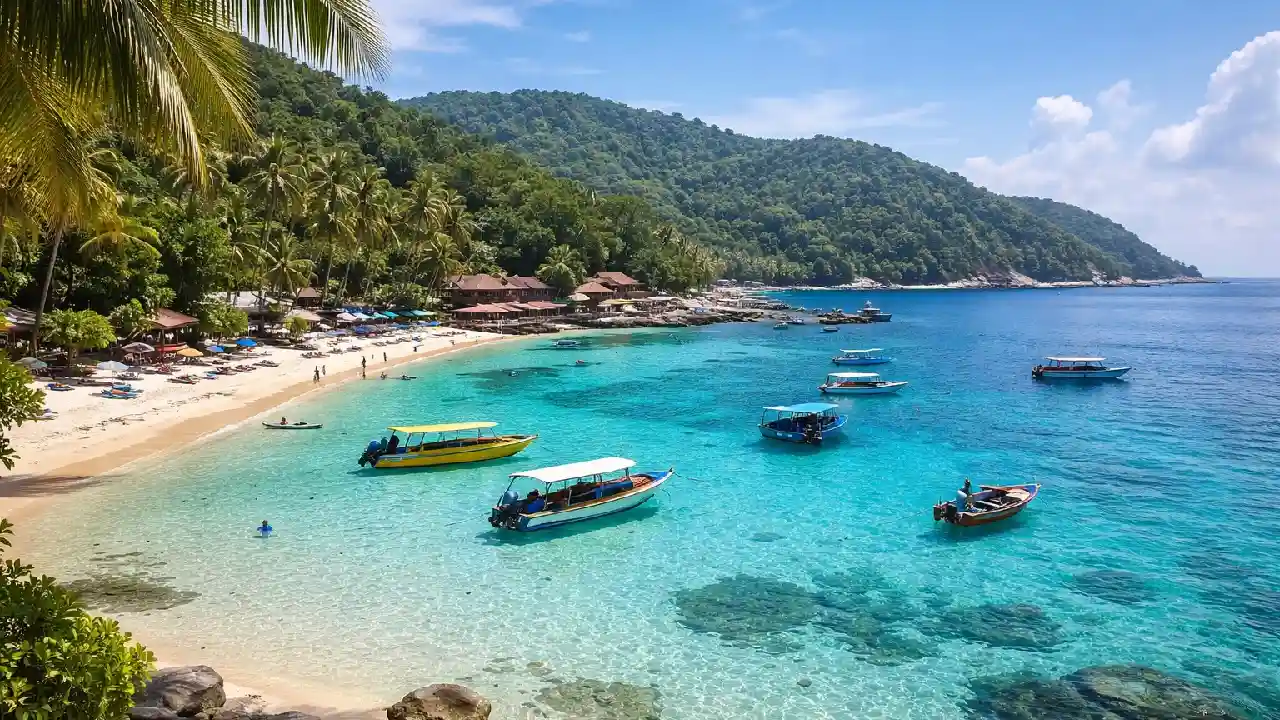
The Perhentian Islands in July represent Malaysia's ultimate beach paradise. Comprised of Perhentian Kecil (Small Island) and Perhentian Besar (Big Island), these coral-fringed gems offer different vibes for different travellers.
- Best For: Beach lovers, divers, snorkellers, budget to mid-range travellers
2. Langkawi
Langkawi shines in Malaysia’s July weather despite occasional afternoon showers. Mornings are typically dry, perfect for the famous Langkawi Cable Car, officially known as SkyCab. It takes you 708 meters above the sea level on one of the world's steepest cable car rides.
- Best For: Families, couples, nature lovers
3. Kuala Lumpur
Malaysia's capital remains vibrant throughout July, with covered walkways and indoor attractions making afternoon showers barely noticeable. The iconic Petronas Twin Towers dominate the skyline, while Batu Caves offers spiritual and physical challenges with its 272 colourful steps leading tothe Hindu temple caves.
- Best For: First-time visitors, culture enthusiasts, shopping lovers, foodies
4. Penang
The city blends Chinese shophouses, British colonial buildings, Indian temples, and Malay mosques in compact, walkable neighbourhoods. Penang's George Town, a UNESCO World Heritage Site, comes alive in July. Penang Hill offers panoramic views via a funicular railway, while Kek Lok Si Temple showcases impressive Buddhist architecture.
- Best For: Food enthusiasts, history buffs, art lovers, cultural explorers
5. Cameron Highlands
Cameron Highlands is a hill station in the Pahang state and offers a completely different Malaysian experience. The rolling tea plantations and strawberry farms dot the hillsides and create postcard-perfect landscapes.
- Best For: Couples, families, nature lovers, tea enthusiasts, cool-weather seekers
6. Tioman Island
Tioman Island in Pahang state combines beautiful beaches with excellent diving opportunities. July's dry weather makes it perfect for exploring various beaches by boat or trekking across the island through the jungle paths.
- Best For: Divers, beach lovers, duty-free shoppers, nature enthusiasts
7. Malacca
This UNESCO World Heritage Site brings Malaysian history to life along the Malacca River. The Jonker Walk Street comes alive on weekend evenings with night markets, antique shops, and street food stalls, thereby creating a festive atmosphere.
- Best For: History enthusiasts, couples, architecture lovers, foodies
Festivals and Cultural Events in Malaysia in July
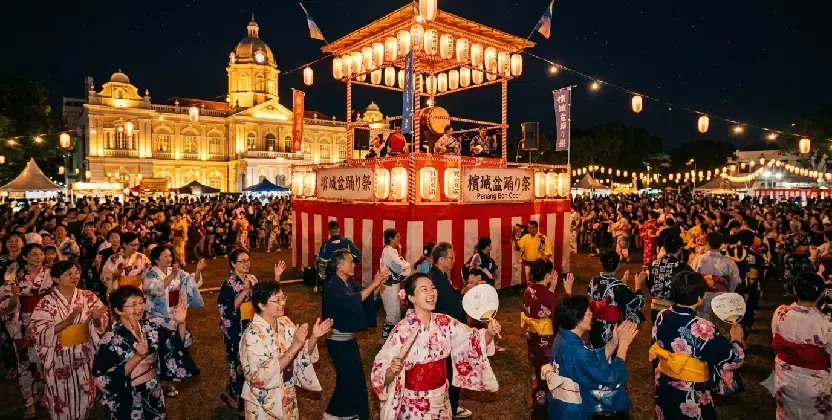
From lively cultural celebrations to traditional performances and community events, Malaysia in July offers plenty of opportunities to experience the country’s vibrant traditions. These festivals add a local touch to your holiday and let you see how Malaysia’s diverse communities celebrate their heritage.
1. George Town Heritage Day
George Town Heritage Day celebrates the city's UNESCO World Heritage designation on July 7th annually.
2. Rainforest World Music Festival
This international festival (typically in late June to early July) brings together musicians from around the globe. The jungle setting creates a unique atmosphere where traditional and contemporary music blend under the rainforest canopy.
3. Hari Raya Haji
Also known as the Festival of Sacrifice, this important Muslim celebration marks the end of the Hajj pilgrimage. Families gather for prayers, share festive meals and practise charity.
4. Penang Bon Odori Festival
This Japanese cultural celebration typically falls in late July at the Esplanade in George Town. Traditional dances, Japanese food stalls and cultural exhibitions create a multicultural experience that reflects Malaysia's diversity.
Best Things to Do in Malaysia in July
Planning a Malaysia trip in July? From island adventures and rainforest escapes to cultural experiences, street food and exciting city attractions, here are the best things to do in Malaysia in July.
1. Diving and Snorkelling
July offers peak conditions for underwater exploration. The Perhentian Islands, Redang and Sipadan provide world-class diving with excellent visibility.
2. Island Hopping
Multiple operators offer island-hopping tours around Langkawi and the east coast. Tours typically include snorkelling stops, beach visits and lunch, costing between Rs. 2,600-5,250 (RM150 to RM300) per person.
3. Hiking and Nature Trails
From Mount Kinabalu's challenging summit attempt to Cameron Highlands' gentle tea plantation walks, Malaysia’s July weather suits various fitness levels.
4. Food Adventures
Night markets (pasar malam) operate throughout the country, offering authentic local cuisine at budget prices.
Malaysia Trip Cost in July – Budget, Mid-Range & Luxury Breakdown
Wondering how much you need for a Malaysia trip in July? For Indian travellers, the total cost can range from a budget-friendly holiday to a premium getaway depending on where you stay, how you travel and what you do. Here’s a clear Malaysia trip cost breakdown for budget, mid-range and luxury travellers.
| Expense Category | Budget Traveller | Mid-Range Traveller | Luxury Traveller |
Accommodation (per night) | Rs. 1,400-2,630 (RM80-150) | Rs. 3,500-7,000 (RM200-400) | Rs. 10,500-26,250+ (RM600-1,500+) |
| Food | Rs. 530-880 (RM30-50) | Rs. 1,400-2,630 (RM80-150) | Rs. 3,500-7,000+ (RM200-400+) |
| Transportation | Rs. 350-700 (RM20-40) | Rs. 1,050-1,750 (RM60-100) | Rs. 2,630-5,250+ (RM150-300+) |
| Activities | Rs. 530-1,050 (RM30-60) | Rs. 1,750-3,500 (RM100-200) | Rs. 5,250-10,500+ (RM300-600+) |
| TOTAL (per day) | Rs. 2,800-5,250 (RM160-300) | Rs. 7,700-14,880 (RM440-850) | Rs. 21,880-49,000+ (RM1,250-2,800+) |
Essential Travel Tips for Visiting Malaysia in July
Packing Essentials
- Light, breathable clothing is essential for Malaysia's tropical climate.
- Bring a lightweight rain jacket or compact umbrella for sudden downpours.
- High SPF sunscreen, a wide-brimmed hat and sunglasses.
- Comfortable walking shoes.
Conclusion – Is July the Right Time to Visit Malaysia?
Malaysia in July offers a vibrant blend of cultural experiences, lush natural landscapes and lively city life, making it an appealing destination despite the occasional tropical rainfall. The warm weather enhances the country’s beaches, rainforests and island getaways, while festivals, local markets and diverse cuisine add depth to any visit. Explore Pickyourtrail’s Malaysia Holiday Packages for the best deals and experience the country’s rich heritage and natural beauty.
FAQs
1. Is July a good time to visit Malaysia?
Yes, July is an excellent time to visit Malaysia. The East Coast experiences peak season with perfect weather for beaches and water sports, while the West Coast has manageable afternoon showers. Both regions remain accessible, making it one of the few months when you can explore the entire country without monsoon restrictions.
2. What is the weather like in Malaysia in July?
Malaysia in July features tropical weather with temperatures ranging from 24°C to 33°C. The East Coast enjoys dry, sunny conditions ideal for beaches. The West Coast sees brief afternoon showers but remains perfectly suitable for travel. Highland areas like Cameron Highlands offer cooler temperatures between 18°C and 25°C.
3. What are the best places to visit in Malaysia in July?
The Perhentian Islands, Langkawi, Penang, Kuala Lumpur, Cameron Highlands, Tioman Island, and Malacca are top choices for July.
4. How much does a trip to Malaysia cost in July?
Budget travellers can manage on Rs. 2,600-4,400 (RM150 to RM250) per day, mid-range travellers need Rs. 5,250-8,750 (RM300 to RM500) daily, while luxury travellers should budget Rs. 10,500+ (RM600+) per day.
5. What should I pack for Malaysia in July?
Pack light, breathable clothing; a rain jacket or umbrella; high SPF sunscreen; a hat; sunglasses; and comfortable walking shoes. Include modest clothing for visiting religious sites.
6. Can you go diving in Malaysia in July?
Absolutely. July offers some of the best diving conditions in Malaysia, especially on the east coast.
7. Are there any festivals in Malaysia during July?
Yes, July features several festivals, including George Town Heritage Day, the Rainforest World Music Festival, Hari Raya Haji, Penang Bon Odori Festival and the Sabah International Folklore Festival.
8. Is Malaysia safe for solo travellers in July?
Malaysia is generally safe for solo travellers, including solo female travellers.
9. What is the best way to get around Malaysia in July?
Domestic flights connect major destinations efficiently, and budget airlines offer competitive fares. Long-distance buses provide economical alternatives. Within cities, ride-hailing apps like Grab work excellently. Ferries connect the mainland to the islands. Renting a scooter or car suits those comfortable with independent exploration.
10. How much rain does Malaysia get in July?
Rainfall varies by region. The East Coast experiences minimal rain with mostly sunny days. The West Coast sees brief afternoon showers that typically clear quickly.