
- Home
- Tourism
- New Zealand
- New Zealand Food: Traditional Dishes, Must-Try Meals & Local Food Culture Guide
New Zealand Food: Traditional Dishes, Must-Try Meals & Local Food Culture Guide
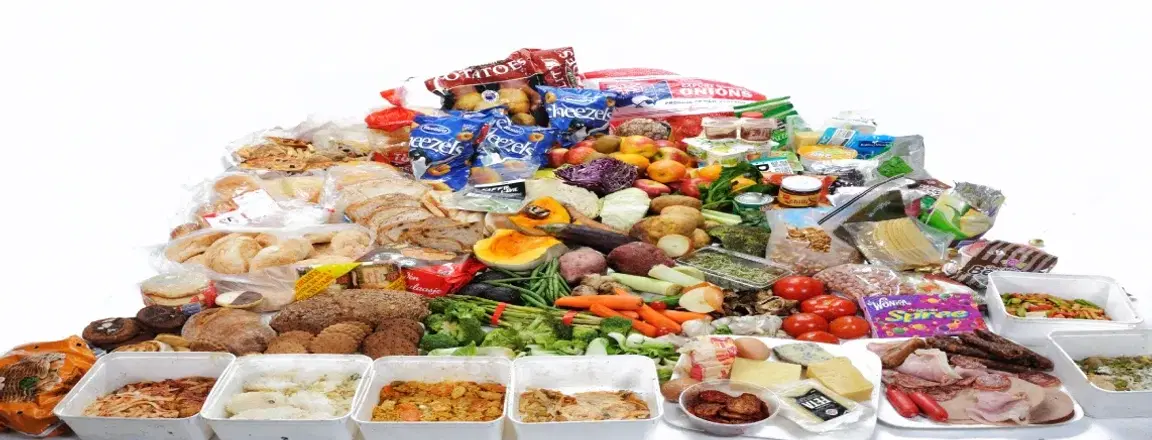
New Zealand food is deeply tied to daily life rather than formality. Meals are often enjoyed casually at cafés, local bakeries, seaside takeaways, or weekend markets, where portion sizes are generous and flavours are kept honest. Whether it’s a hot meat pie eaten on the go, fish and chips by the beach, or a slow brunch paired with expertly brewed coffee, food in New Zealand reflects an easygoing lifestyle shaped by nature and community.
The country’s cuisine is built around locally sourced ingredients such as seafood pulled from nearby waters, grass-fed meat from open pastures, seasonal fruits, and high-quality dairy. Māori food traditions, particularly hāngī cooking, form the cultural backbone of New Zealand’s culinary identity, while British influence introduced roasts, baked dishes, and pies. Over time, Pacific and Asian flavours have blended naturally into everyday eating, especially in cities.
This New Zealand food guide explains traditional dishes, popular local foods, dining habits, and what travellers should try, helping visitors understand how food fits into daily life across the country.
Also Read: New Zealand Travel Guide
What Is New Zealand Food Known For?
New Zealand food is known for its freshness, quality ingredients, and produce-led cooking. The isolated and agricultural-based culture has influenced cuisine that values natural produce. Meat pies and pavlova are widely considered national food icons, representing both everyday eating and festive occasions.
Quick highlights:
- Grass-fed lamb and beef
- World-class seafood
- Māori earth-oven cooking (hāngi)
- Iconic desserts like pavlova
- Casual café and bakery culture
Traditional New Zealand Food & Savoury Staples
1. Grass-Fed Lamb & Beef in New Zealand Cuisine
Grass-fed lamb is one of the national treasures with its tenderness and taste. It is generally roasted, slow-cooked or used in pies with high quality of beef and venison.
2. New Zealand Meat Pies: The Ultimate Kiwi Comfort Food
A true Kiwi icon, featuring flaky pastry with popular fillings like steak & cheese, bacon & egg, and creamy chicken.
3. Seafood in New Zealand: Oysters, Mussels & Crayfish
With thousands of kilometres of coastline, seafood plays a major role in New Zealand's food culture. Oysters, scallops, crayfish (lobster), snapper, and mussels are widely available and often simply prepared to let the natural flavours shine.
4. Hāngi: Traditional Māori Earth-Oven Cooking
It is a traditional Māori cuisine where meat, vegetables, and seafood are slow-cooked underground using heated stones. The result is smoky, tender food infused with earthly flavours. Hangi is common during cultural performances or festivals.
5. Classic New Zealand Fish and Chips
A classic takeaway meal, usually made with fresh local fish and enjoyed casually by the beach. This item is a must-include food in your 14 day New Zealand Itinerary if you want to taste authentic food.
Popular New Zealand Desserts, Sweet Treats & Snacks
1. Hokey Pokey Ice Cream: New Zealand’s Iconic Flavour
One of the most iconic New Zealand flavours, hokey pokey ice cream blends smooth vanilla ice cream with crunchy honeycomb toffee pieces. It is found in most supermarkets, ice cream parlours and even on the menus of high-end dessert restaurants.
2. Pavlova: New Zealand’s Famous National Dessert
A national favourite dessert made from baked meringue that’s crisp on the outside and soft inside. It is topped with whipped cream and fresh fruit such as kiwi, strawberries, or passionfruit.
3. Lolly Cake: Traditional Kiwi No-Bake Slice
A nostalgic no-bake slice prepared using crushed biscuits, marshmallows and colourful fruit lollies all held together using butter and condensed milk. It is often homemade and served at school festivals and family reunions.
4. Pineapple Lumps & Chocolate Fish
Pineapple lumps combine chewy pineapple-flavoured centres with chocolate coating, while chocolate fish are soft marshmallow treats covered in chocolate.
5. Marmite in New Zealand: How Locals Eat It
It is a strong, salty yeast spread that is enjoyed on toast or crackers in a very thin layer. The flavour and texture used in the New Zealand version are very different from the UK counterpart.
New Zealand Drinks, Fruits & Local Produce
- Manuka Honey: Manuka honey is a well-known natural product and is used as a food and wellness item in most countries around the world.
- Feijoa: An aromatic, sweet-tangy green fruit that is easily grown in home gardens. It is used in desserts, smoothies, and baking.
- Kiwifruit & Passionfruit: These are commonly used as toppings for desserts, breakfast dishes, and salads.
- L&P (Lemon & Paeroa): A drink that people are fond of. It is a carbonated soft drink first prepared out of mineral water in the town of Paeroa. Today, this is used as a tribute to the Kiwi culture.
- New Zealand Wines: Internationally recognised for cool-climate wines, especially Sauvignon Blanc and Pinot Noir, with wine regions producing crisp, aromatic, and elegant varieties.
Street Food in New Zealand: Markets, Food Trucks & Local Favourites
Street food in New Zealand thrives at weekend markets, food festivals, and community events across the country. This casual dining style is affordable and is popular with both locals and travellers looking for quick, flavourful food.
Popular Street Snacks
- Sausage sizzles: A classic example of street food in New Zealand, featuring grilled sausages served in bread, often sold at markets and fundraisers.
- Gourmet burgers: High-quality burgers made with local meat, fresh buns, and creative toppings, commonly found at food truck gatherings.
- Freshly baked pies: Warm and flaky pies, stuffed with meat or cheese, are one of the most typical street foods in New Zealand. Vegetarian options are also widely available.
Is New Zealand Food Vegetarian-Friendly?
Yes, New Zealand is very vegetarian-friendly. Most cafés and restaurants offer vegetarian and vegan options using seasonal vegetables, cheeses, grains, and legumes. Farmers’ markets and supermarkets also make plant-based eating easy for travellers.
Best Time to Visit New Zealand for Traditional Foods
The best time to visit New Zealand depends on what you want to try. For seafood, summer is the best time and for vegetarian foods in New Zealand, visit in Autumn. Winter and spring are ideal for comfort and fresh foods.
Season | Weather | Why Visit | What to Try |
| Summer | Warm, sunny | Festivals, fresh produce | Fish & chips, seafood, pavlova |
| Autumn | Mild, cool | Harvest season | Roast lamb, cheese, apples |
| Winter | Cold, snowy (Alps) | Comfort foods | Hāngi, meat pies |
| Spring | Cool, changeable | Fresh produce | Lamb dishes, seasonal baking |
Best Places to Try Authentic New Zealand Food
1. Local Bakeries for Meat Pies & Kiwi Snacks
One of the most ideal places to visit in New Zealand in order to experience everyday food is the local bakeries. The bakeries offer traditional meat pies, sausage rolls, lamingtons, and handmade bread to local preferences.
- Best For: Budget travellers & quick meals
- Starting price: INR 250–400 per item
2. Māori Cultural Villages for Traditional Hāngi
To try traditional Māori cuisine, visit cultural villages where hāngi meals are prepared using earth-oven cooking methods. These experiences combine authentic food with cultural storytelling and history.
- Best For: First-time visitors
- Starting price: INR 3,000–6,000 per person
3. Farmers’ Markets in New Zealand
The farm markets in New Zealand represent the farm-to-table culture. There will be fresh produce, small-scale cheeses, seafood, baked goods, honey, and locally made snacks, many of which are directly obtained from the growers.
- Best For: Budget travellers and food lovers
- Starting price: INR 250–750 per item
4. Coastal Fish & Chip Shops
Small seaside takeaways are unbeatable when it comes to classic fish and chips, as well as fresh seafood. Local fish is used in these spots, and it is a true example of casual kiwi dining.
- Best For: Families and beachside dining
- Starting price: INR 500–1,000 per meal
5. Local Cafés & Brunch Restaurants
Cafés in New Zealand are characterised by delicious coffee and innovative menus of brunch dishes, both traditional and modern flavours of Kiwi flavours.
- Best For: Coffee enthusiasts
- Starting price: INR 900–1,500 per dish
6. Food Trucks & Street Markets
The street food stalls and the food trucks are excellent places to sample a contemporary New Zealand cuisine, gourmet burgers, fusion meals, and a new flavour of traditional comfort food.
- Best For: Casual evening dining
- Starting price: INR 500–900 per item
7. Small-Town Restaurants & Rural Pubs
Rural towns often serve the most authentic meals, featuring locally sourced lamb, beef, seafood, and seasonal vegetables in generous portions.
- Best For: Authentic regional flavours
- Starting price: INR 1,000–1,750 per main course
New Zealand Food Etiquette, Dining Customs & Local Tips
- Casual dining culture: Meals in New Zealand are generally relaxed and informal, even in restaurants.
- No tipping expected: Tipping is not mandatory and is usually only done for exceptional service.
- Sustainable food practices: Ethical sourcing, sustainability, and waste reduction are increasingly important, with a strong emphasis on environmentally responsible dining.
- Café culture: New Zealand is famous for its café culture, brunch culture in particular, where coffee attains the highest level of professionalism, and innovative breakfast dishes are a normalised trend.
- Table service vs counter service: Many cafés require ordering at the counter rather than at the table, check before sitting.
- Respect Māori food customs: When attending a hāngi or cultural meal, follow local guidance and show respect for traditions.
- Dietary needs are welcomed: Vegetarian, vegan, and allergy requests are generally well understood and accommodated.
- Takeaway etiquette: Fish and chips, pies, and street food are often eaten casually outdoors or by the beach.
Conclusion: Why New Zealand Food Is a Must-Try Experience in 2026?
New Zealand food is a celebration of nature, culture and simplicity. The best food to eat in New Zealand is a combination of tradition, quality ingredients, and relaxed attitudes to food, such as savoury meat pies and fresh seafood, pavlova, and hangi. Whether it is your first time trying a fresh meat pie or you want to taste a typical hangi, the Maori cuisine scene is a fresh and memorable treat for every traveller. Start planning the next trip with Pickyourtrail by looking into the best New Zealand tour packages to have a memorable dining experience.
FAQs
What food is New Zealand famous for?
New Zealand is famous for grass-fed lamb, meat pies, pavlova, fresh seafood, Manuka honey, dairy products, and Māori hāngi.
Is Indian food available in New Zealand?
Yes, Indian food is widely available across New Zealand. Major cities like Auckland, Wellington, and Christchurch have numerous Indian restaurants.
Is New Zealand Food Spicy?
New Zealand food is generally mild rather than spicy. Traditional dishes focus on ingredient quality instead of heat, though Asian and Pacific influences in urban areas mean spicy options are widely available for those who prefer them.
What is the most loved food in New Zealand?
Meat pies are considered the most commonly eaten food in New Zealand. They are consumed daily as snacks or quickly throughout the country.
What is a typical meal in New Zealand?
A typical New Zealand meal often features roasted or grilled meat (such as lamb, beef, or chicken), accompanied by seasonal vegetables and potatoes.
Is New Zealand food expensive for tourists?
Food costs can be moderate to high in restaurants, especially in tourist areas. However, bakeries, supermarkets, and takeaway shops offer affordable and high-quality meals for budget travellers.
What do New Zealanders eat daily?
Locals typically enjoy simple, hearty meals that include meat pies, fresh seafood, roasted lamb or chicken, seasonal vegetables, bread, dairy products, and café-style breakfasts with high-quality coffee.