
- Home
- Tourism
- Switzerland
- Things to Do in Geneva: 10 Best Experiences
Things to Do in Geneva: 10 Best Experiences
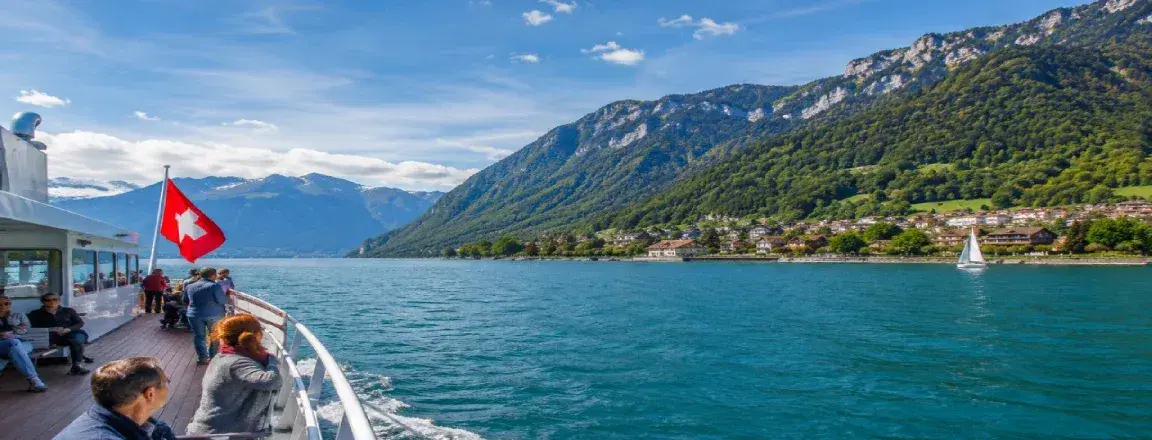
Geneva may look like a city for diplomats and luxury travellers, but some of its best experiences cost nothing at all. The best things to do in Geneva combine the city’s scenic lakefront with its historic Old Town, international landmarks, museums, cafés, and unique neighbourhoods. You can start your day watching the Jet d’Eau over Lake Geneva, explore St. Pierre Cathedral and the Old Town, and end it with a relaxed evening by the water.
This guide covers the best experiences to add to your Geneva package, including must-see attractions, free and paid experiences, local neighbourhoods, museums, day trips, estimated costs, and practical travel tips. Whether you are visiting Geneva for the first time or adding it to a wider Switzerland trip, this guide will help you decide what’s worth your time.
Quick Reference: Geneva at a Glance
Detail | Info |
| Location | Western tip of Lake Geneva (Lac Léman), French-speaking Switzerland |
| Language | French |
| Distance from Zurich | 2 hrs 40 min by direct train |
| Distance from Bern | 1 hr 50 min by train |
| Distance from Montreux | 1 hr by train |
| Airport | Geneva International (GVA) - 6 min by train to city centre |
| Best Season | May–September for lakes and outdoors; December for festive atmosphere |
| Currency | Swiss Franc (CHF); Geneva is one of the most expensive cities in Europe |
| City Pass | Geneva City Pass covers 60 activities, lake cruise, and public transport |
Best Things to Do in Geneva
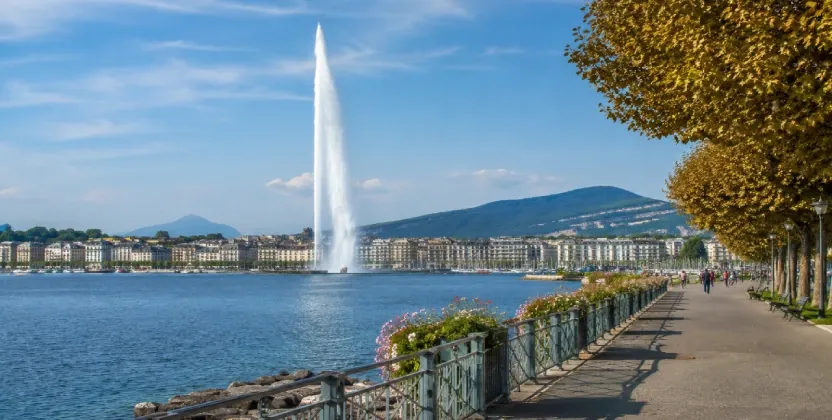
Geneva blends lakeside scenery, historic landmarks, world-class museums, and international institutions, offering plenty of experiences for every traveller. From exploring the Old Town and Jet d’Eau to cruising Lake Geneva and visiting nearby attractions, there are plenty of things to do in Geneva throughout the year.
1. Walk Along Lake Geneva and See the Jet d’Eau
Lake Geneva is at the heart of the city, with scenic promenades, parks, marinas and the Swiss Alps. Walking along the waterfront is one of the simplest ways to enjoy Geneva.
The highlight is the Jet d’Eau, Geneva’s iconic fountain that shoots water 140 metres into the air. Walk along the pier for a closer view, but be prepared for a little spray on windy days. For beautiful sunset views, head to Quai du Mont-Blanc or Jardin Anglais.
Best Things to Do Around the Waterfront
- Walk between Jardin Anglais and Quai du Mont-Blanc
- Watch the sunset over the lake
- Relax at a lakeside café
- Photograph the Jet d’Eau from different angles
- Enjoy an evening walk
Cost: Free
2. Explore Geneva Old Town (Vieille Ville)
Geneva’s Old Town is the city’s historic heart, filled with cobbled lanes, hidden courtyards, historic fountains, antique shops, and centuries-old buildings.
At its centre is St. Pierre Cathedral, where John Calvin preached during the Reformation. Climb the cathedral tower for panoramic views of the city, lake, Jet d’Eau, and Alps. Nearby, Place du Bourg-de-Four, Geneva’s oldest square, is ideal for a coffee or relaxed breakfast.
Things to Do in the Old Town
- Climb St. Pierre Cathedral tower
- Wander through historic lanes
- Visit cafés and chocolate boutiques
- Browse antique shops and bookstores
- Relax at Place du Bourg-de-Four
Cost: Cathedral tower climb around CHF 7–9 (₹825–₹1,060)
3. Take a Scenic Cruise on Lake Geneva
A cruise on Lake Geneva offers a different perspective of Geneva, with views of the city skyline, Alps, vineyards, and waterfront.
The historic CGN boats, including Belle Époque paddle steamers, make even a short cruise memorable. A one-hour ride is enough to enjoy the scenery and capture great photographs.
Why Take a Cruise?
- Enjoy panoramic city views
- See the Alps and vineyards from the water
- Take memorable photographs
- Ride a historic paddle steamer
- Escape the city’s busy streets
Cost: One-hour scenic cruise, CHF 20–30 (approx. ₹2,355–₹3,530); many routes are included with the Swiss Travel Pass.
4. Experience Geneva’s Café and Chocolate Culture
Geneva’s French influence is easy to spot in its cafés, bakeries, chocolate boutiques, and outdoor terraces. The Old Town, Rue du Rhône, and Carouge are great places to enjoy this relaxed café culture.
Try Swiss hot chocolate, fresh pastries, artisan pralines, truffles, or a lakeside brunch.
Item | Approx. Cost |
| Coffee | CHF 5–7 (₹590–₹825) |
| Hot chocolate | CHF 8–12 (₹940–₹1,410) |
| Chocolate gift box | CHF 15–40 (₹1,765–₹4,710) |
5. Visit the United Nations Headquarters
Geneva is a major centre of international diplomacy, and the Palais des Nations offers a glimpse into this world. Guided tours take visitors through important assembly halls, conference rooms, and diplomatic spaces.
Nearby, the Broken Chair sculpture stands as a symbol against landmines and war. You can also explore the peaceful Ariana Park around the complex.
Highlights
- Take a guided UN tour
- See historic diplomatic chambers
- Visit the Broken Chair
- Walk through Ariana Park
Cost: Guided tour around CHF 15 (₹1,765); passport or ID required.
6. Visit the International Red Cross and Red Crescent Museum
Located near the Palais des Nations, this museum explores the history of humanitarian action, from the founding of the Red Cross in Geneva to modern conflict response.
The exhibits are engaging and thought-provoking, and the museum pairs well with a visit to the UN headquarters.
Cost: Around CHF 15 (₹1,765)
7. Relax at Bains des Pâquis
Bains des Pâquis is a favourite local spot on a pier extending into Lake Geneva. It combines a public bathing area, swimming platform, café, sauna, and social space.
In summer, locals come here to swim and relax by the lake, while winter brings visitors to its saunas and hammams. A sunrise visit is especially beautiful when the lake is calm and the Alps appear behind the city.
Things to Do
- Swim in Lake Geneva
- Relax by the water
- Enjoy breakfast at the café
- Use the sauna and steam facilities
- Watch the sunrise or sunset
Cost: General entry CHF 2–5 (₹235–₹590); sauna access CHF 20–30 (₹2,355–₹3,530)
8. Explore Carouge, Geneva’s Most Characterful Neighbourhood
Just outside central Geneva, Carouge feels more like a charming Italian town than a Swiss city. Its 18th-century architecture, artisan boutiques, cafés, wine bars, vintage shops, and local markets give it a distinct character.
It is a great place to slow down, enjoy café culture, shop locally, and escape the busier tourist areas.
Best Experiences
- Go café hopping
- Browse independent boutiques
- Visit local markets
- Try Swiss and French wines
- Explore quieter streets
Cost: Café meals CHF 15–30 (₹1,765–₹3,530); dinner with wine CHF 30–60 (₹3,530–₹7,060)
9. Visit CERN Science Gateway
For science and technology enthusiasts, CERN Science Gateway is one of Geneva’s most unique attractions. Home to the Large Hadron Collider, CERN is where the Higgs boson was confirmed in 2012.
The Science Gateway brings particle physics to life through interactive exhibits, immersive installations, and educational films. It is an engaging experience even for visitors without a science background.
Why Visit?
- Explore interactive science exhibits
- Learn about particle physics and space
- Join guided CERN tours
- Experience cutting-edge research
Cost: Entry is free. Guided tours require advance reservations.
10. Visit the Patek Philippe Museum
Geneva is famous for Swiss watchmaking, and the Patek Philippe Museum offers a fascinating look at its history. The collection includes antique clocks, pocket watches, enamelled pieces, and intricate mechanical timepieces dating back centuries.
Highlights
- Historic Swiss watches
- Rare enamel craftsmanship
- Complex mechanical timepieces
- Watchmaking history from the 16th century onwards
Cost: Around CHF 10 (₹1,175)
Best Day Trips from Geneva
One of Geneva’s biggest advantages is its location. The city provides easy access to the Alps, lakeside towns, vineyards, and even France, making it an excellent base for day trips.
Destination | Travel Time | Highlight | Approx. Cost |
| Montreux | ~1 hour | Lakeside promenades, Chillon Castle, vineyard scenery | Chillon Castle entry CHF 15 (₹1,765) |
| Lausanne | ~40 minutes | Olympic Museum, Lavaux vineyards | Varies by activity |
| Chamonix | ~1.5 hours | Mont Blanc region via Aiguille du Midi cable car | EUR 75–85 (₹7,300–₹8,280) |
| Glacier 3000 | Varies by route | Year-round snow and panoramic mountain views | CHF 80–95 (₹9,420–₹11,190) |
Practical Tips for Geneva
- Get a Geneva Transport Card: Most hotels provide one free at check-in, covering buses, trams, and local trains during your stay.
- Combine nearby attractions: Visit the Palais des Nations and Red Cross Museum on the same day, as both are located in Geneva’s diplomatic quarter. For a fully planned trip that pairs Geneva with the rest of Switzerland, you can plan a customised Switzerland tour package from Pickyourtrail.
- Book CERN tours early: Guided tours can fill up quickly, so reserve your slot well in advance.
- Mix free and paid attractions: Geneva can be expensive, so save money with free experiences such as the lakefront, Old Town, Jardin Anglais, and CERN Science Gateway.
- Carry your passport for Chamonix: If you plan a day trip to Chamonix, remember that it is in France, so carry your passport for the border crossing.
Conclusion: Why You'll Love All the Things to Do in Geneva
Geneva is not a city built around fast-paced sightseeing. The best things to do in Geneva are best experienced through its lakeside walks, slow cafe mornings, scenic cruises, historic streets, cultural institutions, and relaxed evenings beside the water. The city combines Swiss efficiency with French elegance, creating an experience that feels refined, international, and surprisingly peaceful compared to many major European destinations.
FAQs
What are the best things to do in Geneva?
The Jet d'Eau, Old Town and St. Pierre Cathedral tower, a Palais des Nations tour, the Red Cross Museum, a Lake Geneva cruise, Rue du Rhône for watch shopping, the Patek Philippe Museum, and a day trip to Lausanne or Chamonix cover the essentials.
Are there free things to do in Geneva?
Yes. The Vieille-Ville walk, Parc des Bastions and the Reformation Wall, Jardin Anglais and the Flower Clock, the Jet d'Eau viewpoint, lakeside promenades, and CERN's Science Gateway entry are all free.
Are things to do in Geneva expensive?
Geneva is one of Europe's more expensive cities. A daily budget of roughly CHF 120–700 (approx. ₹14,100–₹82,400) is realistic depending on your activities, accommodation, and dining choices. The free Geneva Transport Card from your hotel meaningfully cuts down local transport costs.
How many days are enough for Geneva?
2 to 3 days cover the main attractions like Old Town, the lakefront, museums, cafés, and a nearby day trip.
What is Geneva famous for?
The Jet d'Eau fountain, the United Nations headquarters, luxury watches, Swiss chocolate, CERN, and its setting on Lake Geneva.
What are the best day trips from Geneva?
The best day trips from Geneva include Montreux, Lausanne, Chillon Castle, Chamonix-Mont-Blanc, and Glacier 3000. Most can be visited within a day, with travel times varying by destination.
What is the Geneva Transport Card and how do I get one?
The Geneva Transport Card is a free public transport pass covering buses, trams, and local trains during your stay. Most Geneva hotels provide it automatically at check-in, but you can ask for one if it is not offered.
What are the best places to visit in Geneva for first-time visitors?
First-time visitors should prioritise the Jet d’Eau, Geneva Old Town, St. Pierre Cathedral, Lake Geneva, Palais des Nations, CERN Science Gateway, and Carouge. These attractions cover Geneva’s main historic, cultural, scientific, and scenic highlights.
What are the best things to do in Geneva at night?
The best things to do in Geneva at night include walking along the illuminated lakefront, seeing the Jet d’Eau after sunset, exploring the Old Town, enjoying dinner at a lakeside café, and experiencing Geneva’s relaxed evening atmosphere.
What are the best places to visit in Geneva with family?
The best places to visit in Geneva with family include the Jet d’Eau, Lake Geneva, CERN Science Gateway, Geneva Old Town, Patek Philippe Museum, and Bains des Pâquis. These attractions offer a mix of scenic, educational, cultural, and relaxing experiences.