Thailand Laws for Tourists (2026): Rules, Cultural Etiquette & Travel Guide for Indians
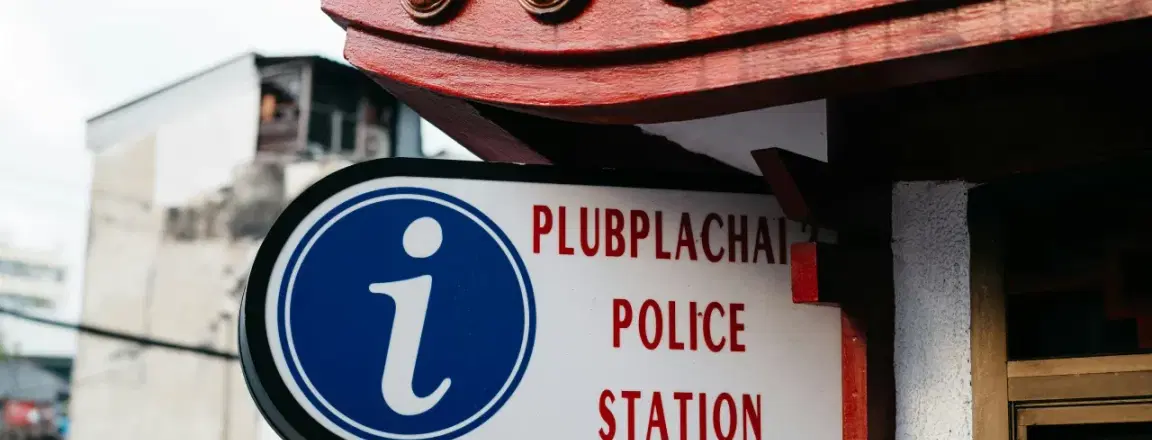
Are you planning a trip to Thailand? The country has a distinct set of laws and cultural expectations that visitors are expected to respect. Understanding these Thailand Laws can help you avoid unintended mistakes and ensure a respectful visit. These laws reflect the nation’s deep-rooted cultural values and respect for the monarchy, where any form of criticism is treated with utmost seriousness. Beyond legal rules, visitors are also expected to dress modestly and remove their shoes before entering sacred places. While these practices may seem small, ignoring them can lead to serious consequences.
Why Thailand Is the Top International Destination for Indian Travellers in 2026?
Thailand is considered a budget-friendly and safe international destination for Indian tourists. With its perfect mix of affordability, visa-friendly policies, short flight durations from major Indian cities, and diverse experiences, Thailand has become the top international getaway for Indian travellers. From the vibrant nightlife of Bangkok and the stunning beaches of Phuket and Krabi to rich cultural sites and delicious street food, it checks every box for a hassle-free vacation.
For a detailed cost breakdown, check out our Thailand budget travel guide from India to plan your expenses better.
Thailand Laws for Tourists: Complete Legal Guide to Thailand Rules & Regulations
Thailand is a welcoming destination for Indian tourists, but its laws are taken seriously and even small violations can lead to heavy fines or jail. Drug laws are particularly harsh, so avoid carrying or using any illegal substances, which are banned. By staying aware and respectful of local laws and customs, travellers can enjoy Thailand safely and without complications.
1. Thailand Lèse-Majesté Law (Royal Insult – Section 112)
This is one of the most important Thailand law that every tourist must understand. Under Section 112 of the Thai Criminal Code, insulting, defaming, or threatening the Royal Family is a criminal offence. The penalty is 3 to 15 years in prison per count.
What catches tourists off guard:
- Liking or sharing a social media post critical of the monarchy
- Tearing, stepping on, or defacing Thai Baht as the currency has the King's image
- Posting photos that could be interpreted as disrespectful to royalty
2. Vaping and E-Cigarettes Are Completely Banned
Under current Thailand laws on vaping, e-cigarettes have been illegal since 2014. This is the law that catches the most Indian tourists. Thailand also runs a public reward scheme. Any Thai citizen who reports a vaping tourist to the police can receive up to 60% of the fine imposed on you.
Penalties:
- Airport confiscation + fine of Rs. 12,000–Rs. 48,000 (5,000–20,000 THB)
- Street use: fine of Rs. 48,000–Rs. 72,000 (20,000–30,000 THB) during active enforcement
- In serious cases, up to 10 years in prison for importing banned goods
3. Thailand Drug Laws for Tourists
Thailand has some of the strictest drug regulations in Asia. Possession of illegal drugs can lead to heavy fines or imprisonment. Drug Trafficking can even lead to the death penalty.
Smoking cannabis in public is illegal. If any Thai citizen reports, you can be charged under the Public Health Act with a fine of 25,000 THB (~Rs. 60,000) or 3 months in jail.
4. Alcohol Laws in Thailand
The legal drinking age in Thailand is 20 years old. Serving alcohol to anyone under 20 is a criminal offence. Alcohol sale timings may vary by region. Many areas still restrict sales between 2–5 PM.
However, there are some considerations while buying alcohol:
- Alcohol sales are completely banned on major Buddhist holidays (Makha Bucha, Visakha Bucha, Asanha Bucha).
- General retail sales are restricted between midnight and 11 AM (except licensed hotels, international airport terminals and authorised entertainment venues).
- Posting photos of people drinking in inappropriate settings or wearing culturally offensive clothing can be a criminal offence. Both persons can be fined or imprisoned.
5. Smoking Laws in Thailand
Traditional smoking is legal but travellers should be mindful to avoid fines or unwanted trouble. Designated smoking zones are usually available in cities, so it’s best to look for clearly marked areas before lighting up your cigarettes.
- Smoking is banned in most public areas. Fines for public smoking can reach up to 5,000 THB (~Rs. 12,000).
- If your smoke or smell bothers someone, you can additionally be charged under the Public Health Act.
- Smoke only in designated smoking areas.
6. Temple Etiquette in Thailand
When visiting temples in Thailand, showing respect for local customs is essential to have a welcoming experience.
- Dress modestly by covering your shoulders and knees when visiting temples (Wats).
- Remove your shoes before entering temples and many traditional homes.
- Avoid touching religious statues or pointing your feet toward Buddha images.
- When interacting with monks, maintain a respectful distance. Women especially must not hand anything directly to a monk.
- At 6 PM daily, the Thai national anthem plays in public places. Stand still and respectfully.
7. Driving in Thailand: Licence Rules for Indian Tourists (Scooters & Bikes)
In Thailand, riding a scooter or motorbike is one of the easiest and most enjoyable ways to get around. But it’s important to understand the licensing rules before you hop on.
- A standard Indian car driving licence is not valid for riding motorbikes in Thailand.
- You need a valid Full Motorcycle Licence from India plus an International Driving Permit (IDP) with the motorcycle stamp.
- Fines for riding without the correct licence range from 500–1,000 THB, but accidents without valid insurance can have far more serious consequences.
8. Other Important Thailand Laws Tourists Should Know
- Stepping on money: Stepping on money in Thailand is considered highly disrespectful. Thai currency features images of the revered monarch, and because the monarchy is deeply respected in Thai culture, any act that appears to dishonour these images is seen as offensive.
- Wildlife and souvenirs: Buying, selling, or possessing protected animal products (shells, coral, ivory, certain animal parts) is illegal and can lead to arrest and confiscation.
- Public nudity: Illegal everywhere. Topless sunbathing is technically prohibited, though enforcement varies.
Thailand Visa Rules for Indians (2026): Visa-Free Entry, TDAC & Requirements
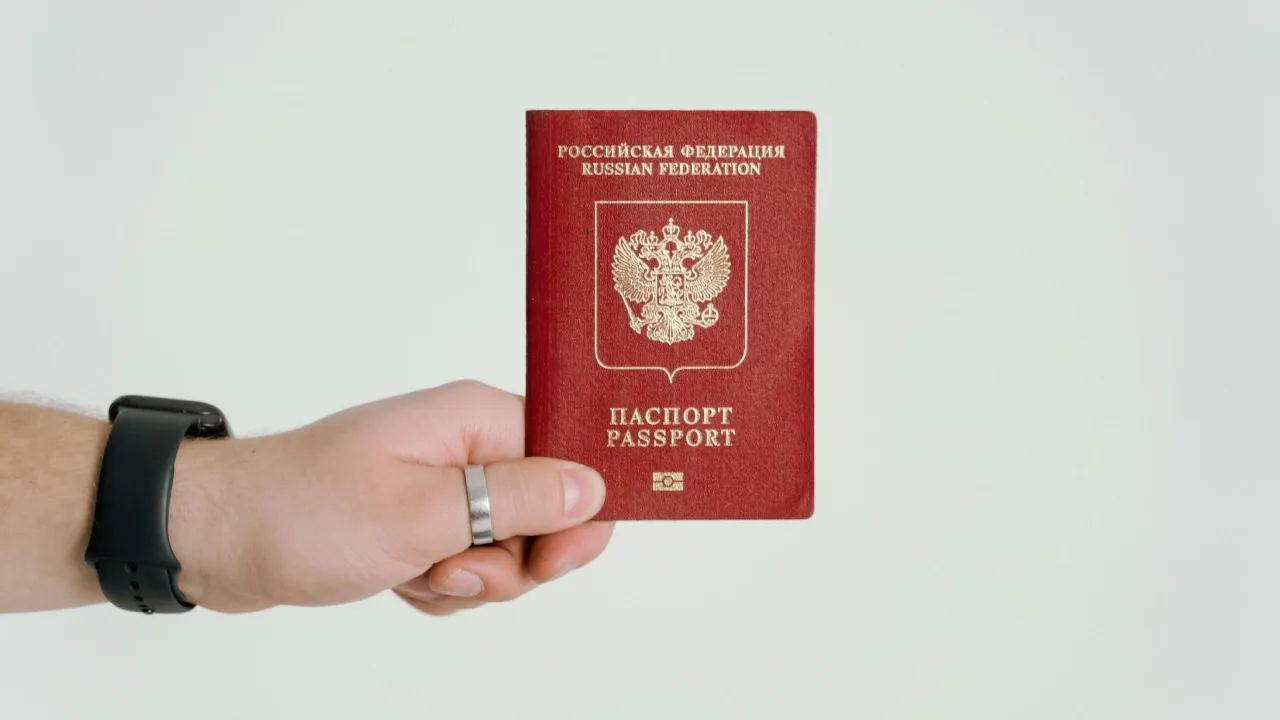
Indian passport holders can travel to Thailand visa-free for up to 60 days, which can be extended by an additional 30 days. However, it is mandatory to fill out the form for the Thailand Digital Arrival Card (TDAC), regardless of visa type.
For a detailed breakdown of visa fees and application steps, refer to our Thailand Visa for Indians guide.
How to complete the TDAC:
- Visit immigration.go.th or download the official Thailand Immigration app
- Fill in passport details, flight information, accommodation address, and health status
- Submit within 72 hours before your departure
- Download and save your QR code. This should be presented at immigration on arrival
NOTE: Airlines are required to check TDAC at check-in. Failure to complete it = denied boarding.
Documents to Carry
- Valid Indian passport (minimum 6 months validity)
- TDAC QR code (downloaded on phone or printed)
- Confirmed flight tickets
- Proof of accommodation (hotel booking confirmation)
- Proof of funds: at least 10,000 THB per person (~Rs. 24,000) for individuals, or 20,000 THB (~Rs. 48,000) per family.
Other Visa Options
- Visa on Arrival (VOA): Available at 10 major airports and valid for 15 days only. The fee is 2,000 THB (~Rs. 4,800). Not recommended if you are planning to stay longer.
- Thailand Tourist Visa (TR): For stays over 60 days. You can apply via thaievisa.go.th and the processing time takes around 14 working days.
- Destination Thailand Visa (DTV): This visa is valid for up to 180 days per visit and offers multi-entry for 1 year.
Thailand Travel Tips for Indian Tourists: Dos and Don’ts
- Complete your TDAC early and don't wait for the last hour before your flight.
- Leave your vape at home.
- Dress modestly at temples and carry a light scarf in your day bag.
- Don't disrespect the monarchy.
- Use authorised money exchangers for better rates than airports.
- Thai SIM cards are cheap. Buy an AIS or DTAC tourist SIM at the airport for Rs. 500–Rs. 800 with 15–30 days data.
- Download Grab for transportation for safer and more transparent pricing. You can also book your private transfers with our all-customisable Thailand Tour Packages for a more hassle-free experience.
- Travel insurance is recommended for medical emergencies and trip cancellations.
- Emergency numbers: Tourist Police: 1155, General Emergency: 191, Ambulance: 1669.
Ready to Book Your Thailand Trip?
The most important Thailand laws tourists should follow include strict rules around the monarchy, vaping bans, drug regulations, alcohol restrictions, and cultural etiquette in temples. These laws may feel unfamiliar, but respecting them is key to enjoy a smooth and enjoyable trip. From strict rules around royal respect and public behaviour to regulations on visas, drugs, and local customs, following these local guidelines will make this country welcoming and rewarding.
FAQ
Q1. Do Indians Need a Visa to Visit Thailand in 2026?
No. Indian passport holders can enter Thailand visa-free for up to 60 days for tourism and short business visits. However, the Thailand Digital Arrival Card (TDAC) is mandatory for all travellers and must be completed online within 72 hours before departure. Without it, you will be denied boarding.
Q2. Is Vaping Allowed in Thailand for Tourists?
No. Vaping has been completely banned in Thailand since 2014. Possession, import, or use of any vaping device, including nicotine-free products, can result in fines of 20,000–30,000 THB (~Rs. 48,000–Rs. 72,000), arrest and up to 10 years imprisonment.
Q3. What Happens If You Overstay in Thailand?
Overstaying leads to fines (500 THB per day), detention at immigration, deportation and future entry bans. Apply for an extension at a Thai immigration office before your 60 days are up. Extensions cost 1,900 THB.
Q4. Is Thailand Safe for Indian Travellers Right Now?
Yes. Thailand is generally safe for Indian tourists. The Indian MEA has no active advisory against Thailand. The Tourist Police helpline 1155 operates 24×7 in English.
Q5. Can Tourists Talk About the Thai King?
Yes. Thailand's lèse-majesté law (Section 112) criminalises insulting the Royal Family with up to 15 years per count. This applies to foreigners and extends to social media posts, shared articles, and even private messages. Avoid any discussion of the monarchy.
Q6. What Is the Thailand Digital Arrival Card (TDAC)?
The Thailand Digital Arrival Card (TDAC) is a mandatory digital immigration form. It is not a visa, but a pre-arrival registration required for all visitors regardless of visa type. Fill it at immigration.go.th within 72 hours before your flight. It's free of charge.