
- Home
- Tourism
- United Kingdom
- Oxford
- Best Time to Visit Oxford
Best Time to Visit Oxford
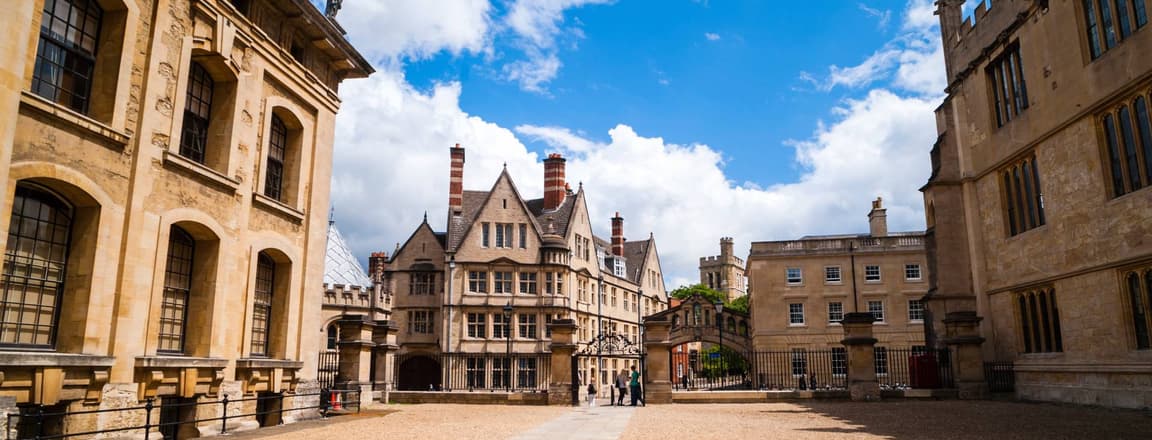
Oxford, as it were, is not merely a city; it is a living library, with an array of cobbled lanes, Gothic spires, and little riverside walks to keep the soul happy. Oxford is known for its world-famous university and endless literary connections. History and academia blend effortlessly with daily life at Oxford. Whereas, at one moment, you are downing espresso at an age-old café, whizzing along the River Thames in a classic punt is on the agenda next. When is the best time to visit Oxford? That entirely depends on which part of the city's personality you wish to mingle with. But to help you with planning for a storybook-perfect trip, let's rally the city into its seasonal moods.
Best Time to Visit Oxford: Weather by Month
Months | Season | Average Temperature | What to Expect |
| March–May | Spring | 7°C–17°C | Mild weather, blooming gardens and fewer crowds |
| June–August | Summer | 13°C–25°C | Warmest months, long days, punting and busy attractions |
| September–November | Autumn | 8°C–18°C | Cooler weather, autumn colours and fewer tourists |
| December–February | Winter | 1°C–9°C | Cold, shorter days, fewer crowds and potentially lower prices |
Best Time to Visit Oxford by Travel Preference
- Best time for sightseeing: May to September
- Best time for punting: June to August
- Best time for fewer crowds: March to May or September to November
- Best time for budget travel: December to February
- Best time for gardens: April to May
- Best time for outdoor activities: June to September
Oxford in Spring: March to May
Oxford begins to bloom both literally and academically. The city's parks, like the University Parks and the Botanic Garden, are a riot of colour, while students bustle around campus in tweed and trainers. It’s the season of fresh air, fresh minds, and fresh flowers.
Highlights:
- Stroll through Christ Church Meadow when the daffodils are out in full force.
- May Day celebrations on Magdalen Bridge are complete with choirs at sunrise and punting in the afternoon.
- Enjoy tranquil garden tours before summer tourist crowds arrive.
- Open-air theatre performances and early music festivals start to pop up across colleges.
Oxford in Summer: June to August
Summer wraps Oxford in warm sunlight and lively energy. It’s the busiest time of year, with tourists, students, and international summer school attendees all jostling through the alleyways. The golden Cotswold stone seems to glow, and the lawns are picnic-perfect.
Highlights:
- The punting season is in full swing. Hire a boat and drift lazily down the Cherwell.
- Attend concerts and plays during the Oxford Festival of the Arts.
- Explore the college gardens, many of which are open only in summer.
- Best season for guided walking tours (and Harry Potter filming location hunts).
Oxford in Autumn: September to November
As the crowds thin out and leaves begin to crunch underfoot, Oxford regains its quiet dignity. Students return, tourists depart, and the spires loom a little more dramatically under the golden autumn sun. This is the season for slow walks and slower sips of tea.
Highlights:
- Attend the Oxford Open Doors weekend in September to see hidden parts of the university.
- Discover the best of the Bodleian Libraries as the air turns crisp and cozy.
- Time your visit with the Oxford Literary Festival (some years it moves around), which brings bookworms to town.
- Café-hop around Jericho and Cowley Road for locally roasted brews and indie bookstore browsing.
Oxford in Winter: December to February
Oxford in winter is like moving through a Victorian novel. The mist hangs low, the streets are quiet, and the colleges are a delight to see all lit with holiday charm. If you don't mind putting on a couple of layers, then winter becomes the most intimate and romantic season for traversing.
Highlights:
- Enjoy the Christmas Light Festival with carol concerts and seasonal markets.
- Wander through a snow-dusted Radcliffe Square—magical and uncrowded.
- Warm up in the Ashmolean Museum or catch a play at the Oxford Playhouse.
- Take advantage of lower accommodation rates and fewer tourist queues.
Pro Tips for Planning Your Oxford Trip
- Spring (Mar-May): Perfect for flower-filled gardens and comfortable sightseeing. Bring a light coat and walking shoes.
- Summer (Jun–Aug): Book accommodations early and expect crowds, but also festivals, open gardens, and punting.
- Autumn (Sept–Nov): Best for a peaceful, cultural visit. Think trench coats, leather-bound journals, and hot drinks by a window.
- Winter (Dec–Feb): Off-season prices and poetic vibes. Ideal for introverts, couples, and those who enjoy a moody sky and historic ambience.
Conclusion
For most travellers from India, May to September is the best time to visit Oxford. These months offer milder weather, longer days and better conditions for exploring the city on foot. If you prefer blooming gardens and a quieter atmosphere, choose spring. For open-air activities and the liveliest city experience, summer is the strongest choice. Autumn suits travellers looking for cooler weather and fewer crowds, while winter works well for budget-conscious visitors who do not mind shorter, colder days.
Before booking your UK trip, consider the weather, accommodation prices, daylight hours and the experiences you want most. Choosing your travel month around these factors can help you enjoy Oxford at its best without stretching your itinerary or budget.
FAQs
1. What is the best time to visit Oxford?
A: May to September is generally the best time to visit Oxford, with milder weather, longer daylight hours and good conditions for walking tours, sightseeing and punting.
2. Which month is best for visiting Oxford?
A: June is a good choice for visiting Oxford because of its long daylight hours, pleasant summer weather and excellent conditions for outdoor sightseeing and punting.
3. What is the best time to visit Oxford from India?
A: May to September is usually the best time for travellers from India, offering comfortable weather and longer days for exploring Oxford's colleges, museums, gardens and historic streets.
4. What is the best season to visit Oxford?
A: Summer, from June to August, is the best season for most visitors because of longer days, warmer weather and more outdoor activities. Spring and early autumn are better for fewer crowds.
5. Is Oxford worth visiting in winter?
A: Yes, Oxford is worth visiting in winter if you prefer fewer tourists, quieter attractions and potentially lower accommodation prices. However, expect colder weather, shorter daylight hours and a higher chance of rain.
6. What is the cheapest time to visit Oxford?
A: Winter is generally the most budget-friendly period, particularly outside the Christmas and New Year holiday period. Accommodation prices and tourist demand can be lower than during the summer peak.
7. How many days are enough for Oxford?
A: Two to three days are usually enough to explore Oxford's major colleges, museums, historic streets, gardens and nearby attractions without rushing.
8. Does it rain a lot in Oxford?
A: Oxford can experience rain throughout the year, so carrying a compact waterproof jacket or umbrella is useful regardless of when you visit. Summer is generally more comfortable for outdoor sightseeing, but showers can still occur.
9. What should I wear in Oxford?
A: Wear comfortable walking shoes and dress in layers. Carry a waterproof jacket or umbrella, especially in spring, autumn and winter, as weather can change during the day.
10. Is summer a good time to visit Oxford?
A: Yes, summer is an excellent time to visit Oxford for walking tours, punting, gardens and outdoor events. However, it is also the busiest season, so booking accommodation and popular activities in advance is recommended.
11. Is spring a good time to visit Oxford?
A: Yes, spring is a good time to visit Oxford for blooming gardens, comfortable sightseeing weather and fewer crowds than the summer peak. May is particularly suitable for outdoor activities.
12. Is September a good time to visit Oxford?
A: Yes, September can be a good time to visit Oxford, with cooler weather than peak summer and good conditions for walking and sightseeing. It can also offer a quieter experience than June to August.