
- Home
- Attractions
- Bali
- Bajra Sandhi Monument: The Heart of Balinese Heritage
Bajra Sandhi Monument: The Heart of Balinese Heritage
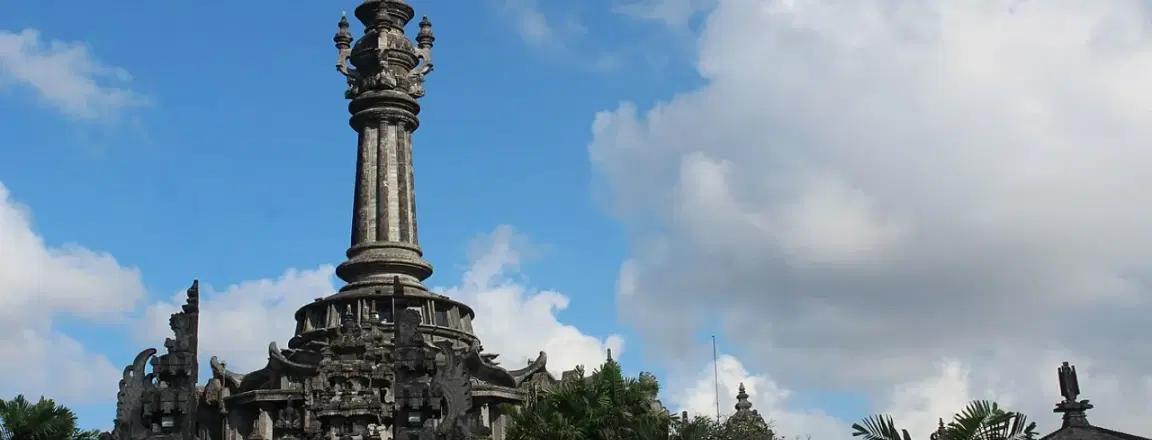
Standing tall at 45 meters, gracefully in the heart of Denpasar, is the architectural marvel - Bajra Sandhi Monument. Also known as Monument Perjuangan Rakyat Bali, Bajra Sandhi Bali is one of the most important monuments in Bali, reflecting the island's history and culture. This monument is a powerful window to reflect on the past of Balinese history and the centuries-long struggle to preserve the identity and independence of their people from the Dutch Colonials. It is built over an area of 4900 square metres. At the monument, there are 17 gates from where people can enter, 8 pillars, each representing a crucial part of Bali's struggle for independence and eventual victory. It is not just one of the historical places in Bali, but a museum to feel the pain of Balinese people, and you must visit it on your Bali trip!
Why the Bajra Sandhi Monument Was Built: History, Meaning & Symbolism
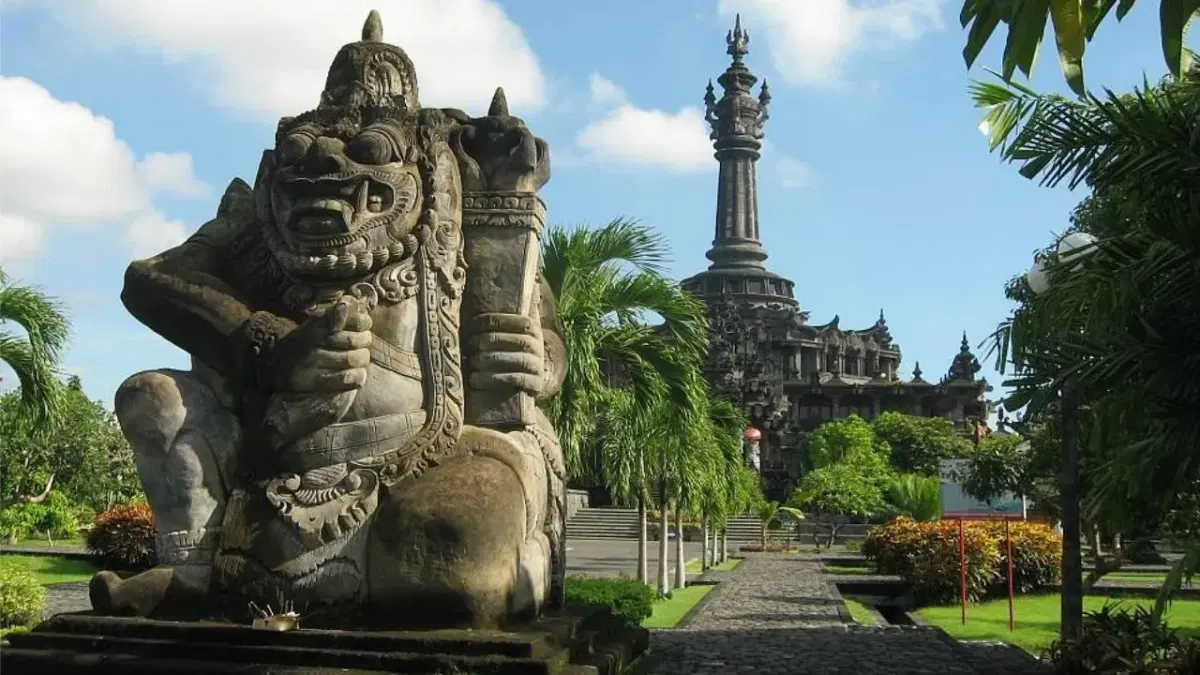
In memory of the Balinese people's long struggle against colonial domination under the Dutch, the Bajra Sandhi Monument was built. The construction of the monument started in 1981, and after years of development, it was finally inaugurated in 2003. There is profound symbolic meaning in the name of the monument. The sacred bell rung by Hindu priests during ceremonies, known as a bajra, represents purity and the power of the divine. Sandhi is a symbol of change and hardship. The name represents a combination of the Balinese people's spiritual and physical struggles throughout their history. It is built in the traditional Balinese architectural style and follows the Tri Mandala concept, a holy spatial hierarchy in Balinese Hinduism.
In 2026, the monument will continue to preserve the Balinese heritage through improved museum displays and visitor-friendly pathways, making its historical narrative more accessible to modern travellers.
Bajra Sandhi Monument Location
It is situated in the Renon, Denpasar neighbourhood, which is among the most peaceful and well-organised areas within Bali. It is located at the heart of Lapangan Renon (Renon Park), a vast green park that is usually frequented by the locals in the morning to walk, practice yoga or have community meetings.
The location of this monument is such that it is very convenient to visit on a tour around Denpasar city, particularly when one is exploring Bali for something other than its beaches and the night life.
Address: 86HJ+9X5, Jl. Raya Puputan No. 142, Renon, Denpasar Selatan, Kota Denpasar, Bali 80234, Indonesia
The 3 Stages of Bajra Sandhi: What to See Inside
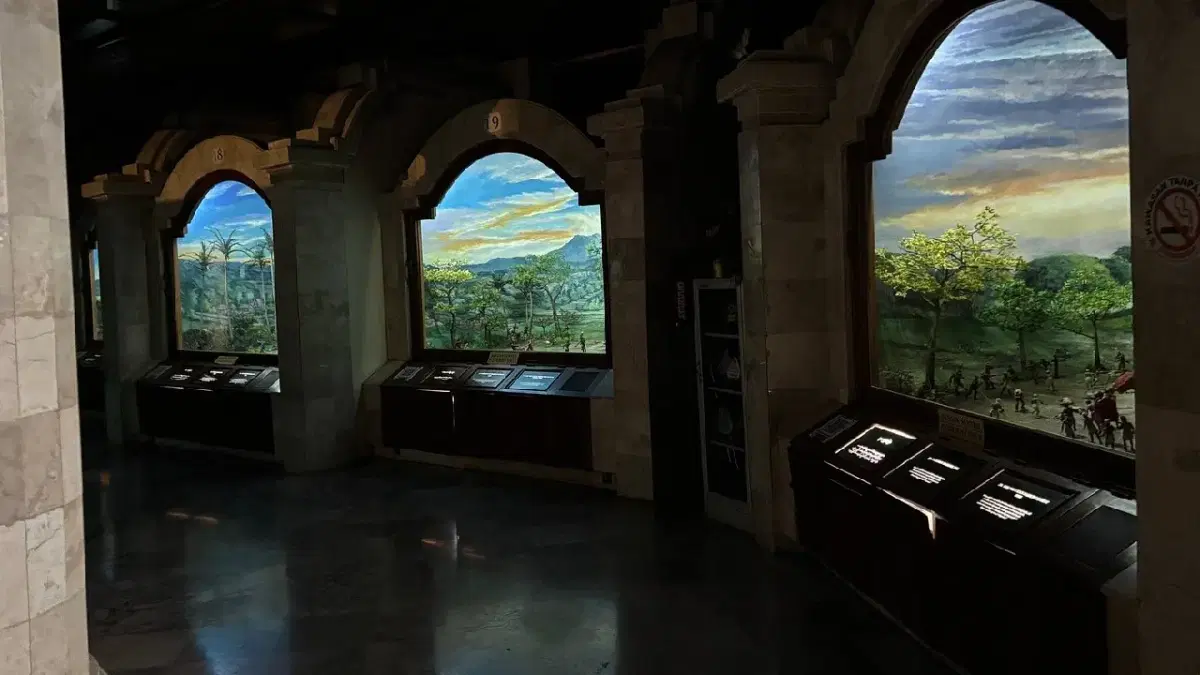
The monument is divided into three sections: Utama Mandala, Nista Mandala, and Madya Mandala.
- Ground Floor: The Base Hall (Nistaning Utama Mandala): The entry tickets to the monument are sold on this level. Usually, there is also a small art gallery or exhibition taking place, which one can enjoy as they are not very crowded. On the outside, you can spot some local vendors selling coconut water and peanuts.
- First Floor: Diorama Hall (Madyaning Utama Mandala): The Madya Mandala features 33 dioramas(3D miniatures) representing Bali's hardships under Dutch colonisation, royal lineage, Hindu heritage, and other topics. You can witness the scenes from the Puputan War here, which happened between the Dutch and the people of Bali during the Dutch intervention in Bali. You can also see the paintings and murals and the traditional artefacts, including weapons, farming tools, and ceremonial objects, here. It is a haven for history buffs.
- Top Floor: (Utamaning Utama Mandala): This is the top of the monument and is considered to be the view tower. People usually skip visiting this part of the monument, but from here you can enjoy the panoramic view of Denpasar.
Fact: The circular museum layout allows visitors to move chronologically, making the storytelling easy to follow and immersive.
Check out more: Explore our full guide on the best places to visit in Denpasar to complete your itinerary.
Bajra Sandhi Monument Entrance Fee & Opening Hours
Entry Fee
- Adults: IDR 30,000 – 100,000(approx ₹160 – ₹540)
- Children: IDR 15,000(approx ₹80 – ₹85)
Opening Hours
- Monday–Friday: 08:00 AM – 4:30 PM.
- Saturday–Sunday: 10:00 AM – 4:30 PM.
Best Time to Visit for Fewer Crowds
It can be visited throughout the year, as it is an indoor–outdoor heritage site located in Denpasar. However, the monsoon season in Bali, from November to March, brings occasional heavy showers, so it is advisable to plan your visit during dry hours and carry rain protection if visiting during this period.
1. Best day of the week: The best day to visit the monument in the week is any weekday when there is usually a smaller crowd. This can help you to explore the place at your own pace. Weekends are usually more crowded and can slow down your pace
2. The best time of the day:
- Morning (8:00–10:30 AM) for cooler weather and fewer crowds.
- Late afternoon (4:00–5:30 PM) for sunset and photography.
If you visit the monument in the early morning, you can enjoy exploring the place without the hustle and bustle. Alternatively, choose to visit in the late afternoon to take in the building's magnificent beauty against the backdrop of the sunset.
To ensure a seamless experience, booking a most guided Bali tour packages include a visit to the monument during morning or late afternoon city excursions for a more pleasant experience.
How to Reach Bajra Sandhi Monument?
- By car: The Bajra Sandhi Monument is located in Renon, Denpasar, making it easily accessible from most parts of central Bali. From Denpasar city centre, the monument is just 2–4 kilometres away and can be reached in 10–20 minutes by car or taxi, depending on traffic conditions.
Travellers staying in popular areas like Kuta or Seminyak can expect a drive of around 12–15 kilometres, with an average travel time of 30–45 minutes. Visitors can conveniently hire a cab, drive their own vehicle, or book rides through apps like Grab and Gojek. Metered taxis such as Blue Bird are also a reliable and affordable option for reaching the monument. - By Motorcycle: In Bali, motorcycles are the most practical mode of transportation. It is also an adventurous way of travelling. To get to the monument, you can rent a motorcycle from anywhere in the city and drive there.
Where to Eat Nearby: Cafés & Local Warungs
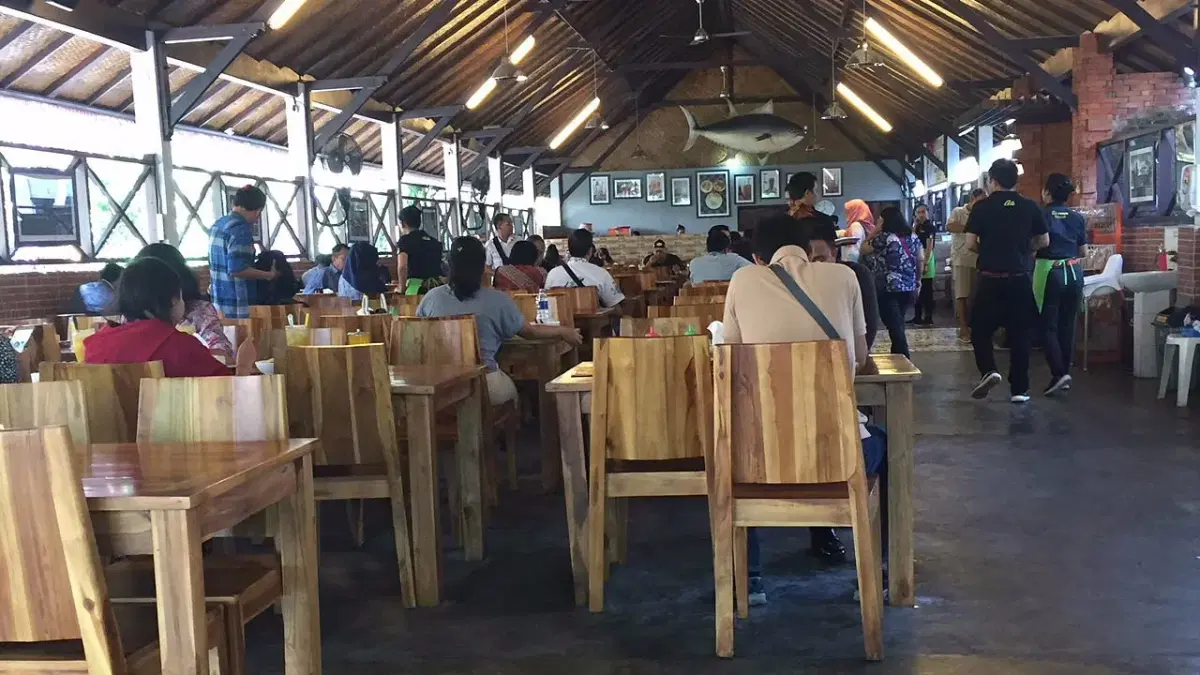
There are many places to eat within walking distance of the monument. These may not be lavish eateries, but these eating places offer some authentic Balinese food as well as some basic global cuisines. Some of the highly recommended options to eat at are:
- Warung Be Sanur – Enjoy the authentic Balinese dishes here
- Cafe Taksu Yoga & Organic Food – You can relish the vegetarian and organic meals here
- Juice Ja Café – If you are in for a bowl of smoothies, light meals, and healthy bowls, this place is a must-visit
- Local Renon warungs – For budget-friendly Indonesian food with local flavours, you can visit this restaurant.
Things to Know Before Visiting the Monument
- Double-check visiting hours and any notice of closure before planning your visit to ensure that the place is open on the day of your visit.
- Apply sunscreen before visiting the monument.
- Comfortable shoes and clothing are highly recommended. Make sure your clothes are modest.
- Keep a water bottle handy to stay hydrated.
- Respect and learn the local customs which people follow while visiting the place.
- Wear socks while entering the 3D museum, as no shoes are allowed. In case you don’t have it, you can buy it at the museum itself.
Why this place is worth adding to your Bali itinerary?
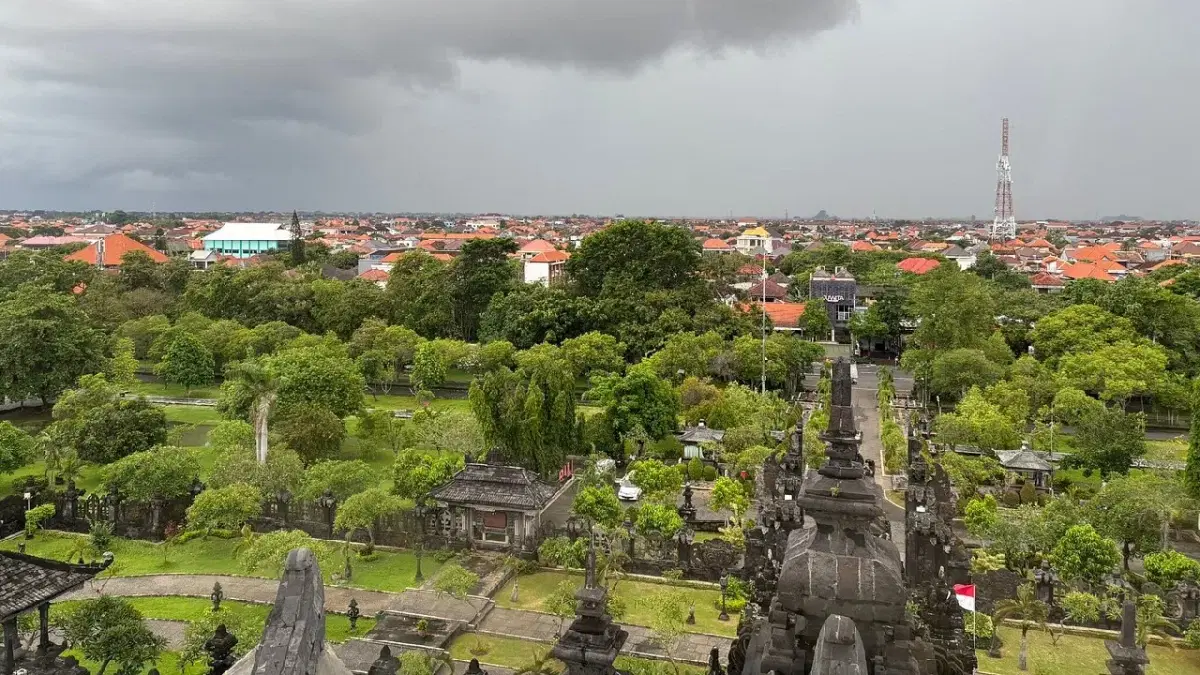
The Bajra Sandhi Monument is one of Bali's most important cultural icons, providing visitors with a comprehensive understanding of the island's history, identity, and enduring spirit. Visiting it is one of the best things to do in Denpasar for travellers. With its iconic architecture, well-curated museum exhibits and chronological storytelling, the Bajra Sandhi Museum helps visitors understand Bali beyond its beaches and nightlife. This monument is great for historians, culture seekers, and first-time visitors, adding depth and balance to any Bali itinerary.
FAQs
1. Where is the Bajra Sandhi Monument located?
The monument is located in Denpasar, Bali.
2. How far is the Bajra Sandhi Monument from the city centre?
It is almost just 10 minutes away from the city centre(Denpasar).
3. How to reach The Bajra Sandhi Monument?
The Bajra Sandhi Monument is about 1 hour away by car or motorbike, a taxi, ride-hailing apps such as Grab or Gojek, or a Blue Bird metered taxi. You can also rent a bike, which would be more flexible and less expensive.
4. How much time does it take to explore the monument?
Around 1.5 to 2 hours is ideal to explore the museum and the surrounding park comfortably.
5. Is photography allowed inside the museum at the Bajra Sandhi Monument?
Photography is allowed in most areas, though flash photography may be restricted indoors.
6. Is the Bajra Sandhi Monument kid-friendly?
Yes, it is educational and visually engaging for both adults and children.
7. What is the best time to visit Bajra Sandhi?
The best time to visit is during the morning (8:00 AM – 10:30 AM) for cooler weather or late afternoon (4:00 PM onwards) for photography and sunset views.