
- Home
- Attractions
- Bali
- Nusa Penida Island Bali 2026: Things to Do, Places to Visit & Travel Guide
Nusa Penida Island Bali 2026: Things to Do, Places to Visit & Travel Guide
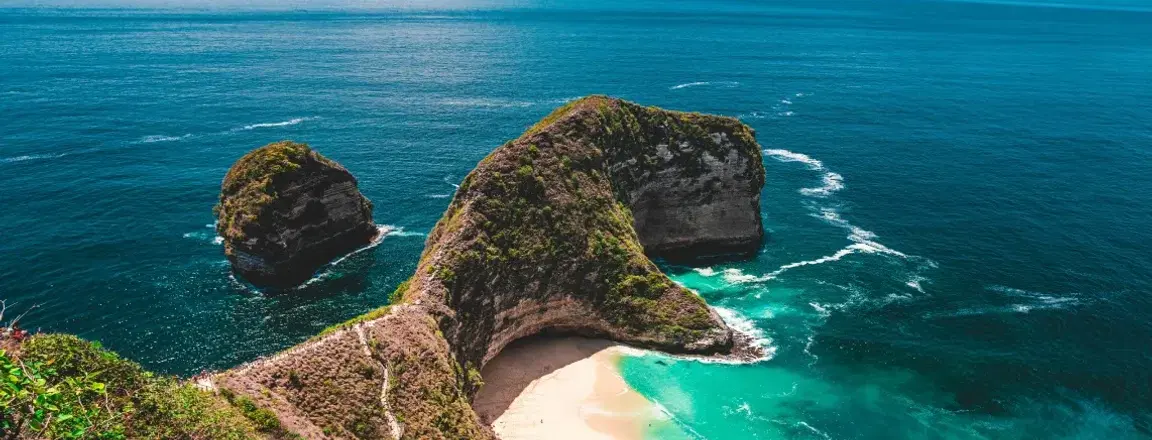
Nusa Penida Island is a popular island destination to visit from Bali, known for dramatic cliffs, turquoise waters, secluded beaches and scenic viewpoints. From exploring Kelingking Beach, Diamond Beach and Angel’s Billabong to snorkelling in crystal-clear waters, Nusa Penida Island has something for everyone.
You can visit Nusa Penida on a day trip from Bali or stay overnight for 1–2 days to explore the west and east sides at a more relaxed pace. A Nusa Penida trip can cost around IDR 1.4M–3.7M (₹8,000–₹21,000) per person for 2 nights, excluding flights from India. Costs vary based on accommodation, transport, activities and travel style. Planning a trip to Nusa Penida Island? This guide covers the best places to visit, things to do, how to reach Nusa Penida, the best time to visit, entry fees and practical travel tips for planning your trip.
Nusa Penida Island at a Glance
Travel Detail | Information |
| Best time to visit | May to October |
| Ideal duration | 1–2 days |
| Famous for | Kelingking Beach, Diamond Beach, Broken Beach, Angel’s Billabong and manta ray snorkelling |
| How to reach | Fly to Bali, travel to Sanur Harbour and take a fast boat |
| Boat journey | Around 30–45 minutes from Sanur |
| Best for | Beaches, photography, adventure, snorkelling and sightseeing |
| Popular activities | Beach hopping, snorkelling, temple visits, scenic drives and sunset viewing |
| Currency | Indonesian Rupiah (IDR) |
Why Visit Nusa Penida?
Nusa Penida Island offers dramatic cliffs, rugged coastlines, hidden beaches and a slower island atmosphere. For Indian travellers, Nusa Penida tour packages make it easy to explore its scenic spots, adventure experiences and beautiful photo locations.
Here is why Nusa Penida Island should be on your bucket list:
- Iconic T-Rex Cliff: Kelingking Beach offers the famous dinosaur-shaped cliffside views you have seen all over Instagram.
- Manta Ray Swimming: Manta Point gives you a thrilling, up-close chance to snorkel alongside giant, gentle manta rays.
- Natural Infinity Pools: Angel's Billabong features crystal-clear, emerald waters perfect for a scenic dip during low tide.
- Flawless Photo Ops: Broken Beach showcases a stunning, circular rock archway with crashing waves surging underneath.
- Untouched Island Vibes: Nusa Penida feels much more rugged, rustic, and adventurous compared to the busy mainland of Bali.
- Good Value: Stay, eat and explore at generally lower prices than Bali’s premium areas such as Seminyak and Ubud.
- Unique Spiritual Experience: Visit Goa Giri Putri, a sacred Hindu cave temple offering a memorable glimpse into Balinese culture.
- Bollywood-Style Backdrops: Kelingking Beach and Diamond Beach offer dramatic cliffs and turquoise waters perfect for stunning holiday photos.
- Vegetarian-Friendly Food: Cafés and local eateries offer plenty of vegetarian options, making it easier for Indian travellers to find familiar choices.
Best Time To Visit Nusa Penida Island
The best time to visit Nusa Penida Island is from May to October, when Bali typically experiences drier weather. This period can be suitable for sightseeing, snorkelling and diving, but sea conditions vary depending on the weather, location, currents, boat route and time of day. Check local weather forecasts and boat or tour updates close to your travel date, especially for water activities.
Travel goal | Recommended months | What to expect |
| First-time visit & sightseeing | May–June, September–October | Generally drier weather and suitable conditions for exploring the island. |
| Snorkelling & beaches | May–October | Often favourable for water activities, although visibility and sea conditions can change. |
| Manta ray spotting | May–October | Manta rays can be seen at dive and snorkelling sites around Nusa Penida, but sightings are not guaranteed. |
| Mola mola diving | Cooler-water months | Mola mola sightings are associated with certain dive sites around Nusa Penida during cooler-water periods, but sightings are not guaranteed. |
| Budget & fewer crowds | November–March | The wetter period can bring lower demand, but rain and rougher seas may affect boat transfers and water activities. |
Nusa Penida Weather by Season
- May to October: Generally drier months and a popular period for visiting Nusa Penida. Conditions can still vary, particularly at sea.
- November to March: Wetter months with a higher chance of rainfall. Rough seas may occasionally affect ferry or speedboat services.
- April and October: Transitional periods where weather and sea conditions can vary from day to day.
Planning tip: If your itinerary depends on snorkelling, diving or a specific boat transfer, avoid choosing dates based only on the season. Check the latest marine conditions and operator updates closer to your trip.
Best Places to Visit in Nusa Penida
Wondering what to see and do in Nusa Penida Island? From dramatic cliffs and turquoise beaches to natural rock formations and cultural sites, the island offers plenty of places to explore. Here are some of the most popular attractions to include in your Nusa Penida itinerary.
1. Kelingking Beach
Kelingking Beach is one of the most famous places to visit in Nusa Penida, recognised for its T-Rex-shaped cliff and spectacular ocean views. Visitors can admire the scenery from the viewpoint, take photographs or attempt the steep hike down to the beach.
2. Diamond Beach
Diamond Beach is known for its white sand, turquoise waters and towering limestone cliffs. The scenic staircase leading down the cliff offers beautiful coastal views, while the beach is ideal for relaxing and photography.
3. Crystal Bay
Crystal Bay is a popular beach for its clear waters, sandy shoreline and peaceful surroundings. It is a great spot for swimming, snorkelling, relaxing by the sea and watching the sunset.
4. Atuh Beach
Atuh Beach is surrounded by dramatic cliffs and distinctive rock formations. Its scenic setting makes it a popular stop on an eastern Nusa Penida itinerary, particularly for beach lovers and photographers.
5. Broken Beach
Broken Beach, locally known as Pasih Uug, features a natural rock arch surrounding a circular seawater pool. The viewpoint provides impressive views of the unusual coastal formation and surrounding ocean.
6. Angel’s Billabong
Angel’s Billabong is a natural rock pool near Broken Beach, known for its clear water, rugged rock formations and dramatic coastal setting. It is a popular spot for sightseeing and photography. View the pool from a safe area, follow local warnings and avoid entering the water when waves or sea conditions are rough.
7. Goa Giri Putri Cave
Goa Giri Putri Cave is a large limestone cave that houses an important Hindu temple. Visitors can explore the cave, observe local religious practices and discover a cultural side of Nusa Penida beyond its beaches.
8. Thousand Islands Viewpoint
Thousand Islands Viewpoint, also called Raja Lima, offers panoramic views of Nusa Penida’s eastern coastline. The viewpoint overlooks dramatic cliffs, turquoise waters and small offshore islands, making it a popular spot for photography.
Travel tip: The famous treehouse-style viewpoint is a popular photo spot, so expect some waiting time during busy hours.
Things to Do on Nusa Penida Island
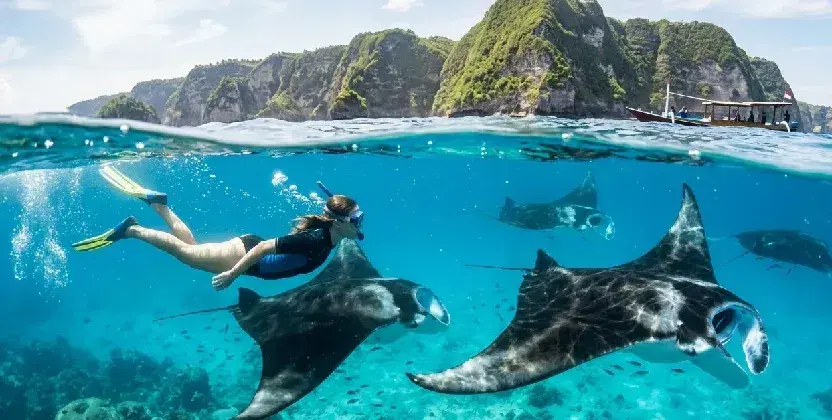
Wondering what to do on Nusa Penida Island? From snorkelling with manta rays and exploring dramatic beaches to visiting sacred temples and tasting local food, there are plenty of things to do in Nusa Penida.
1. Snorkel with Manta Rays
One of the popular things to do in Nusa Penida Island is snorkelling with manta rays. Manta Point is a well-known area for manta ray snorkelling and diving. Sightings depend on sea conditions, marine conditions and the season, so they are not guaranteed. Follow local operator guidance and check conditions before heading into the water.
2. Go Beach Hopping
Explore the famous beaches in Nusa Penida Island, including Kelingking Beach, Diamond Beach, Atuh Beach and Crystal Bay. Each beach offers a different experience, from dramatic cliff views and turquoise waters to relaxing bays and photo stops.
3. Go Temple Hopping
Visit Goa Giri Putri Cave Temple and other local temples to experience Nusa Penida’s spiritual side. Entering the massive cave temple and seeing locals perform traditional prayers offers a glimpse into the island’s culture.
4. Watch the Sunset by the Coast
Find a peaceful spot along the coastline and watch the sunset over the ocean. It is a relaxing way to end a busy day of sightseeing and makes a lovely experience for couples and families.
5. Take a Scenic Island Drive
Explore Nusa Penida by road and discover cliff-top viewpoints, coastal villages and quieter corners of the island. The winding routes and changing landscapes make the journey itself part of the experience.
6. Try Local Balinese Food
Stop at local warungs and cafés to try dishes such as nasi goreng, mie goreng, gado-gado and fresh tropical fruits. Indian travellers can also find several vegetarian-friendly options while experiencing authentic local flavours.
West vs East Nusa Penida: Which Side Should You Visit?
Nusa Penida is broadly divided into West and East Nusa Penida, with attractions spread across both sides of the island. If you have only one day, choose one side instead of trying to cover everything. With two days, you can explore both at a more comfortable pace.
Category | West Nusa Penida | East Nusa Penida |
| Best for | First-time visitors | Longer stays |
| Highlights | Kelingking, Broken Beach, Crystal Bay | Diamond Beach, Atuh Beach, Thousand Islands |
| Main appeal | Iconic cliffs and coastal views | Beaches and scenic landscapes |
| Good for a 1-day trip | Yes | Possible, but more selective |
| Best for 2 days | Combine with East | Combine with West |
Planning tip: Avoid trying to cover every major attraction on both sides in a single day. Nusa Penida's roads can make journeys between attractions take longer than expected.
How to reach Nusa Penida
There are no direct flights from India to Nusa Penida. Fly to Ngurah Rai International Airport (DPS) in Bali, then travel by road to Sanur Harbour. From there, take a fast boat to Nusa Penida. The complete journey involves a flight, a road transfer and a short boat ride.
From Sanur to Nusa Penida: Nusa Penida is accessible from Bali only by boat. For most travellers, the easiest option is to take a fast boat from Sanur Harbour to Nusa Penida, with the crossing usually taking around 30–45 minutes depending on the operator and sea conditions.
Getting Around Nusa Penida
Getting around Nusa Penida is part of the adventure, with winding roads, steep hills and scenic coastal routes. Choose your transport based on your comfort, budget and how much of the island you want to explore.
- Private car with driver: A comfortable option for first-time visitors, couples and families. It is ideal for covering attractions that are spread across the island without worrying about navigation.
- Scooter: Suitable for experienced riders who want more flexibility. Distances may look short, but steep, narrow and uneven roads can make journeys slower.
- Organised tours: A convenient choice for day trips, with transport and major attractions covered in a planned itinerary.
- Taxi or private transfers: Useful for airport/port transfers and short journeys, although transport options are more limited than in mainland Bali.
- Walking: Best for exploring individual attractions or nearby areas. It is not practical for travelling between major sights.
Nusa Penida Trip Cost from India
The cost of a Nusa Penida trip from India depends on your flight route, travel season, accommodation, transport and activities. Since international airfares can change significantly by booking date and season, it is better to treat flights as a variable expense rather than use a fixed range.
Expense | Budget estimate | Mid-range estimate |
| India–Bali flights | IDR 3.5M–5.5M (₹20,000–₹30,000) | IDR 5.5M–8.3M (₹30,000–₹45,000) |
| Bali–Nusa Penida boat | IDR 260K–430K (₹1,500–₹2,500) | IDR 350K–700K (₹2,000–₹4,000) |
| Accommodation – 2 nights | IDR 430K–1.0M (₹2,500–₹6,000) | IDR 1.2M–2.6M (₹7,000–₹15,000) |
| Food – 3 days | IDR 260K–520K (₹1,500–₹3,000) | IDR 520K–1.0M (₹3,000–₹6,000) |
| Local transport | IDR 260K–610K (₹1,500–₹3,500) | IDR 610K–1.2M (₹3,500–₹7,000) |
| Activities & entry fees | IDR 170K–520K (₹1,000–₹3,000) | IDR 520K–1.0M (₹3,000–₹6,000) |
| Estimated total | IDR 4.9M–8.6M (₹27,500–₹48,000) | IDR 8.7M–14.8M (₹48,500–₹83,000) |
These are broad planning estimates and can vary based on your departure city, booking date, travel season, accommodation, transport and activities. Flight fares are particularly variable, so check current prices before booking.
How Much Does a Nusa Penida Trip Cost?
A 2-night Nusa Penida trip can cost around IDR 1.4M–3.7M (₹8,000–₹21,000) per person, excluding flights from India. Budget travellers can spend around IDR 1.4M–2.2M (₹8,000–₹12,500), while a mid-range trip may cost IDR 2.2M–3.7M (₹12,500–₹21,000).
Return flights from India to Bali can add approximately IDR 3.5M–8.3M (₹20,000–₹45,000), depending on the route, season and booking date.
1-2 Days Nusa Penida Itinerary
The ideal Nusa Penida itinerary depends on how much time you have. A one-day trip works well for the major west-coast attractions, while two days allow you to combine the west and east sides without rushing.
Nusa Penida 1-Day Itinerary
Morning
- Take an early fast boat from Sanur to Nusa Penida.
- Start with Kelingking Beach.
- Continue to Broken Beach and Angel's Billabong.
Afternoon
- Stop at Crystal Bay or choose a snorkelling trip if marine activities are a priority.
- Have lunch at a local restaurant or café.
- Return towards the harbour for your boat back to Bali.
Best for: Travellers with limited time who want to see Nusa Penida's most iconic west-coast attractions.
Nusa Penida 2-Day Itinerary
Day 1 – West Nusa Penida
- Kelingking Beach
- Broken Beach
- Angel's Billabong
- Crystal Bay
- Sunset or an overnight stay near your chosen area
Day 2 – East Nusa Penida
- Diamond Beach
- Atuh Beach
- Thousand Islands Viewpoint
- Goa Giri Putri Cave
- Return to Bali by fast boat
Best for: Travellers who want to experience both sides of Nusa Penida at a more relaxed pace.
Nusa Penida Day Trip vs 2-Day Stay
Choosing between a Nusa Penida day trip and a 2-day stay depends on how much time you have and how much of the island you want to explore.
Factor | Day Trip | 2-Day Stay |
| Best for | Limited time | Relaxed exploration |
| West side | Possible | More comfortable |
| East side | Difficult to cover | Easier |
| Snorkelling | Can be added | More flexible |
| Travel pace | Fast | More relaxed |
| Cost | Lower | Higher |
Is one day enough for Nusa Penida? A day trip works for seeing a few key sights, particularly on the west side. A 2-day Nusa Penida itinerary gives you more time for the east side, snorkelling and a less rushed experience.
Hotels in Nusa Penida Island

Nusa Penida offers incredible accommodations ranging from eco-friendly bamboo cottages tucked away in the jungle to high-end boutique resorts perched on dramatic cliffs. Choosing the right place to stay will elevate your island adventure, ensuring a perfect balance of comfort, scenic infinity pools, and warm Balinese hospitality after a long day of exploring.
- Adiwana Warnakali Resort: Stay on a cliff overlooking the ocean, with an infinity pool, spa and restaurant. A great pick for couples and honeymooners. Around IDR 3,754,000 (₹19,759)/night.
- Sea La Vie Resort: Enjoy a peaceful stay overlooking Toyapakeh Bay, with an infinity pool, private balconies and a hot tub. A good choice if you want comfort close to the harbour. Around IDR 2,800,000 (₹14,700)/night.
- Penida Bambu Green Suites: Stay in beautifully designed bamboo suites surrounded by nature. With a pool and open-air bathrooms, it is perfect for couples and travellers who enjoy unique stays. Around IDR 2,500,000 (₹13,150)/night.
- Bila Penida Resort and Farm: Escape the busy tourist areas at this peaceful countryside resort, complete with cottages, a garden pool and scooter rentals. Around IDR 668,000 (₹3,515)/night.
- Innora Jungle Resort and Spa: Enjoy a jungle-inspired stay with an infinity pool and outdoor soaking tubs without spending too much. A stay here costs around IDR 516,000 (₹2,718)/night.
- Pandawa Beach Resort and Spa Luxury: A relaxed option for families and budget-conscious travellers, offering swimming pools and easy access to the coast. A stay here costs around IDR 450,000 (₹2,367)/night.
Best Places to Eat in Nusa Penida
Nusa Penida has plenty of places to eat, from relaxed beachfront cafés and local warungs to Indian restaurants and scenic dining spots. Whether you want local flavours or familiar Indian food, you can find options to suit different tastes and budgets.
- Penida Colada Beach Bar: A laid-back beachfront spot with ocean views and live music. Try the seafood, fish tacos or a refreshing tropical drink while enjoying the island atmosphere.
- The Chill Penida: A relaxed coastal restaurant with an infinity pool and ocean views. Smoothie bowls, tacos and plant-based dishes make it a good option for breakfast or a casual meal.
- Secret Penida Restaurant & Bar: Enjoy a relaxed meal with views of Mount Agung across the water. The menu includes Indonesian favourites, poke bowls and vegetarian-friendly dishes.
- Bollywood Indian Cuisine Nusa Penida: A convenient choice for Indian travellers craving familiar flavours. Expect options such as dal makhani, paneer tikka and other vegetarian and non-vegetarian Indian dishes.
- Indian Food Delhi 6: A casual Indian restaurant serving comfort food such as biryani, masala dosa and dal khichdi. A good option when you want a break from Indonesian cuisine.
- Warnakali Restaurant: A scenic clifftop restaurant suited to a special meal or romantic dinner. Enjoy Balinese and international dishes while taking in panoramic ocean views.
- Eastside Penida Kitchen & Bar: A modern dining spot near the island’s eastern attractions, offering coffee, pizza, pasta and seafood. It is a convenient stop after exploring Diamond Beach and nearby sights.
Essential Travel Tips for the Nusa Penida Islands
- Book your boat in advance: Reserve your Sanur–Nusa Penida fast boat ahead of time, especially during peak season. Morning departures can help you make the most of your day.
- Pack light: Carry a backpack or small duffel instead of a large suitcase, as you may need to walk over uneven or sandy surfaces after getting off the boat.
- Wear suitable footwear: Boats may require you to step through shallow water when boarding or getting off, so quick-dry clothes and sandals are useful.
- Download offline maps: Mobile connectivity can be inconsistent in some parts of the island. Save your routes and important locations before heading out.
- Carry Indonesian Rupiah: Keep some cash with you for local warungs, parking, entry fees and smaller businesses. Larger hotels and restaurants may accept cards.
- Be careful around the sea: Check local conditions and follow warning signs, particularly at beaches with strong currents or waves.
- Allow extra travel time: Roads can be steep, narrow and uneven, so short distances may take longer than expected.
- Avoid an overcrowded itinerary: Fewer attractions with enough time at each stop are more practical than rushing across the island.
- Check sea conditions: Boat schedules and water activities can be affected by weather and sea conditions.
- Book the boat ahead: Advance booking is particularly useful during busy travel periods.
- Plan around the harbour: Check your return boat time before deciding how many attractions to include.
Conclusion: Planning Your Nusa Penida Island Visit
Nusa Penida works well for travellers looking for dramatic coastal scenery, beaches, marine experiences and outdoor exploration. A day trip can cover selected west-side highlights, while 1–2 nights give you more time to explore both west and east Nusa Penida.
Plan your itinerary based on your available time, preferred activities and sea conditions. If you want to include snorkelling, allow extra time for boat schedules and changing marine conditions.
FAQs
1. Is Nusa Penida worth visiting?
A: Yes. Nusa Penida is worth visiting for its dramatic cliffs, turquoise waters, beautiful beaches, marine experiences and scenic viewpoints. It is especially suitable for travellers who enjoy nature, photography and adventure.
2. How long is it from Bali to Nusa Penida?
A: The fast boat from Sanur Harbour to Nusa Penida usually takes around 30–45 minutes, depending on the operator and sea conditions.
3. Is Nusa Penida part of Bali?
A: Nusa Penida is an island located off the coast of Bali and is part of Bali Province, Indonesia. It is commonly visited as an extension of a Bali holiday.
4. How much does a Nusa Penida island tour cost?
A: The cost varies depending on transport, accommodation, activities and the type of tour. An estimated Nusa Penida trip from India can cost around ₹29,970–₹49,950 for a budget trip and ₹56,700–₹96,660 for a mid-range trip.
5. What are the best beaches to visit in Nusa Penida?
A: Kelingking Beach, Diamond Beach, Atuh Beach and Crystal Bay are among the best beaches to visit in Nusa Penida. They offer a mix of dramatic cliffs, turquoise waters, scenic viewpoints and opportunities for beach activities.
6. Can you snorkel with manta rays in Nusa Penida?
A: Yes. Snorkelling with manta rays is one of the popular things to do in Nusa Penida. Manta Point offers opportunities to see manta rays in their natural habitat, although sightings depend on sea conditions and the season.
7. What food is available for Indian and vegetarian travellers in Nusa Penida?
A: Nusa Penida has local warungs, cafés and restaurants serving Indonesian and international food. Indian travellers can also find vegetarian-friendly options, including dishes at Indian restaurants serving dal, paneer, biryani and other familiar meals.
8. What is Nusa Penida Island famous for?
A: Nusa Penida Island is famous for its dramatic cliffs, turquoise waters, scenic beaches and viewpoints. Kelingking Beach, Diamond Beach, Broken Beach, Angel’s Billabong and manta ray experiences are among its major attractions.
9. What are the best places to visit in Nusa Penida Island?
A: Some of the best places to visit in Nusa Penida Island include Kelingking Beach, Diamond Beach, Broken Beach, Crystal Bay and Thousand Islands Viewpoint. Goa Giri Putri Cave Temple is another notable attraction for travellers interested in the island’s culture.
10. What are the best things to do in Nusa Penida Island?
A: Popular things to do in Nusa Penida Island include snorkelling with manta rays, beach hopping, visiting temples, watching the sunset, taking a scenic island drive and trying local Balinese food.
11. How many days are enough for Nusa Penida Island?
A: One to two days can cover several of Nusa Penida’s major attractions. However, staying overnight for 1–2 days allows more time to explore the island without rushing between attractions.
12. What is the best time to visit Nusa Penida Island?
A: The best time to visit Nusa Penida Island is generally from May to October, when the weather is drier, skies are clearer and sea conditions are more suitable for snorkelling and diving. May, June, September and October can offer a good balance of weather and fewer crowds.
13. Can Nusa Penida Island be covered in one day?
A: Yes, a one-day trip can cover several major attractions, especially with an organised tour or private car with a driver. However, road conditions and travel times can make a packed itinerary tiring, so staying overnight is better for a more relaxed experience.
14. Is Nusa Penida Island worth visiting from Bali?
A: Yes. Nusa Penida can be a worthwhile addition to a Bali itinerary for travellers who want dramatic coastal scenery, beaches, marine experiences and a more adventurous island atmosphere. The island is accessible by fast boat from Sanur Harbour.