
Best Bali Street Food: 12 Must-Try Local Dishes, Night Markets & Food Guide (2026)
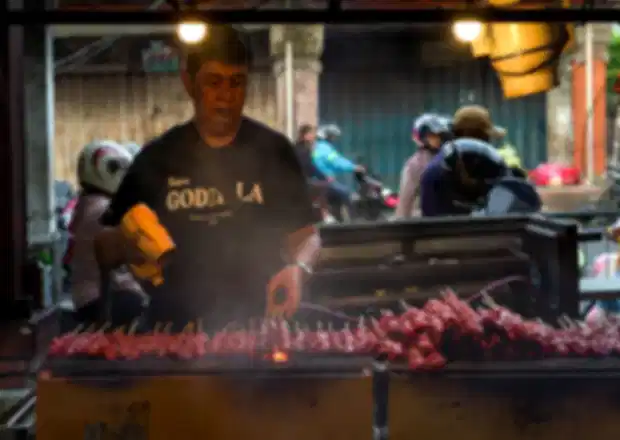
Are you looking for the best food in Bali without spending hefty prices? Bali street food is one of the best ways to enjoy the island’s rich culinary culture on a budget. From sizzling satay skewers and fragrant nasi goreng to crispy pisang goreng (fried bananas) and the famous babi guling (roast suckling pig), the best street food in Bali brings together authentic flavours, local traditions and unforgettable food experiences. Whether you are exploring lively night markets in Bali or quiet village streets, the street food markets in Bali, called warongs, offer some of the island’s most authentic and flavour-packed dishes. This Bali guide highlights the must-try local specialities and the best places to enjoy them, thereby helping you discover some of the island’s most authentic and flavour-packed food.
What Makes Bali Street Food Special?
Bali’s street food is a delicious blend of Indonesian, Balinese, Chinese, and Javanese culinary influences, offering authentic flavours that reflect the island’s rich cultural heritage. Prepared with fresh local ingredients, aromatic spices, and traditional cooking techniques, every dish delivers a unique taste that’s hard to replicate elsewhere. From sizzling satay and flavourful nasi goreng to sweet tropical desserts and refreshing local drinks, Bali’s street food is both diverse and affordable. Whether you’re exploring bustling night markets or roadside warungs, sampling street food is one of the best ways to experience Bali like a local while enjoying delicious meals at budget-friendly prices.
12 Best Bali Street Food Dishes You Must Try
| Category | Street Food Dishes |
| Pork Specialties | Babi Guling |
| Satay & Grilled Street Food | Sate Lilit, Sate Ayam |
| Popular Rice Dishes | Nasi Campur, Nasi Jinggo |
| Vegetarian Street Food | Gado-Gado |
| Soups & Noodles | Bakso, Soto Ayam |
| Traditional Balinese Snacks | Pisang Goreng, Jaje Bali (Traditional Balinese Cakes) |
| Sweet Street Desserts | Martabak Manis |
| Refreshing Local Drinks | Es Kelapa Muda |
Must-Try Bali Street Food Dishes
Babi Guling – Bali’s Famous Roast Pork
Babi Guling is regarded as the best street food in Bali. The dish features a whole pig rubbed with turmeric and stuffed with a mixture of chilli, coriander, garlic, lemongrass and other herbs. It is then roasted slowly over coconut husks and served with rice.
- Prices: Rs. 265-800 (IDR 50,000-150,000) at popular warungs.
Sate Lilit – Traditional Balinese Satay
This unique Bali street food uses minced meat rather than chunks. It is mixed with grated coconut, lime leaves and spices, and then wrapped around lemongrass sticks or bamboo skewers before grilling.
- Prices: Typically costs Rs. 106–212 (IDR 20,000–40,000).
Sate Ayam – Indonesian Chicken Satay
Sate Ayam is prepared by grilling the marinated chicken pieces on bamboo skewers over coconut husk coals. This provides a smoky and caramelised taste, which is accompanied by peanut sauce, palm sugar and a hint of lime.
- Prices: Rs. 80-160 (IDR 15,000-30,000).
Nasi Campur – Bali’s Mixed Rice Meal
Nasi Campur offers a canvas for experiencing a variety of traditional Balinese foods. Each vendor creates their own version, with rice surrounded by small portions of vegetables, shredded chicken or pork and fried egg.
- Prices: Prices range from Rs. 160-210 (IDR 20,000–40,000).
Bakso – Indonesian Meatball Soup
This Indonesian meatball soup features springy meatballs made from beef, chicken or shrimp mixed with tapioca flour. This soup can be found at mobile carts throughout Bali.
- Prices: A steaming bowl costs Rs. 80-130 (IDR 15,000-25,000).
Gado-Gado – Indonesian Vegetable Salad
A wholesome Indonesian salad featuring blanched vegetables, tofu, tempeh, boiled egg and creamy peanut sauce. This dish is widely available at Bali’s warungs and street food stalls.
- Prices: Rs. 80-130 (IDR 15,000-25,000).
Nasi Jinggo – Bali’s Popular Budget Rice Meal
This compact breakfast serves as one of the best cheap eats in Bali. The meal is wrapped tightly in banana leaves, with a small portion of rice, fried noodles, shredded chicken and a spicy sambal kick.
- Prices: At just Rs. 30-80 (IDR 5,000-15,000).
Martabak Manis – Indonesian Sweet Pancake
A thick, fluffy Indonesian sweet pancake filled with chocolate, cheese, peanuts, condensed milk, or a combination of toppings, then folded and sliced into generous portions.
- Price: Rs. 133–239 (IDR 25,000–45,000).
Soto Ayam – Traditional Chicken Soup
This aromatic chicken soup features a turmeric-infused broth with tender chicken pieces, noodles and boiled eggs.
- Prices: Rs. 80-160 (IDR 15,000-30,000) per bowl.
Pisang Goreng – Crispy Fried Bananas
The Balinese version of fried bananas is a perfect balance of crispy exterior and sweet, soft interior. These fresh-fried banana slices are an excellent afternoon snack or dessert.
- Prices: Rs. 30-60 (IDR 5,000-10,000) for a generous serving.
Jaje Bali – Traditional Balinese Cakes
Traditional Balinese sweet treats made with rice flour, coconut milk, and palm sugar, often wrapped in banana leaves and enjoyed as a light snack or dessert.
- Prices: Rs. 30-80 (IDR 5,000-15,000) per piece.
Es Kelapa Muda – Fresh Young Coconut Drink
Coconut water served ice-cold provides natural refreshment on hot days.
- Prices: Prices hover around Rs. 30-55 (IDR 5,000-10,000).
TIP: If you are a vegetarian travelling from India, “tanpa terasi” (without fish paste) is your comfort food. If you prefer plant-based food, explore the best vegetarian restaurants in Bali for authentic Indonesian dishes as well as a wide variety of international cuisine.
Where to Find the Best Street Food in Bali?
Bali night markets are the best places to experience authentic street food, with freshly cooked local dishes, affordable prices, and a lively atmosphere enjoyed by both locals and travellers. If you are staying near Kuta Beach, you will have easy access to some of Bali’s best street food. The area is known for its lively food scene, with popular spots like Kuta Square and Blambangan Senggol Night Market (commonly known as Kuta Night Market).
Here are some of the main street food areas on the island, where you can plan to taste authentic flavours.
| Area | Best For | Typical Price Range |
| Ubud | Babi guling, traditional warungs | IDR 5,000–50,000 |
| Kuta | Late-night eats, budget dinners | IDR 10,000–35,000 |
| Sanur | Authentic local flavours, Sindhu Market | IDR 10,000–50,000 |
| Jimbaran | Grilled seafood | IDR 50,000–150,000 |
| Seminyak | Polished warungs, fusion bites | IDR 20,000–40,000 |
| Gianyar | Babi guling, lawar, authentic Balinese fare | IDR 15,000–40,000 |
TIP: If you are craving Indian food during your trip, check out the best Indian restaurants in Bali for authentic and flavourful meals.
Still planning your stay? Check our comprehensive guide on the best places to visit in Bali, which highlights the island’s top destinations and will help you find the best area based on your interests and travel plans.
Best Bali Street Food Markets for Authentic Local Food
| Place | Area | Best Time to Visit | Food Highlights | Atmosphere |
| Sindhu Night Market | Sanur | 4 PM – 10 PM | Satay, street food, fresh fruit juices | Lively evening market with locals and tourists sharing tables |
| Badung Market | Denpasar | Early morning | Fresh produce, local breakfast foods, famous es kelapa muda | Authentic local market, busiest at dawn |
| Jimbaran Fish Market | Jimbaran | Morning for fish, evening for dining | Grilled seafood | Beachside |
| Batu Bolong Street | Canggu | All day | Balinese dishes, international food, street eats | Laid-back surf-town vibe |
| Gianyar Night Market | Near Ubud | From 5 PM onwards | Traditional sweets | Quieter, authentic alternative to busy markets |
TIP: Street food is best enjoyed as part of your Bali itinerary rather than as a separate activity. After exploring a night market, travellers can plan a visit to nearby cultural attractions or experience Bali’s festivals if you are travelling during Bali’s festival season.
Street Food Safety Tips for Eating in Bali
If you are planning a trip to Bali, you might be wondering, “Is Bali street food safe?” This is one of the most frequently asked questions by first-time visitors to Bali. Yes, Bali street food is generally safe to eat if you choose busy, clean food stalls where meals are freshly cooked and served hot. By following the simple precautions listed below, travellers can safely enjoy authentic Balinese dishes.
- Choose busy food stalls: A long queue usually means the food is fresh, popular, and prepared regularly. If you are in Seminyak or Kuta, you can pair your street food dinner with a relaxing evening at one of the best beach clubs in Bali.
- Carry small cash: Most street food stalls and night markets accept cash only, so it’s helpful to keep smaller notes with you.
- Choose freshly cooked food: Hot, freshly prepared meals are generally safer than raw salads or food made with untreated water or ice.
- Drink bottled water: Stomach problems are usually caused by contaminated water rather than the food. So, avoid tap water and choose sealed bottled water.
- Carry hand sanitiser: Not all street food stalls have handwashing facilities, so using hand sanitiser before eating is a good habit.
Why You Should Experience Bali Street Food?
The street food in Bali is one of the most authentic ways to experience the island’s rich culture and bold flavours. From smoky satay skewers and fragrant nasi goreng to sweet treats like pisang goreng, Bali’s street food scene offers an unforgettable culinary adventure for every traveller. For a hassle-free holiday, you can plan your Bali culinary journey with Pickyourtrail’s Bali Tour Packages that can be tailored according to your personal interests and budget.
FAQs
1. Is street food in Bali safe for tourists?
Yes, street food in Bali is generally safe if you choose busy stalls with high customer turnover and freshly cooked food. Avoid food that has been sitting out for long periods, drink bottled water, and eat at popular warungs or night markets frequented by locals.
2. What is the most famous Bali street food?
Babi Guling (Balinese roast suckling pig) is Bali’s most famous street food. Other must-try dishes include Sate Lilit, Nasi Campur, Nasi Jinggo, Bakso, Soto Ayam, Pisang Goreng, and Martabak Manis, each offering authentic local flavours.
3. How much does Bali street food cost?
Street food in Bali is very affordable. Snacks like Nasi Jinggo and Pisang Goreng usually cost IDR 5,000–15,000 (Rs. 27–80), while popular meals such as Nasi Campur, Bakso, and Sate Lilit range from IDR 15,000–50,000 (Rs. 80–265). Premium dishes like Babi Guling typically cost between IDR 50,000 and 150,000 (Rs. 265-795).
4. Where can I find the best street food in Bali?
Some of the best places for street food in Bali include Sindhu Night Market (Sanur), Gianyar Night Market, Badung Market (Denpasar), Jimbaran Fish Market, Ubud’s traditional warungs, and Kuta Night Market. These locations are known for authentic Balinese dishes and affordable local meals.
5. What time do Bali’s street food markets open?
Morning markets like Badung Market are busiest between 6 AM and 9 AM. Most night markets, including Sindhu Night Market and Gianyar Night Market, open from around 4 PM or 5 PM and remain open until approximately 10 PM or 11 PM.
6. What is the best vegetarian food in Bali streets?
Vegetarian travellers can enjoy Gado-Gado, vegetarian Nasi Campur, Pisang Goreng, Martabak Manis, Jaje Bali, fresh tropical fruits, and tempeh-based dishes. When ordering, ask for “tanpa terasi” (without shrimp or fish paste) to ensure the dish is fully vegetarian.
7. What is the difference between a warung and a street food stall in Bali?
A warung is a small family-run eatery serving freshly prepared local meals, while street food stalls are roadside vendors or market stands offering quick snacks and traditional dishes. Both provide authentic Balinese food at affordable prices, though warungs usually have seating and a wider menu.
8. Can I pay by card at Bali street food stalls?
Most street food vendors and traditional markets in Bali accept cash only, especially in local areas. Carrying small denominations of Indonesian Rupiah (IDR) is recommended, although some popular stalls in tourist areas may also accept QRIS or digital payments.
9. Is Bali street food spicy?
Many Balinese dishes are mildly to moderately spicy, while some are quite hot because they include fresh chillies or sambal. If you prefer less spice, ask for “tidak pedas”, which means “not spicy” in Indonesian.
10. What should I avoid eating from street food stalls in Bali?
Avoid food that has been left uncovered for long periods, raw seafood, cut fruits exposed to the sun, and drinks made with untreated water or ice from unknown sources. Choosing freshly cooked meals from busy stalls is the safest way to enjoy Bali’s street food.
11. Is halal street food available in Bali?
Yes. Although Bali has a significant Hindu population and pork dishes such as Babi Guling are common, halal street food is widely available. Chicken satay, Bakso, Soto Ayam, Nasi Campur (without pork), seafood, and vegetarian dishes can be found across the island, particularly in Denpasar and other local markets.
12. How much should I budget for street food in Bali per day?
Most travellers can comfortably enjoy three street food meals a day for around IDR 80,000–150,000 (approximately Rs. 425–800), depending on the dishes and drinks they choose. This makes Bali one of Southeast Asia’s most affordable destinations for food lovers.

Recommended articles for you








Discover Packages



















Bali City Packages
Packages By Departure City
Packages By Theme
Packages By Duration
Bali Combo Packages

Need help in planning?
Talk to our Travel Experts