
- Home
- Attractions
- Bangkok
- Chinatown, Bangkok: Enjoy Cuisine, Culture & Shopping
Chinatown, Bangkok: Enjoy Cuisine, Culture & Shopping
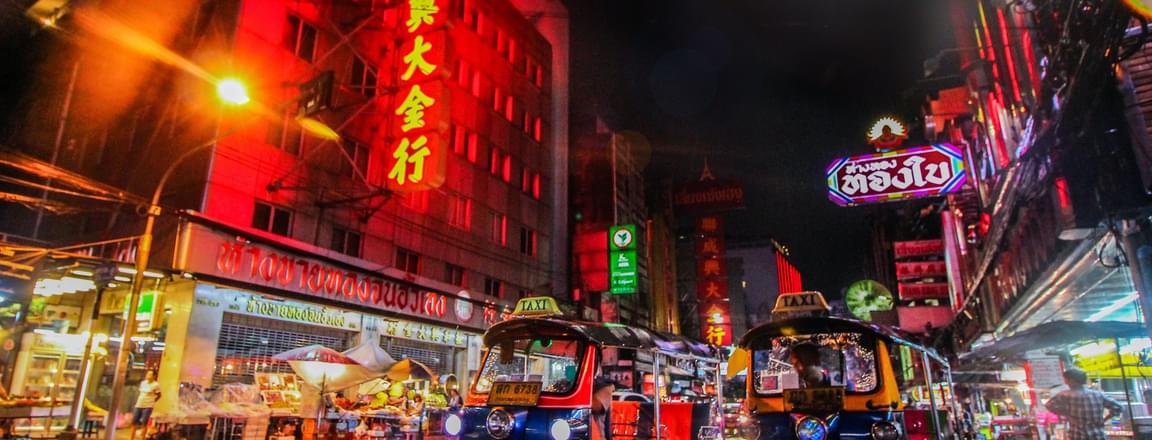
Chinatown Bangkok, often called Yaowarat, is a very colourful and vibrant cultural district of the city. With the bright neon signs, gold shops in full activity, historic Chinese shophouses, and famous street food stalls all together giving the visitor a delightful and sensory experience. Morning markets fill with different herbs and spices, and night streets open with the Michelin Guide–listed street food vendors. They are just a few lanes, but they all have something new and interesting to offer.
Whether you are after food, culture, or shopping, Chinatown is the powerhouse of Bangkok's diverse history. Following this guide, you will be able to perfectly walk your way through the Yaowarat district and enjoy the finest sights, activities, and flavours like an expert.
About Chinatown Bangkok
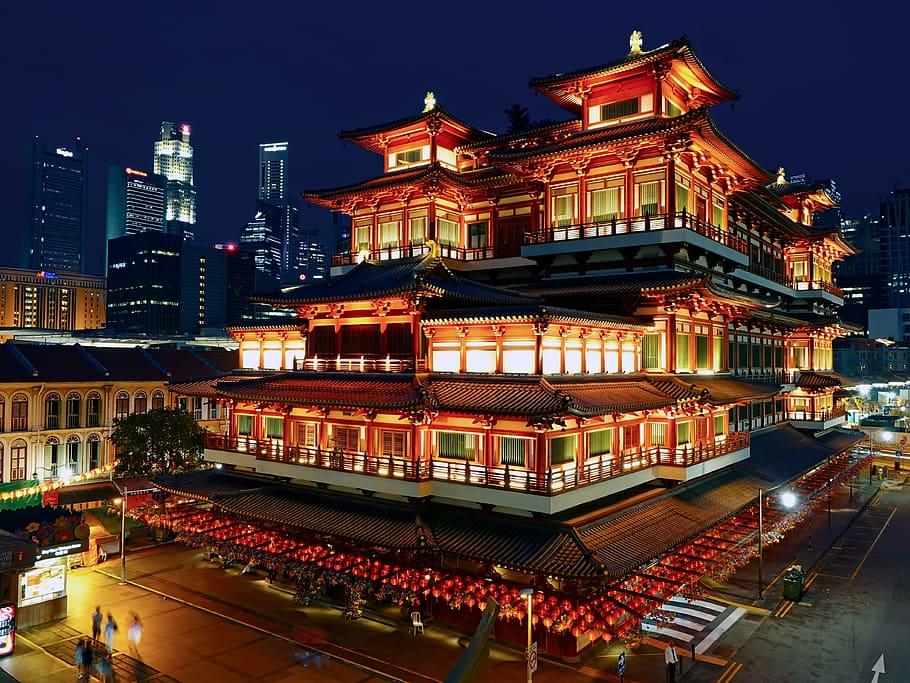
Situated on Yaowarat Road, Chinatown is a place full of time where the Chinese and the Thai cultures blend and get along. It has been attracting and bringing to the area not only Chinese merchants and traders but also their descendants, and nowadays it is still an important centre for trade, commerce, traditional Chinese medicine, and cultural exchange.
Chinatown is active from early morning until late night, with shops already displaying gold, herbs, textiles, fabrics, traditional goods and local goodies in the very early morning hours. At night, the famous road and the alleys are filled with delicious food, from seafood to rolled noodles. Chinatown is a place where one can find the madness of street markets, the delight of good food, the charm of an old world, and the exciting nightlife all together. That is why it is not only a place for history seekers, food lovers, photographers, and inquisitive tourists to visit.
Fun Fact: The decorative entrance arch, Chinatown Gate (also known as Odeon Gate), marks the official threshold of “Chinatown” and is one of the most photographed landmarks in Yaowarat, glowing brightly especially during festive nights.
Highlights of Chinatown Bangkok
- Unforgettable street food experience, seafood with grill marks, dim-sum, soups of noodles, and all varieties of pastry, plus sugar and much more in neon-lit lanes.
- Temples that are ancient and holy, among them Wat Traimit which houses a splendid gold Buddha and gives a glimpse of Chinatown’s cultural heritage.
- Lively bazaars and winding lanes, vendors with gold, herbs, fabrics, drugs, trinkets, and groceries selling, the great cacophony of human activity and the character of the place appreciated by the senses.
- Day-and-night changeover of the scene, mornings with markets and heritage structures giving way to nights with stalls selling food, feasting, neon illumination and crowds that are lively.
- Cultural mix & heritage stroll, Chinese-Thai customs, rituals, ancient shophouses, trades, and modernity together all around.
Chinatown is the place to be if you want to be totally immersed in the splendour of the senses, culture, and the variety of food, whether you stay for a couple of hours or an entire night.
Chinatown Bangkok Details & Nearby Attractions
- Location: Yaowarat/Talat Noi/Samphanthawong District, Bangkok, Thailand
- Best Time to Visit: Evening (after 6 PM) for food and nightlife, or morning for temples, markets and sightseeing.
- The entrance to Chinatown, Bangkok, is free. However, you only have to pay for food, shopping or temple donations.
- Suggested Visit Duration: 2–4 hours (for a quick experience), 4–6 hours (for full exploration, including food, shopping and sightseeing)
- What to Carry: light clothes, comfortable shoes, a small bag, cash (many stalls don’t take cards), water, mosquito repellent (some alleys can get damp/crowded), and a light jacket for the evening in case of a breeze or AC indoors.
Nearby & Combineable Spots:
- Temples like Wat Traimit (Golden Buddha) are must-see religious/cultural landmarks.
- Alleyway markets, narrow lanes with traditional shops, gold/spice shops, herbal stores, souvenir stalls – great for shopping & local finds.
- Street-food stalls and neon-lit night market scenes along Yaowarat and surrounding by-lanes, ideal for dinner or late-night eats.
Day-Trip Tip:
Start with heritage & temple visits (late morning), then take a break. Return around evening for street-food dinner, neon-lit walks, and night-market vibes. It’s best to mix old heritage and modern street life in one go; that’s the real Chinatown magic.
What to Do in Chinatown Bangkok
1. Night Food & Street-Food Alley – The Gastronomy Zone
- What it is: Generally, after 7 PM, you can see that the market and streets near Yaowarat change into a gigantic open-air food court. Among the different vendors, food carts and stalls offer you to choose from a wide variety of food like fresh seafood, dim sum, noodles, desserts, grilled snacks, fruits, and everything to your taste.
- Why Visit: This is a rather vibrant street-food scene if you are a food lover. You can easily have your dinner, snacks, and very late-night eating there without any problem.
- Experience: It is the crowd, the sizzling grills, the smoke, the sizzling sounds, and the aroma of spices – all that make it such a wonderful experience, and all this under the neon lights. It is the local favourites that you try, it is the chefs that you watch cooking live, it is the vendors that you interact with, and it is the chaos that you soak up.
2. Heritage & Temple Walk – Culture & History Zone
- What it is: Historic temples, shrines, old-style streets, cultural architecture, traditional Chinese-Thai heritage, and places that tell the story of Bangkok’s Chinese community.
- Must Visit: Wat Traimit, which houses a massive gold Buddha statue, a symbolic religious & historic landmark.
- Why Visit: For history buffs, architecture fans, and people interested in cultural roots, this zone offers calm, depth, and insight away from the bustle.
- Experience: Quiet temple courtyards, golden statues, incense, old-time ambience, spiritual calm, and a peaceful cultural contrast to the busy street-food lanes.
3. Market & Shopping Zone – Local Commerce & Hidden Treasures
- What it is: A labyrinth of trade that combines the charm of the old world with everyday life through narrow streets, traditional stores, herb shops, gold shops, fabric shops, souvenirs, and street vendors.
- Why Visit: Perfect for shopping on a budget, getting rare things, buying souvenirs, fabrics, gifts, and possibly herbs or traditional goods if you're up to it, and venturing out of the touristy areas and stalls of jewellery.
- Experience: A very local market atmosphere created by congested streets, amiable bargaining, big heaps of merchandise, tiny stores, and a colourful bargaining culture. This is the perfect place activity to add to your Bangkok tour packages in 2026.
4. Evening & Neon Lights Experience – Nightlife & Photography Zone
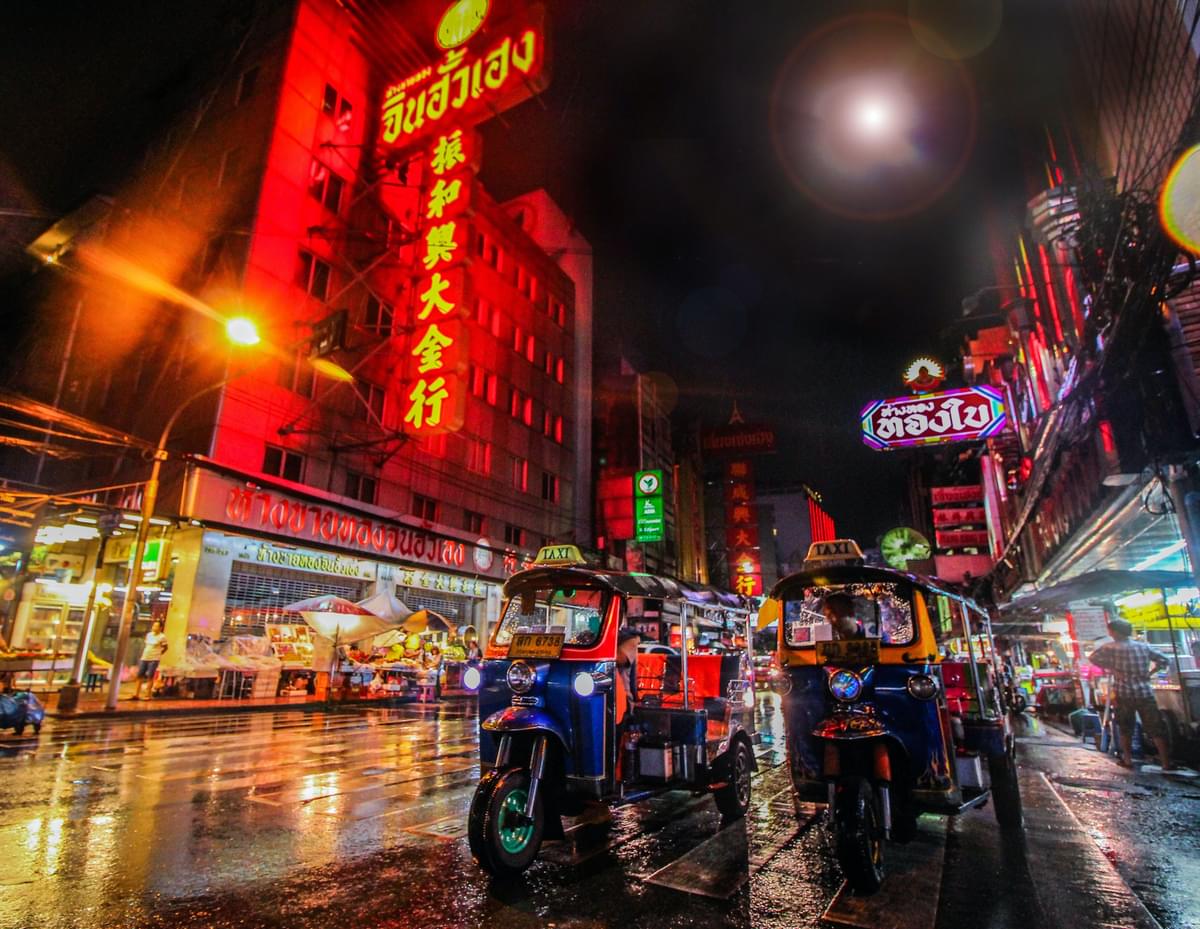
- What it is: After the sunset, Chinatown turns into a new place: electric signs, bright lanterns, damp roads, light reflections, and a night cityscape with a very nice atmosphere.
- Why Visit: Photographers, nightlife participants, and good food lovers are the main visitors to this place, as it offers a filmic view of Bangkok's traditional-modern vibes, which are great for night walks, street-food dinners, late-night wandering, and so on.
- Experience: People, conversations, the smell of food from vendors, neon lights in the alleys, narrow streets, lively, a bit disordered, but full of stories and life.
Chinatown Bangkok Entry Info & Visiting Basics
- Entry: Free, you only pay for food, shopping or temple donations.
- Timings:
- Day shopping/heritage exploration: All day
- Street-food/night zones: Evening to late night (from ~7:00 PM)
- Suggested Visit Duration:
- Quick stroll & eats: 2–3 hours
- Full experience (temples + food + shopping): 4–6 hours
- What to Carry: Light clothes, comfortable shoes, small bag, cash (many stalls don’t take cards), water, mosquito repellent (some alleys can get damp/ crowded), and a light jacket for the evening in case of breeze or AC indoors.
Pro Tip: Explore heritage & temples in daytime (less crowded, calmer), rest mid-afternoon, then return in the evening for street-food + nightlife, gives the best of both worlds.
Timings & Best Time to Visit Chinatown
- Evening (6:30 PM onwards): Street food, neon lights, nightlife
- Late morning to afternoon: Temples, heritage walks, shopping
- Festivals (Chinese New Year, Vegetarian Festival): Extremely lively but crowded
How to Reach Chinatown, Bangkok
- By MRT (Blue Line): Get off at Wat Mangkon MRT Station, it drops you right into the heart of Chinatown/Yaowarat.
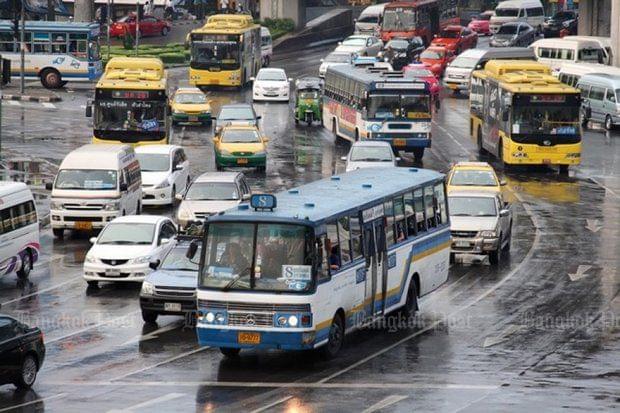
- By Taxi/Ride-Share/Tuk-tuk: Easy options, but traffic can get congested, especially in the evening. Worth it if you want door-to-door convenience.
- By Boat + River Pier + Walk (for a scenic combo): Use nearby piers on the river and walk into Chinatown, adds a unique flavour to your commute if coming from other parts of Bangkok.
Note: The area gets busy at night, if using tuk-tuks or taxis, agree on fare upfront or request meter to avoid overcharging.
Chinatown Bangkok Insider Tips
- Going hungry is the key: Check out fantastic street food in Chinatown and hit some seafood stalls, dim sum, noodle soups, and the candied fruits, if you want to check that out.
- Be averse to cards, use cash: Many vendors do not accept cards, small bills are very effectively utilised to negotiate prices and make day-to-day shopping more convenient.
- Temple etiquette: There is a sort of peculiar interpretation of the situation in all places; however, this applies to showing respect to all of the houses of worship. It is mandatory to dress modestly while visiting a temple; the basic rule is: respect the custom and wear long clothing covering your shoulders and knees.
- Be prepared for big crowds the minute anything interesting goes down: These narrow roads can get packed at night, so as an extra note, it would be a good idea to teach someone to recognise the odd pickpocket while at it, probably the third note relating to secure bags.
- Walk into bypaths and alleys: Hidden away from unwary tourists on typical pathways are some best foods, stocked requests, or special heritage corners. Nevertheless, suchan adventure can be called an all-encompassing culinary adventure.
- Pause at an off-peak hour before disappearing from public view: To avoid crowds and feel the gently lapping waves of shopping.
Half-Day Itinerary to Explore Chinatown Bangkok
Evening Start (6:00 PM):
- Reach Wat Mangkon MRT → walk to Chinatown Gate / Yaowarat Road
- Begin with a stroll under neon lights, sampling street food (dim-sum, seafood, snacks)
Dinner (7:00–8:30 PM):
- Choose a seafood stall or noodle shop for dinner
- Try local favourites — freshly cooked, cheap, delicious
Night Exploration (8:30–10:00 PM):
- Walk through alleys, explore small shops, check out old-style buildings, herb shops or gold jewellery shops
- Grab dessert or street snacks (ice-cream, fruit, sweet treats)
Late Night Wind Down (10:00–11:30 PM):
- Optionally visit a nearby bar/restaurant (some hidden gems in nearby streets) for a drink or a relaxed end to the day
- Head back to your hotel safely via taxi or MRT, depending on your location
This itinerary gives you a flavour of culture, food, shopping, heritage, all wrapped in one chaotic, colourful, unforgettable evening in Chinatown.
Why Visit Chinatown Bangkok?
- It gives a raw, authentic taste of Bangkok life — not polished, not tourist-only, but local, gritty, vibrant and real.
- Combines history, heritage, culture, food and nightlife — something for every kind of traveller.
- Offers incredible value — street food and shopping at prices far lower than fancy malls or tourist traps.
- Delivers memorable sensory experiences — aromas of spices & seafood, neon reflections, busy lanes, temple calm, cultural mixtures.
- Works for short visits or extended stays — great for a quick evening, full-day exploration or combining with other Bangkok plans.
If you want to see a side of Bangkok beyond skyscrapers and malls, one that’s rich in history, smells, sounds, chaos, flavour and warmth, Chinatown is a must-visit place.
Five Things to Do in Chinatown Bangkok in One Visit
- Enjoy a street-food dinner on Yaowarat — dim-sum, seafood, noodle soups, and sweet treats.
- Visit Wat Traimit (Golden Buddha) for heritage, culture and spiritual calm.
- Stroll through narrow market lanes and alleys, browse shops, fabrics, herbs, and souvenirs.
- Explore Chinatown at night — neon lights + street chaos + photogenic scenes.
- Visit smaller hidden corners — local shops, herb stores, traditional buildings, for a true local feel.
Conclusion: Is Chinatown worth Adding to your 2026 Bangkok Itinerary?
Chinatown Bangkok is a vibrant mix of street food, culture, shopping, and history that captures the true spirit of the city. From Yaowarat Road’s legendary food stalls to gold shops, temples, and night markets, it offers an unforgettable experience for every traveller. Whether you’re visiting for flavours, festivals, or sightseeing, Chinatown Bangkok remains a must-visit highlight of any Bangkok itinerary.
FAQs: Chinatown Bangkok
Is Chinatown in Bangkok safe at night?
Yes, but as with any busy area, stay alert, keep belongings secure and avoid poorly lit alleys alone. Daytime and early evening are generally safe and vibrant.
Can I visit Chinatown in Bangkok temples after 6 PM?
Temples like Wat Traimit typically close by evening. For temple visits, plan for daytime hours. Night visits are best for street food and night market experience.
Is English widely spoken at China town Bangkok?
Basic English often works at tourist-facing shops and restaurants, but in many stores, local language or broken English is common. Smiles, gestures, and patience go a long way.
Do shops at Chinatown Bangkok accept cards?
Many small shops and food stalls prefer cash or small bills — it’s advisable to carry Thai baht in cash.
What months are best to visit Chinatown in Bangkok?
November to May offers milder weather and more comfortable evenings, but Chinatown is lively year-round.
Can I combine Chinatown with other Bangkok attractions nearby?
Yes, you can easily combine it with river rides, heritage sites, other historic districts or shopping hubs in Bangkok.