
- Home
- Attractions
- Bangkok
- Democracy Monument Bangkok
Democracy Monument Bangkok
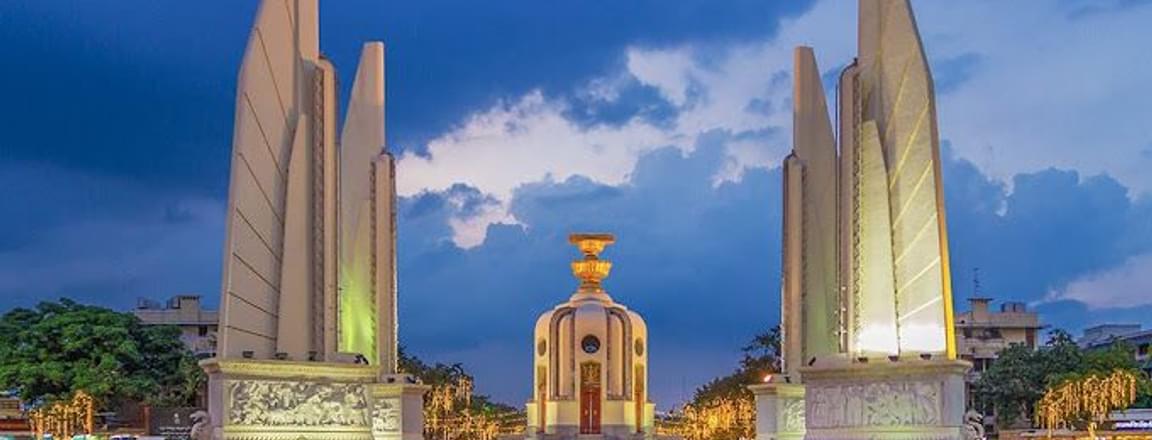
The Democracy Monument in Bangkok is one of Thailand’s most significant political monuments, which depicts how the country changed its regime from an absolute monarchy to constitutional governance. Constructed in 1939, the monument is located on Ratchadamnoen Avenue in Bangkok’s Old Town, historically linking the Grand Palace area to the Dusit district. It is a modern architectural creation designed by Thai architect Mew Aphaiwong, with sculptural elements by Italian sculptor Corrado Feroci (Silpa Bhirasri), inspired by the modern Thai history, the art craftsmanship, and the fight of Thais to be democratic. The Democracy Monument is a useful attraction for anyone interested in Thailand's culture, history, and travelling to Bangkok because it can provide an idea of the evolution of Thai politics and its significance in the life of the capital city.
About the Democracy Monument in Bangkok
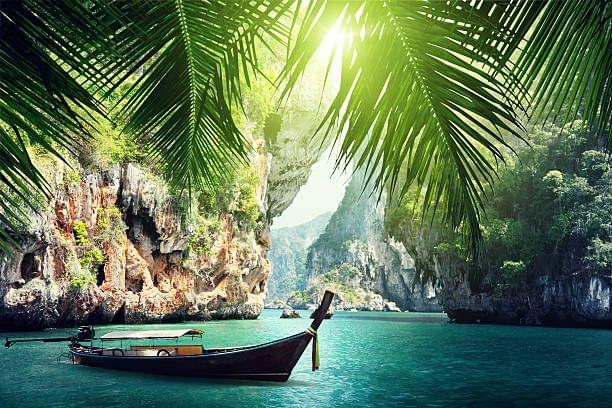
The Democracy Monument in Bangkok is not a mere roundabout monument; it is an extremely symbolic monument that symbolises the Thai experience towards constitutional democracy. The monument is in the centre of Bangkok, on Ratchadamnoen Avenue, which is one of the busiest streets of the city, and it is a very common spot on cultural tours, historical walks, and photography tours.
The Democracy Monument stands next to cafes, old architecture, and popular sights, which include the Grand Palace, Khaosan Road, Wat Saket, etc., and it is a critical place of interest to a visitor who tries to explore the cultural and historical background of the Thai capital.
Read more: Bangkok Travel Guide
Democracy Monument Bangkok Details
- Location: Ratchadamnoen Avenue, Phra Nakhon District, Bangkok, Thailand
- Opening Hours: Open 24 hours (outdoor public monument)
- Entry Fee: Free
- Suggested Duration: 15–30 minutes
- Best Time to Visit: Early morning or evening for better lighting and cooler weather
History & Meaning of Democracy Monument Bangkok
The monument was built to commemorate the 1932 Siamese Revolution, which ended the absolute monarchy and introduced constitutional rule in Thailand.
Symbolism in the Design
- Central Sculpture: The Constitution is placed on two golden offering bowls, representing governance by the people.
- Four Wings: Symbolise the four branches of the armed forces that supported the revolution, the army, navy, air force, and police.
- Height of Wings: 24 metres, representing the revolution date: 24 June 1932.
- Reliefs at the Base: Illustrate key events in the transformation of Thai political history.
The monument is not only an art piece but also a living landmark frequently associated with political gatherings and democratic expression.
Highlights of Democracy Monument, Bangkok
1. Architectural Beauty: A fusion of Thai symbolism and Western modernism, the monument is a fine example of Bangkok’s early modern architecture.
2. Historical Storytelling Panels: Detailed relief sculptures around the base visually narrate Thailand’s democratic transition.
3. Photographic Spot: The symmetrical layout, wide boulevard, and elegant wings make it a popular photo stop.
4. Central Location: Situated on Ratchadamnoen Avenue, it is easily combined with visits to major attractions in Old Bangkok.
Read more: Top Things to do in Bangkok
Nearby Attractions to Combine With Democracy Monument, Bangkok
1. Khaosan Road: 10–12 minutes walk; famous for cafes, nightlife, and backpacker culture.
2. Wat Saket (Golden Mount): 15 minutes away; panoramic views of Bangkok.
3. The Grand Palace & Wat Phra Kaew: 10 minutes away; Bangkok’s most iconic heritage site.
4. Wat Ratchanatdaram (Loha Prasat): 5 minutes away; a unique multi-spired metal castle.
5. Rattanakosin Exhibition Hall: Ideal for understanding Thai history and cultural heritage.
Tips for Visiting Democracy Monument, Bangkok
- The monument is located on a busy roundabout—use pedestrian crossings safely.
- It is a public open-air landmark; no tickets are required.
- Pair your visit with Old Town walking tours for a deeper cultural experience.
- Wear comfortable shoes if you plan to walk towards Khaosan Road or nearby temples.
- For photographers: visit early or late for the best light.
How to Reach Democracy Monument, Bangkok
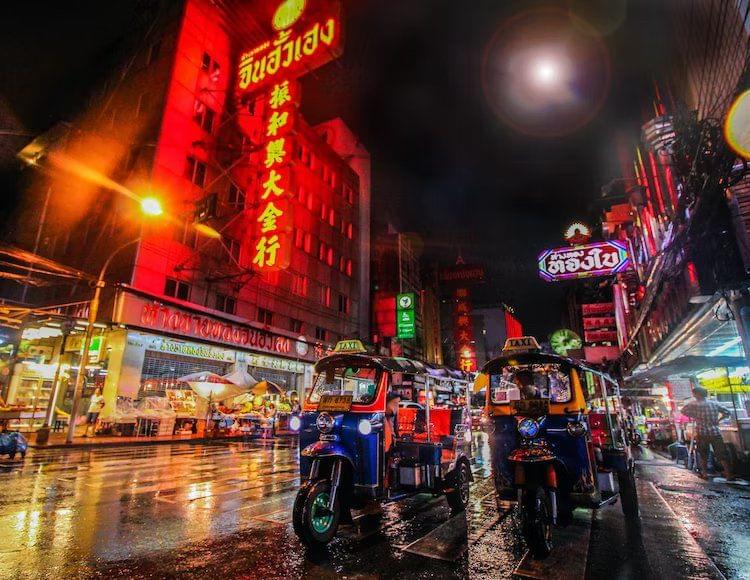
1. By Tuk-Tuk: A convenient and quick option from Khaosan Road or Old Town.
2. By Taxi/Grab: Easiest option; fares may vary depending on traffic.
3. By Bus: Several local buses stop along Ratchadamnoen Avenue.
4. By Walking: If you’re staying near Khaosan Road, the monument is within walking distance.
Conclusion
The Democracy Monument in Bangkok is a historical landmark that provides historians with insight into the political transformation and democratic history of Thailand. The combination of its beautiful architecture, symbolic design, and location in the centre of the Old Town makes it a cultural tourism site, a history lover's destination, and a photographer's destination in Bangkok. Being a part of a walking tour around the Rattanakosin Island or spending a moment in a visit to Khaosan Road, the monument is a thought-provoking experience that helps you to know more about the modern Thai identity. To plan a hassle-free travel experience, check out our best Bangkok tour packages and have a memorable visit in 2026.
FAQs About Democracy Monument Bangkok
FAQs About Democracy Monument Bangkok
1. What does the Democracy Monument in Bangkok have to say?
It is also associated with the shift of the absolute monarchy in Thailand to a constitutional democracy after the 1932 revolution.
2. Does Democracy Monument, Bangkok, have an entry charge?
No, there is no charge to visit Democracy Monument in Bangkok, as this is a free outdoor tourist site.
3. In which location is Democracy Monument?
It is on Ratchadamnoen Avenue in the Phra Nakhon District near Khaosan Road.
4. What will be the time required at Democracy Monument, Bangkok?
The average visitor requires 15-30 minutes to visit and take photographs.
5. Is the Bangkok Democracy Monument safe to visit?
Yes, it is safe. But it has a political history, so it is prudent to stay out of it during big demonstrations.
6. What are the most popular sights in the area of Democracy Monument, Bangkok?
Among the places of interest the the Grand Palace, Wat Saket, Loha Prasat, and Khaosan Road, all of which are situated nearby.
7. Is it possible to take some pictures at the Democracy Monument in Bangkok?
Yes, it is not prohibited, but strongly advised to photograph.