
- Home
- Attractions
- Bangkok
- Erawan Shrine Bangkok
Erawan Shrine Bangkok
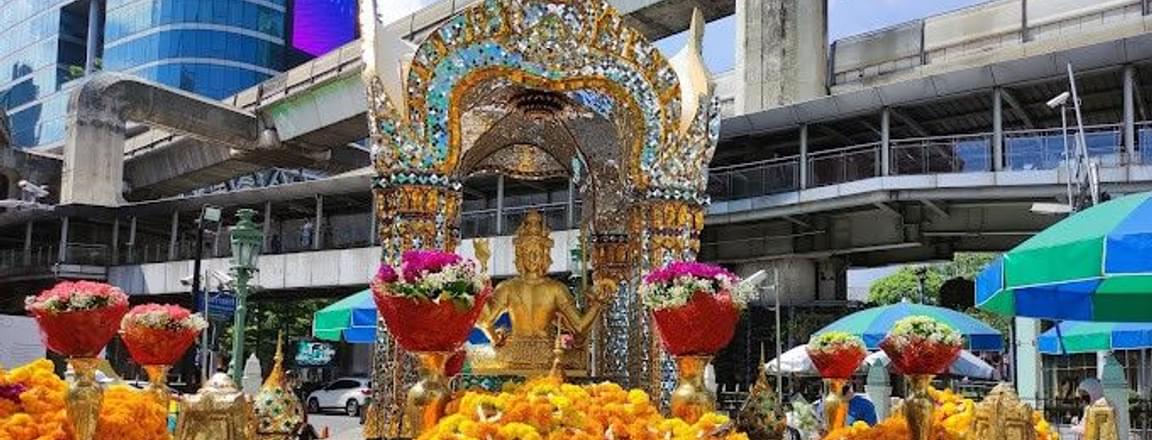
The Erawan Shrine in Bangkok is one of the city’s most visited spiritual landmarks, known for its golden statue of Phra Phrom (the Thai representation of the Hindu god Brahma). Located in downtown Bangkok near major malls and hotels, the shrine attracts millions of visitors each year seeking blessings for luck, protection, and prosperity. Despite being surrounded by busy streets, it offers a calm space for prayer, cultural appreciation, and traditional Thai dance performances. This visitor guide explains what the Erawan Shrine is, why it is significant, and what you can expect during your visit.
About Erawan Shrine Bangkok
Built in 1956 to ensure prosperity during the Erawan Hotel's construction, the shrine houses a golden four-faced Phra Phrom statue symbolising blessings for career (front), wealth (right), love (back), and health (left). The first Erawan Shrine, Bangkok, is also known as Phra Phrom Shrine or Zlatý Chrám. It houses a golden four-faced statue of Phra Phrom, symbolising loving-kindness, compassion, sympathy, and impartiality.
The offering and worship at the shrine go on all day, and the deities are paid their respect through the presentation of garlands, candles, incense, and wooden elephants by the locals, monks, and tourists. Also, it is an occasion for Thai traditional dance performers to perform as the offering and the blessing coincide. The shrine was rebuilt after a tragic 2015 incident and continues to operate with security measures in place.
Fun Fact: The shrine received large quantities of flower garlands, which were collected daily and respectfully recycled.
Read more: Bangkok Travel guide
Top Highlights of Erawan Shrine Bangkok
- Four-Faced Brahma Statue: A powerful spiritual symbol worshipped by millions.
- Traditional Thai Dance Performances: Cultural offerings performed to honour answered prayers.
- Daily Rituals: Worshippers offer incense, garlands, candles, and wooden elephants as part of Brahmanical rituals conducted by shrine caretakers.
- Central Location: Surrounded by Bangkok’s premium shopping and lifestyle district.
- Peaceful Ambience: A calm spiritual escape amidst the energy of central Bangkok.
Erawan Shrine Details & Nearby Attractions
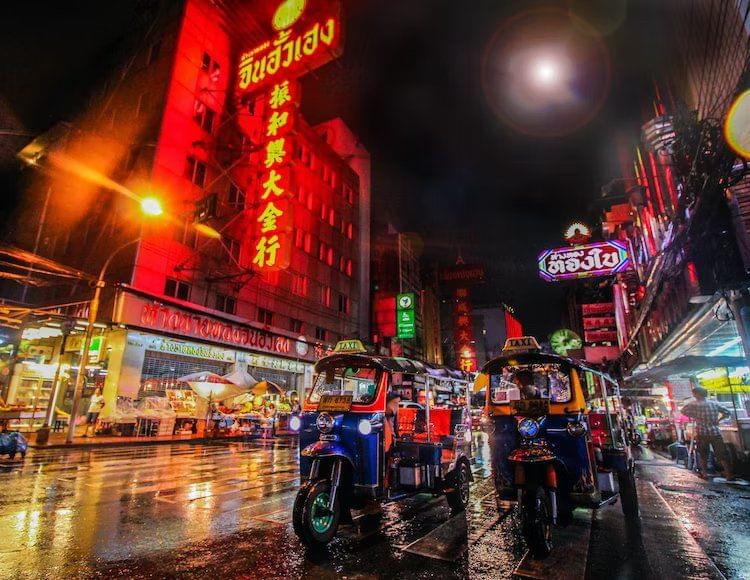
- Location: Situated at one of the busiest intersections in Bangkok, the shrine sits beside the Erawan Hotel and faces the Ratchaprasong district — making it one of the most accessible and iconic city attractions.
- Suggested Visit Duration: 15–45 minutes, depending on offerings, prayers, or watching performances.
Nearby Attractions
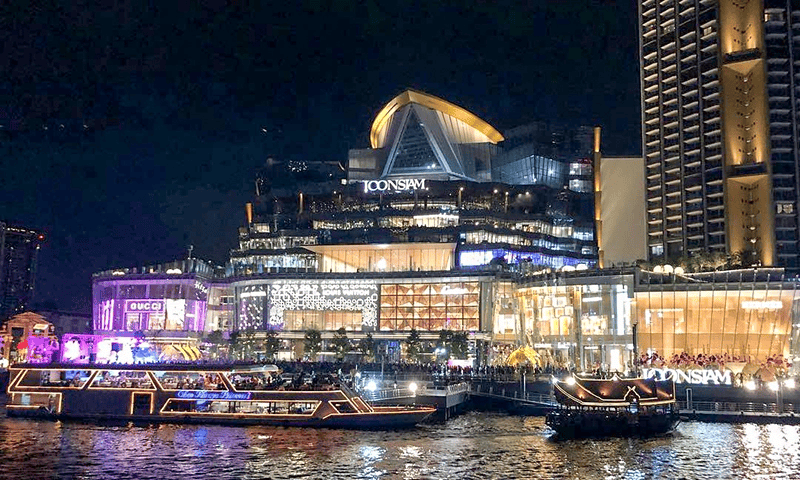
- CentralWorld – One of Asia’s largest lifestyle malls
- Gaysorn Village – Luxury shopping and café hub
- Big C Supercenter – Popular for souvenirs and food items
- Siam Paragon & Siam Discovery – Stylish malls just one BTS stop away
- Ratchaprasong Skywalk – A scenic walkway connecting major landmarks
Travel Tip: Combine your shrine visit with a shopping and dining experience along the Ratchaprasong Skywalk for a full cultural + modern Bangkok day.
Top Things to Do at Erawan Shrine Bangkok
1. Make Offerings to Phra Phrom: Purchase incense, candles, flowers, and wooden elephants from the official offering stalls. Each item carries a symbolic spiritual meaning. Visitors walk around the statue offering prayers to each of the four faces for different blessings.
2. Watch Traditional Thai Dance Performances: The shrine has live classical Thai dance performances several times a day. These shows are often sponsored by locals who make vows to thank the deity after prayers are answered.
3. Experience Local Spiritual Culture Up Close: Visitors can observe long-standing Thai-Brahman traditions that continue daily at the shrine.
4. Capture the Atmosphere Through Photography: The shrine offers excellent photography opportunities, from the golden statue to the dancers and flourishing garlands, but it is always respectful to communicate with worshippers.
5. Explore the Surrounding Lifestyle District: When you finish at the shrine, go to the nearby first-rate shopping centres, coffee shops, and street vendors.
Read more: Top Things to do in Bangkok
Best Time to Visit Erawan Shrine Bangkok
- Morning (7 AM–10 AM): calm, cooler weather, fewer crowds.
- Afternoon: Busy but culturally vibrant with constant visitors.
- Evening (6 PM–9 PM): Cooler and beautifully lit — perfect for photography.
- Weekdays: Less crowded than weekends and public holidays.
- Peak Season: November–February offers the best weather for outdoor sightseeing in Bangkok.
Tips: Avoid the 5-7 PM weekday rush for calmer vibes.
How to Reach Erawan Shrine Bangkok
- BTS Skytrain: Get down at Chit Lom or Siam Station and walk using the connected skywalk.
- Taxi / Tuk-Tuk: Easily accessible from anywhere in central Bangkok.
- On Foot: Walkable from many popular shopping districts in the area.
Visitor Tips for Erawan Shrine Bangkok
- Dress modestly out of respect for the holy site (shoulders and knees covered preferred).
- Photography is allowed, but avoid obstructing worshippers.
- Avoid bringing outside food — this is a sacred space.
- Buy offerings only from official shrine counters.
- If you’d like a Thai dance performance fulfilled for your blessing, you can request it at the counter.
- Early morning visits offer a peaceful spiritual environment.
Dining Options Near Erawan Shrine
- Street Food Stalls: Authentic Thai snacks and fresh fruit nearby.
- Mall Food Courts: CentralWorld and Gaysorn Village have excellent Thai and international choices.
- Cafés: Trendy cafés line the area, perfect for coffee and cakes.
- Fine Dining: The Ratchaprasong district also features upscale dining experiences.
Recommended Mini-Itinerary
Morning Visit:
- Arrive at 8 AM for a peaceful shrine experience
- Make offerings and watch a live blessing dance performance
- Walk to CentralWorld for breakfast
Afternoon Combo:
- Explore nearby malls (Gaysorn / Paragon)
- Enjoy Thai lunch at a local restaurant
- Shop or relax at a café
Evening Visit:
- Return for evening prayers and beautifully lit photography
- Take a stroll along the Ratchaprasong Skywalk for city views
Why Visit Erawan Shrine Bangkok?
- It’s one of Bangkok’s most significant urban spiritual landmarks.
- Offers an authentic glimpse into Thai religious rituals and traditions.
- Easily accessible and ideal for a short yet meaningful cultural stop.
- Located in the heart of Bangkok’s premier lifestyle district, perfect for combining culture and city exploration.
Conclusion
Erawan Shrine Bangkok remains one of the city’s most meaningful cultural landmarks, offering visitors a place to seek blessings, experience traditional rituals, or simply pause for a moment of peace amid the city’s fast pace. Its accessibility and spiritual significance make it a popular stop included in many Bangkok tour packages, ensuring travellers get a blend of culture, devotion, and authentic local experiences. Whether you visit for faith or curiosity, the shrine leaves a lasting impression on every traveller.
FAQs About Erawan Shrine Bangkok
Is there an entry fee for Erawan Shrine Bangkok?
No. Visiting Erawan Shrine Bangkok is completely free.
How long should I spend at Erawan Shrine Bangkok?
Most visitors spend 20–30 minutes at Erawan Shrine Bangkok.
Can I take photos at Erawan Shrine Bangkok?
Yes, photography is allowed at Erawan Shrine Bangkok, but please be respectful of worshippers and ongoing rituals.
Are children allowed at Erawan Shrine Bangkok?
Yes, Erawan Shrine in Bangkok is family-friendly and open to visitors of all ages.
What does each face of Brahma represent at Erawan Shrine Bangkok?
The four faces represent career or success, wealth, love or happiness, and health or knowledge.
Are offerings mandatory at Erawan Shrine Bangkok?
No. Offerings are optional, but many visitors choose to participate for the cultural and spiritual experience.