
- Home
- Attractions
- Japan
- Kyoto
- Todai-ji Temple Guide: History, Great Buddha & Tickets
Todai-ji Temple Guide: History, Great Buddha & Tickets
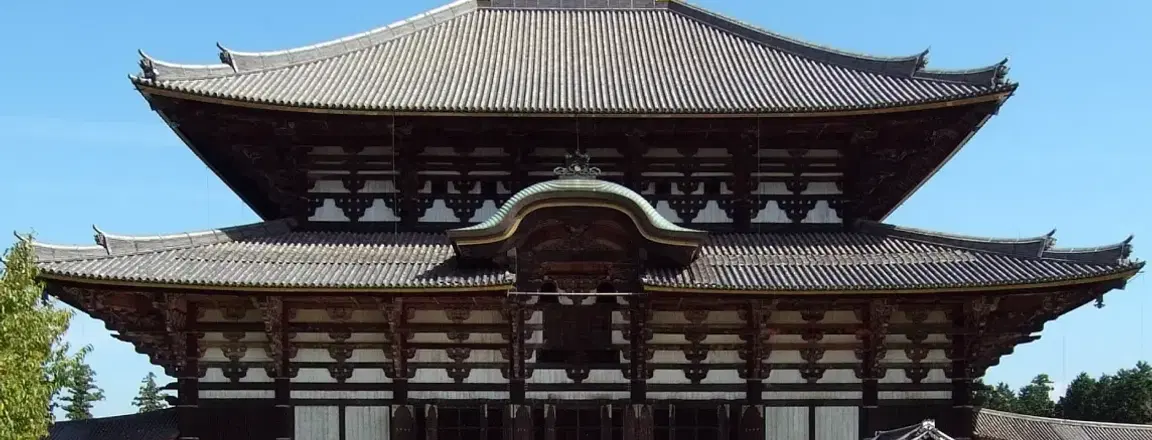
Japan’s ancient capital, Nara, holds stories carved in wood, bronze, and silence. While Kyoto refined aesthetics, Nara shaped early Japanese Buddhism and state power. At the heart of this legacy stands Todai-ji temple, one of Japan's most historically significant temples and home to the legendary Great Buddha.
Located inside Nara Park, Todai-ji is not just a Nara temple; it is a symbol of imperial ambition, spiritual devotion, and architectural brilliance. Originally built in the 8th century, it once served as the head temple of all provincial Buddhist temples in Japan. If you’re planning a cultural deep dive, Todai-ji offers scale, depth, and historical gravity that few sites can match.
Today, Todai-ji temple in Nara is part of the UNESCO-listed Historic Monuments of Ancient Nara!
Read more: Top things to do in Nara
Todai-ji Nara History: The Temple That Unified a Nation
Todai-ji temple Nara was established in 752 AD during the Nara period under Emperor Shomu. At a time when epidemics and political instability threatened Japan, Buddhism was promoted as a unifying force.
The temple was built as the head of a nationwide temple network to protect the country spiritually. Its centrepiece? A colossal bronze Buddha known as the Daibutsu. The Great Buddha represents Vairocana (Cosmic Buddha), symbolising universal truth and enlightenment. The original complex was even larger than what you see today. Though fires and wars damaged it over centuries, the present structure still reflects a monumental scale.
Did you know? At the time of construction, nearly half of Japan’s bronze production was used to create the Great Buddha.
Read more: Japan temples vs shrines
What to See Inside Todai-ji Temple
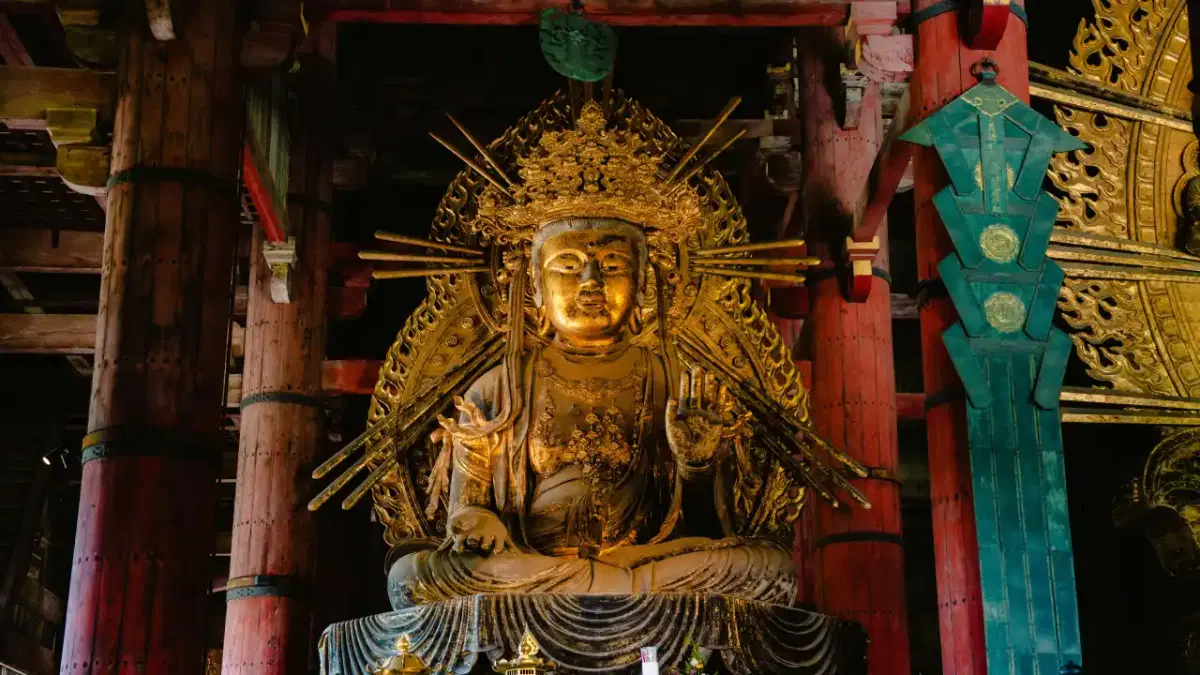
1. The Great Buddha (Nara Daibutsu)
The highlight of Todai-ji temple is its 15-metre-tall bronze Great Buddha. Weighing approximately 500 tonnes, it remains one of the largest bronze Buddha statues in the world.
Inside the hall, you’ll notice:
- Massive wooden pillars supporting the structure
- Guardian statues protecting the sacred space
- A pillar with a hole at its base is said to match the Buddha’s nostril; passing through it is believed to bring good fortune.
The interior atmosphere is dim, vast, and reverent. Even during busy hours, the scale commands silence.
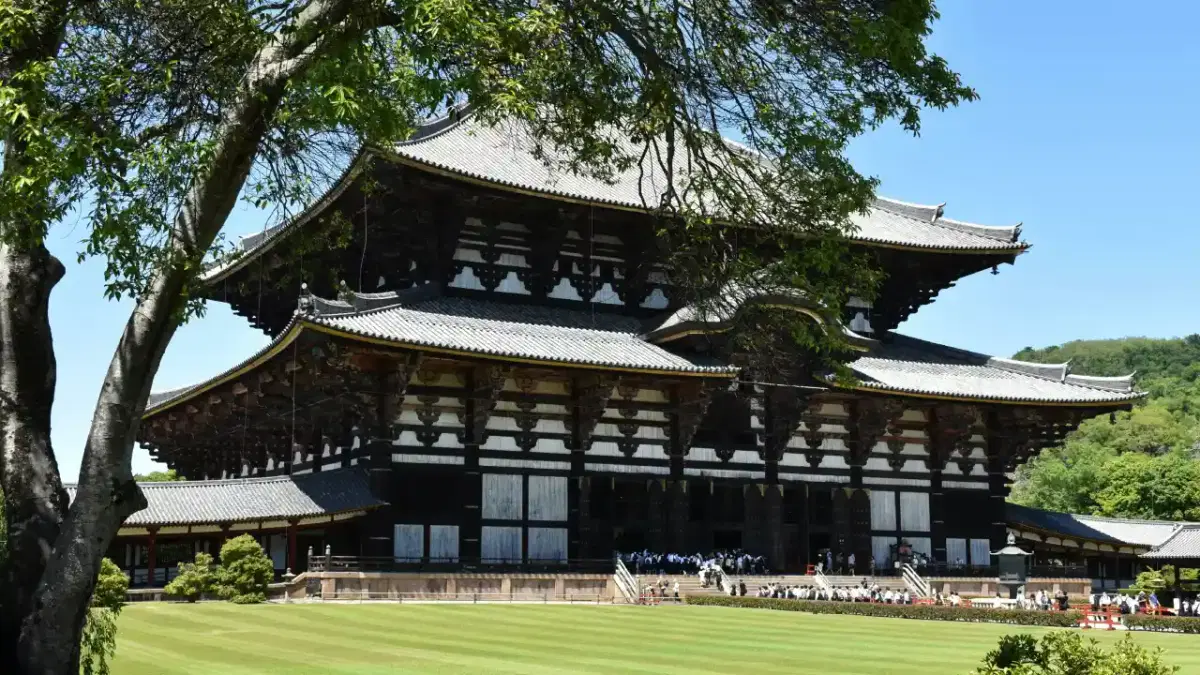
2. Daibutsuden (Great Buddha Hall)
The hall itself is an engineering marvel. Although rebuilt in 1709 at two-thirds of its original width, it still dominates the skyline.
Its architectural scale demonstrates how Buddhism became intertwined with state authority during the Nara period.
3. Nandaimon Gate
Before entering the main hall, you pass through the imposing Nandaimon Gate. Inside stand two fierce guardian statues (Nio), carved in the 13th century. They are considered masterpieces of Kamakura-period sculpture.
Todai-ji Temple Location
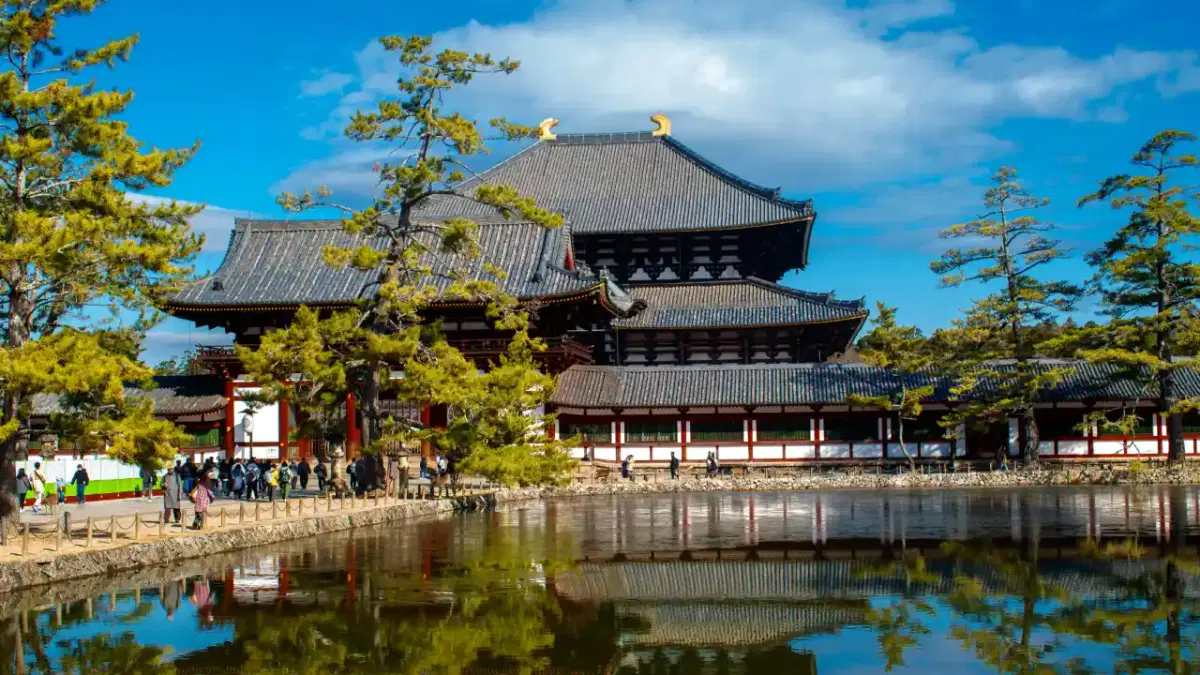
- Address: 406-1 Zoshicho, Nara 630-8587, Japan
Todai-ji Temple is located in eastern Nara in the premises of Nara Park, famous for its freely roaming deer considered sacred messengers of the gods. Nearby attractions that you can visit on your trip to the temple are:
- Kasuga Taisha
- Kofuku-ji
- Nara National Museum
Together, these sites form a concentrated historical zone easily walkable in half a day.
Must visit: Kinkaku-ji temple Kyoto
Todai-ji Temple Map & Walking Route
- Entry through Nandaimon Gate
- Walk toward Daibutsuden Hall
- Explore the interior and surrounding grounds
- Optional visit to Nigatsu-do Hall (for elevated views)
- Exit through park pathways
Recommended duration: 1.5 to 2 hours. The route is flexible, unlike Kyoto’s one-way temple circuits.
Todai-ji Entrance Fee & Opening Hours
Todai-ji Temple Ticket
- Adults: ¥600 (approx. ₹330)
- Children: ¥300 (approx. ₹165)
Opening Hours
- April to October: 8:00 AM – 5:00 PM
- November to March: 8:30 AM – 5:00 PM
Last entry is typically 30 minutes before closing. We highly recommend bringing cash with you, though card acceptance is increasing.
Note: INR conversions are approximate and may vary by exchange rate.
Best Time to Visit Todai-ji for Fewer Crowds
Todai-ji is one of the most visited attractions in Nara and can become crowded between 10:00 AM and 2:00 PM, especially when tour buses arrive.
Best Time of Day
- Early morning (before 9:30 AM)
- Late afternoon (after 3:30 PM)
Best Season
- Spring (March–April): Cherry blossoms in Nara Park
- Autumn (November): Maple foliage
- Winter (January–February): Fewer tourists, serene atmosphere
Winter visits offer a particularly serene atmosphere with reduced tour traffic.
How to Reach Todai-ji from Kyoto
From Kyoto, take the JR Nara Line to Nara Station (approx. 45 minutes). From there:
- 20-minute walk
- Or a short bus ride to Todai-ji Daibutsuden stop
If you are planning to book a Japan tour package which is for 5 or more days, Nara is often combined as a day trip from Kyoto or Osaka.
Where to Eat Near Todai-ji Temple
Once you’ve visited Todai-ji and walked through the serene paths of Nara Park, there are plenty of great places nearby to enjoy lunch, snacks or a relaxed dinner, ranging from casual local favourites to refined Japanese dining. Many of these options are just a short stroll or easy walk from the temple grounds.
Local & Traditional Japanese
- Kamameshi Shizuka Kouen-ten – Famous for traditional kamameshi (rice cooked with seasonal ingredients).
- Maguro Koya – Popular for fresh tuna bowls and sashimi.
- Izasa-Nakatani-hompo Yumekaze-hiroba – Known for local kakinoha-zushi (pressed sushi wrapped in persimmon leaves).
Casual Options
- Sakura Burger – A well-loved gourmet burger spot near Nara Park.
- Lumbini – Indian-Nepali restaurant with good vegetarian choices.
Coffee & Desserts
- Rokumei Coffee – Excellent speciality coffee.
- Matcha cafés and traditional sweet shops are scattered around the park area.
The area offers a good mix of authentic Nara cuisine and casual comfort food, perfect for a relaxed lunch break between cultural stops.
Things to Know Before Visiting Todai-ji
- Photography allowed inside (without flash)
- Expect deer throughout Nara Park
- Wear comfortable walking shoes
- Weekends attract school groups and tour buses
- Cash recommended for tickets
Why Todai-ji Is Worth Adding to Your Japan Itinerary
Todai-ji is not merely large; it represents a turning point in Japanese history. Where Kyoto’s temples whisper elegance, Todai-ji speaks in monumental proportions. The Great Buddha’s calm expression contrasts with the sheer architectural power surrounding it. For travellers seeking depth in their journey through Japan, Todai-ji offers context. It explains how Buddhism shaped governance, art, and national identity.
If your Japan itinerary already includes Kyoto, adding Nara completes the historical arc of ancient Japan, making Todai-ji an essential cultural stop in any thoughtfully designed Japan tour package.
FAQs
1. Where is Todai-ji Temple located?
It is located in Nara, Japan, within Nara Park.
2. How much time does it take to explore Todai-ji?
Approximately 1.5 to 2 hours.
3. Is there an entry fee for Todai-ji?
Yes, ¥600 for adults.
4. Can you enter the Great Buddha Hall at Todai-ji?
Yes, visitors can enter Daibutsuden to see the Great Buddha.
5. Why is Todai-ji temple famous?
It is a UNESCO-listed Buddhist temple in Japan. It houses one of the world’s largest bronze Buddha statues and was the head temple of Japan’s provincial Buddhist network.
6. Is Todai-ji older than Kyoto temples?
Yes, it dates back to 752 AD, predating many Kyoto landmarks.
7. Is Todai-ji suitable for families?
Yes, the grounds are spacious and easy to explore.
8. Can Todai-ji be visited as a day trip from Kyoto?
Yes, it is a popular half-day or full-day trip from Kyoto.