
- Home
- Attractions
- Krabi
- Fossil Shell Cemetery, Krabi: Marvel at Geological Marvels
Fossil Shell Cemetery, Krabi: Marvel at Geological Marvels
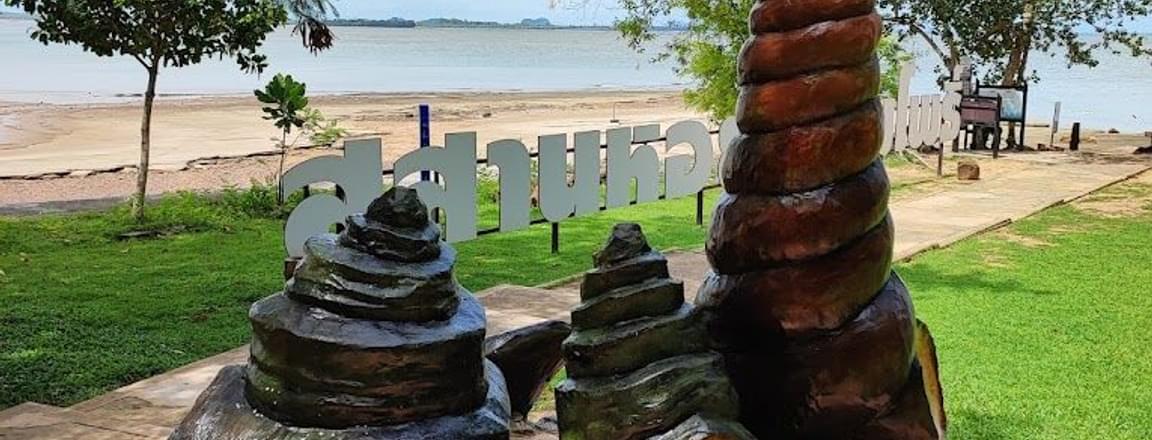
Unearth the hidden treasures of our prehistoric past as you delve into the fascinating world of the Fossil Shell Cemetery. This best Thailand attraction, a one-of-a-kind geological phenomenon and a distinctive destination to add to your Krabi vacation package. Read further to learn more.
Overview of the Fossil Shell Cemetery
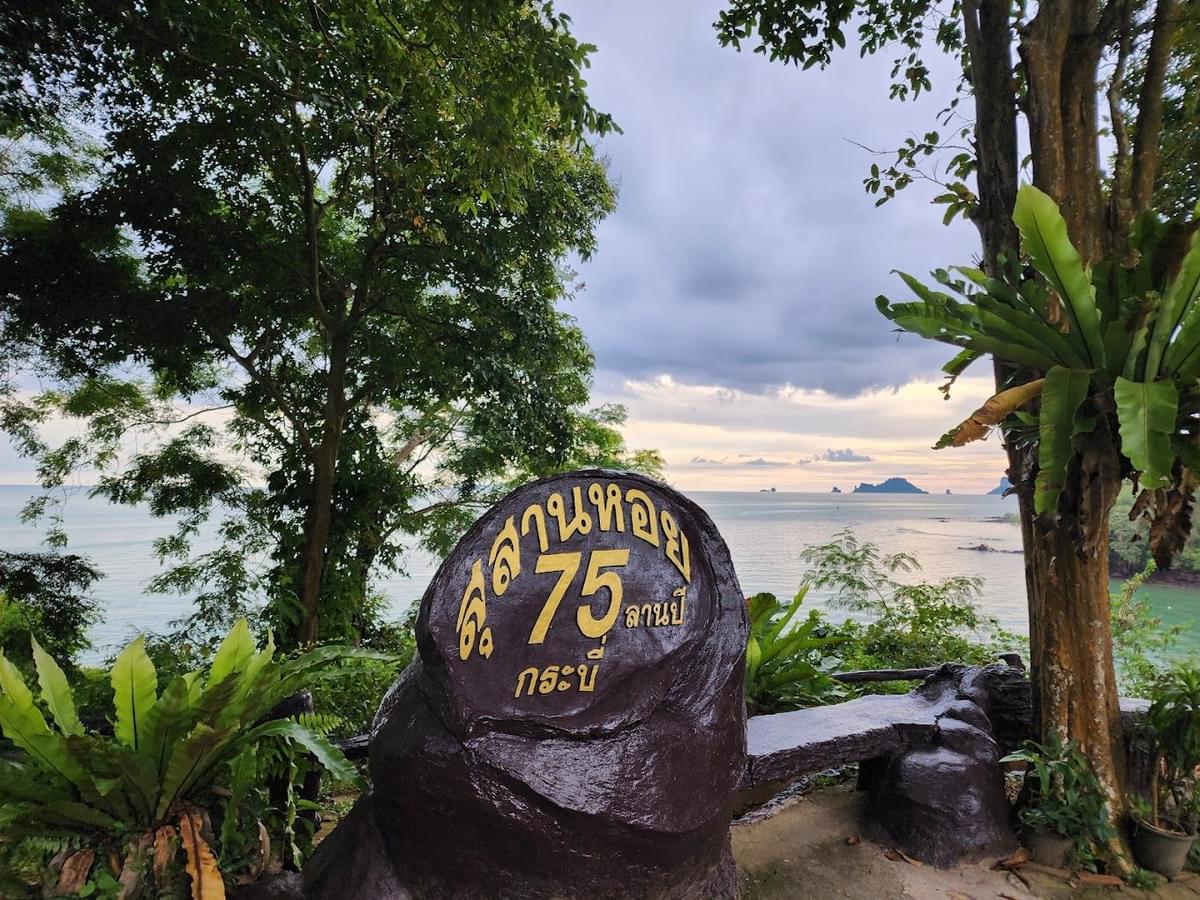
The Fossil Shell Cemetery, also known as Krabi's Shell Cemetery or Susan Hoi in Thai, is a geological wonder located in the picturesque province of Krabi and is one of the places to visit in Thailand. The cemetery boasts millions of years-old fossilised shells, which have been transformed into stone slabs through a unique geological process. Covering 30 hectares (74 acres), it features 23-million-year-old fossilised shell slabs from the Miocene era, making it one of the world's largest natural shell graveyards. The site is both scientifically significant and visually stunning, offering a rare glimpse into Earth's mysterious past.
How to Reach Shell Cemetery
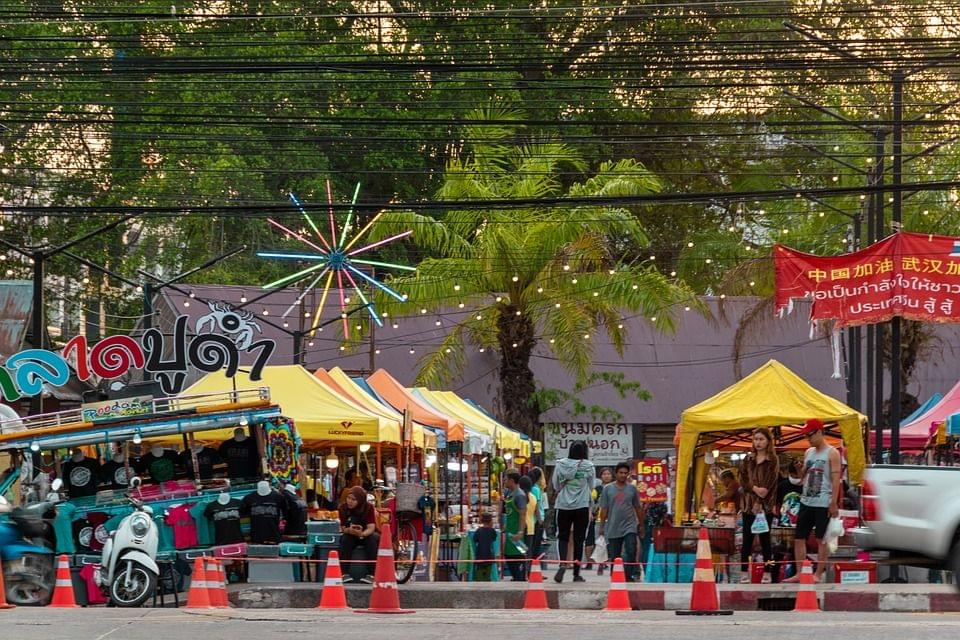
- The Fossil Shell Cemetery is located 17 km east of Krabi Town, near Ban Laem Kruad. Reach it by renting a scooter (200-300 THB/₹542-₹813 per day from Krabi/Ao Nang), taxi (400-600 THB/₹1,084-₹1,626 one-way), or tuk-tuk/songthaew (100-150 THB/₹271-₹407 per person), or join a half-day tour (~800 THB/₹2,168 per person).
- Entry is free, but national park proximity may add 200 THB/₹542 adult fee if combined with trails.
Best Time to Visit Shell Cemetery
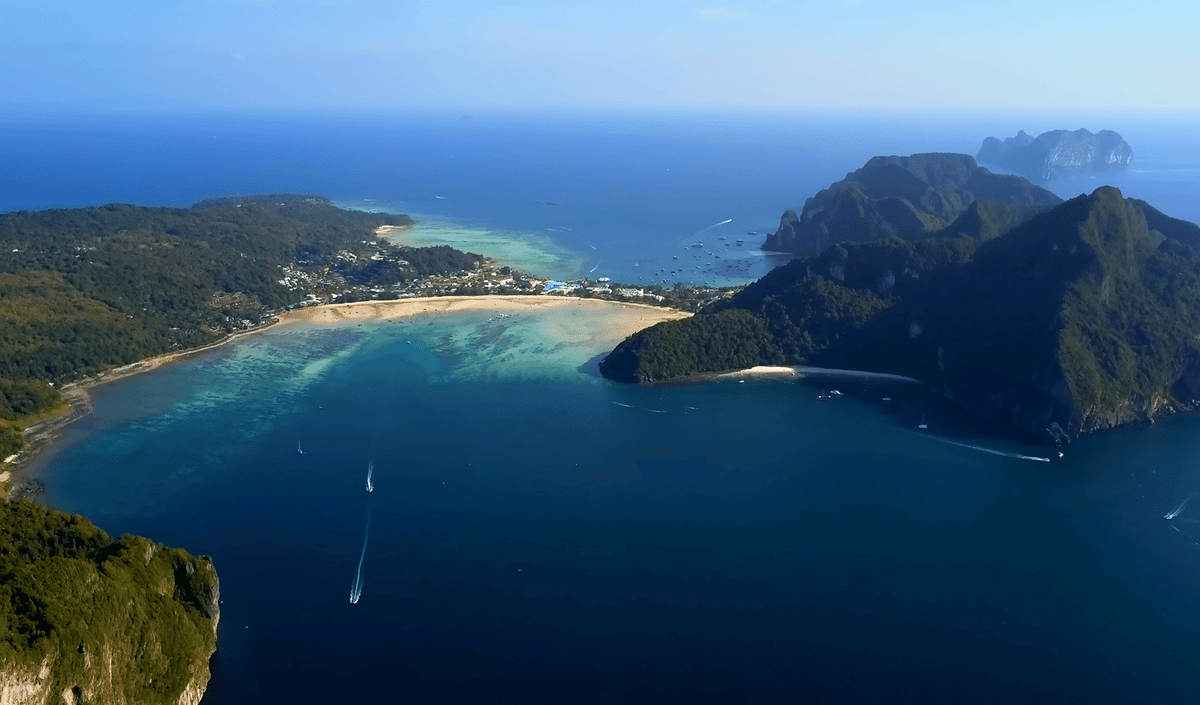
The prime time to visit Fossil Shell Cemetery falls between November and April, when Krabi experiences its dry season. This period promises warm temperatures and clear skies that are perfect for outdoor exploration. However, during high season (December-January), expect a larger number of tourists. For fewer crowds and relatively good weather conditions, consider visiting during the shoulder months like November or February.
Places to Visit Near Fossil Shell Cemetery
- Ao Nang Beach: A popular beach town situated about 13 kilometres away, Ao Nang Beach offers beautiful sandy shores and turquoise waters and offers plenty of dining and shopping options.
- Railay Beach: Accessible only by boat, this stunning peninsula features pristine beaches, towering limestone cliffs, and captivating caves waiting to be explored.
- Krabi Town: Known for its local charm and vibrant night markets, Krabi Town is an ideal place to immerse yourself in Thai cuisine, shop for unique souvenirs, and meet friendly locals.
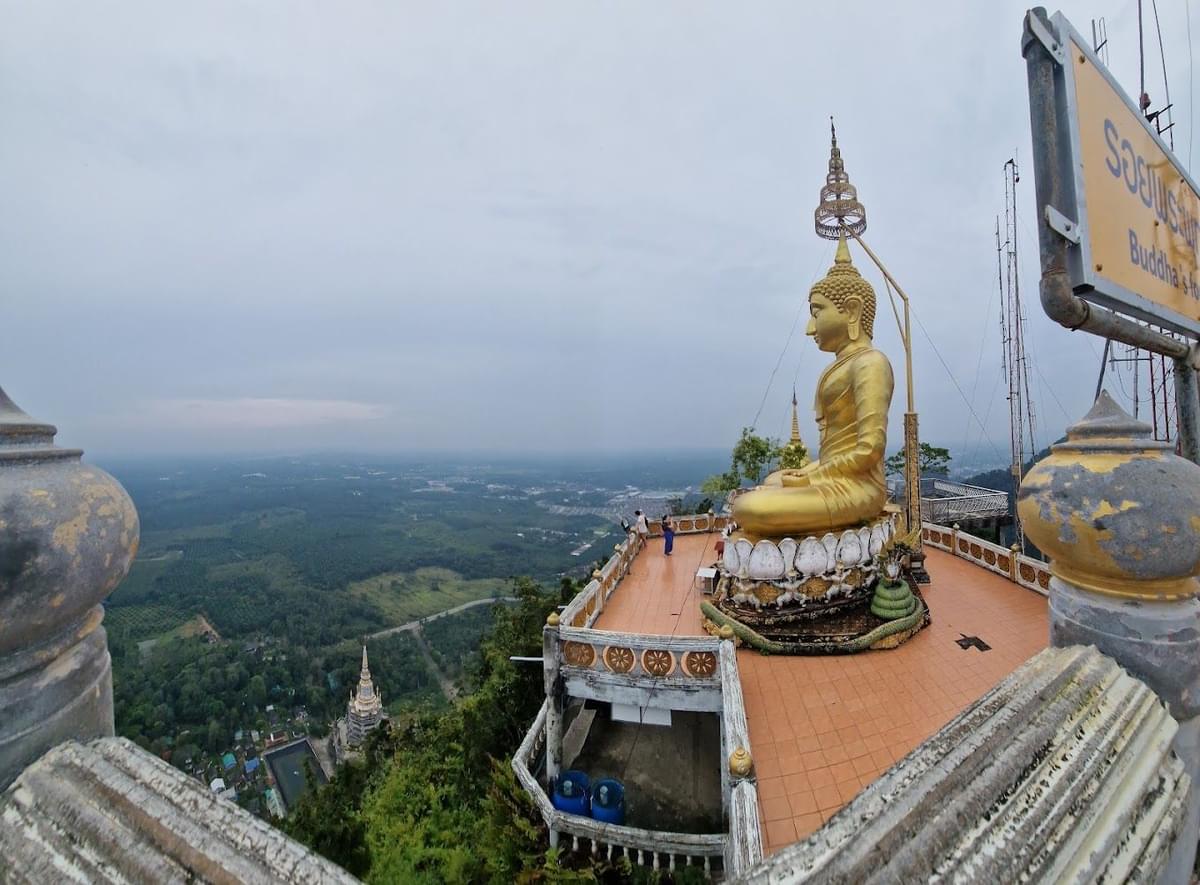
- Tiger Cave Temple (Wat Tham Suea): This impressive temple set amidst lush jungle requires a challenging climb up 1,237 steps but rewards adventurers with stunning views of the surrounding countryside and a glimpse at the huge golden Buddha statue.
Helpful Tips for Visiting Fossil Shell Cemetery
- Visit during low tide to clearly see the ancient fossil slabs (check tide apps).
- Wear comfortable footwear, as some areas near the shoreline can be uneven and slippery.
- Combine with a half-day tour from Krabi Town (~800 THB/₹2,168 pp) to explore beaches/nearby spots.
- Carry water (buy locally ~20 THB/₹54) and sun protection—limited shade midday.
- From Ao Nang (13km), rent a scooter (200-300 THB/₹542-₹813/day) for flexible coastal views.
Conclusion
A visit to Fossil Shell Cemetery Krabi is like stepping back millions of years into Earth’s prehistoric story. From rare fossilised shell slabs to peaceful coastal views, this unique geological site offers something beyond the usual beach experience in Krabi. Whether you’re a nature lover, history enthusiast, or curious traveller, Susan Hoi adds a fascinating and educational twist to your Thailand itinerary.
FAQs
1. What makes the Fossil Shell Cemetery in Krabi unique?
The Fossil Shell Cemetery features 23-million-year-old fossilised shell slabs from the Miocene era, making it one of the world’s largest natural shell graveyards.
2. Where is the Fossil Shell Cemetery located?
Also known as Susan Hoi, it is located about 17 km from Krabi Town in southern Thailand.
3. Is there an entry fee for Fossil Shell Cemetery?
Entry to the fossil site is generally free, but if combined with nearby national park trails, a small park fee may apply.
4. What is the best time to visit Fossil Shell Cemetery?
The best time to visit is from November to April during Krabi’s dry season for clearer skies and better fossil viewing at low tide.
5. How long should I spend at the Shell Cemetery?
Most visitors spend 1–2 hours exploring the fossil slabs, coastal scenery, and nearby mangrove areas at a relaxed pace.