
Anne Frank House Amsterdam: Tickets, Timings & Visitor Guide
Stepping onto Prinsengracht in Amsterdam, you can feel the rhythm of canal life fade into the quiet walls of the Anne Frank House, a place that holds both the echo of everyday laughter and the profound silence of years spent in hiding. Here in this 17th-century canal house, a young Jewish girl named Anne Frank wrote her diary while sheltering from Nazi persecution during World War II. This article guides you through the history, visit experience, and meaningful insights of one of the most visited and deeply respected museums in Europe.
Understanding the Anne Frank House
The Anne Frank House is not just a museum; it is a preserved piece of history. This 17th-century canal house on Prinsengracht is where Anne Frank, her family, and four others hid from July 1942 to August 1944. Today, it is Amsterdam’s third most visited museum, drawing over 1.27 million visitors a year.
Built in 1635 and later used as a warehouse and business space for Otto Frank’s companies, its legacy was defined when the upper floors became the Secret Annexe (Achterhuis). The museum now spans three connected buildings, preserving the original hiding place and showcasing exhibitions about Anne’s life, her diary, and the wider story of Jewish persecution during World War II.
The Secret Annexe: Behind the Bookshelf
Inside the Anne Frank House, visitors follow the same hidden route once used by the helpers. The original bookshelf door still stands, opening to a steep, narrow staircase that leads into the Secret Annexe.
The Annexe is a cluster of small, cramped rooms. The Frank family’s living and sleeping space was just over 15 square meters, with pencil marks on the wall recording Anne and Margot’s growth. Anne grew more than 13 cm while hiding. A nearby map of Normandy shows Otto Frank’s colored pins tracking the Allied advance. Anne shared a 10-square-meter room with Margot, later with Fritz Pfeffer. She covered the walls with magazine photos of film stars and royalty, many of which remain today.
The Van Pels family lived on the upper floor, which served as their kitchen, living room, and bedroom. A small washroom connected the spaces, and an attic above offered Anne a rare glimpse of the outside world through a tiny window. When the museum opened in 1960, Otto Frank chose to keep the Annexe unfurnished. The bare rooms you see today serve as a stark reminder of the lives cut short.
Anne Frank House Practical Visit Information
Location and How to Get There
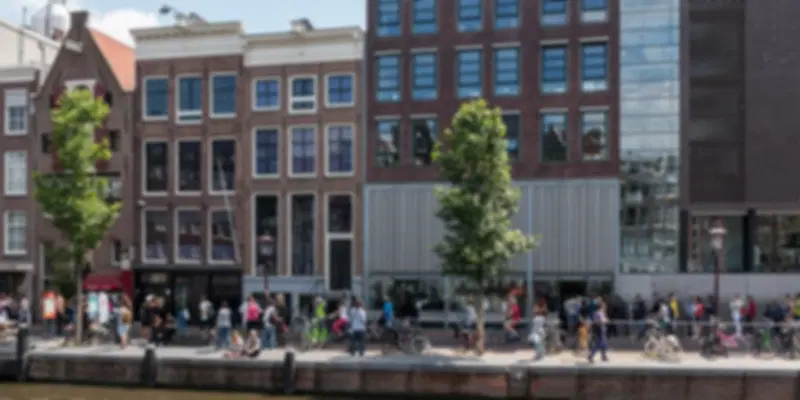
The Anne Frank House is centrally located in Amsterdam at Prinsengracht 263-267. The entrance is around the corner at Westermarkt 20, approximately a 20-minute walk from Amsterdam Central Station. Tram lines such as 13 and 17 stop at Westermarkt, making access easy by public transport.
Ticketing Tips
Due to high demand, visits are only possible with a timed entry ticket purchased online in advance through the official site. Tickets usually go on sale six weeks before the visit date and often sell out quickly, so planning ahead is essential.
What to Expect Inside
A visit typically takes around 60–90 minutes. Audio guides are available and help provide context as you move through the house. Because of the historic structure, there are numerous stairs and limited accessibility for visitors with mobility challenges.
Best Time to Visit
Early mornings and weekday evenings tend to be less crowded. Avoid peak weekend hours if possible to experience the space with more quiet reflection.
Emotional Experience
Many visitors describe the visit as emotional, with the confined spaces and diary passages prompting deep reflection on freedom, fear, hope, and the fragility of human rights. This emotional resonance is part of what makes the Anne Frank House a profoundly meaningful place for people from all walks of life.
Why This Matters Today
Beyond being a historical site, the Anne Frank House serves as a reminder of the human cost of hatred, discrimination, and war. Through exhibitions and educational programs, the museum also encourages discussions on antisemitism, racism, and discrimination in the present day.
Visiting here is not just about witnessing history; it is about acknowledging the enduring importance of empathy and respect in a world still grappling with prejudice and injustice.
Conclusion
The Anne Frank House is one of Europe’s most significant historical sites, not for its architecture, but for the lives lived in hiding within its walls. Here, eight people balanced fear and hope, a teenager wrote a diary that survived those who sought to silence her, and Otto Frank traced the slow approach of liberation on a map.
Visiting takes patience, physical effort, and emotional resilience, yet these are small compared to what Anne and millions endured. It’s a place you visit not for beauty, but for truth. When you step back onto the streets of Amsterdam, the images stay with you, the concealed bookshelf, the silent empty rooms, and the diary that preserved a voice hatred could not erase. It’s an experience that changes you, just as Anne intended.
Plan your Netherlands tour package and explore Amsterdam and beyond as part of your European journey. The Anne Frank House awaits, ready to share its story with those willing to listen.
Frequently Asked Questions
How far in advance should I book Anne Frank House tickets?
Tickets are released six weeks in advance every Tuesday at 10:00 AM CET. Book immediately when they become available for your desired dates. Peak season (April-September) and weekends sell out within minutes. Set an alarm and be ready to book exactly when the tickets release.
Can I visit the Anne Frank House without advance tickets?
No walk-up tickets are sold at the door. A small number of same-day tickets are released online at 9:00 AM, but these are extremely limited and sell out almost instantly. Plan to secure tickets six weeks in advance rather than rely on same-day availability.
How long does a visit to the Anne Frank House take?
Most visitors spend 60 to 90 minutes touring the museum. The Secret Annexe itself takes 30 to 45 minutes to walk through at a contemplative pace. Additional exhibition spaces, the café, and gift shop can extend your visit to two hours if desired.
Is the Anne Frank House suitable for children?
The museum recommends a minimum age of 10 years due to the serious subject matter and physical demands. The Secret Annexe has extremely steep stairs and narrow spaces. Parents should consider whether their child can handle content about persecution, hiding, and death before visiting.
What is the best time of day to visit the Anne Frank House?
Early morning (9:00 AM) or evening (after 6:00 PM) slots offer the quietest experience. Avoid midday (11:00 AM to 3:00 PM) when crowds peak. Morning visits allow you to see rooms with fewer people, creating space for reflection.
Can I take photos inside the Anne Frank House?
Photography is prohibited throughout the Secret Annexe to preserve original items and maintain a respectful atmosphere. Limited photography is permitted in some other museum sections, but always check for posted signs and ask staff if uncertain.
Is the Secret Annexe wheelchair accessible?
Unfortunately, the Secret Annexe cannot accommodate wheelchairs due to historic preservation requirements and extremely steep, narrow stairs. The museum’s modern sections, including exhibits, café, and shop, are wheelchair accessible. A comprehensive virtual reality tour exists for those unable to access the physical Secret Annexe.
Should I read Anne Frank’s diary before visiting?
Absolutely. Reading The Diary of a Young Girl before your visit dramatically enhances the experience. You’ll recognise specific rooms, objects, and situations Anne described. Her words come alive when you stand in the spaces where she wrote them.
What should I not bring to the Anne Frank House?
Do not bring bags larger than A4 size (21 x 29.7 cm), backpacks, suitcases, or large luggage. The cloakroom has limited capacity and cannot accommodate large items. Leave luggage at your hotel or use storage facilities at Amsterdam Central Station. Also, avoid bringing food, drinks, or umbrellas.
Why are Anne Frank House tickets so hard to get?
The building’s historic nature limits visitor capacity. Only a specific number of people can safely occupy the small spaces at any time. Combined with the museum’s global significance and Amsterdam’s popularity as a tourist destination, demand vastly exceeds supply. Approximately 1.27 million people visit annually, but many more attempt to secure tickets.
What happened to Anne Frank after leaving the Secret Annexe?
After their discovery on August 4, 1944, all eight people in hiding were arrested and deported. Anne and her sister Margot were sent to Auschwitz, then transferred to Bergen-Belsen concentration camp. Both died of typhus in February or March 1945, just weeks before British forces liberated the camp. Only Otto Frank survived.
Are there other Holocaust museums in Amsterdam worth visiting?
Yes. The National Holocaust Museum at Plantage Middenlaan provides comprehensive exhibits about Nazi persecution in the Netherlands. The Jewish Cultural Quarter includes the Portuguese Synagogue, Jewish Historical Museum, and Hollandsche Schouwburg memorial theatre. These sites complement the Anne Frank House experience.
Why is the Secret Annexe empty of furniture?
Otto Frank deliberately chose to keep the Secret Annexe unfurnished when the museum opened in 1960. The empty rooms symbolise the emptiness in his life and family after the Holocaust. However, the museum displays historical photographs showing how rooms appeared when furnished during the hiding period.
What is the introductory program, and should I book it?
The optional 30-minute introductory program costs 7 euros and provides historical context before your museum visit. Staff explain Anne Frank’s story, World War II background, and the persecution of Jews. Whether to book depends on your existing knowledge. Those unfamiliar with Anne’s story benefit most. Well-informed visitors may find it unnecessary.

Recommended articles for you









Discover Packages




















Need help in planning?
Talk to our Travel Experts