
Parthenon of Athens: History, Architecture, Tickets & Visiting Guide
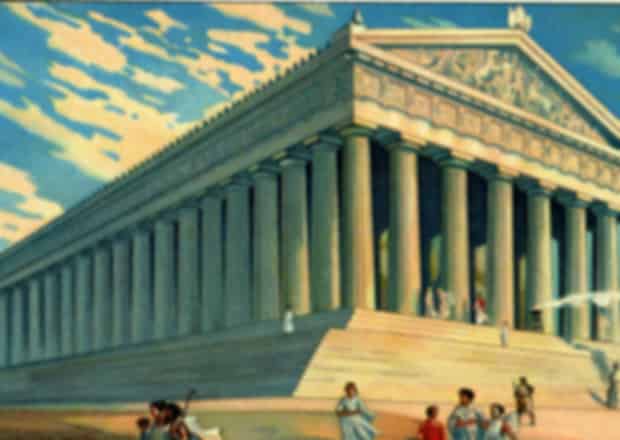
The Parthenon of Athens is one of the most iconic monuments of ancient Greece and a lasting symbol of classical civilisation and architectural excellence. Built in the 5th century BCE atop the Acropolis, the Parthenon in Athens is dedicated to Athena Parthenos, the city’s patron goddess. This UNESCO World Heritage landmark is celebrated for its Doric style and reflects the cultural, artistic and historical achievements of ancient Athens.
History of the Parthenon in Athens
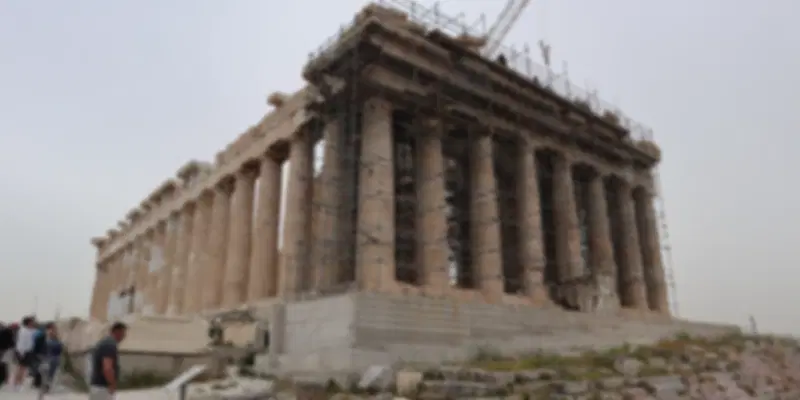
Doric columns of the Parthenon in Athens on the Acropolis
The Parthenon’s story begins after the Athenian forces defeated the Persians in the Greco-Persian Wars. Under the leadership of statesman Pericles, this project was started in 447 BC as a testament to Athenian power and culture.
The Parthenon in Athens sits atop the Acropolis, approximately 157 meters above sea level. This offers panoramic views across Athens to the Aegean Sea. The temple was dedicated to Athena Parthenos, the virgin goddess of wisdom and patron deity of Athens. The temple measured approximately 31 meters wide and 69.5 meters long, featuring eight columns on the shorter sides and seventeen on the longer sides.
Parthenon Architecture: Mathematical Precision and Design
The Parthenon in Athens is an extraordinary architectural masterpiece. The building incorporates sophisticated mathematical precision that creates optical illusions, making the structure appear perfectly straight to the human eye despite subtle curves throughout.
These mathematical illustrations demonstrate the ancient Greeks’ sophisticated understanding of geometry and visual perception. The structure primarily follows the Doric order, the simplest of three classical Greek architectural styles, yet cleverly incorporates Ionic elements, including an interior frieze.
The Parthenon Through the Centuries
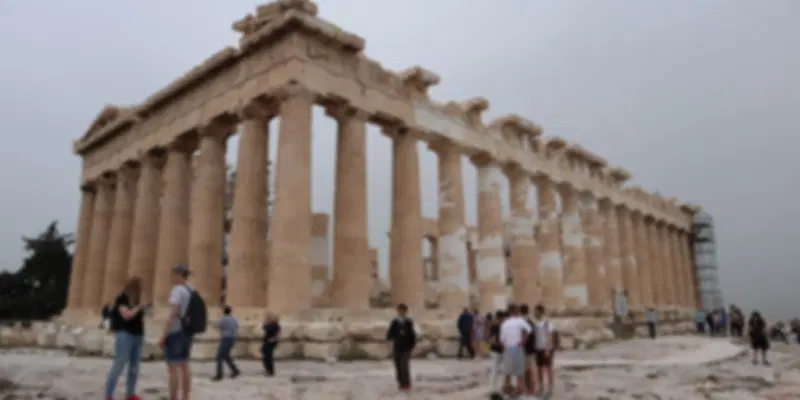
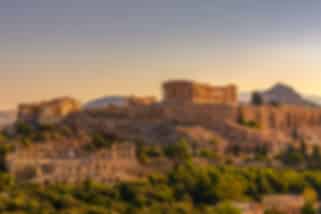
Parthenon of Athens atop the Acropolis overlooking the city of Athens
The Parthenon’s purpose evolved dramatically through the centuries. While originally it was built as a temple to Athena, the Parthenon in Athens was later transformed into a Christian church dedicated to the Virgin Mary, called Parthenos Maria.
Thereby, the Christians modified the structure by adding new walls, which resulted in the removal of many original sculptures during this period. When the Ottoman Empire conquered Athens in the mid-15th century, the Parthenon became a mosque. This transformation reflected the broader cultural and political shifts sweeping across the Mediterranean world.
Destruction of the Parthenon: The 1687 Explosion
The Parthenon’s most catastrophic moment came during the Morean War between Venice and the Ottoman Empire. The Ottomans, recognising the strategic importance of the site, stored their ammunition and gunpowder inside the Parthenon.
However, a Venetian mortar round struck the building, igniting the munitions stored within. This resulted in a huge explosion, which collapsed the temple’s roof and destroyed most of the interior.
Planning Your Visit to the Parthenon in Athens
A visit to the Parthenon in Athens requires advance planning, as the site now operates with timed entry tickets to manage crowds and preserve the monument.
- Parthenon Athens tickets: Rs. 2,500 (€30) during the summer season (April through October) and Rs. 1,260 (€15) during winter (November through March). The ticket grants access to all monuments on the Acropolis, including the Erechtheion, Temple of Athena Nike, Propylaea and Theatre of Dionysus.
- Free Admission: Available on specific dates (March 6, April 18, May 18, the last weekend of September, October 28 and the first and third Sundays of each month from November through March).
- Operating Hours: The site opens at 8:00 AM daily, with closing times at 8:00 PM in the summer months and 5:00 PM during the winter season.
Practical Tips for Visiting the Parthenon
- The Acropolis is accessible via the Acropoli metro station on Line 2.
- Wear sturdy, comfortable shoes with a good grip.
- Athens experiences scorching summer heat, with temperatures often exceeding 40°C. It is recommended to wear light-coloured clothes and apply high SPF sunscreen.
- The site occasionally closes during extreme heat for visitor safety. So, spring (April to June) and autumn (September to November) offer comfortable visiting conditions with moderate temperatures and fewer crowds.
- Morning visit, between 8:00 AM and 10:00 AM, is the best time to visit the Parthenon.
- Purchase tickets online to avoid long queues at the entrance.
- Arrive 30 minutes early to navigate security and begin your ascent.
Beyond the Parthenon: Must-See Sites on the Acropolis
While the Parthenon dominates the Acropolis, several other significant monuments deserve attention.
- Erechtheion: The Erechtheion features the famous Caryatids, sculptured female figures serving as architectural supports.
- Temple of Athena Nike: The temple, perched on the southwestern corner, celebrates Athenian military victories.
- Propylaea: This monumental gateway exemplifies classical Greek architectural design.
- Acropolis Museum: The Acropolis Museum houses many original sculptures and artefacts removed from the monuments for preservation.
Conclusion: The Timeless Legacy of the Parthenon
The Parthenon of Athens stands as an enduring testament to ancient Greek civilisation. Built in the 5th century BCE to honour goddess Athena, the landmark reflects the Athenians’ devotion to their patron deity as well as their commitment to harmony, proportion and innovation. Plan your visit to this ancient marvel with Pickyourtrail’s Athens Tour Packages or as a part of your Greece Tour Packages and be a part of this human achievement that continues to inspire millions of people around the world.
Frequently Asked Questions About the Parthenon of Athens
What is the difference between the Acropolis and the Parthenon?
The Acropolis is a rocky hilltop fortification in Athens containing several ancient buildings, while the Parthenon is the largest temple on the Acropolis. Think of the Acropolis as the site and the Parthenon as its most famous structure. Your entrance ticket to the Acropolis includes access to the Parthenon and all other monuments on the hill.
Why is the Parthenon so important?
The Parthenon represents the pinnacle of classical Greek architecture and the Doric order. Built during Athens’s Golden Age, it symbolises democracy, human achievement, and Western civilisation. Its mathematical precision, innovative design features like entasis, and sculptural program influenced architecture worldwide for over two millennia.
Can you go inside the Parthenon?
No, visitors cannot enter the interior of the Parthenon. Even in ancient times, access was restricted, with only priests and officials permitted inside. Today, the structure’s fragile state and ongoing conservation efforts mean visitors can only view and photograph it from outside, walking around its perimeter.
What happened to the original statue of Athena?
The original 12-meter-high gold and ivory statue of Athena Parthenos, created by sculptor Phidias, disappeared from historical records by the 5th century AD. Its exact fate remains unknown, though theories suggest it was either destroyed during a fire, melted down for its valuable materials, or transported to Constantinople. Roman copies provide our only visual reference to its appearance.
How long does it take to visit the Parthenon?
Allow 2-3 hours for a thorough Acropolis visit, including the Parthenon and surrounding monuments. This timeframe accounts for the uphill walk, exploration of multiple structures, photography, and moments to simply absorb the atmosphere. Visiting during early morning or late afternoon provides the best experience with manageable crowds and favourable lighting.
Are there free days to visit the Parthenon?
Yes, free admission is available on March 6 (International Tourist Guide Day), April 18 (International Monuments Day), May 18 (International Museum Day), the last weekend of September (European Heritage Days), October 28 (Greek National Day), and the first and third Sundays of the month from November through March. Expect massive crowds on these dates.
What should you wear when visiting the Parthenon?
Wear comfortable walking shoes with excellent grip, as marble surfaces are extremely slippery. Light, breathable clothing is essential during summer when temperatures exceed 40°C. Bring a wide-brimmed hat, sunglasses, and high SPF sunscreen. Avoid flip-flops or smooth-soled shoes, which become dangerous on ancient stones and steps.
Is the Parthenon wheelchair accessible?
The Acropolis offers limited wheelchair accessibility via an elevator on the northern side, approximately 300 meters from the main entrance. The elevator reaches the plateau near the Erechtheion, allowing access to viewing areas around the Parthenon. Assistance from an attendant is strongly recommended for navigating the site’s uneven terrain and slopes.

Recommended articles for you










Discover Packages




















Need help in planning?
Talk to our Travel Experts