
Notre Dame Paris Visitor Guide 2026: Tickets, Opening Hours, History & Things to See
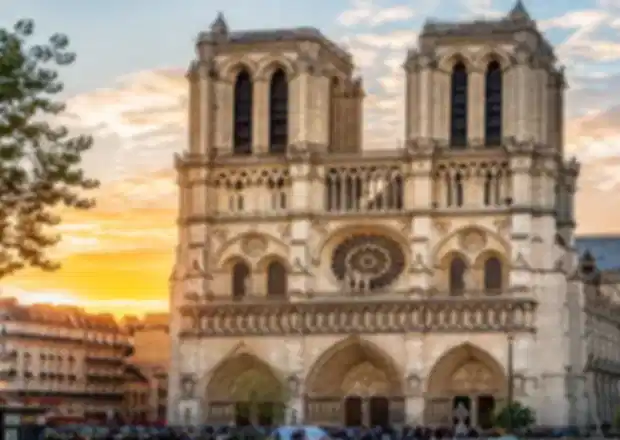
Some places become unforgettable the moment you see them, and Notre Dame Paris is one of them. Despite the severe damage caused by the 2019 fire, Notre Dame de Paris remains one of the most iconic landmarks and a must-visit attraction for travellers planning a Paris itinerary.
After its remarkable restoration and reopening, the cathedral welcomes visitors once again, offering an experience that is richer than ever. Whether you are visiting for its Gothic architecture, rich history, or famous stained-glass windows, this guide covers everything you need to know before visiting Cathédrale Notre-Dame de Paris. In this guide, you’ll find the latest information on entry rules, tickets, opening hours, nearby attractions, and travel tips to help you plan your visit with confidence.
Quick Facts About Notre Dame Cathedral, Paris
| Location | Île de la Cité, 6 Parcvis Notre-Dame – Place Jean-Paul II, 75004 Paris |
| Entry to the cathedral | Free (reservation recommended) |
| Reopened after restoration | 7–8 December 2024 |
| Bell Tower tickets | €16/₹1,761 (free for under 18s) |
| Nearest metro | Cité (Line 4) or Saint-Michel–Notre-Dame (RER B/C) |
History of Notre Dame Paris: From Mediaeval Masterpiece to 2026 Restoration

The construction of Notre Dame de Paris began in 1163 under Bishop Maurice de Sully and continued in stages for close to two centuries. Built on the remains of earlier Roman and Merovingian churches, Notre Dame Cathedral of Paris introduced features such as flying buttresses, ribbed vaults and large stained-glass windows. These innovations shaped French Gothic architecture and became the standard design for many cathedrals built across Europe.
Over the centuries, Notre Dame Church in Paris has witnessed royal ceremonies, the French Revolution, Napoleon Bonaparte’s coronation in 1804 and both World Wars.
During the devastating fire on 15 April 2019, its iconic spire and most of its centuries-old wooden roof were destroyed. However, the cathedral’s twin bell towers, main stone structure, and all three medieval rose windows survived as they were protected by the cathedral’s stone vaults. Despite periods of damage and restoration, it remains one of France’s most iconic historic landmarks.
Notre Dame Paris Tickets 2026: Free Entry, Bell Tower & Treasury Prices
Many travellers search for Notre Dame de Paris tickets, but the good news is that visiting the main cathedral is free. You can enter the cathedral, explore the nave and admire the stunning rose windows without paying an admission fee. Tickets are only required for optional activities offered separately.
- Bell Towers: Tickets cost €16 (₹1,761) for adults, while visitors under 18 can enter for free. The climb rewards you with close-up views of the iconic gargoyles, stunning city views, and a chance to see Emmanuel, the cathedral’s historic bourdon bell.
- Treasury: Tickets typically cost €6–€12 (₹660 to ₹1,321). Here, visitors can explore a collection of religious relics, liturgical artefacts, and historic vestments.
- Archaeological Crypt: Tickets cost around €9. Located beneath the square in front of Notre Dame de Paris, the crypt showcases the Gallo-Roman and medieval remains that reveal the history of the site before the cathedral was built.
- Guided tours: Prices usually start at around €5 for a basic walking tour and can go up to €35 for a more detailed tour covering both the interior and exterior of Notre Dame Paris.
NOTE: Always book directly through notredamedeparis.fr for cathedral entry and Bell Tower slots.
Notre Dame Paris Opening Hours & Best Time to Visit
The cathedral is open seven days a week:
- Monday–Friday: 7:50 am – 7:00 pm (til 10:00 pm on Thursdays)
- Saturday–Sunday: 8:15 am – 7:30 pm
TIP: For the calmest experience, plan your visit after 4:00 pm on weekdays or a Thursday evening between 7:00 and 10:00 pm. However, if you are planning to visit the cathedral, it is recommended to book your France package between November and March for shorter queues.
How to Book Free Notre Dame Paris Entry Tickets
A reservation is not required to visit Notre Dame de Paris. However, it is highly recommended if you are planning a visit during the peak season in France, which is between April and October. Booking a free timed-entry slot can help you avoid queues that may last 2–3 hours during peak season.
TIP: Free timed-entry reservations usually become available on the official Notre Dame website 2–3 days before your planned visit, so it’s best to book once your travel dates are confirmed.
The highlights of the Cathedral: What not to miss?

Notre Dame Paris Rose Windows: Why They’re World Famous
One of the biggest highlights of Paris Notre Dame is its three magnificent rose windows. These world-famous stained-glass masterpieces are among the finest examples of medieval craftsmanship and are a must-see during your visit.
- The West Rose: This is the oldest of the three Notre Dame Paris rose window masterpieces and is located above the main entrance. This was completed around 1225.
- The North Rose: Situated in the north transept, this window dates to around 1250 and preserves most of its original 13th-century stained glass. It depicts the Virgin Mary surrounded by figures from the Old Testament.
- The South Rose: Gifted by Louis IX of France around 1260, this window is often called the “Noon Rose” because it glows beautifully in the midday sunlight.
What to See Inside Notre Dame Paris
While the rose windows are the cathedral’s biggest highlight, the Cathedral of Notre Dame de Paris offers much more to explore. The church features historic chapels, impressive Gothic architecture, religious artworks and centuries-old architectural details that make it one of Paris’s most important landmarks.
- The Nave and Vaulted Ceiling: The cathedral’s nave and vaulted ceiling have been carefully cleaned and restored, revealing a much brighter interior than visitors saw before the 2019 fire.
- The Great Organ: One of the largest organs in France, it has more than 8,000 pipes and was meticulously restored after the fire, with each pipe cleaned individually.
- The Choir Screen and Altar: This area includes the famous Pietà sculpture by Nicolas Coustou, which survived the 2019 fire without damage.
- The Gargoyles and Chimères: These iconic stone sculptures can be seen up close while climbing the Bell Towers and are among the cathedral’s most photographed architectural features.
- The Rebuilt Spire: Reconstructed to the original 19th-century design by Eugène Viollet-le-Duc, the spire is crowned with a rooster-shaped weathervane containing sacred relics and a list of everyone involved in the cathedral’s restoration.
Notre Dame Paris Mass Times, Dress Code & Visitor Tips
Notre Dame is an active Catholic cathedral, so visitors are expected to be respectful, especially during religious services.
Mass Times
- Mass is held daily, with additional services on Sundays.
- Visitors are welcome to attend Mass.
- Avoid sightseeing or taking photos during services to respect worshippers.
Dress Code
There is no strict dress code, but modest clothing is recommended.
- Cover your shoulders and knees if possible.
- Dress respectfully, especially if you plan to attend Mass.
Photography & Visitor Etiquette
- Photography without flash is generally allowed inside the nave.
- Tripods and professional video equipment may require prior permission.
- Keep noise to a minimum and silence your phone.
How to Reach Notre Dame Paris (Metro, RER, Bus & Walking)
Notre Dame Paris France is located on Île de la Cité, a small island in the centre of Paris. Its central location and excellent public transport make it one of the easiest landmarks to visit, whether you’re in Paris for a short trip or an extended holiday.
- Metro: Line 4 to Cité station, a two-minute walk.
- RER: Lines B and C to Saint-Michel–Notre-Dame, then cross the bridge.
- Bus: Several lines stop along the Seine embankments near the square.
- On foot: From the Latin Quarter or the Marais, it’s a pleasant 10–15 minute walk along the river.
Planning a trip to Paris? Our comprehensive Paris travel guide has everything you need to explore the city with confidence, from top attractions to practical travel tips.
Best Attractions Near Notre Dame Paris
Sainte-Chapelle: Just a 5-minute walk from the cathedral, this Gothic chapel is famous for its spectacular 13th-century stained-glass windows and is one of the best attractions in France to combine with your visit.
Conciergerie: This is a former royal palace, which later became a Revolutionary prison.
Vedettes du Pont Neuf (Seine River Cruise): A short walk from the cathedral, these cruises offer beautiful views of Paris’s historic bridges and riverside landmarks from the Seine.
Why Notre Dame Paris Should Be on Every Paris Itinerary?
Whether you’re drawn by its remarkable history, breathtaking Gothic architecture, or world-famous rose windows, Notre Dame Paris is an experience that stays with you long after your visit. With free entry, easy access, and centuries of history waiting to be explored, it’s a landmark every traveller should include while planning their Paris tour package. Plan your visit during quieter hours, reserve a free time slot if you’re travelling in peak season, and take time to explore the nearby attractions on Île de la Cité. A little planning will help you enjoy one of Paris’s most iconic landmarks at its very best.

Recommended articles for you











Discover Packages




















Need help in planning?
Talk to our Travel Experts