
Italy Travel Trends 2026
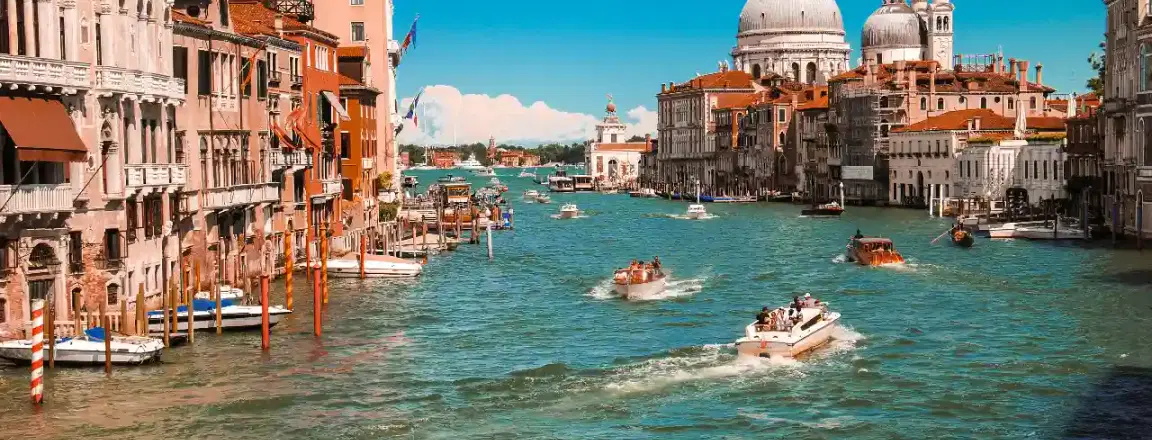
Italy isn’t just trending in 2026, but it’s being rediscovered in a completely different way. While the country has always been a global favourite, this year marks a clear shift in how people are travelling. Not only has the country maintained its popularity, but it has surpassed France, Spain, Mexico, and Canada to become the world's most sought-after international tourist destination. These shifts clearly highlight the key Italy travel trends shaping how people are visiting, what they want to experience, and where they choose to go in 2026.
Whether it’s your first trip or your fifth, travelling to Italy in 2026 looks very different from previous years. Travellers are now prioritising personalised itineraries, slower journeys through lesser-known medieval towns, and deeper, experience-led exploration over traditional sightseeing. If you’re planning your trip, this evolving Italy travel guide will help you understand not just where to go, but how to experience the country in a more meaningful and immersive way. This guide breaks down the key Italy travel trends for 2026, including where to go, how to plan, and what travellers are actively choosing right now, along with a detailed FAQ section that answers the most common questions.
Italy Travel Trends 2026: Quick Overview
If you’re looking for a snapshot, here are the biggest Italy travel trends in 2026:
- Italy is the #1 most desired international destination
- Travellers are prioritising slow, immersive travel over fast itineraries
- AI-powered trip planning is becoming mainstream
- Lesser-known regions like Abruzzo and Puglia are booming
- Multi-generational and experience-led travel is rising rapidly
- Luxury is shifting from “expensive” to personalised and meaningful
Italy Reclaims the Top Spot: What the Data Shows
Multiple global travel reports back Italy’s position at the top. Surveys like the International Medical Group’s Travel Outlook and USTOA booking data show Italy leading in both desirability and actual bookings, especially among American and European travellers. Demand is also rising across Asia, pointing toward a record-breaking year.
Key Italy Travel Data for 2026
- +1,007% surge in search interest for Montesilvano (Abruzzo)
- 30% of travellers planning Mediterranean cruises (+11% YoY)
- 33% of families opting for multigenerational travel
What this means: Travellers are moving beyond traditional hotspots and actively seeking diverse, flexible, and experience-rich trips.
So what’s driving this demand?
- A Perfect Mix of Experiences: Italy offers something few countries can match: history, food, landscapes, and culture in one trip. From ancient ruins to coastal escapes and vineyard trails, it caters to every travel style.
- Better Connectivity: Improved flight routes and rail networks have made Italy more accessible than ever, especially from North America and Asia.
- Shift Toward Experience-Led Travel: Travellers are moving away from checklist tourism and choosing depth over quantity, and Italy delivers that effortlessly.
Italy Travel Trends
Here are the travel trends for Italy in 2026:
Trend 1: Slow Travel Is Replacing Fast Tourism
One of the biggest Italy travel trends in 2026 is the rise of slow travel. Instead of covering 5 cities in 7 days, travellers are:
- Spending more time in fewer destinations
- Exploring local neighbourhoods
- Choosing countryside stays over crowded cities
Why this trend is growing:
- Overtourism in cities like Rome and Venice
- Desire for authentic, local experiences
- Increased focus on relaxation and mental well-being
Example: Instead of rushing through Florence, travellers now spend days in Tuscany, enjoying wine tastings, farm stays, and local cooking classes.
Trend 2: Hidden Gems Are Replacing Tourist Hotspots
While Rome, Venice, and Florence remain iconic, 2026 is seeing a surge in lesser-known destinations in Italy. Travellers are actively avoiding overcrowded areas and choosing destinations that feel undiscovered.
Fast-growing regions include:
- Abruzzo (over 1000% rise in search interest)
- Puglia (authentic coastal charm)
- Bologna (Italy’s food capital)
- Sicily (culture + beaches + value)
Trend 3: AI-Powered Travel Planning Is Mainstream
AI is no longer just a buzzword—it’s transforming how people plan Italy trips. Travellers are now using AI tools to build personalised Italy itineraries, discover hidden experiences, optimise routes efficiently, and access real-time recommendations that adapt to their travel preferences.
This is exactly where platforms like Pickyourtrail are already ahead of the curve. Instead of standard itineraries, travellers can create fully customised Italy tour packages, choosing everything from destinations and stays to experiences and pacing.
Whether it’s a romantic Amalfi Coast escape, a multi-city Italy itinerary, or a slow travel experience through Tuscany, we help travellers to:
- Personalise their entire trip in real time
- Access curated experiences beyond typical tourist routes
- Seamlessly plan multi-destination Italy journeys
- Get on-ground support throughout their trip
As AI continues to shape travel planning, the real differentiator isn’t just technology, it’s how well brands combine automation with human-led curation to deliver truly meaningful travel experiences.
Trend 4: Multi-Destination Trips Are on the Rise
Another major Italy travel trend in 2026 is the rise of multi-city and multi-region travel. Instead of single-destination trips, travellers are increasingly combining routes like Rome–Florence–Venice, Amalfi Coast with Naples, Milan with Lake Como, or even extended southern circuits like Sicily, Puglia, and Matera.
Why this trend works:
- Excellent rail connectivity
- Short travel distances between regions
- Desire to maximise experiences in one trip
Luxury rail journeys and scenic train routes are also gaining popularity as part of the experience.
Trend 5: Food and Culinary Travel Is Exploding
Food has always been central to Italy, but in 2026, it’s becoming the primary reason to travel. Travellers are now booking:
- Cooking classes in Tuscany
- Wine tours in Chianti and Piedmont
- Street food tours in Naples
- Farm-to-table experiences in rural Italy
More than just eating, travellers want to understand Italian cuisine at its roots.
Trend 6: Multigenerational Travel Is Growing Fast
Family travel is evolving beyond parents and kids. In 2026, 33% of families are planning multi-generational trips, making Italy a top choice due to its diverse experiences for all ages
Why Italy works for families:
- Walkable cities
- Cultural + leisure balance
- Safe and welcoming environment
Trend 7: Luxury Travel Is Becoming More Personal
Luxury travel in Italy is shifting from price to experience. Today’s travellers want Boutique stays over big hotels, private tours over group tours and unique stays like cave hotels or vineyard villas.
Luxury is now defined by:
- Personalisation
- Privacy
- Authenticity
Trend 8: Sustainable and Responsible Travel
Sustainability is no longer a niche, it’s a priority. Travellers are choosing:
- Eco-friendly accommodations
- Local businesses and experiences
- Train travel over flights
Italy’s smaller towns and rural regions are benefiting the most from this shift.
Trend 9: "Vitamin T" Wellness and Nature Travel Is Rising
Post-pandemic travel behaviour continues to evolve. Travellers are seeking the following:
- Wellness retreats in the Italian Dolomites
- Lakeside escapes in Lake Como and Garda
- Quiet countryside stays
Italy is becoming a destination for a mental reset, not just sightseeing.
Where to Go in Italy: Trending Destinations for 2026
While iconic cities like Rome, Florence, and Venice continue to dominate itineraries, Italy travel trends in 2026 are shifting toward lesser-known, high-experience destinations. Travellers are actively seeking places that offer authenticity, fewer crowds, and deeper cultural immersion.
Top Trending Destinations in Italy (2026)
- Abruzzo (Montesilvano) – One of the fastest-growing regions, offering mountains, coastline, and untouched villages
- Sicily (Palermo & Taormina) – A complete mix of beaches, history, and local culture
- Lake Garda – A quieter, more versatile alternative to Lake Como
- Emilia-Romagna (Bologna & Parma) – Italy’s culinary heartland, gaining traction among food-focused travellers
- Basilicata (Matera) – Known for cave stays and raw, cinematic landscapes
- Pantelleria & Favignana – Offbeat island escapes for luxury and exclusivity
- Valle d'Aosta – Emerging for alpine experiences and wellness travel
- Portici (near Naples) – A deeper dive into southern Italy beyond typical routes
- Ponza – A quieter, less commercial alternative to Capri
Bottom line: Italy in 2026 is no longer just about the classics; it’s about discovering a more local, less crowded version of the country.
Final Thoughts
Italy travel trends in 2026 clearly reflect a shift towards more intentional, personalised, and experience-driven travel. Travellers are no longer trying to cover multiple cities in a limited timeframe; instead, they are choosing to spend more time in fewer destinations, exploring regions beyond the typical Rome–Florence–Venice circuit, and prioritising food, culture, and local interactions over rigid sightseeing checklists. This evolution is transforming Italy from a destination you simply visit into one you actively engage with, where the value lies not in how much you see, but in how deeply you experience it.
FAQs: Italy Travel Trends 2026
1. Is Italy overcrowded in 2026?
Popular cities like Rome and Venice still experience heavy tourist traffic, especially during peak summer. However, travellers are increasingly choosing lesser-known regions to avoid crowds.
2. What are the top trending destinations in Italy right now?
Regions like Abruzzo, Puglia, Sicily, and Emilia-Romagna are seeing significant growth due to their authenticity, lower crowds, and unique experiences.
3. Is 2026 a good time to visit Italy?
Yes, 2026 is expected to be one of the busiest years for Italy tourism. Planning early and choosing offbeat destinations can help you avoid crowds and get better experiences.
4. How are people planning Italy trips in 2026?
Travellers are increasingly using AI-powered tools to create personalised itineraries, optimise routes, and discover unique experiences tailored to their preferences.
5. What type of travel is trending in Italy?
Slow travel, culinary travel, wellness travel, and multi-generational trips are among the biggest trends shaping how people explore Italy.
6. How many days are ideal for an Italy trip in 2026?
Most travellers are choosing 10–14-day trips, focusing on fewer destinations with deeper exploration rather than rushing through multiple cities.