
Japanese Convenience Store Food: A Complete Konbini Guide for Japan
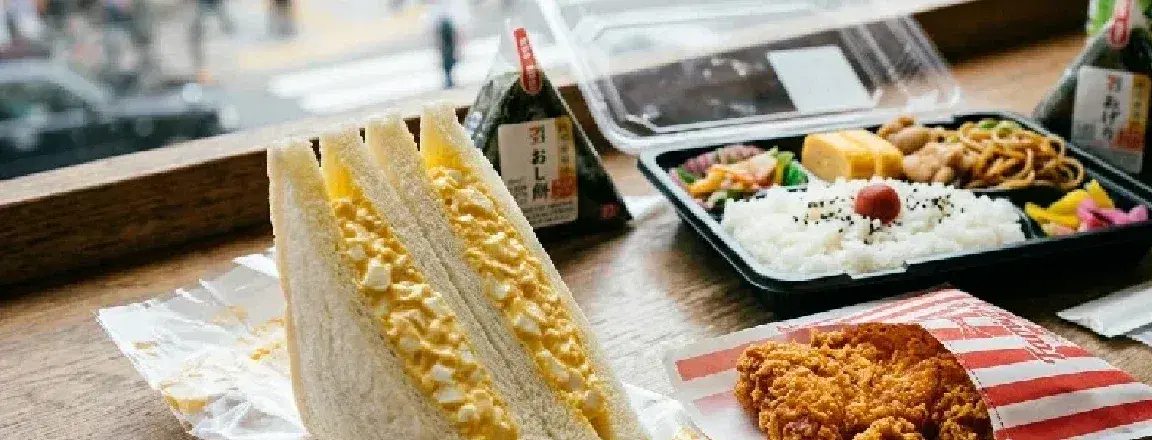
Japanese convenience store food, known locally as konbini, is one of the most surprising culinary highlights for travellers. Open 24/7 at chains like 7-Eleven, FamilyMart, and Lawson, convenience store food in Japan offers fresh, high-quality meals at incredibly affordable prices.
With over 55,000+ stores nationwide, konbini play a major role in daily Japanese life. Whether you are building a Japan food guide, searching for cheap food or wondering about the best convenience store food, this complete Konbini Food Japan 2026 guide covers what to eat, how much it costs and how to maximise value.
Why Japanese Convenience Stores Are Different from the Rest of the World?
Unlike convenience stores in many countries, Japanese konbini deliver restaurant-level quality with strict freshness control.
Key differences:
- Fresh food deliveries twice daily
- Expiry timestamps marked to the hour
- Staff heat meals for you at checkout
- Seasonal menu rotation
- Strong quality control standards
In fact, many Japanese office workers rely on konbini for daily meals, breakfast, lunch, and late-night snacks, without compromising quality.
Cost of Eating at Convenience Stores in Japan
Konbini food is one of the most reliable sources of cheap food in Japan, especially for travellers.
Convenience Store vs Restaurant Food Prices in Japan
Meal Type | Convenience Store | Fast Food | Casual Restaurant |
| Breakfast | ¥200–¥450 (₹120–₹260) | ¥500–¥700 (₹300–₹400) | ¥800–¥1,200 (₹460–₹700) |
| Lunch | ¥400–¥700 (₹230–₹410) | ¥700–¥1,000 (₹400–₹600) | ¥1,200–¥2,000 (₹700–₹1,160) |
| Dinner | ¥500–¥1,000 (₹300–₹600) | ¥800–¥1,200 (₹470–₹700) | ¥2,000–¥4,000 (₹1,160–₹2,320) |
| Daily Total | ¥1,200–¥2,500 (₹750–₹1,500) | ¥2,000–¥3,500 (₹1,450–₹2,030) | ¥5,000–¥8,000 (₹2,900–₹4,640) |
Must-Try Convenience Store Food in Japan
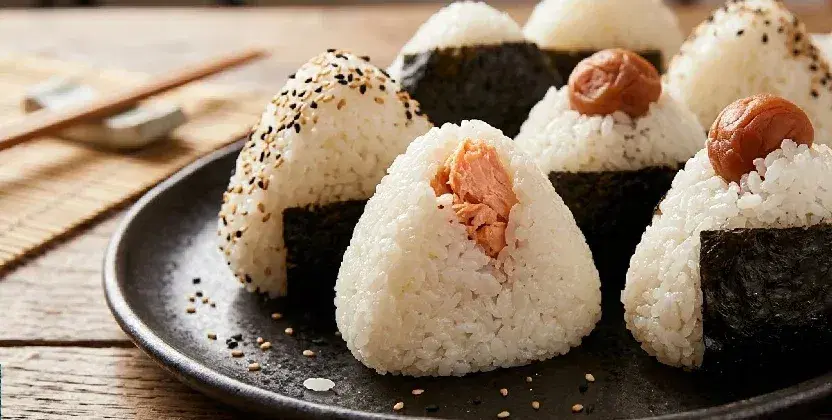
Japan’s convenience stores are more than quick stops—they are packed with tasty, affordable meals and snacks worth trying. From onigiri and egg sandwiches to bento boxes, noodles and Japanese desserts, these easy-to-find options are perfect for travellers looking for a quick local bite.
Onigiri (Japanese Rice Balls)
One of the most iconic items on the 7-Eleven Japan food menu, onigiri are triangular rice balls wrapped in nori. This iconic dish comes in countless varieties and is the favourite among all Japanese convenience store food. Popular fillings include tuna mayo, salmon, mentaiko (spicy cod roe) and umeboshi (pickled plum).
- Best Time: Breakfast, quick lunch, late-night snack
- Dietary Info: Vegetarian options (umeboshi, konbu) and seafood varieties
- Cost: ₹120–₹230 (¥200–¥400 approx.)
Japanese Convenience Store Sandwiches
Convenience store food in Japan serves sandwiches with combinations like fluffy egg salad, crispy pork cutlet or sweet fruit and cream. The famous egg sandwich is often ranked among the best convenience store food in Japan.
- Best Time: Breakfast, light lunch
- Dietary Info: Egg varieties are vegetarian
- Cost: ₹120–₹190 (¥200–¥300 approx.)
NOTE: Perfect for konbini breakfast in Japan or quick snacks.
Bento Boxes at Japanese Convenience Stores
Bento boxes offer complete meals in a single package. These ready-made lunch boxes feature rice or noodles, topped with grilled fish, chicken teriyaki or tonkatsu, along with pickled vegetables and tamagoyaki (rolled omelette). Higher-priced options include premium ingredients like unagi (eel) or premium beef.
- Best Time: Lunch, dinner
- Dietary Info: Mostly non-vegetarian; some vegetable-focused options available
- Cost: ₹230–₹400 (¥400–¥700 approx.)
Fried Chicken from Japanese Konbini
Each major chain has its signature fried chicken. FamilyMart's Famichiki is famous among all konbini food in Japan for its juicy, crispy perfection. It is ideal for late-night food and Japanese cravings.
- Best Time: Lunch, snack, dinner
- Dietary Info: Non-vegetarian
- Cost: ₹70–₹120 (¥120–¥200 approx.)
Steamed Buns (Nikuman & Sweet Buns)
Nikuman (pork buns) are fluffy steamed buns and come in varieties including classic pork, pizza-flavoured, curry and sweet red bean paste. These are some of the most unique experiences in Japan for travellers.
- Best Time: Breakfast, snack, late night
- Dietary Info: Pork buns are non-vegetarian; some sweet varieties are vegetarian
- Cost: ₹70–₹120 (¥120–¥200 approx.)
Fresh Sushi from Convenience Stores
Sushi boxes range from simple nigiri sets to elaborate chirashi bowls with multiple fish varieties. Many travellers ask about the Japanese convenience store sushi quality. It is indeed good quality.
- Best Time: Lunch, dinner
- Dietary Info: Non-vegetarian
- Cost: ₹290–₹700 (¥500–¥1,200 approx.)
Japanese Convenience Store Desserts and Sweets
Japanese konbini excel at desserts that showcase impressive craftsmanship. Lawson's desserts in Japan are especially famous for velvety cream wrapped in delicate sponge cake. Seasonal mochi, fluffy pancakes and various Japanese sweets rotate regularly.
- Best Time: Anytime
- Dietary Info: Many vegetarian options
- Cost: ₹120–₹300 (¥200–¥500 approx.)
Konbini Breakfast Japan: What to Eat Before 9 AM
Morning staples:
- Onigiri
- Egg sandwich
- Fresh drip coffee (¥100–¥150 / ₹60–₹90 approx.)
- Yogurt cups
- Fruit packs
Perfect for early sightseeing days.
Is Konbini Food Healthy?
A common question: Is konbini food healthy? The answer is, yes. Here are the health benefits of Konbini Food:
- Calorie labels are clearly displayed
- Fresh salads available
- High-protein options (grilled chicken, tofu)
- Low-sugar yoghurt
- Natural Lawson organic range
Less healthy:
- Fried foods
- Cream-heavy desserts
- Processed sandwiches
Smart and healthy combination example: Onigiri + salad + boiled egg = balanced meal under ₹350 (¥600 approx.)
Best Convenience Store Chains in Japan
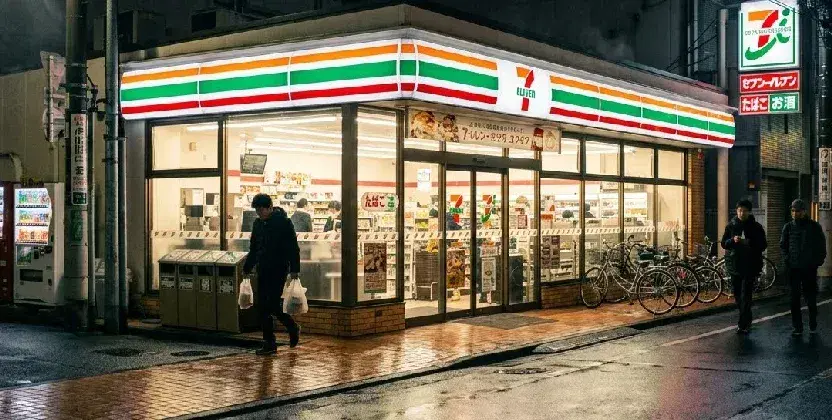
Japan’s convenience stores are more than quick stops for snacks. They are a handy part of everyday travel. From fresh meals and Japanese snacks to drinks, toiletries and ATM services, the best convenience store chains in Japan make it easy for travellers to pick up essentials while exploring the country.
1. 7-Eleven Japan – Best Overall Konbini Food
With nearly 22,000 stores across Japan, 7-Eleven dominates the market. Known for its innovative food products, the chain has consistently provided quality Japanese convenience store food.
2. FamilyMart – Famous for Fried Chicken
FamilyMart holds the second position in the list of the best convenience stores in Japan. FamilyMart's fried chicken is so popular that many Japanese people visit specifically for this item.
3. Lawson – Best for Desserts and Healthy Options
Lawson stands out for its superior bread and pastry selection. Health-conscious travellers appreciate Natural Lawson, a specialised chain offering organic and health-focused options.
Tips for Eating at Japanese Convenience Stores
Here are some of the best things to know before visiting Japan:
- Best Time to Shop for Discounts at Konbini: Most stores mark discounted prices in the evening.
- Bring a Shopping Bag: Plastic bags cost a few yen, so carrying a reusable bag saves money and reduces waste.
- Seasonal and Limited-Edition Items to Try: Convenience stores rotate products seasonally, offering limited-edition flavours.
- Don't Skip Store Brands: 7-Eleven's Seven Premium and other store-brand products offer excellent quality at lower prices compared to national brands.
- Check Combination Deals: A sandwich plus onigiri plus drink combo typically costs around Rs. 350 (¥ 600), making it a smart lunch choice.
Conclusion: Is Convenience Store Food in Japan Worth It?
Japanese convenience store food transforms the concept of quick meals from mere convenience into a culinary experience. The three major chains of 7-Eleven, FamilyMart, and Lawson maintain standards that ensure fresh, tasty and safe food around the clock. Whether you are grabbing breakfast, lunch or a late-night snack, budget food in Japan delivers consistent quality. Planning a trip? Pair smart konbini dining with curated Japan tour packages for maximum efficiency and comfort.
FAQs
1. Is convenience store food in Japan safe to eat?
Yes, Japanese convenience store food is completely safe and maintains high-quality standards. The strict food safety regulations in Japan mean you can confidently eat sushi, sandwiches and other perishables from konbini stores. Many Japanese people rely on convenience store food for daily meals, which speaks to the consistent quality and safety.
2. How much does a meal cost at a Japanese convenience store?
A typical meal ranges from Rs. 350-600 (600-1,000 yen). A complete day of eating convenience store food costs approximately Rs. 1,740-3,000 (3,000-5,000 yen), making it one of the most budget-friendly dining options in Japan. Individual onigiri start at Rs. 60 (100 yen), sandwiches cost around Rs. 120-170 (200-300 yen), and bento boxes range from Rs. 230-400 (400-700 yen).
3. What are the best things to buy at Japanese convenience stores?
The must-try items include onigiri (rice balls), egg sandwiches, bento boxes, fried chicken (Famichiki or Karaage-kun), steamed pork buns, fresh coffee and premium desserts like roll cakes.
4. Are there vegetarian options at Japanese convenience stores?
Yes, though options are more limited than meat-based items. Vegetarian-friendly choices include inarizushi (rice in sweet tofu pouches), umeboshi (pickled plum) onigiri, salads, edamame, yoghurt, fresh fruit and various snacks.
5. Can you heat food at Japanese convenience stores?
Yes, all convenience stores provide free microwaves and hot water dispensers for customer use.
6. Which Japanese convenience store chain is the best?
Each chain has strengths: 7-Eleven excels in overall variety and innovation, FamilyMart is famous for Famichiki fried chicken, and Lawson offers superior bread and pastries plus health-focused Natural Lawson stores.
7. Do Japanese convenience stores have ATMs for tourists?
Yes, all 7-Eleven stores have ATMs that accept foreign credit and debit cards. Many FamilyMart and Lawson locations also accept international cards.
8. When is the best time to get discounts at Konbini?
Shop after 7-8 PM for significant markdowns on prepared foods.
9. Are Japanese convenience stores open 24 hours?
Most convenience stores in urban and suburban areas operate 24/7. Some rural locations may have limited hours.
10. What is the difference between convenience stores and supermarkets in Japan?
Convenience stores focus on ready-to-eat meals, snacks and drinks with limited grocery items, operating 24/7 in compact spaces. Supermarkets offer full grocery selections, including fresh produce, meat, dairy and household supplies.