
- Home
- Attractions
- Japan
- Arashiyama Bamboo Grove Kyoto: Forest Walk, History, Timings & Visitor Guide
Arashiyama Bamboo Grove Kyoto: Forest Walk, History, Timings & Visitor Guide
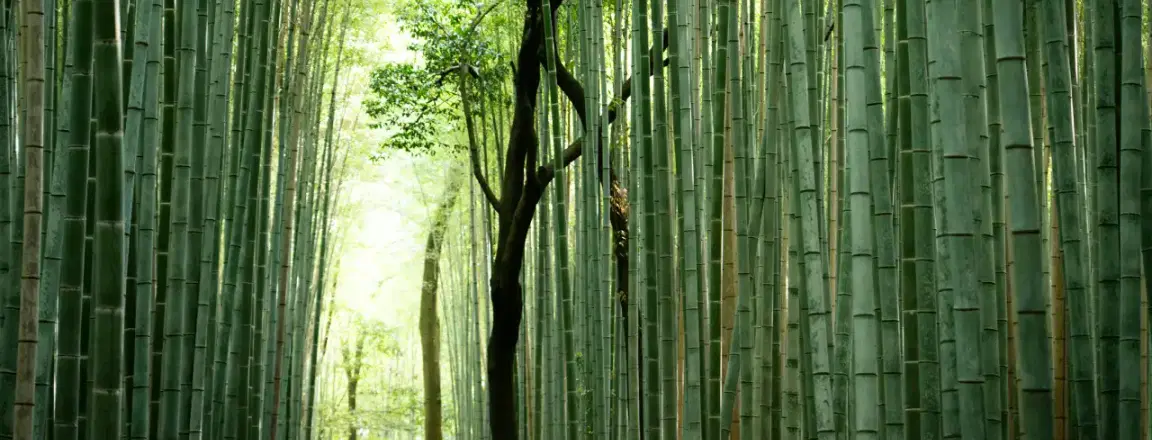
Kyoto is a city of timeless beauty, where Zen temples, imperial villas, and sacred shrines coexist with nature. Among its most surreal experiences is walking through the towering green stalks of the Arashiyama Bamboo Grove. Located in western Kyoto, this natural pathway feels almost otherworldly, as sunlight filters softly through swaying bamboo, making it one of the most beautiful attractions in Kyoto.
Unlike the vibrant torii tunnels of Fushimi Inari Taisha or the golden elegance of Kinkaku-ji, Arashiyama offers quiet immersion in nature. If you are planning your Kyoto itinerary, this bamboo forest walk is an unmissable highlight.
Read more: Kyoto travel guide.
Arashiyama Bamboo Grove History
The Arashiyama district has been an area to relax since the Heian Period (794–1185). Japanese aristocrats once visited this region to enjoy seasonal beauty, especially cherry blossoms and autumn foliage.
The bamboo groves themselves are part of the Sagano area and were historically cultivated for practical uses such as basket-making, tea ceremony tools, and crafts. Over time, the pathway between temples became one of Kyoto’s most photographed natural landmarks.
Did you know? The sound of rustling bamboo in Arashiyama is recognised as one of Japan’s “100 Soundscapes” by the Ministry of the Environment.
Also explore: Buddhist temples in Japan.
Arashiyama Bamboo Grove Location
- Address: Ukyo Ward, Kyoto 616-8394, Japan
This area is known for its riverside views, forested mountains, and traditional streets that feel distinctly different from central Kyoto’s urban atmosphere. Arashiyama lies at the base of the Arashiyama mountains, along the Katsura River, making it one of Kyoto’s most naturally beautiful neighbourhoods. During spring (cherry blossoms) and autumn (fiery maple leaves), the entire district transforms into one of the city’s most photogenic landscapes.
It pairs well with nearby attractions:
- Tenryu-ji
- Togetsukyo Bridge
- Iwatayama Monkey Park
Because these attractions are within walking distance of one another, most travellers combine them into a relaxed half-day itinerary of their Kyoto tour package. Start early with the bamboo grove, visit Tenryu-ji Temple next, stroll toward Togetsukyo Bridge for scenic views, and end with a short hike up to the Monkey Park if time permits.
What to See Inside Arashiyama Bamboo Grove
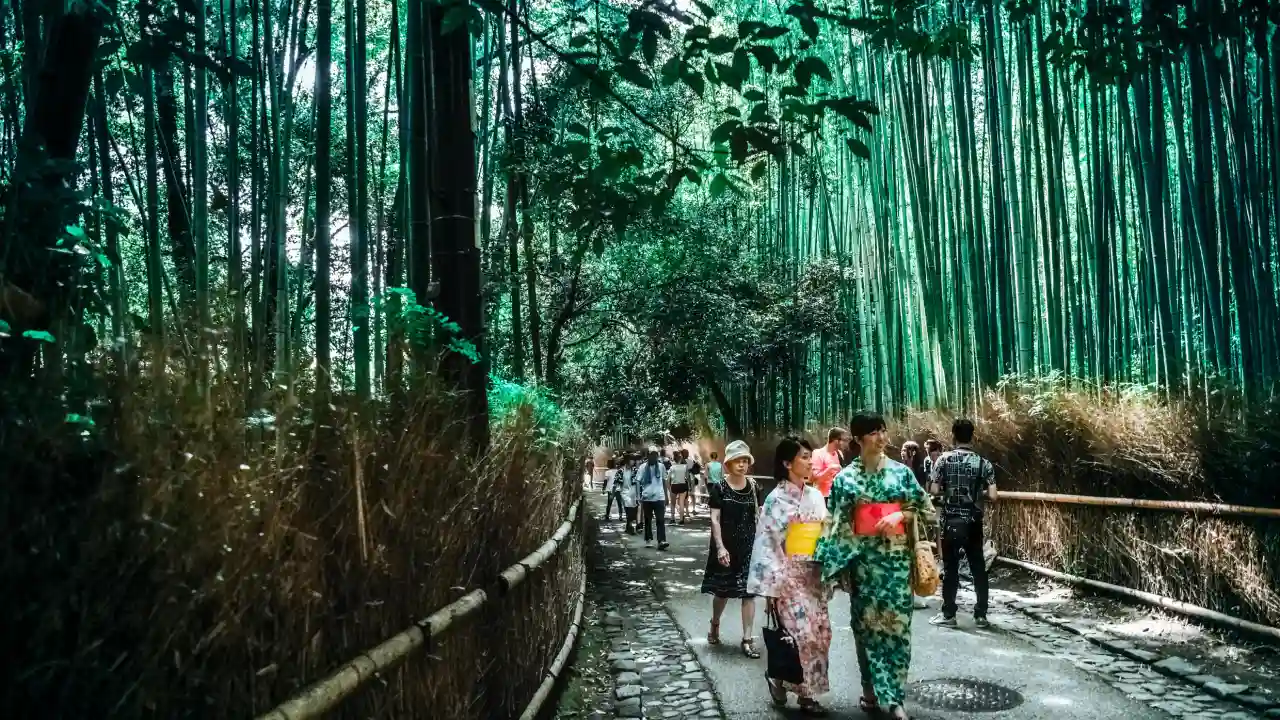
1. The Bamboo Walking Path
This is the main pathway, and it stretches roughly 400–500 metres. Towering bamboo stalks rise dramatically on both sides, forming a natural green corridor. The experience is less about sightseeing and more about atmosphere, light, sound, and movement.
2. Tenryu-ji Temple Garden
Located at the southern entrance of the grove, Tenryu-ji is a UNESCO World Heritage Site with one of Kyoto’s most beautiful landscape gardens. The garden design frames the surrounding mountains beautifully.
3. Nonomiya Shrine
A small but historically significant Shinto shrine within the bamboo forest, known for connections to classical Japanese literature and blessings for love and academic success.
4. Hidden Side Paths
Beyond the main crowded stretch, smaller paths offer quieter bamboo scenery. Exploring slightly off route provides a more peaceful experience.
Arashiyama Bamboo Grove Map & Walking Route
- Walking time (main path): 20–30 minutes
- With nearby temples & bridge: 2–3 hours total
The bamboo grove itself is relatively short, but the surrounding Arashiyama district offers enough attractions to easily fill half a day.
Arashiyama Bamboo Grove Entrance Fee & Opening Hours
- Entry Ticket: Free
- Opening Hours: Open 24 hours daily
Nearby temples like Tenryu-ji have separate entrance fees and fixed hours (typically 8:30 AM – 5:00 PM). Early mornings here offer the most serene experience.
Best Time to Visit Arashiyama Bamboo Grove for Fewer Crowds
Kyoto’s popularity means this grove becomes crowded quickly. Knowing the best time to visit Kyoto to explore this grove gives you an edge.
Best Time of Day
- Before 8:00 AM: Most peaceful
- After 5:30 PM: Softer light and fewer tour groups
Best Season
- Spring (March–April): Pleasant weather
- Autumn (November): Beautiful foliage around the district
- Winter (January–February): Least crowded
Avoid visiting between 10:00 AM and 3:00 PM for uninterrupted photography.
Crowd Expectations
Arashiyama Bamboo Grove is one of Kyoto’s busiest attractions. Tour buses arrive by mid-morning, and the narrow path can feel packed.
However:
- Arriving early dramatically improves the experience.
- Exploring nearby temple gardens offers quiet alternatives.
- Weekdays are slightly less crowded than weekends.
Photography is allowed, but be mindful of blocking the pathway for others.
How to Reach Arashiyama Bamboo Grove from Kyoto City Centre
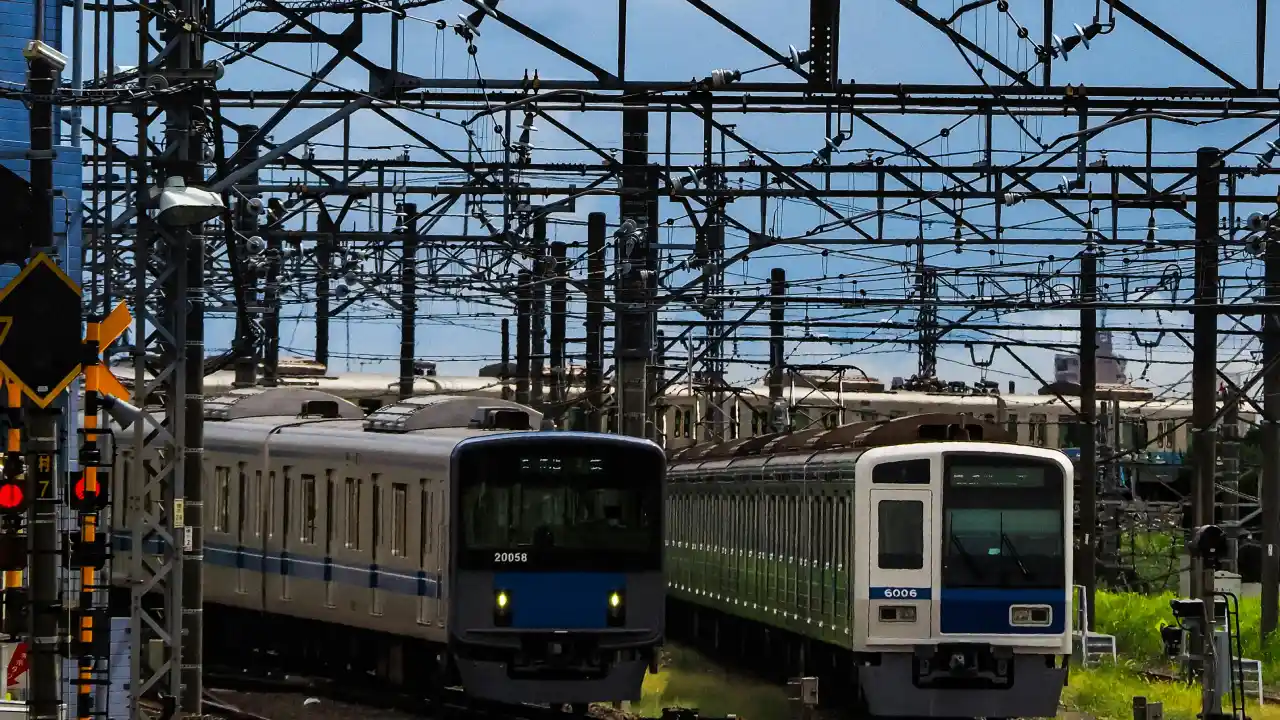
By Train (Recommended)
- JR Sagano Line to Saga-Arashiyama Station (~15 minutes from Kyoto Station)
- Hankyu Line to Arashiyama Station
From either station, it is about a 10-minute walk to the grove.
By Taxi
It takes approximately 25–30 minutes from central Kyoto to reach the temple by taxi, depending on traffic.
Japan Public transport is simple and efficient, making this an easy half-day trip.
Where to Eat Near Arashiyama Bamboo Grove
The Arashiyama area offers charming cafés and traditional eateries.
Local Specialties
- Yudofu (tofu hot pot)
- Matcha sweets
- Japanese set meals (teishoku)
- Street snacks near Togetsukyo Bridge
Recommended Spots
- Arashiyama Yoshimura (soba with river views)
- % Arabica Arashiyama (popular coffee stop)
- Shoraian (tofu-focused dining)
Vegetarian options are more available here than in many other parts of Kyoto.
Checkout: Jain food in Japan
Kyoto Hotels: Best Options by Budget
Luxury Hotels
- The Ritz-Carlton Kyoto
- Four Seasons Hotel Kyoto
- Hoshinoya Kyoto
Mid-Range Hotels
- Cross Hotel Kyoto
- Hotel Gracery Kyoto Sanjo
Budget Hotels
- Piece Hostel Kyoto
- Sakura Terrace The Gallery
Most travellers stay in central Kyoto and travel to Arashiyama by train.
Also read: Top places to stay in Kyoto
Things to Know Before Visiting Arashiyama Bamboo Grove
- Arrive early to avoid crowds.
- Wear comfortable walking shoes.
- The path is mostly flat and family-friendly.
- Bring water during the summer months.
- Respect the natural environment, do not step beyond marked areas.
Why Arashiyama Bamboo Grove Is Worth Visiting
Arashiyama Bamboo Grove is not just a photo stop; it is a sensory experience. The gentle creaking of bamboo, filtered sunlight, and rhythmic swaying create a calming atmosphere rarely found in busy cities. While the pathway itself is short, the surrounding temples, river views, and mountain scenery make Arashiyama a complete destination. For travellers exploring Japan for the first time, this grove offers a beautiful contrast to Kyoto’s shrines and urban districts. It fits perfectly into a thoughtfully curated Japan tour package focused on culture and nature.
FAQs About Arashiyama Bamboo Grove
1. Where exactly is Arashiyama Bamboo Grove located in Kyoto?
Arashiyama Bamboo Grove is located in western Kyoto, in the scenic Arashiyama district of Ukyo Ward. It sits between Tenryu-ji Temple and Nonomiya Shrine, about 15–20 minutes from Kyoto Station by train. The grove is easily accessible on foot from Saga-Arashiyama Station.
2. How much time should I allocate for visiting Arashiyama Bamboo Grove?
The main bamboo path takes about 20–30 minutes to walk at a relaxed pace. However, most visitors spend 2–3 hours exploring nearby spots like Tenryu-ji, Togetsukyo Bridge, and the Monkey Park. Plan a half-day if you want a complete Arashiyama experience.
3. Do I need tickets or pay an entrance fee to enter the bamboo grove?
No, entry to the bamboo grove is completely free and open to the public. There are no gates or ticket counters for the forest pathway. However, nearby temples like Tenryu-ji have separate entrance fees.
4. Why is Arashiyama Bamboo Grove so famous?
The grove is known for its towering bamboo stalks that form a dramatic green corridor. The unique sound of rustling bamboo and filtered sunlight creates a surreal, immersive atmosphere. It is one of Kyoto’s most photographed natural landmarks.
5. Is Arashiyama Bamboo Grove actually worth visiting despite the crowds?
Yes, especially if you visit early in the morning before tour groups arrive. The experience becomes peaceful and far more atmospheric at quieter hours. When combined with Tenryu-ji and Togetsukyo Bridge, it becomes a well-rounded cultural and scenic outing.
6. Can I visit Arashiyama Bamboo Grove at night?
Yes, the grove is technically open 24 hours since it is a public pathway. However, it is not illuminated at night, making it very dark and less practical for sightseeing. Early morning is a better alternative for fewer crowds and good lighting.
7. What is the best time of day and season to visit Arashiyama Bamboo Grove?
The best time of day is before 8:00 AM for a peaceful walk and uninterrupted photos. Spring and autumn offer the most pleasant weather and beautiful scenery across the Arashiyama district. Winter is the least crowded season for a quieter visit.
8. Is Arashiyama family-friendly?
Yes, the pathway is flat and suitable for all ages.