
Buddhist Temples in Japan: 15 Iconic Sacred Sites by Location You Must Explore
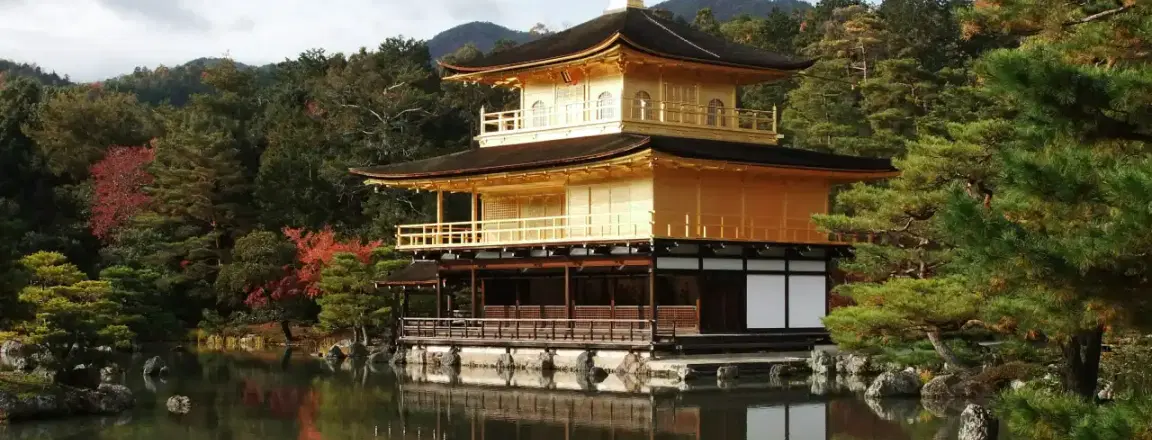
The Buddhist temples in Japan are among the country’s most significant spiritual and cultural landmarks. Representing more than 1,400 years of history, they blend religion, architecture, art, and philosophy into living sacred spaces. From Kyoto’s golden pavilions and Nara’s colossal Buddhas to mountain monasteries and urban sanctuaries, these sites remain active places of worship while welcoming visitors from around the world.
If you're searching for the most famous Buddhist temple in Japan, the oldest Buddhist temple in Japan, or exploring Zen temples in Japan, this guide organises 15 iconic temples by location to help you plan efficiently. It also includes a practical Buddhist temples in Japan map strategy, crowd advice, entry fees, and temple etiquette for first-time visitors.
Check out: Japan temples vs shrines
Which Temple Should You Visit?
Temple | City | Best For | Time Needed | UNESCO |
| Kinkaku-ji | Kyoto | First-time visitors | 1 hr | Yes |
| Kiyomizu-dera | Kyoto | Views & photography | 2 hrs | Yes |
| Ginkaku-ji | Kyoto | Zen simplicity | 1 hr | No |
| Ryōan-ji | Kyoto | Meditation & rock gardens | 1 hr | Yes |
| Tōdai-ji | Nara | The Great Buddha | 2 hrs | Yes |
| Hōryū-ji | Nara | Oldest wooden architecture | 2 hrs | Yes |
| Sensō-ji | Tokyo | Easy city visit | 1 hr | No |
| Zōjō-ji | Tokyo | Samurai-era history | 1 hr | No |
| Gotoku-ji | Tokyo | Maneki-neko / lighter visit | 45 min | No |
| Shitennō-ji | Osaka | Japan's first official temple | 1 hr | No |
| Isshin-ji | Osaka | Reflective, less crowded | 45 min | No |
| Osorezan | Aomori | Remote, spiritual pilgrimage | Half day | No |
| Hase-dera | Kamakura | Coastal views + Kannon statue | 1.5 hrs | No |
| Okunoin | Koyasan | Deep spiritual/pilgrimage experience | Half day | Yes |
| Wat Paknam | Chiba | Thai Buddhist architecture | 1 hr | No |
Types of Buddhist Sects in Japan
Understanding the main sects enhances your temple visits:
Zen Buddhism (Rinzai & Soto)
- Focus: Meditation (zazen), simplicity, mindfulness
- Famous for: Rock gardens, minimal architecture
- Best places: Kyoto Zen temples like Ryōan-ji
Pure Land (Jōdo)
- Focus: Devotion to Amida Buddha
- Popular among common people historically
- Found widely across Japan
Shingon (Esoteric Buddhism)
- Founded by Kūkai
- Emphasises rituals, mantra, sacred mountains
- Center: Mount Kōya (Okunoin)
Tendai
- Influential early sect combining meditation and doctrine
- Historically powerful in Kyoto
Many UNESCO temples in Japan belong to these traditions.
A Short History of Buddhism in Japan
- 6th century: Buddhism arrives in Japan from Korea (traditionally dated to 552 or 538 CE), brought as a diplomatic gift alongside Buddhist texts and images.
- Prince Shōtoku (574–622): A key early patron who promoted Buddhism as state policy and is credited with founding Shitennō-ji in Osaka in 593, one of the temples covered below.
- Nara Period (710–794): Buddhism becomes the formal state religion. Tōdai-ji and its Great Buddha were built during this era as a national symbol of Buddhist protection.
- Heian Period (794–1185): Esoteric sects, Shingon (founded by Kūkai) and Tendai, take hold, moving the centre of gravity toward Kyoto and Mount Kōya.
- Kamakura Period (1185–1333): Zen Buddhism spreads, along with Pure Land Buddhism, which appealed to ordinary people rather than only the aristocracy.
- Modern era: Buddhism today coexists with Shinto in most Japanese households, and temples remain active sites for funerals, festivals, and pilgrimage, not just tourism.
Buddhist Temples in Kyoto – Japan’s Spiritual & Zen Capital
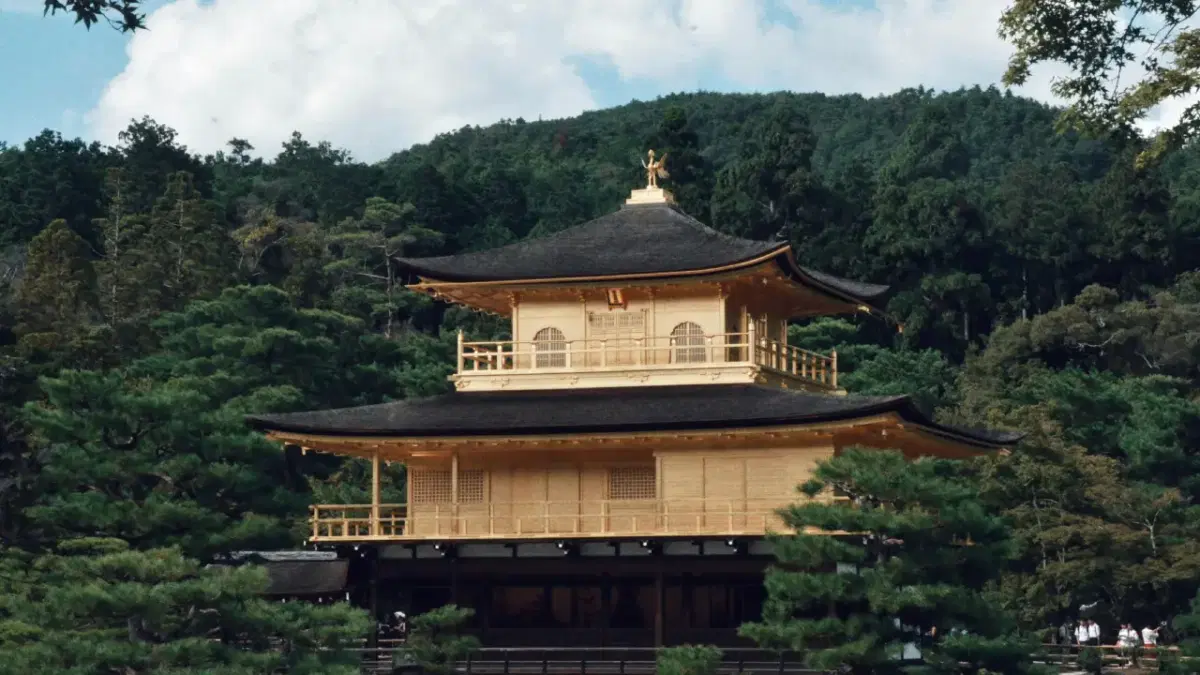
Kyoto is one of the best cultural places to visit in Japan. It is the country’s most important centre of Buddhist development. The city is especially associated with Zen Buddhism and refined temple aesthetics.
Kinkaku-ji (Golden Pavilion), Kyoto – Iconic Zen Buddhist Temple
If you're only visiting one Buddhist temple in Japan, Kinkaku-ji is the obvious choice. Famous for its dazzling gold-leaf exterior reflected in Mirror Pond, it is one of Japan's most photographed landmarks. Originally built as a retirement villa before becoming a Zen temple, it perfectly combines history, architecture, and natural beauty.
- Location: Kita Ward, Kyoto
- Founded: 1397
- Sect: Rinzai Zen
- Entry: ¥500(₹295 approx.) adults / ¥300(₹175 approx.) children
- UNESCO Site: Yes
- What to see: Gold pavilion, Mirror Pond, Zen landscaping
Crowd Tip: Expect heavy tour buses after 10:30 AM, especially in autumn.
Kiyomizu-dera Temple, Kyoto – Wooden Stage & Sacred Waterfall
Perched on Kyoto's eastern hills, Kiyomizu-dera is renowned for its enormous wooden stage overlooking the city. Founded in 778, this UNESCO World Heritage Site attracts visitors year-round for its panoramic views, sacred Otowa Waterfall, and spectacular cherry blossom and autumn foliage. Its seasonal scenery, especially cherry blossoms in Japan and autumn leaves, makes it one of the most inspiring spiritual places in Kyoto.
- Location: Higashiyama, Kyoto, Japan
- Timings: 6:00 AM – 6:00 PM (seasonal variations)
- What to see: Wooden stage, Otowa Waterfall, panoramic city views
- UNESCO Site: Yes
- Entry: ¥400(₹235 approx.) adults
Ginkaku-ji (Silver Pavilion), Kyoto – Zen Simplicity & Sand Gardens
Unlike its golden counterpart, Ginkaku-ji is understated and elegant. Its sand garden and moss-covered grounds represent the Zen philosophy of simplicity and imperfection. The admiration of the grand architecture and peaceful atmosphere is one of the most useful things to do in Kyoto.
- Location: Sakyo Ward, Kyoto, Japan
- Timings: 8:30 AM – 5:00 PM
- Entry: ¥500(₹295 approx.)
- What to see: Sand garden, moss garden, Silver Pavilion structure
Ryōan-ji Temple, Kyoto – Famous Zen Rock Garden
The most renowned Zen rock garden in Japan is found in Ryoyanji. They are meant for deep meditation and to interpret it in a personal manner. The minimalist arrangement of the 15 stones and gravel installation encourages silent reflection. It is a perfect destination to feel the spirituality of Zen Buddhism in Japan in its purest form.
- Location: Ukyo Ward, Kyoto, Japan
- Timings: 8:00 AM – 5:00 PM
- Entry: ¥600(₹350 approx.)
- UNESCO Site: Yes
- What to see: Zen rock garden, Kyoyochi Pond, temple grounds
Buddhist Temples in Nara – Birthplace of Japanese Buddhism
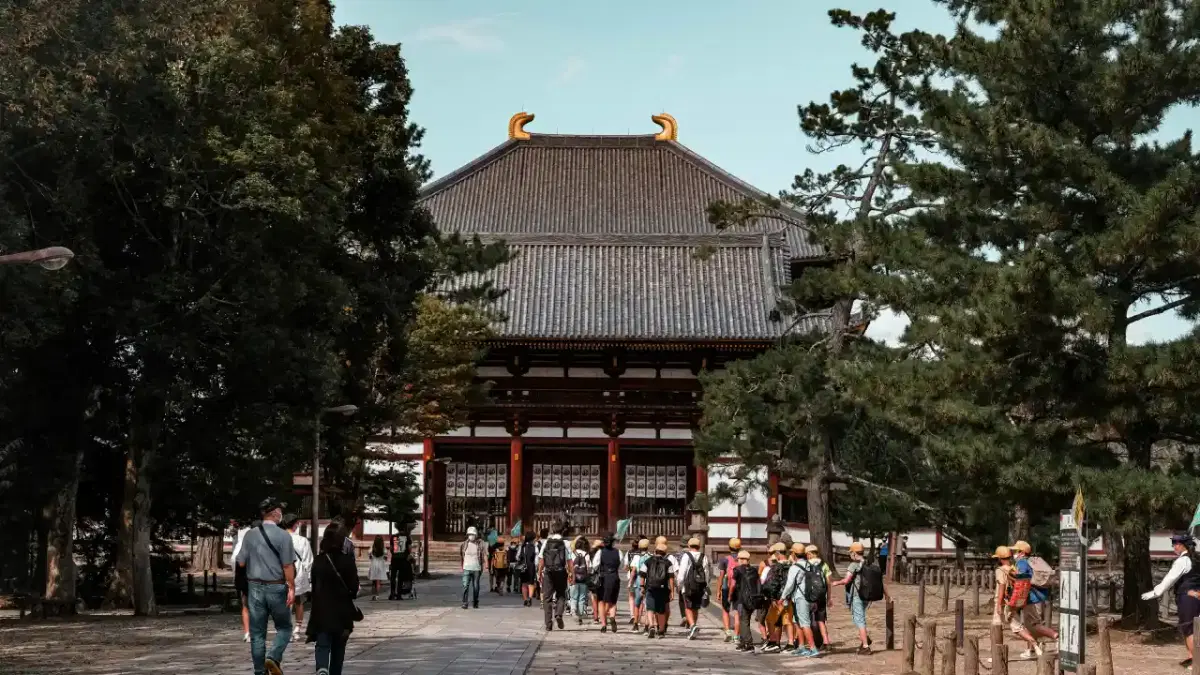
Nara was Japan’s first permanent capital and the birthplace of large-scale state-sponsored Buddhism.
Tōdai-ji Temple, Nara – Home of the Great Buddha (Daibutsu)
Home to the enormous bronze Great Buddha (Daibutsu), Tōdai-ji is one of Japan's most impressive Buddhist temples. The massive Great Buddha Hall, among the world's largest wooden buildings, makes this a must-visit for anyone interested in Japanese history, architecture, or religion.
- Location: Nara Park, Nara, Japan
- Timings: 8:00 AM – 5:00 PM (seasonal)
- Entry: ¥600(₹350 approx.)
- UNESCO Site: Yes
- What to see: Great Buddha (Daibutsu), Great Buddha Hall, Nandaimon Gate
Hōryū-ji Temple, Nara – World’s Oldest Wooden Buddhist Complex
Recognised as one of the world's oldest surviving wooden temple complexes, Hōryū-ji offers a rare opportunity to see Buddhist architecture dating back to the 7th century. As a UNESCO World Heritage Site, it remains one of Japan's most important historical landmarks.
- Location: Ikaruga, Nara Prefecture, Japan
- Timings: 8:00 AM – 5:00 PM
- Entry: ¥1,500(₹880 approx.)
- UNESCO Site: Yes
- What to see: Ancient wooden halls, a five-story pagoda, and Buddhist relics
Buddhist Temples in Tokyo – Ancient Faith in a Modern City
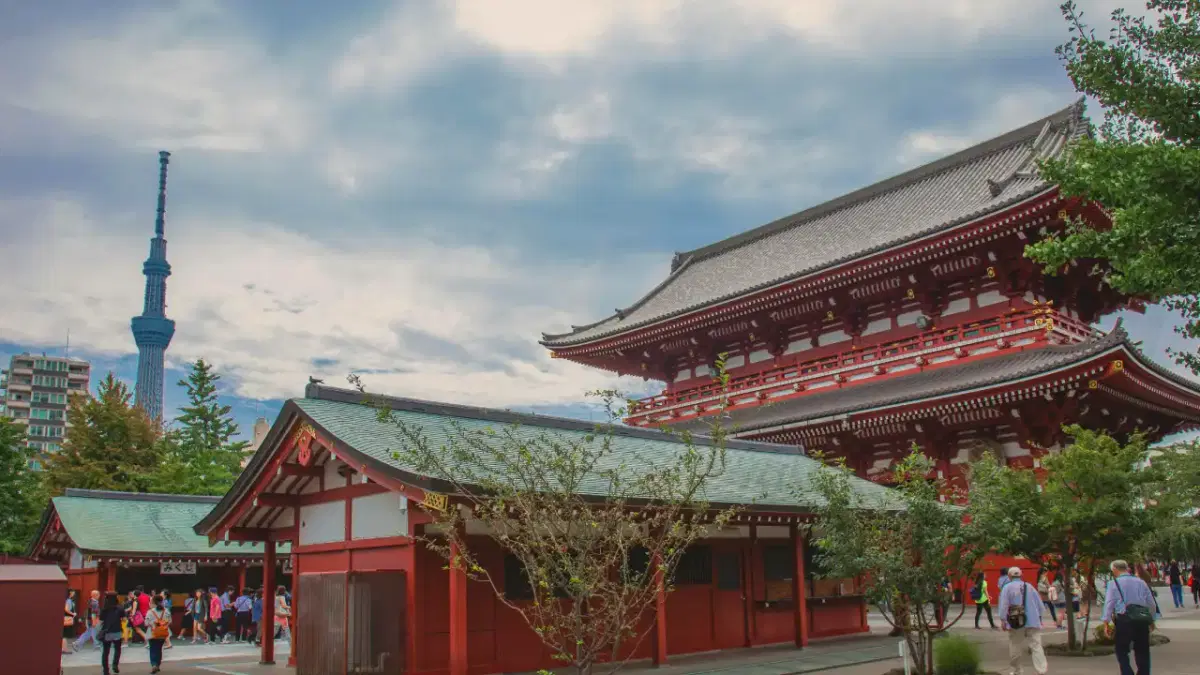
Tokyo may be known for its skyscrapers, but it also preserves important Buddhist sites.
Sensō-ji Temple, Asakusa – Oldest Buddhist Temple in Tokyo
Located in Asakusa, Sensō-ji has a lively atmosphere and deep historical roots as the oldest temple in Japan. The colourful feel, the streets, incense-filled hallsand dynamic worshipers provide a certain combination of spirituality, tradition and the everyday life of the city.
- Location: Asakusa, Taito City, Tokyo
- Founded: 645
- Notable feature: Kaminarimon Gate and Nakamise Street
- Entry: Free
- Access: Asakusa Station (Ginza, Asakusa Lines)
Zōjō-ji Temple – Historic Jōdo-shū Buddhist Site in Tokyo
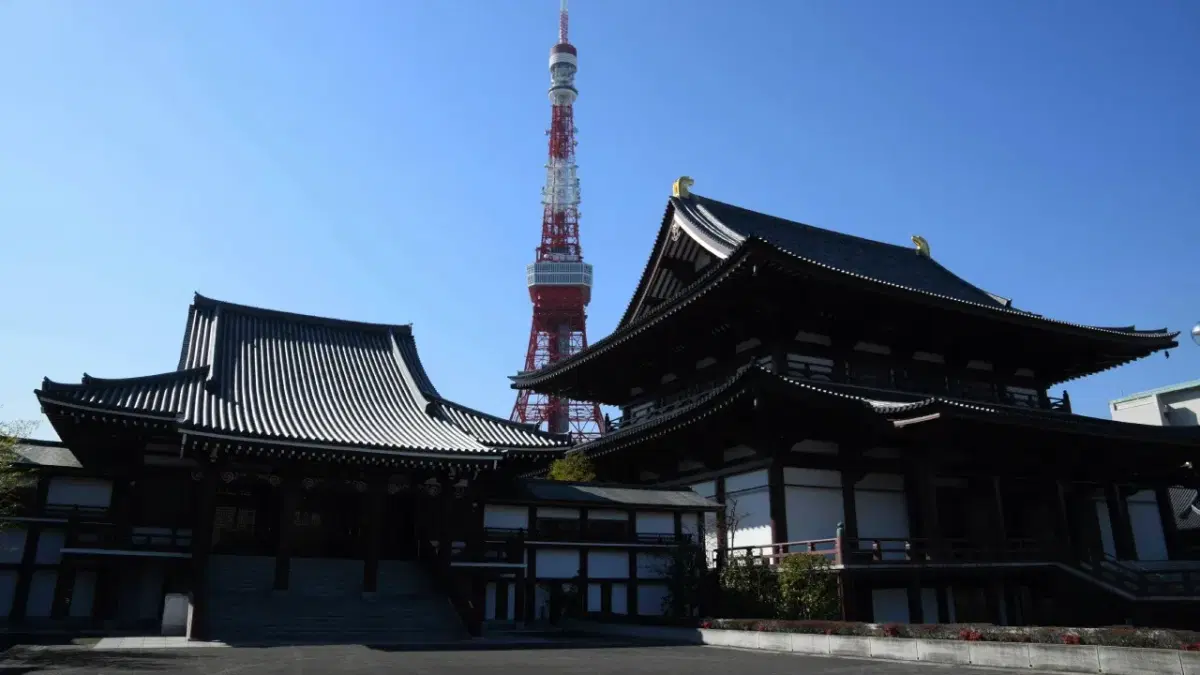
Zōjō-ji provides a peaceful retreat in central Tokyo while showcasing Japan’s samurai-era history. The temple is closely connected with the Tokugawa shogunate, and it provides an understanding of political Buddhism. It also presents a striking visual contrast between historic halls and the modern Tokyo skyline.
- Location: Minato City, Tokyo
- Founded: 1393
- Notable feature: Tokugawa shogun mausoleum
- Entry: Free
- Access: Onarimon or Daimon Station
Gotoku-ji Temple – Birthplace of the Maneki-Neko
Gotoku-ji is a Buddhist temple in Setagaya, Tokyo, famed as the birthplace of the maneki-neko (beckoning cat). The temple is one of the popular cultural landmarks and tourist destinations in Tokyo and is known for its thousands of cat figurines symbolising good fortune and prosperity. Its tranquil grounds contrast with the dense surrounding cityscape.
- Location: Setagaya, Tokyo, Japan
- Founded: 1480
- Notable feature: Thousands of maneki-neko statues
- Entry: Free
- Access: Gotokuji Station (Odakyu Line)
Buddhist Temples in Osaka – Foundations of State Buddhism
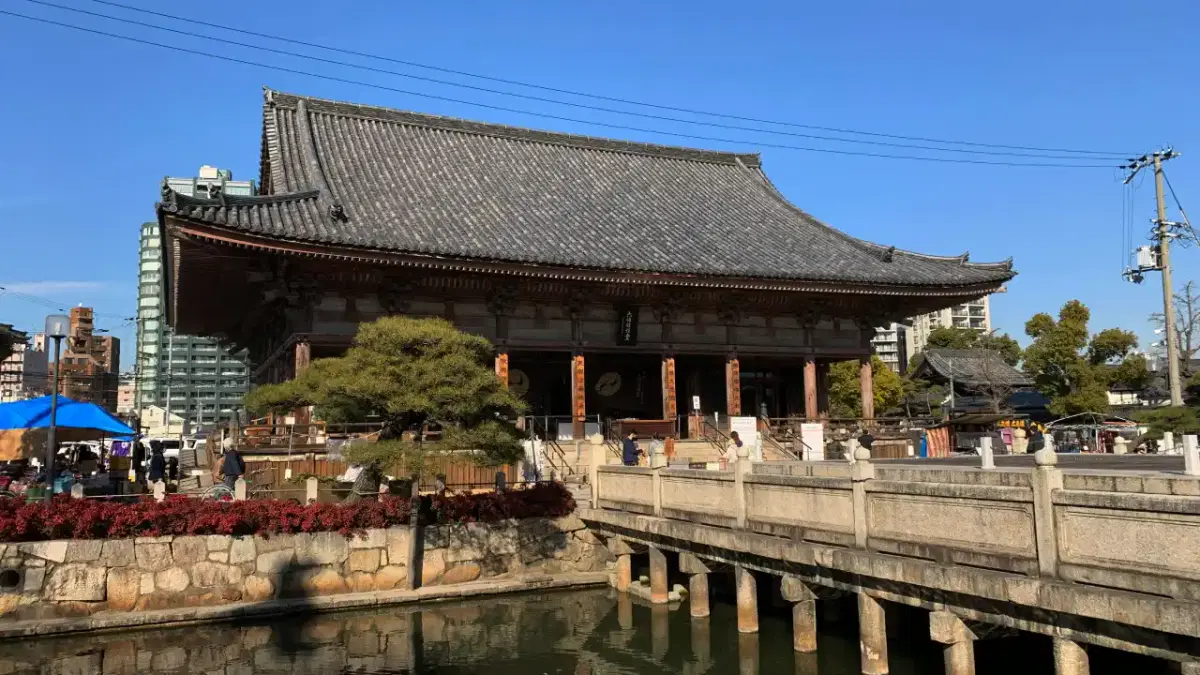
Shitennō-ji – Japan’s First Official Buddhist Temple
Founded in 593 CE by Prince Shōtoku, Shitennō-ji is the first officially established and famous Buddhist temple in Japan. Its symmetrical layout and ancient rituals reflect early Buddhist practices, making it an essential site for understanding how Buddhism was formally introduced and spread across Japan.
- Location: Tennōji, Osaka, Japan
- Founded: 593
- Notable feature: Japan’s first state-sponsored Buddhist temple
- Entry: ¥300(₹175 approx.) (inner precinct)
- Access: Shitennoji-mae Yuhigaoka Station
Isshin-ji Temple – Unique Memorial Buddha Statues
Isshin-ji is known for its unique Buddha statues made from the cremated remains of followers. Located near Tennōji, this temple is one of the best places to visit in Osaka, which offers a deeply reflective atmosphere. It also provides insight into Buddhist views on life, death, and remembrance in modern Japan.
- Location: Tennōji, Osaka, Japan
- Founded: 1185
- Notable feature: Buddha statues made from cremated remains
- Entry: Free
- Access: Tennoji Station
Other Famous Buddhist Temples Across Japan
Osorezan Temple – Sacred “Hell Mountain” of Japan
Often called “Hell Mountain,” Osorezan is a volcanic landscape associated with the afterlife. Pilgrims visit to pray for departed souls, making it one of the most spiritual places in Japan.
- Location: Mutsu, Aomori Prefecture, Japan
- Founded: 862 CE
- Main deity: Jizō Bosatsu (Kṣitigarbha)
- Entry: ¥500(₹295 approx.)
- Admission: Free (donations accepted)
Hase-dera Temple, Kamakura – Kannon & Coastal Views
Hase-dera is a celebrated top Buddhist temple in Kamakura, Japan. It is also known as Hase Kannon, and is one of the most visited temples in Japan. This temple is renowned for its towering statue of the Eleven-Headed Kannon Bodhisattva and its scenic hillside setting overlooking Sagami Bay.
- Location: 3-11-2 Hase, Kamakura, Kanagawa Prefecture, Japan
- Founded: Circa 736 CE (legendary origin)
- Main deity: Eleven-Headed Kannon (Avalokiteśvara)
- Admission: ¥400(₹235 approx.)
Okunoin Temple, Mount Kōya – Sacred Shingon Pilgrimage Site
Located on Mount Kōya, Okunoin is one of the most sacred Shingon Buddhist sites in Japan. The site is a major pilgrimage destination in the Koyasan UNESCO World Heritage landscape. Okunoin reflects Japan’s blend of nature worship and esoteric Buddhism. The daily Shojingu meal-offering ritual to Kobo Daishi has continued uninterrupted for over 1,200 years.
- Location: 550 Koyasan, Koya-cho, Ito-gun, Wakayama, Japan
- Founded: 816 CE (Kūkai’s retreat)
- Main deity: Kobo Daishi (Kūkai)
- Entry: Free (Torodo Hall small fee)
- UNESCO World Heritage Site
- Admission: Free (Torodo Hall 6:00–17:30)
Wat Paknam Japan – Thai Buddhist Temple in Chiba
Wat Paknam is one of the Thai Buddhist temples in Japan representing the Dhammakaya tradition. Known for its distinctive Thai-style architecture and serene meditation environment, the temple serves as a spiritual and cultural hub for the Thai community in Japan.
- Location: Chiba Prefecture, Japan
- Founded: 2012
- Main deity: Phra Dhammakaya
- Entry: Free
Best Buddhist Temples in Japan for Different Travellers
- First-time visitors: Kinkaku-ji, Sensō-ji, Tōdai-ji — the most recognisable and easiest to reach.
- Photographers: Kiyomizu-dera, Kinkaku-ji, Hase-dera — strong seasonal colour and coastal/city backdrops.
- Zen meditation seekers: Ryōan-ji, Ginkaku-ji, Okunoin — quiet, contemplative settings built for reflection rather than sightseeing.
- History lovers: Hōryū-ji, Shitennō-ji, Zōjō-ji — the oldest architecture and clearest links to specific historical figures.
- Families: Sensō-ji, Gotoku-ji, Tōdai-ji — shorter visits, open grounds, and easy access.
- Solo travellers / pilgrims: Okunoin, Osorezan — remote, reflective, and well suited to slower, self-directed travel.
- Hidden gems (less crowded): Isshin-ji, Wat Paknam, Gotoku-ji — worth it if you've already seen the major sites and want something quieter.
Temple Etiquette in Japan
Many travellers ask: Can you enter Buddhist temples in Japan? Yes, most temples are open to visitors, though inner sanctuaries may be restricted. Understanding basic Japan etiquette, such as dressing modestly, speaking quietly, and following temple rules, helps ensure a respectful and meaningful visit while honouring local customs.
Basic Temple Etiquette Japan Visitors Should Know:
- Remove shoes before entering halls
- Bow lightly at entrance gates
- Use incense respectfully (waft smoke toward yourself)
- Purchase omamori (lucky charms) respectfully
- Collect goshuin stamp books for temple calligraphy seals
- Avoid loud conversation
- Follow photography signs
Crowd Expectations
- Kyoto: Very crowded 10:30 AM–3 PM
- Autumn & cherry blossom: Extremely dense
- Mount Kōya: Quietest at sunrise
- Tokyo temples: Busy weekends
Visit early mornings for best experience.
Are Buddhist Temples Free in Japan?
Many temples are free, especially urban temples. However, famous historic sites charge between: ¥300–¥1,500(₹175-₹880 approx.) depending on location.
Conclusion: Why Visiting Buddhist Temples in Japan Is a Life-Changing Experience
Visiting Buddhist temples in Japan offers a rare blend of spiritual calm, cultural depth, and natural beauty. These temples showcase centuries-old architecture, serene Zen gardens, and iconic Buddha statues. Beyond sightseeing, they provide moments of reflection, insight into Japanese traditions, and a peaceful escape from fast-paced modern life. Whether you’re drawn to Kyoto’s Zen gardens, Nara’s monumental Buddhas, or the mystical paths of Mount Kōya, each temple offers a unique spiritual and cultural experience.
To experience a hassle-free and, divine trip Japan Buddhist temples, check out Japan tour packages from Pickyourtrail.
FAQs About Buddhist Temples in Japan
1. How many Buddhist temples are there in Japan?
There are over 75,000 Buddhist temples throughout the country.
2. Can tourists visit Buddhist temples in Japan?
Yes, most temples are open to visitors, though some inner halls may require a fee.
3. What is the best city for Buddhist temples in Japan?
Kyoto is widely considered the best city due to its concentration of historic temples.
4. Are Buddhist temples still active today?
Absolutely. Many temples function as active religious centres with ceremonies and festivals.
5. What should I wear when visiting a temple?
Modest clothing is recommended, especially when entering worship halls.
6. Can I stay overnight at a Buddhist temple?
Yes, temple lodging (shukubō) is available at select temples, particularly on Mount Kōya.
7. Which Buddhist temple in Japan is most famous in paintings?
The most famous Buddhist temple depicted in Japanese paintings is Byōdō-in in Uji, Kyoto.
8. Which Buddhist Temple in Japan Is the Most Famous?
The most famous Buddhist temple in Japan is generally considered to be Kinkaku-ji in Kyoto. Its gold-leaf-covered pavilion and reflective pond make it Japan’s most iconic and widely recognised temple worldwide.
9. Are Buddhist temples free in Japan?
Many are free; major historic temples charge small entry fees.
10. Can tourists participate in Buddhist ceremonies?
Yes, some temples allow meditation sessions or morning prayers. Temple stays (shukubō) offer deeper immersion.