
- Home
- Attractions
- Japan
- Himeji Castle – Hyogo Guide: White Heron Castle History, Tickets & Best Time to Visit
Himeji Castle – Hyogo Guide: White Heron Castle History, Tickets & Best Time to Visit
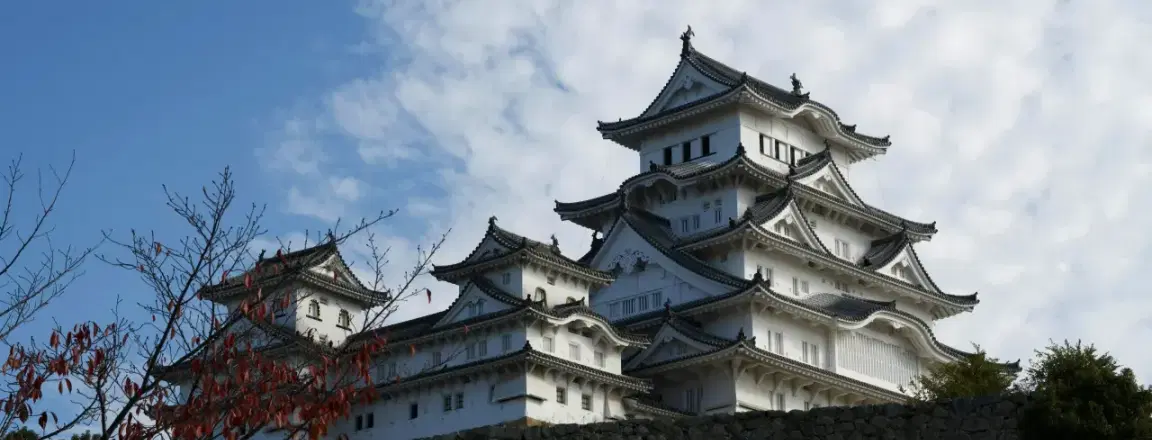
Japan's royal past is still recognisable from its stone fortresses, which were constructed for prestige, survival, and strategy, in addition to its temples and shrines. Rising above the city of Himeji in Hyogo Prefecture stands Himeji Castle, Japan’s most spectacular surviving samurai-era castle.
Unlike many castles reconstructed in concrete, Himeji Castle remains largely original. Its brilliant white exterior and elegant layered roofs resemble a bird taking flight, earning it the nickname White Heron Castle. Today, it is widely regarded as the finest example of Japanese castle architecture and is both a National Treasure and a UNESCO World Heritage Site. If you want to understand Japan beyond its Zen temples and neon cities, Himeji Castle offers rare insight into the country’s military architecture and feudal power structure.
Read more: Japan travel guide.
Himeji Castle History: Fortress of the Samurai
The origins of Himeji Castle date back to 1333, but the grand structure seen today was completed in 1609 during the early Edo period under Ikeda Terumasa. The castle was designed not just for beauty, but for defence. What you can see:
- Complex maze-like pathways
- Hidden gates and deceptive routes
- Narrow windows for archers
- Stone-drop openings to repel invaders
Unlike many Japanese castles destroyed during wars or modernisation, Himeji survived bombings in World War II and natural disasters, preserving its original wooden interiors and defensive design. Architecturally, it represents the peak of castle-building technology in feudal Japan.
Did you know? Himeji Castle was once listed for demolition during the Meiji era, but was saved due to public recognition of its cultural value.
Also visit: Sensoji Temple
Himeji Castle Location
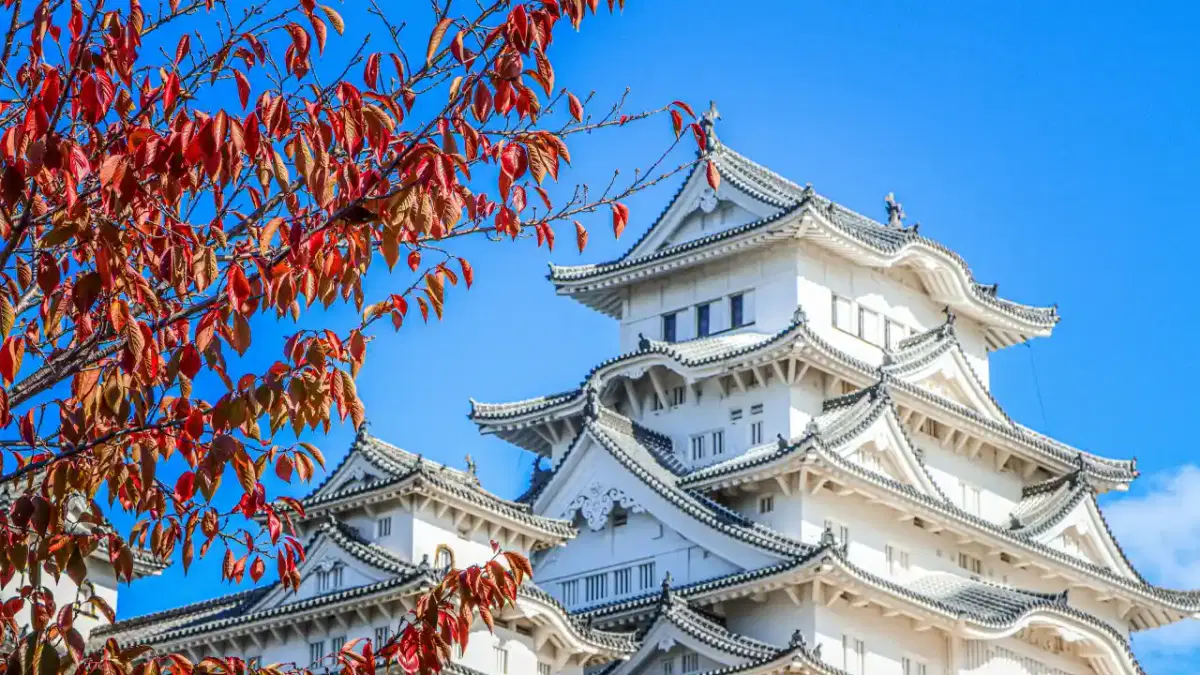
- Address: 68 Honmachi, Himeji, Hyogo 670-0012, Japan
The castle sits atop Himeyama Hill in the city of Himeji, approximately 1 hour from Osaka and 45–60 minutes from Kyoto by train.
Nearby attractions include:
- Koko-en Garden
- Engyo-ji Temple (Mount Shosha)
- Himeji City Museum of Art
Its proximity to Osaka and Kyoto makes it a popular half-day or full-day cultural excursion.
Read more: Japanese Shinkansen
What to See Inside Himeji Castle
1. The Main Keep (Tenshukaku)
The six-storey wooden main keep is the heart of the complex. Inside, you’ll find:
- Steep wooden staircases connect each level
- Defensive features like loopholes and weapon racks
- Minimal decoration, function over luxury
- Panoramic views from the top floor
The climb is steep and narrow, offering a glimpse into authentic samurai-era architecture.
2. Defensive Maze & Gates
The approach to the main keep is intentionally confusing. Visitors follow winding paths through multiple gates designed to slow down enemy advances. The intelligent layout reflects Edo-period military precision.
3. Koko-en Garden
Located adjacent to the castle, Koko-en Garden offers a contrasting experience of tranquillity. With koi ponds, tea houses, and seasonal foliage, it complements the imposing structure of the castle. A combined ticket allows entry to both sites.
Himeji Castle Map & Walking Route
- Otemon Gate entry
- Winding approach through defensive corridors
- Climb to the main keep
- Descend and explore secondary baileys
- Optional visit to Koko-en Garden
Recommended duration: 2 to 3 hours
Unlike temples, castle exploration involves stairs and physical movement, so comfortable footwear is essential.
Check out: Japan temple vs shrines
Himeji Castle Entrance Fee & Opening Hours
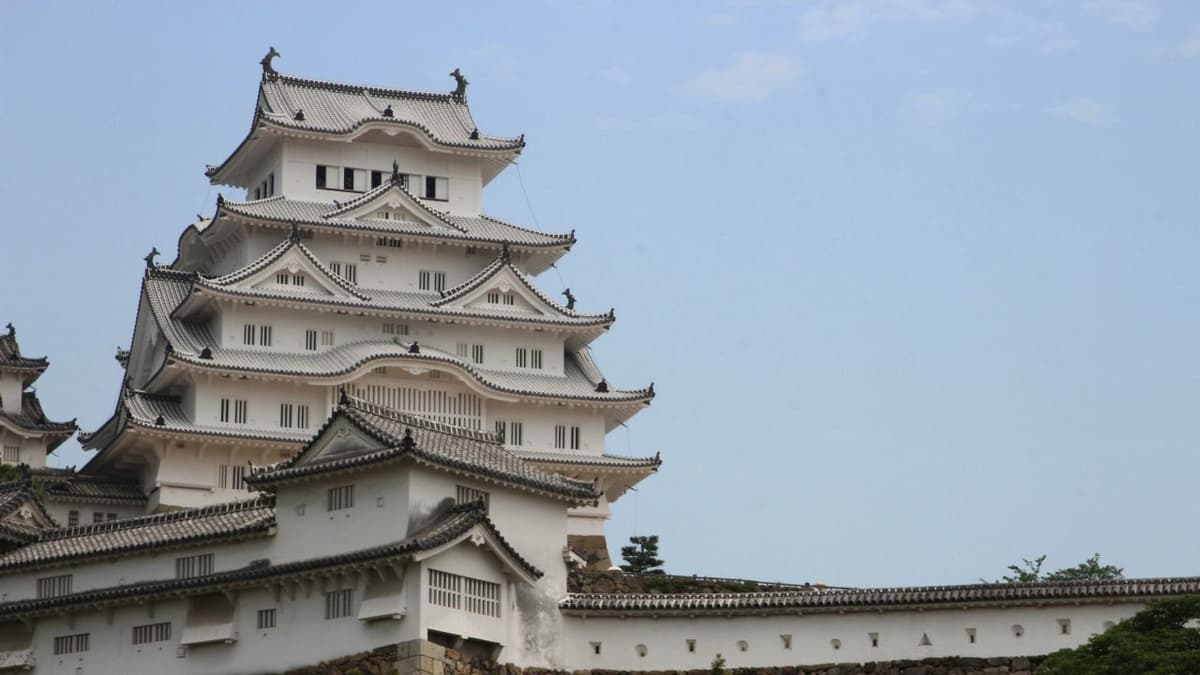
Himeji Castle Ticket
- Adults: ¥1000 (approx. ₹550)
- Children: ¥300 (approx. ₹165)
Combined Castle + Koko-en ticket available.
Opening Hours
- 9:00 AM – 5:00 PM
- Last entry: 4:00 PM
The castle is closed on select days (typically late December), so, always check before visiting!
Note: INR conversion approximate; subject to exchange rate changes.
Best Time to Visit Himeji Castle
Best Time of Day
- Arrive before 10:00 AM to avoid long queues
- Weekdays are quieter than weekends
Best Season
- Spring (late March–early April): Cherry blossoms surround the castle
- Autumn (November): Subtle foliage contrast
- Winter: Crisp skies and fewer tourists
Cherry blossom season draws large crowds, so early arrival is essential.
Also read: Best time to visit Japan
How to Reach Himeji Castle
Japan transportation is one of the best in the world. All the Japanese cities are well connected to each other:
From Osaka:
- JR Special Rapid Service (~1 hour)
From Kyoto:
- Shinkansen (~45 minutes)
- Or local JR line (~1.5 hours)
From Himeji Station:
- 15–20 minute walk straight down Otemae-dori Avenue
The castle is visible from the station, making navigation easy.
Where to Eat Near Himeji Castle
Around Himeji Station and within walking distance of Himeji Castle, you’ll find a good mix of casual local eateries and regional Hyogo specialties.
Expect:
- Udon and ramen shops for quick, affordable meals
- Local Hyogo seafood, especially fresh sashimi and grilled fish
- Casual Japanese set meals (teishoku) with rice, miso soup, and seasonal sides
- Cafés offering castle-view seating, perfect for a relaxed break
Recommended Restaurants Near Himeji Castle
- Kassui-ken (活水軒): Located inside the castle grounds, this is one of the most scenic dining spots in Himeji. It serves traditional Japanese meals and matcha sweets with garden views.
- Ekisoba Maneki (えきそば まねき): A Himeji specialty near the station, famous for its unique “ekisoba” noodles, a local comfort dish that blends ramen-style broth with soba-like noodles.
- Totoro Himeji: A casual izakaya-style restaurant serving fresh Hyogo seafood and regional dishes in a relaxed setting.
- Cafe de Muche: A European-style café popular for desserts and light meals, ideal if you want a coffee break with a view of the castle area.
Vegetarian options are available in some cafés and set-meal restaurants, but choices remain limited compared to larger cities like Kyoto or Osaka. It’s best to communicate dietary preferences clearly or look for places offering customizable dishes.
Things to Know Before Visiting Himeji Castle
- Steep stairs inside which are not stroller-friendly
- Shoes must be removed in some interior areas
- Photography is allowed in most sections
- Expect waiting times during peak season
- No elevators as it is entirely a traditional structure
Why Himeji Castle Is Worth Adding to Your Japan Itinerary
Himeji Castle is not simply a photogenic fortress, it is Japan’s best-preserved samurai stronghold. While modern cities evolved and many castles disappeared, Himeji survived intact, offering an authentic journey into the Edo period.
Its white plaster walls, layered roofs, and labyrinthine defences demonstrate both aesthetic refinement and military intelligence. For travellers who want context alongside Kyoto’s temples and Osaka’s food scene, Himeji provides the missing chapter, the era of shoguns and strategic power. If your Japan itinerary balances culture with history, Himeji Castle deserves its place in a well-curated Japan tour package.
FAQs
1. Where is Himeji Castle located?
It is located in Himeji city, Hyogo Prefecture, Japan.
2. Is Himeji Castle a UNESCO World Heritage Site?
Yes, it was designated in 1993.
3. How much time is needed to explore Himeji Castle?
Approximately 2–3 hours.
4. Can you enter the main keep at Himeji Castle?
Yes, visitors can climb to the top.
5. Why is Himeji Castle called the White Heron Castle?
Because its white exterior resembles a heron in flight.
6. Is Himeji Castle original or reconstructed?
It is largely original, dating back to the early 17th century.
7. Is Himeji Castle suitable for children?
Yes, but steep stairs may be challenging.
8. Can Himeji Castle be visited as a day trip from Kyoto or Osaka?
Yes, it is easily accessible by train.