
- Home
- Attractions
- Japan
- Meiji Shrine Tokyo: History, Architecture, Timings & Visitor Guide
Meiji Shrine Tokyo: History, Architecture, Timings & Visitor Guide
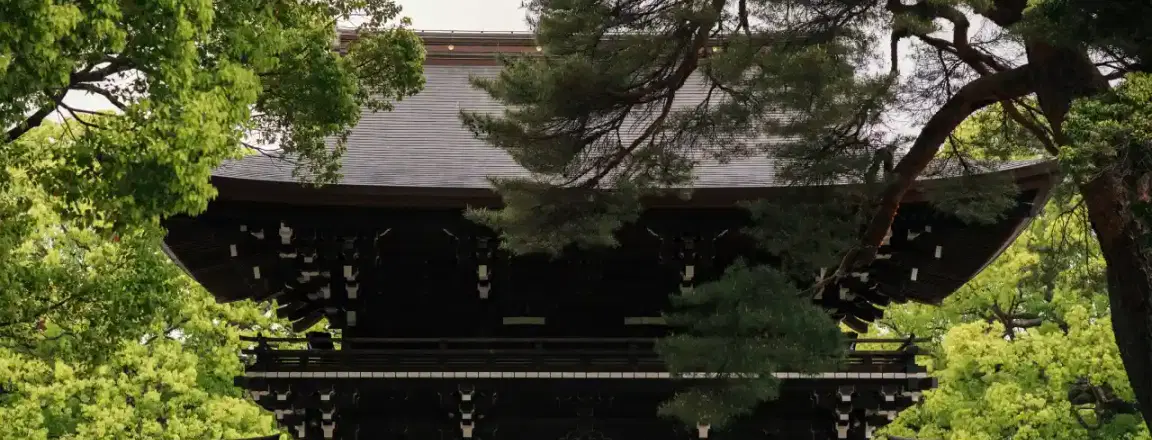
Tokyo is a city where neon skylines and ancient traditions coexist effortlessly. Amid the fashion streets of Harajuku and the urban buzz of Shibuya lies a vast forest sanctuary, Meiji Shrine Tokyo. Dedicated to Emperor Meiji and Empress Shoken, this Shinto shrine offers a rare pause in one of the world’s busiest capitals, making it one of the top attractions in Japan.
In contrast with lavish Buddhist temples in Japan, Meiji Shrine is modest but profoundly meaningful. A cobblestone pathway meanders among more than 100,000 trees donated from across Japan, and enormous wooden torii gates mark the transition from urban life into sacred space. If you are exploring the cultural heart of the capital through a detailed Tokyo travel guide, Meiji Shrine stands as one of the most important spiritual landmarks in Japan.
Also visit: Senso-ji temple.
Meiji Shrine Tokyo History
Meiji Shrine was completed in 1920 to honour Emperor Meiji and Empress Shoken. Emperor Meiji played a very important role in Japan’s transformation during the Meiji Restoration (1868), when the country shifted from feudal isolation to rapid modernisation and global engagement.
Although the original shrine structures were destroyed during World War II, they were carefully rebuilt in 1958 using traditional Shinto architectural methods. Meiji Shrine remains a popular religious destination, drawing millions of visitors each year to make New Year's prayers (Hatsumode). The shrine's architecture is in the nagare-zukuri style, which is common among Shinto shrines. These are modest wooden buildings with copper roofs that are meant to blend in with nature rather than overpower it.
Did you know? The forest surrounding Meiji Shrine was entirely man-made, planted by volunteers from across Japan.
Meiji Shrine Location
- Address: 1-1 Yoyogikamizonocho, Shibuya City, Tokyo 151-8557, Japan
Located between Harajuku and Yoyogi Park, the shrine is easily accessible and pairs well with other major Tokyo attractions.
It combines well with:
- Shibuya Crossing
- Yoyogi Park
- Takeshita Street
Because of its central location, it is often included in curated Japan tour packages, especially for first-time visitors.
What to See Inside Meiji Shrine, Tokyo
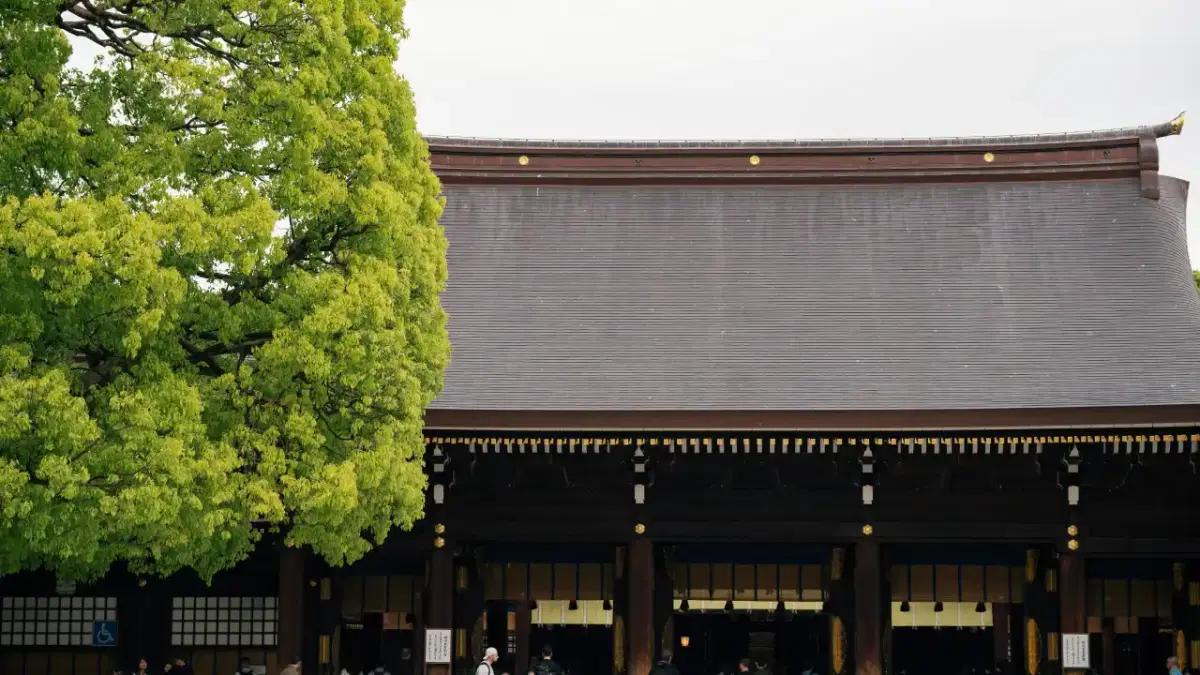
1. The Grand Torii Gates
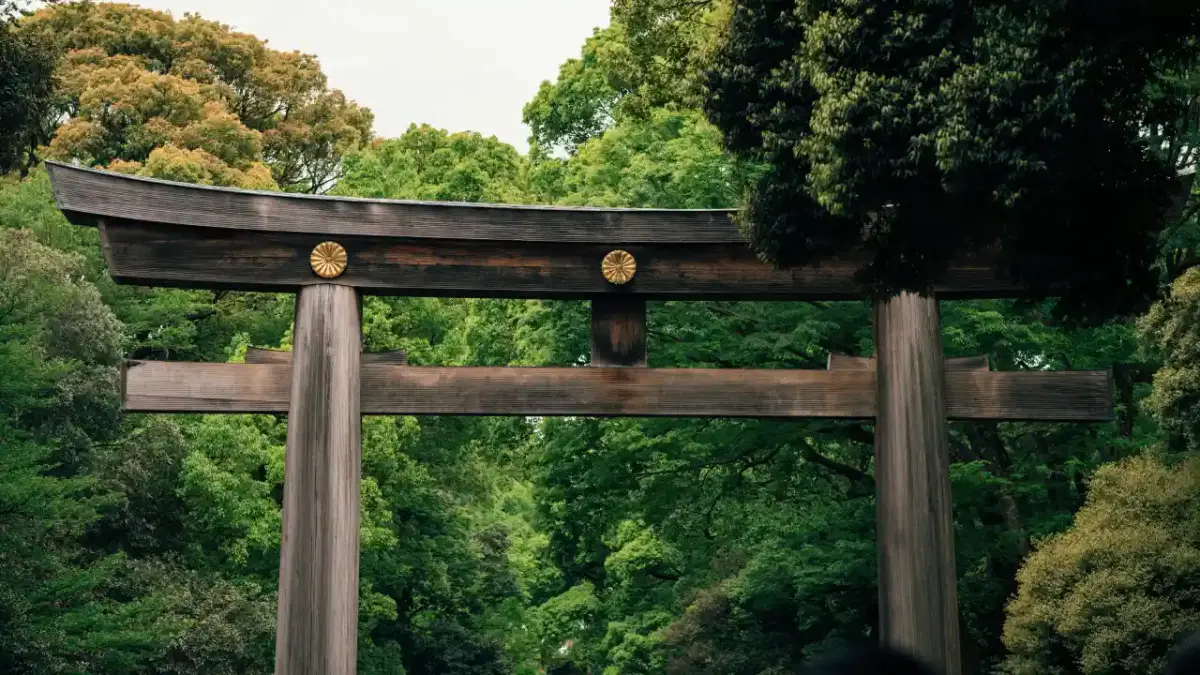
The entry to the sacred place is symbolically marked by the huge wooden torii gates. They are among the biggest in Japan and are made from 1,500-year-old cypress wood. Leaving the secular world behind is symbolised by walking beneath them.
2. The Main Shrine Complex (Honden)
Prayers are offered by guests in the main hall. Here, especially on weekends, you observe traditional Shinto wedding ceremonies. Before entering the hall, guests undergo ceremonial cleaning at the temizuya (water pavilion), creating a calm mood.
3. Sake & Wine Barrel Displays
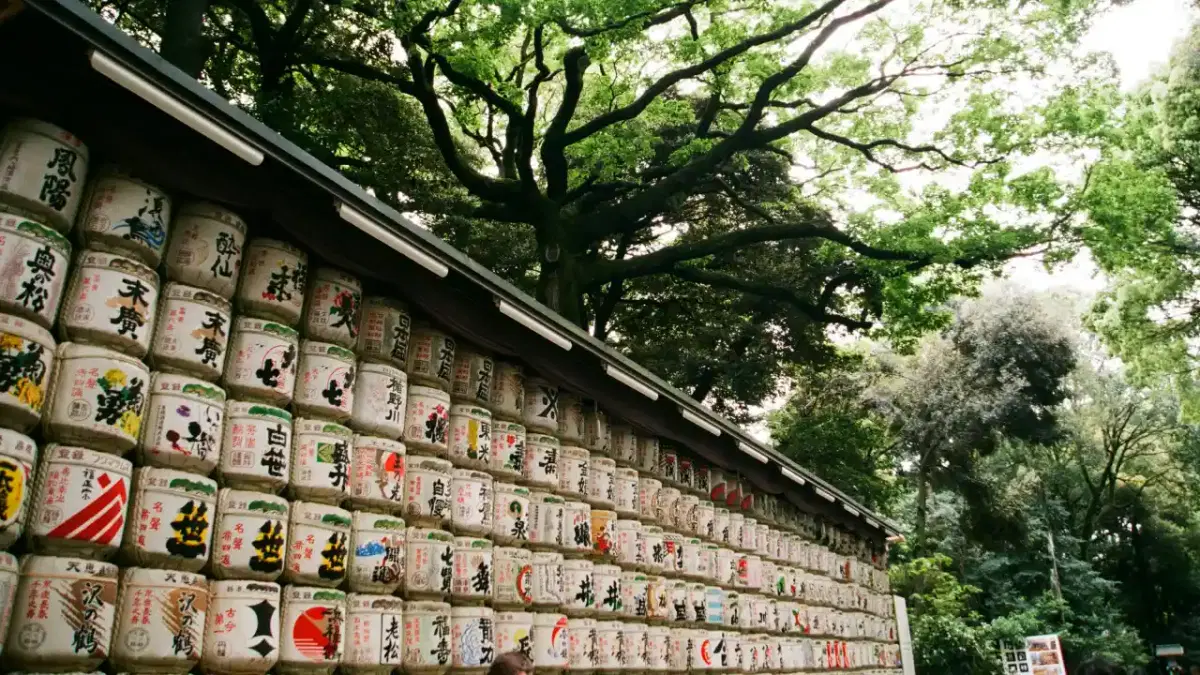
The ornamental wall of sake and French wine barrels, which were donated by brewers throughout Japan to celebrate Emperor Meiji's admiration for Western culture, is one distinctive feature. These exhibits illustrate how tradition and modernity may coexist.
4. Meiji Jingu Inner Garden
The Inner Garden requires a small additional fee and features a tranquil pond and seasonal irises that bloom beautifully in June. It is less crowded than the main courtyard and offers a more intimate experience.
Meiji Shrine Map & Walking Route
- Multiple entry points (Harajuku Station is the most popular)
- Gravel walking path through forested grounds
- Approx. 45–60 minutes for a relaxed visit
- Free main shrine access
- Inner Garden ticketed separately
The walk here is itself a part of the experience; the forest absorbs city noise, creating surprising silence in central Tokyo.
Meiji Shrine Entrance Fee & Opening Hours
Meiji Shrine Ticket
- Main shrine grounds: Free entry
- Inner Garden: ¥500 (₹295 approx.)
Opening Hours
- Sunrise to sunset (timings vary by season)
- Inner Garden typically opens from 9:00 AM
Note: INR conversion approximate; subject to exchange rate fluctuations.
Best Time to Visit Meiji Shrine for Fewer Crowds
Tokyo's weather changes distinctly across seasons, and each brings a different atmosphere to the shrine.
Best Time of Day
- Early morning (before 9:00 AM): Most peaceful
- Late afternoon: Softer light, fewer tour groups
Best Season
- Spring (March–April): Pleasant weather, cherry blossoms nearby
- Autumn (November): Crisp air and subtle foliage
- Winter (January–February): Fewer crowds except the New Year
Avoid visiting during Hatsumode (first week of January) unless you want to experience large-scale cultural celebrations.
Read: Best time to visit Tokyo.
Crowd Expectations
The temple sees a regular inflow of visitors on weekends and public holidays. Due to tour groups and Harajuku tourists, mid-day (11:00 AM–3:00 PM) is usually the busiest time of day. It rarely feels overwhelming, though, because the shrine grounds are large.
Photography is allowed outdoors, but avoid using drones or disturbing ceremonies.
How to Reach Meiji Shrine from Tokyo City Centre
By Train (Recommended)
- Harajuku Station (JR Yamanote Line): 1-minute walk
- Meiji-Jingumae Station (Tokyo Metro): 5-minute walk
Travel time from Shinjuku or Shibuya: 10–15 minutes.
By Taxi
The temple is accessible within 15–25 minutes from most central districts, depending on traffic. Unlike more remote shrines, Meiji Shrine is one of the easiest sacred sites to access in Tokyo.
Also read: Japanese Shinkansen Guide
Where to Eat Near Meiji Shrine
Since Meiji Shrine is located between Harajuku and Shibuya, you’ll find everything from iconic ramen counters to trendy cafés within walking distance. Here are some reliable options you can recommend in your Tokyo travel content:
Ramen & Japanese Comfort Food
- Ichiran Shibuya – Famous for its solo dining booths and rich tonkotsu ramen.
- Afuri Harajuku – Known for its light yuzu-infused ramen (great if you prefer less oily broth).
- Udon Shin – Handmade udon noodles; expect queues during peak hours.
Sushi & Traditional Japanese
- Uobei Shibuya Dogenzaka – Fun conveyor-belt sushi experience, budget-friendly.
- Sushi no Midori Shibuya – High-quality sushi at reasonable prices.
Trendy Harajuku Cafés
- Reissue – Famous for 3D latte art.
- The Roastery by Nozy Coffee – Speciality coffee in a stylish setting.
- Bills Omotesando – Popular for brunch and fluffy pancakes.
Vegetarian & International Options
- Ain Soph. Journey Shinjuku – Fully vegan menu, great for plant-based travellers.
- T's Tantan Ueno – Vegan ramen option (worth the short train ride).
- Gonpachi Shibuya – Izakaya-style dining with vegetarian-friendly dishes.
Tokyo Hotels: Best Options by Budget
Luxury Hotels
- Park Hyatt Tokyo
- The Ritz-Carlton Tokyo
- Aman Tokyo
Best for: Honeymooners, luxury travellers, special occasions.
Mid-Range Hotels
- Shibuya Excel Hotel Tokyu
- Hotel Gracery Shinjuku
- Citadines Central Shinjuku Tokyo
Best for: Couples, families, first-time visitors.
Budget Hotels
- UNPLAN Shinjuku
- Sakura Hotel Hatagaya
- Hotel Mystays Asakusa
Best for: Solo travellers and budget trips.
Note: Meiji Shrine itself has no on-site accommodation.
Check out: Japan in August.
Things to Know Before Visiting Meiji Shrine
- Bow slightly before entering the torii gate.
- Walk on the sides of the path (the centre is symbolically reserved for deities).
- Cleanse hands at the purification fountain.
- Maintain silence during ceremonies.
- Carry small cash if purchasing charms (omamori).
Why Meiji Shrine Is Worth Adding to Your Tokyo Itinerary
Meiji Shrine is not about massive pagodas or extravagant decorations. The simplicity of it is its power. A spiritual stop in the fast-paced beat of Tokyo is created by the tall torii gates, the crunch of gravel beneath your boots, and the peaceful forest canopy. Here, ancient Shinto beliefs and Japan's modern identity coexist.
For first-time visitors to Japan, Meiji Shrine offers insight into the country’s spiritual traditions without leaving the capital. More than a sightseeing stop, it is a cultural immersion, making it a meaningful addition to any thoughtfully planned Japan itinerary.
FAQs
1. Where is Meiji Shrine located?
It is located in Shibuya, central Tokyo, Japan.
2. How much time does it take to explore Meiji Shrine?
Approximately 1 to 1.5 hours, including the Inner Garden.
3. Is there any entry fee for Meiji Shrine?
Main grounds are free; Inner Garden has a small fee (¥500).
4. Can you attend ceremonies at Meiji Shrine?
Yes, visitors may witness Shinto weddings, but participation is limited to invited guests.
5. What is Meiji Shrine famous for?
It honours Emperor Meiji and symbolises Japan’s transition into modernity.
6. Is Meiji Shrine family-friendly?
Yes, the walking paths are easy and suitable for all ages.
7. What is the best season to visit Meiji Shrine?
Spring and autumn offer the most pleasant weather.
8. Is Meiji Shrine worth visiting?
Absolutely. It offers cultural depth and tranquillity in the heart of Tokyo.
9. How far is Meiji Shrine from Shibuya Crossing?
Around 10–15 minutes by train or 20–25 minutes on foot.