
11 Fascinating Hornbill Facts: Everything You Need to Know About Malaysia’s Iconic Bird
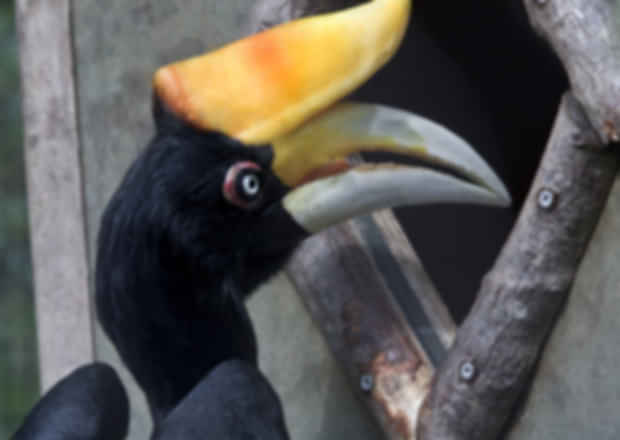
Curious about these remarkable rainforest birds and what makes them so unique? Hornbills are among Malaysia’s most iconic wildlife species, known for their colourful casques, large curved bills, and fascinating nesting habits. In this guide, discover 11 facts about hornbill that reveal their behaviour, habitat, and important role in rainforest ecosystems. Found across Malaysia’s tropical forests, these birds help maintain biodiversity by dispersing seeds and supporting forest regeneration, making them an integral part of Malaysia tourism for wildlife and nature enthusiasts. Whether you’re a wildlife enthusiast, a birdwatcher, or planning a nature-filled holiday, these insights will help you understand why hornbills are such a treasured part of Malaysia’s natural heritage and why protecting them matters.
Hornbill at a Glance
| Feature | Details |
|---|---|
| Scientific family | Bucerotidae |
| Habitat | Tropical rainforests, woodlands and savannas, depending on species |
| Distribution | Asia and Africa |
| Common Malaysian species | Rhinoceros Hornbill, Oriental Pied Hornbill, Black Hornbill |
| Diet | Mainly fruits, also insects, reptiles and small animals |
| Lifespan | 35 to 50 years, depending on species |
| Conservation status | Varies by species |
What is a Hornbill?
Hornbills are large tropical birds recognised by their long, curved bills and the distinctive casque, a hollow structure found on many species. They are mainly found in the forests of Asia and Africa, where they feed primarily on fruits and also on insects, reptiles, and other small animals. Malaysia is home to several hornbill species, making it one of the best destinations in Southeast Asia for birdwatching and wildlife experiences and a compelling reason to visit Malaysia for nature lovers.
Here are the 11 facts about hornbills
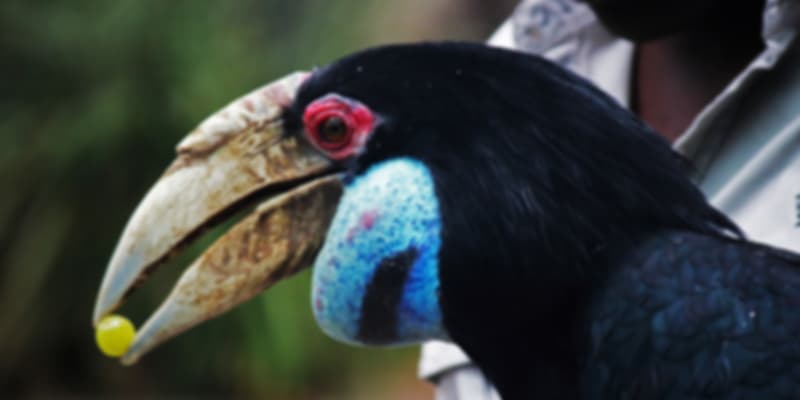
Colourful Hornbill
Hornbill
Hornbill is one of the exotic animals that are found on the earth. They are majorly found in subtropical Africa, Asia and Melanesia. The Biological name of the Hornbill is the Bucerotidae. They are the only birds where their first and second vertebrae are fused together.
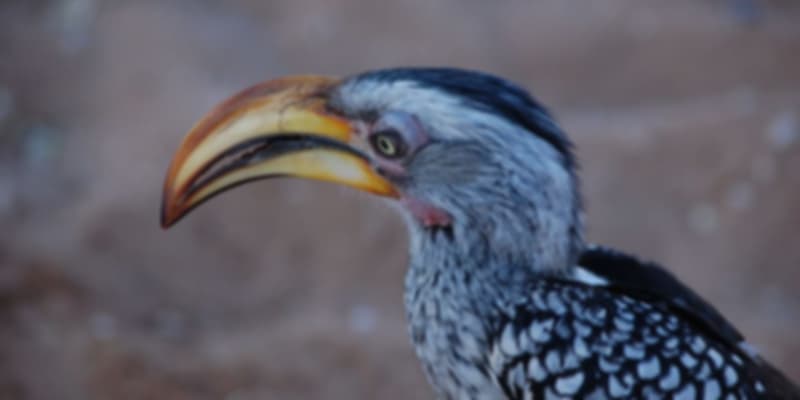
The Hornbill
11 Facts about Hornbill
1. Hornbills Have Exceptionally Strong Necks
Hornbills have unusually strong necks because their first and second neck vertebrae are fused together. This unique adaptation helps support their large, heavy bills and allows them to forage, carry food, and move comfortably through dense forest canopies.
2. The Rhinoceros Hornbill is an Iconic Symbol of Sarawak
The Rhinoceros Hornbill is the official state bird of Sarawak, which is often referred to as the “Land of Hornbills”. Several hornbill species inhabit Sarawak’s tropical rainforests, making these birds an important part of the state’s culture, traditions, and identity.
3. Hornbills Live in Family Groups
Hornbills are highly social birds that often travel in pairs or small family groups. Some species even gather in larger flocks while searching for food or moving between forest habitats. Staying together helps them protect their young and communicate more effectively.
4. Hornbills Share Unique Relationships with Other Wildlife
Hornbills play an important role in rainforest ecosystems. They help disperse seeds by eating fruits and spreading seeds across the forest. In some forests, researchers have also observed hornbills and monkeys benefiting from each other’s presence by alerting one another to potential dangers.
5. Female Hornbills Nest Inside Sealed Tree Cavities
One of the most fascinating hornbill behaviours is their nesting strategy. The female seals herself inside a natural tree cavity using mud, fruit pulp, and droppings, leaving only a narrow slit through which the male delivers food. This helps protect the eggs and chicks from predators until they are ready to leave the nest.
6. Male Hornbills Spend Months Caring for Their Families
During the nesting period, the male hornbill becomes the family’s primary provider. He gathers fruits and other food every day and delivers them to the female and chicks through the narrow opening in the nest until they are strong enough to emerge.
7. Every Hornbill Species Has a Distinctive Call
Each hornbill species produces unique calls that help them communicate with mates and other members of their group. From deep booming sounds to loud clucking calls, these vocalisations play an important role in locating one another within dense rainforests.
8. Hornbills Can Carry Large Amounts of Food
Hornbills have large bills and expandable throat pouches that allow them to carry multiple fruits during a single trip. This ability is especially useful during nesting, when males must repeatedly transport food to the female and chicks.
9. Hornbills Communicate Through Wing Sounds
Apart from vocal calls, hornbills also communicate through the distinctive sound produced by their wing beats during flight. These sounds help birds recognise one another even when visibility is limited by the dense rainforest canopy.
10. Their Powerful Bills Have Multiple Uses
Hornbills use their impressive bills for much more than feeding. They climb branches, collect nesting materials, defend themselves, and break open fruits using their strong, curved bills.
11. Every Hornbill Species Has Unique Features
There are more than 60 hornbill species around the world, each with distinctive colours, casque shapes, and bill sizes. These differences help scientists identify species and reflect adaptations to different habitats and diets.
Different Hornbill Species Found in Malaysia
| Species | Common Habitat |
|---|---|
| Rhinoceros Hornbill | Sarawak & Sabah |
| Great Hornbill | Peninsular Malaysia |
| Oriental Pied Hornbill | Coastal forests & mangroves |
| Black Hornbill | Borneo rainforests |
| Bushy-crested Hornbill | Lowland forests |
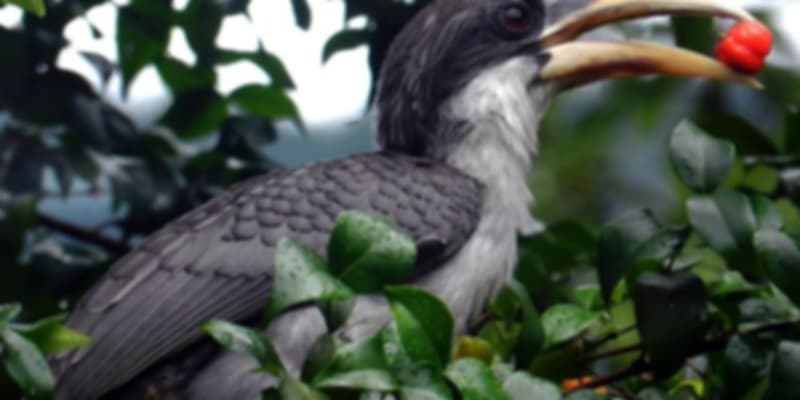
Close up view of Hornbill
Best Places to See Hornbills in Malaysia
Malaysia’s protected rainforests provide some of the best places to visit in Malaysia to see hornbills in their natural habitat. If you’re hoping to spot these magnificent birds, don’t miss these top wildlife destinations:
- Kinabatangan River, Sabah: Famous for river safaris and excellent hornbill sightings alongside orangutans and pygmy elephants.
- Bako National Park, Sarawak: Home to several hornbill species that can often be seen flying above the rainforest canopy.
- Gunung Mulu National Park, Sarawak: A UNESCO World Heritage Site known for its rich biodiversity and thriving hornbill population.
- Danum Valley Conservation Area, Sabah: One of Malaysia’s best-preserved rainforests, offering exceptional opportunities for birdwatching.
- Belum Rainforest, Perak: An ancient rainforest where hornbills are frequently spotted during guided nature walks and boat tours.
- Taman Negara National Park: Malaysia’s oldest rainforest and a popular destination to observe hornbills and other native wildlife.
For the best wildlife-viewing experience, join an early morning guided nature tour when hornbills are most active.
Best Time to Spot Hornbills
Hornbills are most active during the early morning and late afternoon when they search for food. Visiting many regions during drier months in Malaysia in october and march, and exploring protected rainforests with experienced guides can greatly improve your chances of spotting different hornbill species.
Are Hornbills Endangered?
While some hornbill species remain relatively common, others face threats from habitat loss, deforestation, and illegal wildlife trade. Protected forests, conservation programmes, and responsible tourism play an important role in safeguarding these remarkable birds for future generations.
Tips for Spotting Hornbills in Malaysia
- Visit national parks early in the morning when hornbills are most active.
- Carry binoculars for a better view of birds in the forest canopy.
- Wear neutral-coloured clothing to avoid disturbing wildlife.
- Join a guided birdwatching tour to improve your chances of spotting different species.
- Respect protected habitats and avoid feeding wild birds.
Conclusion:
Whether you’re fascinated by wildlife or planning a nature-focused trip, these 11 facts about the hornbill showcase why these remarkable birds are among Malaysia’s greatest natural treasures. From their unique nesting habits to their vital role in rainforest ecosystems, hornbills are truly one of a kind. Spotting them in the wild offers a deeper appreciation of Malaysia’s biodiversity and highlights the importance of conserving these iconic birds for future generations. We at Pickyourtrail give you the best customisable honeymoon packages to Malaysia. You can take the help of the travel assistant to make the best Malaysian holiday packages for your tour.
FAQs
1. What are some fun facts about hornbills?
Some fun facts about hornbills include their colourful casques, strong curved bills, and unusual nesting behaviour. They also help forests grow by spreading seeds as they feed on fruits.
2. What is unique about the hornbill bird?
The hornbill bird is unique because many species have a casque on top of their bill and females seal themselves inside tree cavities while nesting. This behaviour helps protect their eggs and chicks.
3. Why is it called a hornbill?
The hornbill gets its name from the horn-like casque found on top of its large bill. Although it looks heavy, the casque is hollow in many species.
4. What is a short note on a hornbill?
A hornbill is a large tropical bird found in Asia and Africa, recognised for its curved bill and colourful casque. It plays an important role in maintaining healthy rainforest ecosystems by dispersing seeds.
5. Where can you see hornbills in Malaysia?
You can see hornbills in Malaysia in protected rainforests such as the Kinabatangan River, Bako National Park, Taman Negara, and Danum Valley. Early morning wildlife tours offer the best chances of spotting them.
6. What do hornbills eat?
Hornbills mainly eat fruits, but they also feed on insects, reptiles, and other small animals. Their fruit-based diet helps spread seeds throughout the rainforest.
7. Why are hornbills important to rainforest ecosystems?
Hornbills are important to rainforest ecosystems because they disperse seeds while feeding on fruits. This helps forests regenerate and supports biodiversity.
Explore Malaysia with Our Best-Selling Tour Packages
Malaysia Family Trip Packages | Malaysia Budget Holiday Packages | Malaysia Luxury Vacation Packages
Discover More Articles Related to Malaysia
Myr Ringgit | Singapore vs Malaysia | Malaysia in December | Tea Plantations of Malaysia | Indian Restaurants Malaysia | Reasons to Visit Malaysia

Recommended articles for you









Discover Packages




















Need help in planning?
Talk to our Travel Experts