
Festivals in Europe: Guide to The Most Famous Festivals (2026 Guide)
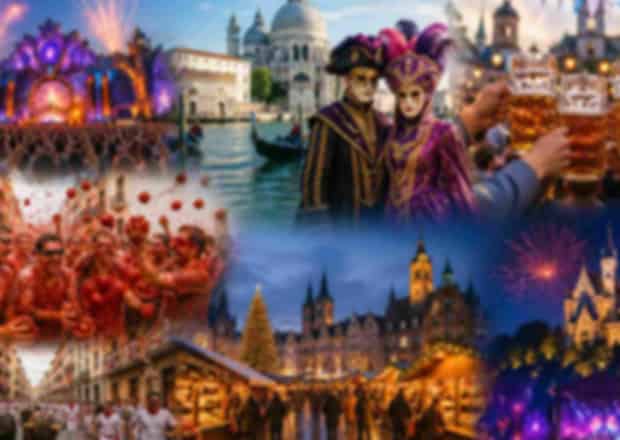
Festivals in Europe are more than just events; they’re immersive cultural experiences that bring cities to life. From high-energy music festivals and centuries-old traditions to food celebrations and winter markets, Europe offers something for every kind of traveller.
But here’s what most travellers get wrong: choosing a festival isn’t just about popularity, it’s about timing, travel style, and the kind of experience you want. If planned right, attending festivals in Europe can completely transform your trip from sightseeing to something unforgettable, especially when you align your itinerary with well-designed Europe tour packages that cover multiple destinations seamlessly.
Festivals in Europe at a Glance
| Festival | Country | Month | Type |
|---|---|---|---|
| Tomorrowland | Belgium | July | Music |
| Oktoberfest | Germany | Sep–Oct | Cultural |
| Venice Carnival | Italy | Feb | Cultural |
| La Tomatina | Spain | August | Fun |
| Running of the Bulls | Spain | July | Traditional |
| Cannes Film Festival | France | May | Film |
| Edinburgh Festival Fringe | Scotland | August | Arts |
| St. Patrick’s Festival | Ireland | March | Cultural |
| Christmas Markets | Germany, Austria | Dec | Festive |
Types of Festivals in Europe
Europe’s festival scene is incredibly diverse, and understanding the types of festivals can help you plan better:
- Music Festivals: Tomorrowland, Sziget
- Cultural Festivals: Venice Carnival, St. Patrick’s Festival
- Food & Drink Festivals: Oktoberfest, wine harvest festivals
- Seasonal Festivals: Christmas markets, winter celebrations
Choosing the right type ensures your trip matches your travel style.
Best Festivals in Europe You Must Experience
Tomorrowland, Belgium – The Biggest Music Festival in Europe
Tomorrowland isn’t just a music festival; it’s a full-blown fantasy world. Think massive stage designs that look like something out of a movie, global DJs performing back-to-back, and a crowd that feels like one big international community. For many travellers, this is a bucket-list experience that goes far beyond music.
The atmosphere is electric from morning till late night, with themed stages, immersive visuals, and a level of production that’s hard to match anywhere else in the world.
- Best time to visit: July
- Best for: Music lovers, solo travellers, and high-energy experiences
- What makes it special: World-class production, global crowd, once-in-a-lifetime vibe
- Tip: Tickets sell out within minutes—plan and register months in advance
Oktoberfest, Germany – The Ultimate Cultural Celebration
Oktoberfest in Munich is one of the most iconic festivals in Europe, but it’s far more than just beer. It’s a celebration of Bavarian culture, complete with traditional music, lively beer tents, local food, and an atmosphere that feels both festive and deeply rooted in tradition.
Walking into a beer tent during Oktoberfest is an experience in itself—long wooden tables, people singing together, servers carrying multiple beer steins, and an energy that’s impossible to replicate.
- Best time to visit: Late September to early October
- Best for: Cultural travellers, groups, and social experiences
- What makes it special: Authentic traditions, lively atmosphere, community feel
- Tip: Reserve tables in advance if you want a guaranteed spot
Venice Carnival, Italy – A Living Fairytale
The Venice Carnival transforms the entire city into a stage of elegance and mystery. People dressed in elaborate masks and historical costumes walk through narrow alleys and grand squares, creating an atmosphere that feels almost surreal.
What makes this festival truly special is how seamlessly it blends into the city itself. You’re not just attending an event—you’re part of a centuries-old tradition that unfolds around you.
- Best time to visit: February
- Best for: Couples, photographers, and culture lovers
- What makes it special: Iconic masks, historic setting, artistic expression
- Tip: Attend early morning or late evening to avoid peak crowds
La Tomatina, Spain – Pure Chaos and Fun
La Tomatina is one of the most unconventional festivals in Europe—and that’s exactly what makes it so memorable. Held in the small town of Buñol, this festival brings thousands of people together for a massive tomato fight.
It’s messy, chaotic, and incredibly fun. But beyond the tomatoes, it’s about the shared energy and the sense of letting go completely.
- Best time to visit: August
- Best for: Young travellers, groups, and fun-seekers
- What makes it special: Unique concept, high-energy atmosphere
- Tip: Wear goggles and clothes you’re okay throwing away
Running of the Bulls, Spain – Tradition Meets Adrenaline
Held during the San Fermín festival in Pamplona, the Running of the Bulls is one of the most intense and controversial festivals in Europe. While the main event is the run itself, the festival includes parades, music, and celebrations throughout the city.
Even if you don’t participate, witnessing the atmosphere and energy of the event is an experience in itself.
- Best time to visit: July
- Best for: Adventure seekers and cultural enthusiasts
- What makes it special: Historic tradition, high-energy environment
- Tip: Prioritise safety and observe if you’re unsure about participating
Cannes Film Festival, France – Glamour and Prestige
The Cannes Film Festival represents the more refined side of festivals in Europe. It’s where cinema, fashion, and luxury come together, attracting celebrities, filmmakers, and global media.
Even if you don’t attend screenings, the city itself becomes a spectacle, with red carpets, yachts, and an unmistakable buzz in the air.
- Best time to visit: May
- Best for: Film enthusiasts, luxury travellers
- What makes it special: Global prestige, celebrity presence
- Tip: Book accommodations well in advance, as prices surge
Edinburgh Festival Fringe, Scotland – Creativity at Its Peak
The Edinburgh Festival Fringe is the world’s largest arts festival, and it completely transforms the city. Streets fill with performers, theatres host back-to-back shows, and every corner feels alive with creativity.
What makes this festival unique is its openness; anyone can perform, which means you’ll discover everything from brilliant performances to unexpected hidden gems.
- Best time to visit: August
- Best for: Art lovers, solo travellers, and culture seekers
- What makes it special: Variety, spontaneity, creative energy
- Tip: Mix planned shows with spontaneous discoveries
St. Patrick’s Festival, Ireland – Culture with Energy
St. Patrick’s Festival in Dublin is a vibrant celebration of Irish culture, filled with parades, music, dance, and community spirit. The city turns green, literally and figuratively, and the atmosphere is incredibly welcoming.
It’s one of the easiest festivals to enjoy, especially for first-time visitors, as the celebrations are spread across the city and accessible to everyone.
- Best time to visit: March
- Best for: Cultural immersion and social travellers
- What makes it special: Friendly vibe, strong cultural identity
Christmas Markets, Central Europe – The Most Magical Winter Experience
Christmas markets across Germany and Austria are among the most enchanting festivals in Europe. Wooden stalls, fairy lights, festive music, and the smell of mulled wine create an atmosphere that feels straight out of a movie.
Cities like Vienna and Munich become winter wonderlands, offering a slower, more intimate travel experience.
- Best time to visit: Late November to December
- Best for: Couples, families, and winter travellers
- What makes it special: Cosy atmosphere, festive charm
- Tip: Visit multiple cities for varied market experiences
Also Read: Best places to spend Christmas in Europe
Festival Budget Comparison Table (Approx. Per Person)
| Festival | Entry Cost | Accommodation (Per Night) | Daily Food & Spend | Overall Budget Range |
| Tomorrowland | ₹22,500–₹36,000 | ₹12,000–₹25,000 | ₹5,000–₹8,000 | ₹60,000–₹1,20,000+ |
| Oktoberfest | Free entry | ₹15,000–₹35,000 | ₹6,000–₹10,000 | ₹50,000–₹1,00,000 |
| Carnival of Venice | Mostly free | ₹10,000–₹20,000 | ₹4,000–₹7,000 | ₹35,000–₹70,000 |
| La Tomatina | ₹1,080–₹1,350 | ₹8,000–₹15,000 | ₹3,000–₹5,000 | ₹25,000–₹50,000 |
| Christmas Markets | Free entry | ₹9,000–₹18,000 | ₹3,000–₹6,000 | ₹30,000–₹60,000 |
*Flights excluded
Best Time to Experience Festivals in Europe
The best time to visit Europe to experience its festivals is as follows:
- Spring (Mar–May): Cultural festivals, pleasant weather
- Summer (Jun–Aug): Music festivals and outdoor events
- Autumn (Sep–Oct): Food and beer festivals
- Winter (Nov–Dec): Christmas markets and festive experiences
Summer is peak festival season, but winter offers a completely different charm.
How to Plan a Festival Trip in Europe
Planning around festivals requires more attention than regular travel.
- Book tickets and accommodation early
- Stay close to festival venues
- Check exact dates (they vary each year)
- Plan transport in advance
- Balance festivals with sightseeing
If you want a smoother experience, exploring curated Europe tour packages can help you align your itinerary with festival dates efficiently.
Cost of Attending Festivals in Europe
Costs vary depending on the festival and the overall experience you choose:
- Budget festivals: €0–€50 (₹0 – ₹4,500)
(Free events, local festivals, public celebrations) - Mid-range festivals: €50–€200 (₹4,500 – ₹18,000)
(Ticketed cultural events, smaller music festivals) - Premium festivals: €300+ (₹27,000+)
(Large-scale events like Tomorrowland, exclusive experiences)
Keep in mind: Accommodation, flights, and local transport often cost significantly more than the festival ticket itself, especially during peak festival dates.
Tips to Enjoy the Best Festivals in Europe Like a Pro
- Book early: For popular festivals like Tomorrowland and La Tomatina, reserve stays 8–10 weeks in advance to avoid 40–60% price hikes.
- Stay close to the venue: Saves travel time and lets you enjoy late nights without worrying about long commutes.
- Check official details: Review schedules, entry rules, and local traditions in advance to avoid surprises.
- Balance your itinerary: Mix festival days with relaxed sightseeing or café hopping to avoid burnout.
- Pack smart: Comfortable shoes, weather-appropriate clothing, and a light day bag are essential for long hours.
Common Mistakes to Avoid
- Choosing festivals without checking dates
- Booking late (prices increase significantly)
- Ignoring location logistics
- Overpacking your itinerary
Final Takeaway
Festivals in Europe aren’t just events; they’re moments that define your travel experience. Whether it’s dancing at Tomorrowland, sipping beer at Oktoberfest, or walking through a Christmas market, these experiences stay with you long after your trip ends. The key is simple: choose wisely, plan early, and align your itinerary with the right festivals. If done right, your Europe trip won’t just be a vacation; it will be an experience you’ll never forget.
FAQs
The best festivals in Europe include Tomorrowland (Belgium), Carnival of Venice (Italy), Oktoberfest (Germany), La Tomatina (Spain), and Christmas markets across Central Europe.
Spring brings colourful parades, summer hosts music festivals, autumn has wine and food festivals, and winter features Christmas markets.
Top music festivals in Europe include Tomorrowland (Belgium), Sziget Festival (Hungary), and Glastonbury (England).
The Carnival of Venice, Oktoberfest, and La Mercè in Barcelona showcase Europe’s rich cultural traditions.
Book early, stay near festival locations, check schedules, and wear comfortable shoes for long festival days.

Recommended articles for you









Discover Packages










Europe City Packages
Packages By Departure City
Packages By Theme
Packages By Duration
Europe Combo Packages
Europe Nearby Destinations

Need help in planning?
Talk to our Travel Experts