
Historical Sites in Bali: A Complete Guide to Temples, Palaces & Cultural Landmarks
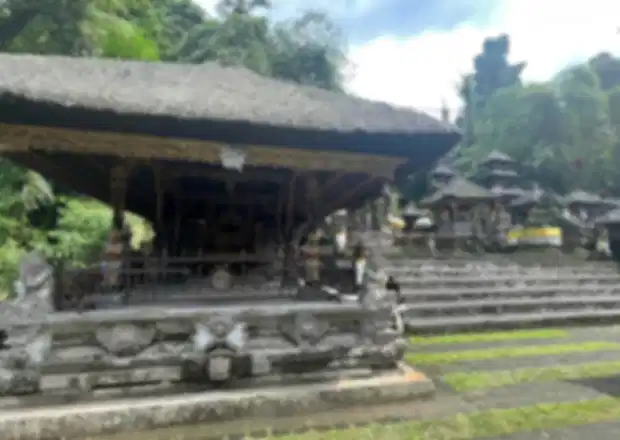
Many travellers visit Bali for its beaches and sunsets, but the island’s most fascinating stories are hidden in places built centuries ago. The Bali historical sites reveal a different side of the island, where ancient temples, royal palaces and sacred landmarks showcase its deep cultural roots and spiritual traditions. For travellers planning their holiday through Bali tour packages, exploring these historical landmarks offers a chance to experience the island beyond its beaches and nightlife. This guide will help you discover the best historical places in Bali, including what makes each site special and the best way to explore them. From famous temples like Besakih and Uluwatu to ancient caves, water palaces, and UNESCO heritage sites, this guide covers their history, entry fees, best visiting times, and travel tips.
Top Historical Places in Bali at a Glance
| Historical Site | Famous For | Best Time to Visit | Entry Fee (IDR) | Entry Fee (INR approx.) |
| Besakih Temple | Bali’s Mother Temple | Early morning | IDR 150,000 | ₹1,605 |
| Tanah Lot Temple | Sea temple & sunset | Late afternoon | IDR 75,000 | ₹803 |
| Uluwatu Temple | Cliffside temple & Kecak Dance | Sunset | IDR 50,000 | ₹535 |
| Tirta Empul Temple | Holy water purification | Early morning | IDR 75,000 | ₹803 |
| Goa Gajah | Ancient Elephant Cave | Morning | IDR 50,000 | ₹535 |
| Ubud Palace | Royal residence | Evening | Free | Free |
Best Bali Historical Sites to Visit
- Ubud Palace (Puri Saren Agung): Historic Royal Palace in Bali
Ubud Palace is one of the most important historical places in Bali. Built in the 1800s, it served as the official residence of the royal family of Ubud and continues to be a central landmark in the town today. During the 1930s, Ubud Palace helped shape the island’s art scene. The royal family welcomed Western artists, turning Ubud into one of Bali’s most famous cultural destinations.
- Entry fee: Free; Legong Dance show (7:30 PM): IDR 100,000 (~₹540).
- Best time to visit: Evening for performances
- Things to do: Watch a traditional Legong Dance, admire intricate stone carvings, and capture beautiful photos of the royal courtyards.
- Tirta Empul Temple: Bali’s Sacred Holy Water Temple
The Tirta Empul Temple, founded in 926 AD during the Warmadewa Dynasty, is tied to the legend of God Indra creating a spring to heal his poisoned army. The temple is built around a natural spring in Tampaksiring and remains an important place for Balinese Hindu rituals. Visitors can take part in the traditional purification ritual at the sacred spring. If you wish to participate, you must rent a specific “Melukat sarong” (approx. IDR 25,000 / ~₹240) at the rental counter inside.
- Entry fee: IDR 75,000 (~₹410) for adults & IDR 50,000 (~₹270) for children.
- Best time to visit: Early morning
- Things to do: Take part in the holy water purification ritual, observe local prayer ceremonies, and learn about Balinese Hindu traditions.
- Goa Gajah (Elephant Cave): Ancient Archaeological Site in Bali
Goa Gajah is an archaeological site located near Ubud. The site reflects both Hindu and Buddhist influences from Bali’s past. The site features both 9th-century Hindu carvings and 11th-century Buddhist relics in its lower garden area. It serves as a destination for meditation and spiritual practices. The cave entrance features detailed carvings of mythical figures and protective symbols. The complex includes a bathing pool, a statue of Lord Shiva and a serene garden.
- Entry fee: IDR 50,000 (~₹270).
- Best time to visit: Morning
- Things to do: Admire the ancient cave carvings, meditate in the peaceful surroundings, and photograph the historic bathing pools.
- Besakih Temple: Bali’s Largest and Holiest Temple
The Besakih Temple dates back to prehistoric times. It is perched on the slopes of Mount Agung, Bali’s highest volcano. Besakih famously survived the 1963 eruption of Mount Agung, with lava flows stopping just metres from its gates. Also known as the ‘Mother Temple’ of Bali, this complex consists of 86 separate temples, which makes it the largest temple complex. The temple showcases traditional Balinese architecture with tiered shrines, detailed carvings, and beautiful views of Mount Agung.
- Entry fee: IDR 150,000 (~₹815), which includes a mandatory local guide, a sarong rental and a one-time electric shuttle bus to the main entrance.
- Best time to visit: Early morning (before 9:00 AM) for the best view of Mount Agung.
- Things to do: Enjoy panoramic views of Mount Agung, learn about Bali’s spiritual traditions, and admire the temple’s unique architecture.
- Taman Ayun Temple: UNESCO-Listed Royal Temple in Bali
Taman Ayun Temple is an architectural masterpiece, built in 1634 by the King of Mengwi. The temple reflects Hindu beliefs through its courtyards, traditional shrines, and carefully designed gardens. Several ponds with lotus flowers surround the temple complex. The temple is a UNESCO World Heritage Site, and it served as the spiritual centre for the Mengwi Kingdom.
- Entry fee: IDR 30,000 (~₹165), which includes sarong rental.
- Best time to visit: Morning or late afternoon
- Things to do: Walk through the landscaped gardens, admire the multi-tiered shrines, and photograph the lotus ponds.
- Uluwatu Temple: Cliffside Sea Temple with Sunset Views
Although it began as a small shrine in the 11th century, the famous Javanese sage Dang Hyang Nirartha expanded Uluwatu Temple, one of Bali’s most dramatic sea temples. There exists a strong belief that he reached Moksha (spiritual liberation) at this very spot, making it one of the six key temples that protect Bali from evil sea spirits. It is famous for its 70-metre-high cliff overlooking the Indian Ocean, making it one of Bali’s best sunset spots. In the evenings, the temple hosts traditional Balinese dances that illustrate the story of the Ramayana through intricate movements and chanting. The sunset views and traditional Kecak Dance make Uluwatu a memorable cultural experience in Bali.
- Entry fee: IDR 50,000 (~₹275) for the temple; IDR 150,000 (~₹815) for the Kecak Dance performance, which is at 6:00 PM, but arrive earlier, by 4:30 PM, to secure a ticket, as they frequently sell out.
- Best time to visit: Morning or late afternoon
- Things to do: Watch the famous Kecak Dance, enjoy a breathtaking sunset, and photograph the dramatic cliffside views.
- Tanah Lot Temple: Famous Sea Temple for Sunset Views in Bali
The Tanah Lot Temple is one of the most iconic sea temples that is set on a rock, founded in the 16th century by the priest Dang Hyang Nirartha. It is believed that he chose this rock after seeing its beauty and used his sash to create poisonous sea snakes to protect the base. It remains a cornerstone of the seven sea temples that ring the Balinese coast. Its unique location on a rock formation and beautiful sunset views attract travellers from around the world. As of 2026, new walkways are ready to manage the high volume of sunset visitors. The temple combines ocean views, local legends, and Balinese traditions, making it a must-visit place in Bali.
- Entry fee: IDR 75,000 (~₹410) for adults.
- Best time to visit: Early morning or late afternoon. Check the tide schedule; low tide allows you to walk to the base of the rock.
- Things to do: Watch the sunset over the sea, walk to the temple during low tide, and photograph the iconic rock formation.
- Gunung Kawi Temple: Ancient Rock-Cut Temple Complex
Gunung Kawi Temple is an ancient Hindu temple complex, constructed in the 11th century. The temple complex is nestled in the lush Pakerisan River valley near Tampaksiring in Bali. It features ten towering statues or ‘Candis’, which depict the royal family of the Udayana dynasty, that are carved into the face of a rock cliff. Visitors must descend more than 300 steps through scenic rice terraces to reach the temple in the river valley.
- Entry fee: IDR 75,000 (~₹410), which includes a sarong/sash.
- Best time to visit: Early morning
- Things to do: Climb the scenic stone steps, admire the ancient rock-cut shrines, and enjoy views of the surrounding rice terraces.
- Klungkung Palace: Historic Royal Palace of Semarapura
Klungkung Palace (Kertha Gosa Pavilion) in Bali is a historic royal complex. Once the palace of the highest king in Bali, this palace was then the site of ritual mass suicide (Puputan) in 1908, where the royal family, instead of surrendering to the Dutch, chose death. The famous Kertha Gosa ceiling paintings show stories about justice, karma, and Balinese beliefs from centuries ago. It is renowned for its traditional Balinese architecture. Today, it remains an important reminder of Bali’s royal past.
- Entry fee: IDR 50,000 (~₹270)
- Best time to visit: Early morning or late afternoon
- Things to do: Admire the traditional ceiling paintings, learn about Bali’s royal history, and photograph the historic architecture.
10. Pura Ulun Danu Bratan: Bali’s Famous Lake Temple
Built in 1633, Pura Ulun Danu Bratan is one of the island’s most iconic water temples. The temple is located on the misty shores of Lake Bratan and honours Dewi Danu, the goddess of lakes, rivers and irrigation. It is the centre for Bali’s ancient Subak irrigation system, which has managed the island’s water and rice terraces for over a thousand years. Surrounded by mountains and the calm waters of Lake Bratan, the temple is one of Bali’s most scenic cultural landmarks.
- Entry fee: IDR 75,000 (~₹410) on weekdays; IDR 100,000 (~₹560) on weekends for foreign tourists.
- Best time to visit: Early morning or late afternoon
- Things to do: Enjoy lakeside photography, admire the mountain scenery, and experience the cool highland atmosphere.
11. Tirta Gangga & Ujung Water Palace: Royal Water Gardens of Bali
Tirta Gangga and Ujung Water Palace are two of the most iconic royal water gardens in Bali. These royal water gardens were the projects of the last King of Karangasem in the early 20th century, blending Balinese, Chinese, and European styles into a modern royal landscape. These royal gardens feature peaceful water ponds, stone carvings, and designs inspired by Balinese and Indian traditions. Tirta Gangga is renowned for its holy spring water and stepping-stone ponds, while Ujung Water Palace (Taman Ujung) features expansive pools, elegant bridges and panoramic views of Mount Agung and the Indian Ocean.
- Entry fee: IDR 90,000 (~₹485) for Tirta Gangga and IDR 75,000 (~₹410) for Ujung water palace
- Best time to visit: Early morning or late afternoon
- Things to do: Walk across the famous stepping stones, feed the koi fish, and enjoy peaceful garden photography.
Historical Places in Bali Map: Location Guide
Since these historical sites are spread across Bali, knowing their locations helps you plan your route and save travel time.
- Central Bali includes Ubud Palace, Goa Gajah, Tirta Empul, and Gunung Kawi, making it the best region for culture, temples, and heritage sightseeing.
- East Bali features Besakih Temple, Tirta Gangga, Ujung Water Palace, and Klungkung Palace, which are ideal for a scenic and historical day trip.
- West/Central-West Bali includes Tanah Lot Temple, a popular stop known for its sea views and sunset setting.
- South Bali includes Uluwatu Temple, which is best known for its cliffside location and dramatic ocean views.
Best Historical Sites in Bali by Travel Style
| If You Want | Visit |
| Spiritual experience | Tirta Empul Temple |
| Sunset views | Tanah Lot Temple |
| Royal history | Ubud Palace |
| UNESCO heritage | Taman Ayun Temple |
| Ancient architecture | Goa Gajah |
| Mountain scenery | Besakih Temple |
| Photography | Ulun Danu Bratan |
| Peaceful gardens | Tirta Gangga |
Tips for Visiting Historical Sites in Bali
- Wear modest clothing that covers your shoulders and knees.
- Carry cash for entry tickets and sarong rentals.
- Visit popular temples early in the morning to avoid crowds.
- Respect religious ceremonies and avoid entering restricted areas.
- Carry water, sunscreen, and comfortable walking shoes.
- Always ask before taking photos during religious ceremonies to respect local traditions.
Essential Information Before Visiting Historical Sites in Bali
- Dress Code for Temples and Historical Places: Most temples and historical sites require modest clothing covering shoulders and knees.
- Respectful Conduct: Do not enter a temple if you have an open wound. Never stand higher than the priest during a ceremony.
- Best Time of Year to Visit: The dry season from April to October offers the most pleasant weather for exploring historical sites.
- Photography Guidelines: Always ask permission before photographing worshippers or ceremonies. Drones require special permits at most locations.
Transportation Tips for Exploring Bali’s Historical Landmarks
Conclusion: Why Exploring Bali Historical Sites Is a Must
The historical places in Bali offer a chance to see a side of the island that many travellers miss. These ancient temples, royal palaces, and cultural landmarks reveal the traditions and stories that shaped Bali over centuries. Whether you love history or are visiting Bali for the first time, adding these places to your itinerary can make your trip more meaningful. Explore these heritage sites, plan your route wisely, and experience the cultural heart of Bali tourism beyond beaches and resorts.
FAQs
The top 10 places to visit in Bali include Besakih Temple, Tanah Lot, Uluwatu Temple, Tirta Empul, Ubud Palace, Goa Gajah, Ulun Danu Bratan, Tirta Gangga, Taman Ayun, and Klungkung Palace. These attractions showcase Bali’s rich culture, history, and natural beauty.
The best historical sites in Bali include Besakih Temple, Ubud Palace, Goa Gajah, Tirta Empul, Tanah Lot, and Taman Ayun Temple. Each site offers a unique glimpse into Bali’s royal heritage and spiritual traditions.
Yes, there are ancient ruins in Bali, including Goa Gajah and Gunung Kawi Temple. These centuries-old sites feature rock-cut shrines, ancient carvings, and important archaeological remains.
The most popular Bali UNESCO World Heritage Sites include Taman Ayun Temple and the Subak Cultural Landscape around Jatiluwih Rice Terraces. These sites highlight Bali’s unique culture, history, and traditional irrigation system.
Yes, private day tours in Bali are a great option if you want to visit several historical sites in one day. They offer flexible itineraries, comfortable transport, and insights from local guides.
The most popular temple tours in Bali usually include Tanah Lot, Uluwatu Temple, Tirta Empul, Besakih Temple, and Ulun Danu Bratan. These tours combine history, spirituality, and some of Bali’s most beautiful landscapes.
If you are visiting Bali for the first time, Tanah Lot Temple, Uluwatu Temple, and Tirta Empul Temple are excellent choices. They are easy to reach, culturally significant, and offer a mix of history, architecture, and scenic views.
Bali has several UNESCO-listed sites as part of the Cultural Landscape of Bali Province. These include the Subak irrigation system, Jatiluwih Rice Terraces, Taman Ayun Temple, and other cultural landscapes recognised for their historical and cultural importance.
Most travellers need two to three days to comfortably visit Bali’s major historical sites, including Besakih Temple, Tirta Empul, Tanah Lot, Uluwatu Temple, Goa Gajah, and Ubud Palace without rushing.
Yes. Most temples in Bali require visitors to wear a sarong and sash before entering. Many temples provide them with the entry ticket or offer rentals at the entrance.
Recommended articles for you








Discover Packages



















Bali City Packages
Packages By Departure City
Packages By Theme
Packages By Duration
Bali Combo Packages

Need help in planning?
Talk to our Travel Experts