
15 Best Things to Buy in Bali: Souvenirs, Prices & Where to Shop

Bali attracts millions of travellers every year with its golden beaches, rich culture, scenic landscapes, exciting nightlife, and unforgettable outdoor experiences. Beyond the famous attractions in Bali, the island is also a shopper's paradise. If you're wondering about the things to buy in Bali, you'll find plenty of options, from handcrafted souvenirs and traditional artwork to coffee, spices, and local fashion. The best places to shop in Bali offer something for every budget and shopping style.
With so many unique products and local specialities to discover, choosing the best things to buy in Bali can be overwhelming. Whether you wish to explore the lively street markets, modern boutiques or the artisan shops across the island, this Bali guide covers the best things to buy, where to buy them, what they typically cost and practical tips to help you shop smart and make the most of your trip.
Best Things to Buy in Bali at a Glance
Item | Price in IDR (INR) | Best Place to Buy | Estimated Shelf Life |
| Pie Susu (Milk Pie) | IDR 20,000–60,000 (₹105–₹320) per box | Pie Susu Enaaak, Krisna Oleh-Oleh Bali | A few days to 2 weeks, depending on packaging |
| Kintamani Coffee | IDR 55,000–100,000 (₹290–₹530) per 200 g | Kintamani coffee shops, supermarkets | 6–12 months, if sealed and stored properly |
| Balinese Chocolate | IDR 30,000–70,000 (₹160–₹370) per 50–80 g | Pod Chocolate, supermarkets, Ubud shops | 6–12 months, depending on the product |
| Balinese Sambal | IDR 15,000–40,000 (₹80–₹210) per jar | Ubud Market, supermarkets | Several months to 1 year, unopened |
| Spices and Herbs | IDR 10,000–50,000 (₹55–₹265) per pack | Ubud Market, Sukawati Art Market | 6–24 months, depending on the spice |
| Arak Bali | IDR 100,000–300,000 (₹530–₹1,590) per bottle | Licensed liquor stores | Several years when sealed and stored correctly |
| Endek, songket, and kain poleng | IDR 100,000–500,000 (₹530–₹2,650) per piece | Ubud Art Market, Sukawati Art Market | Years with proper care |
| Rattan Bag | IDR 100,000–400,000 (₹530–₹2,120) per bag | Kumbasari Market, Sukawati Art Market | Several years when kept dry |
| Silver Jewellery | IDR 200,000–2,000,000 (₹1,060–₹10,600) per piece | Celuk Art Village, silver workshops | Long-lasting with proper care |
| Handmade Balinese Soap | IDR 20,000–60,000 (₹105–₹320) per bar | Ubud Market, artisan soap shops | 1–3 years, depending on ingredients |
| Spa Essentials | IDR 30,000–200,000 (₹160–₹1,060) per product | Bali Buda, Ubud wellness shops | Varies by product; check the expiry date |
| Dream Catchers | IDR 20,000–150,000 (₹110–₹790) per piece | Local markets, souvenir stalls | Years with proper care |
| Wood Carvings | IDR 100,000–5,000,000+ (₹530–₹26,500+) | Mas Village, Ubud artisan shops | Decades with proper care |
| Wayang Kulit Puppets | IDR 50,000–300,000 (₹265–₹1,590) per puppet | Ubud Art Market, Sukawati Art Market | Years if kept dry |
| Barong Masks and Agate Stones | IDR 100,000–1,000,000 (₹530–₹5,300) per piece | Ubud Art Market, local artisan shops | Years with proper care |
How to Choose the Best Souvenir from Your Bali Trip?
The best souvenirs from Bali are those that capture the island's unique culture, craftsmanship, and traditions while being practical enough to take home. Whether you are shopping for yourself or buying gifts for family and friends, choosing authentic, locally made products from the popular markets in Bali will make your purchase even more meaningful.
What are the best things to buy in Bali?
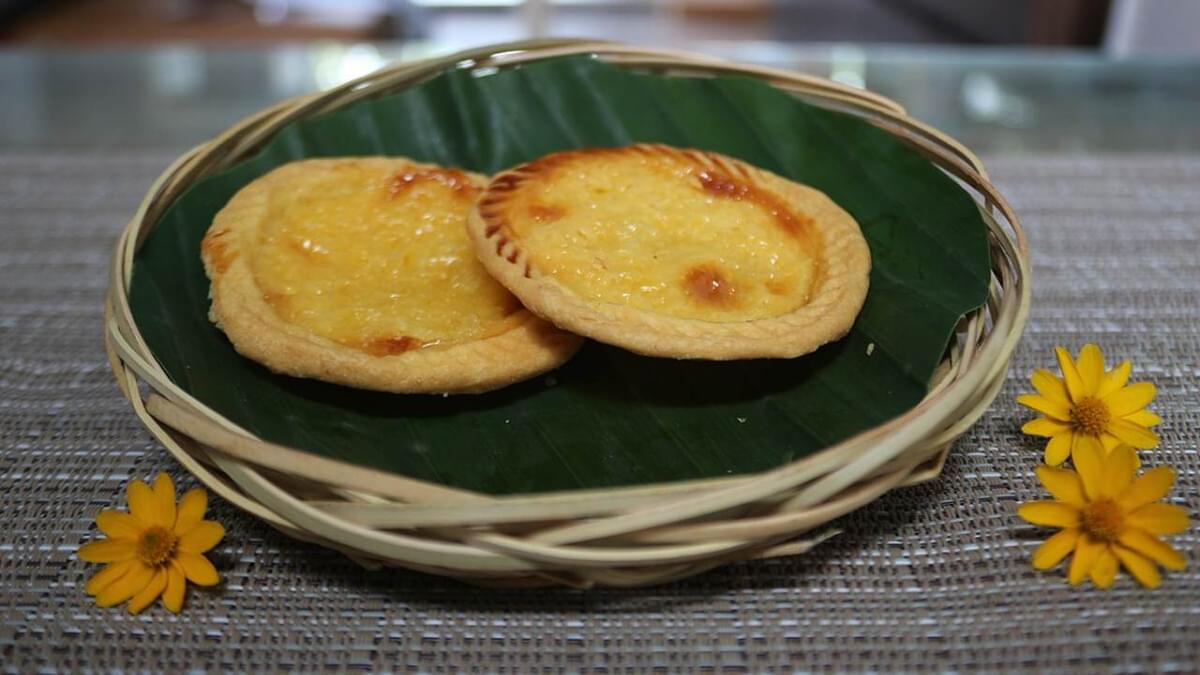
Bali offers a wide range of unique souvenirs, from traditional handicrafts to local coffee, spices, jewellery, and fashion. Here are some of the best things to buy in Bali to take home.
Food & Drink Souvenirs
From aromatic Balinese coffee and herbal teas to local spices, chocolate and traditional snacks, Bali offers plenty of food and drink souvenirs. These are easy-to-carry options and make thoughtful gifts for family and friends.
Milk Pie or Pie Susu
Pie Susu (milk pie) is one of the most popular food souvenirs to buy in Bali. This light, custard-filled pastry makes a tasty gift, but its shelf life is limited. Depending on the recipe, packaging and storage conditions, it may last from a few days to around two weeks. Check the expiry date and confirm the recommended storage period with the seller before purchasing, especially if you plan to carry it home.
- Where to Find It: Pie Susu Enaaak, Krisna Oleh-Oleh Bali, and local souvenir shops
- Average Cost: IDR 20,000–60,000 (₹105–₹320) per box
- What Makes It Great: Long shelf life, compact packaging, and a distinctly Balinese flavour.
Kopi Kintamani (Kintamani Coffee)
Coffee lovers should try Kintamani coffee, grown in Bali’s highland region of Kintamani. Known for its bright citrus notes, smooth body and distinctive flavour, this locally grown coffee has Geographical Indication (GI) status, recognising its connection to the region and helping distinguish it from coffees produced elsewhere.
- Where to Find It: Kintamani coffee shops, supermarkets, and gift stores
- Average Cost: IDR 55,000–100,000 (₹290–₹530) for 200g
- What Makes It Great: Unique citrus notes and a great gift for coffee lovers.
Balinese Chocolate
Chocolate lovers should add locally made Balinese chocolate to their shopping list. These locally produced chocolates are crafted with Indonesian cocoa and often infused with tropical fruits or spices. These chocolates offer flavours you may not easily find elsewhere.
- Where to Find It: Pod Chocolate, Ubud Art Market, supermarkets, and local chocolate shops
- Average Cost: IDR 30,000–70,000 (₹160–₹370) for 50–80g
- What Makes It Great: Tropical ingredients and a great treat for anyone with a sweet tooth.
Balinese Sambal
If you enjoy bold and spicy flavours, don't leave Bali without a jar of authentic Balinese sambal. It is prepared with fresh chillies, aromatic spices, shrimp paste, garlic and other local ingredients.
- Where to Find It: Ubud Market, Sukawati Art Market, supermarkets, and local food shops
- Average Cost: IDR 15,000–40,000 (₹80–₹210) per jar
- What Makes It Great: Adds heat and authentic Indonesian flavour to your dishes.
Spices and Herbs
Balinese spices and herbs are practical and affordable souvenirs for travellers to take home the essence of Balinese cuisine. Ingredients like turmeric, galangal, lemongrass, cloves, and aromatic spice blends are commonly used in traditional recipes and are easy to carry home, allowing you to recreate authentic Balinese flavours in your own kitchen.
- Where to Find It: Ubud Market, Sukawati Art Market, and traditional spice shops
- Average Cost: IDR 10,000–50,000 (₹55–₹265) per pack
- What Makes It Great: Easy to pack and perfect for home cooks who love bold flavours.
Arak Bali
Arak Bali is Bali's traditional distilled spirit and one of the island's most distinctive local products. The drink is made from fermented coconut palm sap, rice or other natural ingredients, and has been a part of Balinese religious ceremonies and cultural celebrations for generations. For travellers interested in local food and drink traditions, Arak Bali offers an authentic taste of the island's heritage.
- Where to Find It: Licensed liquor stores and reputable local retailers
- Average Cost: IDR 100,000–300,000 (₹530–₹1,590) per bottle
- What Makes It Great: A unique local drink reflecting Bali's cultural heritage.
Safety Tip: Avoid homemade, unlabelled or illegally produced arak. Methanol poisoning from adulterated alcohol has caused deaths in Bali.
Fashion & Handmade Products
Bali is known for its vibrant fashion and handmade products, including endek, songket, and kain poleng clothing, woven bags, jewellery and handcrafted accessories. These make stylish and distinctive souvenirs to take home.
Endek, Songket and Kain Poleng
For a souvenir that reflects Bali’s textile heritage, explore endek, songket and kain poleng. Endek is an ikat-woven fabric featuring intricate patterns, while songket is known for its decorative metallic threads. Kain poleng, with its iconic black-and-white chequered pattern, holds cultural and religious significance in Bali.
- Where to Find It: Ubud Art Market, Sukawati Art Market, local textile shops and artisan boutiques
- Average Cost: IDR 100,000–500,000 (₹530–₹2,650) per piece, depending on the fabric, quality and craftsmanship
- What Makes It Great: Endek and songket showcase traditional Balinese weaving, while kain poleng offers a glimpse into the island’s cultural and spiritual practices. These textiles make meaningful souvenirs and distinctive additions to your wardrobe or home.
Rattan Bag or Tas Rattan
Handmade rattan bags are one of the best things to buy in Bali. These bags are carefully woven by local artisans using traditional techniques and blend natural materials with timeless designs, making them ideal for everyday use or gifting.
- Where to Find It: Kumbasari market, Sukawati art market, street vendors, gift shops
- Average Cost: IDR 100,000–400,000 (₹530–₹2,120) per bag
- What Makes It Great: Stylish, lightweight, and handwoven using natural materials.
Jewellery by Celuk Art Village
Looking for a timeless souvenir? Handcrafted silver and gold jewellery from Celuk Village is among the best things to buy in Bali. The artisan village is renowned as Bali's silver-making centre and is home to skilled craftsmen who have been creating intricate jewellery using traditional techniques passed down through generations. From elegant rings and necklaces to beautifully detailed bracelets and earrings, each piece reflects Bali's rich artistic heritage.
- Where to Find It: Celuk Art Village, local silver workshops, and artisan jewellery shops
- Average Cost: IDR 200,000–2,000,000 (₹1,060–₹10,600) per piece
- What Makes It Great: Authentic, artisanal, and often made with semi-precious stones.
Tips: For silver authenticity, look for a 925 stamp, ask for a receipt confirming silver purity, and check whether the piece is solid silver or silver-plated.
Wellness Products to Buy in Bali
Bring home Bali-inspired wellness products such as essential oils, natural soaps, herbal balms, bath salts and spa products. These lightweight items make practical souvenirs and help recreate the island’s relaxing spa experience at home.
Homemade Balinese Soap
Handmade natural soaps are one of the most popular wellness souvenirs to buy in Bali. These soaps are made with nourishing ingredients such as coconut oil, frangipani, lemongrass, aloe vera, and tropical herbs.
- Where to Find It: Ubud Market, local wellness shops, and artisan soap stores
- Average Cost: IDR 20,000–60,000 (₹105–₹320) per bar
- What Makes It Great: Smells like your Bali hotel and leaves your skin soft and moisturised.
Spa Essentials
Balinese spa products are among the best wellness souvenirs to buy in Bali. From massage oils and herbal body scrubs to incense, essential oils, bath salts, and aromatherapy blends, these locally made products reflect Bali's renowned wellness culture and offer an easy way to recreate the island's signature spa rituals at home.
- Where to Find It: Bali Buda, Ubud wellness shops, local spas, and aromatherapy stores
- Average Cost: IDR 30,000–200,000 (₹160–₹1,060) per product
- What Makes It Great: Helps recreate the Balinese relaxation experience at home.
Home Decor & Cultural Souvenirs to Buy in Bali
Add a touch of Bali to your home with handcrafted wood carvings, woven baskets, traditional masks, paintings and decorative artefacts. These unique pieces reflect the island’s rich artistic heritage and make memorable souvenirs.
Wood Carvings & Decor
Bali is famous for its skilled woodcarvers, making handcrafted wooden décor one of the island's most authentic souvenirs. From decorative bowls and coasters to larger furniture pieces, each item showcases remarkable craftsmanship.
- Where to Find It: Mas Village, Ubud artisan shops, and local furniture stores
- Average Cost: IDR 50,000–300,000 (approximately ₹265–₹1,590) for souvenir-sized wood carvings and decorative items, depending on size, wood type and craftsmanship.
- What Makes It Great: Naturally beautiful, durable, and often hand-carved
Wayang Kulit (Shadow Puppets)
Wayang Kulit shadow puppets are among the most authentic cultural souvenirs to buy in Bali. These traditional puppets are expertly handcrafted from carved leather and beautifully painted. Additionally, these traditional puppets were used for centuries in Indonesian shadow theatre to narrate stories from the Ramayana, Mahabharata, and other ancient legends.
- Where to Find It: Ubud Art Market, Sukawati Art Market, and traditional craft shops
- Average Cost: IDR 50,000–300,000 (₹265–₹1,590) per puppet
- What Makes It Great: Handcrafted and deeply symbolic of Balinese folklore
Topeng and Barong Masks
Traditional Topeng and Barong masks are meaningful cultural souvenirs that reflect Bali’s rich performing arts heritage. Topeng masks are associated with traditional masked dance performances, while Barong masks represent the mythical creature featured in the Barong dance.
- Where to Find It: Ubud Art Market, Sukawati Art Market and local artisan shops
- Average Cost: IDR 100,000–1,000,000 (₹530–₹5,300) per piece, depending on the design and craftsmanship
- What Makes It Great: Handcrafted masks showcase Bali’s traditional dance and artistic heritage.
General Things to Buy in Bali
Bali offers a mix of traditional handicrafts, trendy accessories and international products. Here are some popular items to buy, including products that are available in Bali but are not originally from the island.
- Dream Catchers: Decorative hoops with feathers and beads, widely available in souvenir shops, though originally associated with Indigenous North American traditions.
- Rattan Bags and Beachwear: Woven handbags, straw hats, beach totes and bohemian clothing.
- Souvenirs: Bali-themed fridge magnets, keychains, postcards and miniature ornaments.
- Jewellery: Beaded bracelets, anklets, fashion accessories and locally crafted silver jewellery.
- Candles and Incense: Scented candles, incense sticks and aromatherapy products.
- Chocolate and Coffee: Indonesian coffee, locally produced chocolate, tea and packaged snacks.
- Scarves and Sarongs: Colourful fabrics, printed scarves and lightweight beach wraps.
- Bohemian Home Décor: Macramé wall hangings, woven baskets, decorative cushions and ornaments.
- Beauty Products: Essential oils, handmade soaps, skincare products and international cosmetics.
- International Fashion Brands: Clothing, perfumes, bags and accessories available at Bali's malls and boutiques.
Shopping tip: For authentic Balinese products, look for locally made silver jewellery, traditional textiles, wood carvings and paintings. Always check product origins, compare prices and retain receipts for valuable purchases.
What Not to Buy in Bali
While shopping in Bali, avoid buying items made from protected wildlife, coral, shells or other restricted natural materials, as these may cause problems at customs. Be cautious with very cheap branded products, as they may be counterfeit. For food and drink souvenirs, check packaging, expiry dates and Indian customs rules before bringing them home.
Best Places to Shop in Bali
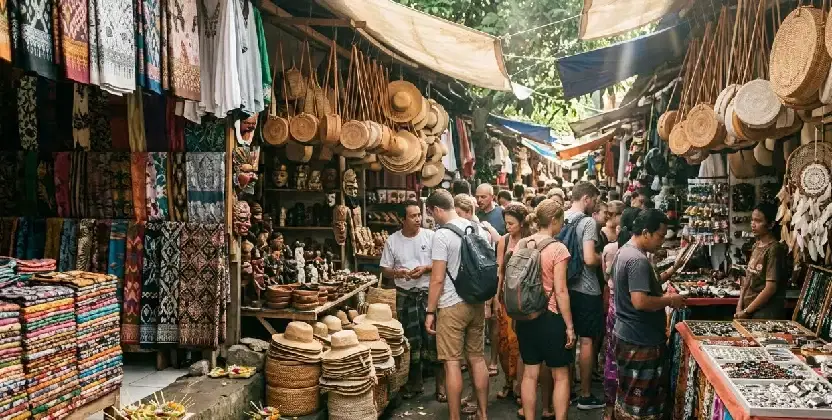
Bali offers more than beachwear and souvenirs. You can shop for traditional endek and songket fabrics, silver jewellery, handmade ceramics, Balinese paintings, natural oils and locally produced vanilla.
1. Ubud Art Market
Best for sarongs, woven bags, scarves, textiles, small wooden carvings and decorative souvenirs. Visit between 8 AM and 10 AM for a more relaxed shopping experience. Compare stalls before bargaining, as quality and prices vary.
2. Sukawati Art Market
A good choice for comparing prices on sarongs, endek fabric, paintings, wooden handicrafts and gifts in larger quantities. Visit in the morning, when you can browse before the market becomes busier.
3. Kumbasari Market
Explore this traditional market for textiles, local fabrics, spices, household goods and everyday Balinese products. Go in the morning for a livelier market atmosphere, and carry cash in smaller denominations.
4. Celuk Village
Celuk is known for silver and gold jewellery. Shop for rings, pendants, earrings and bracelets, or visit a workshop to learn about the craft. Ask about silver purity, plating, weight and a receipt before buying.
5. Mas Village
Visit Mas for carved wooden masks, sculptures, figurines and decorative pieces. Look for clean finishing and detailed workmanship. Check the dimensions and weight before buying, particularly if you plan to carry the item home.
6. Seminyak Boutiques
Jalan Kayu Aya and Jalan Raya Seminyak are ideal for resort wear, swimwear, contemporary Indonesian fashion, jewellery, home décor and designer accessories. Prices are generally fixed, making them convenient if you prefer a more organised shopping experience.
7. Krisna Oleh-Oleh Bali
A practical stop for packaged snacks, local coffee, T-shirts, sarongs, keychains and last-minute gifts. It suits travellers who want to buy several souvenirs in one place, particularly before heading to the airport. Check product labels and expiry dates on food items.
Bali Shopping Tips: Bargaining, Cash and Payments
Shopping in Bali is easier when you know where bargaining is expected and when prices are fixed.
- Bargain politely at traditional markets: At Ubud Art Market and Sukawati, sellers may quote an opening price that leaves room for negotiation. Compare similar products at a few stalls, make a reasonable counteroffer and agree on a price you are comfortable paying. There is no universal bargaining percentage.
- Carry Indonesian rupiah: Cash is useful at street markets, small craft shops and local stalls. Keep smaller notes handy to make payments easier.
- Use cards at established stores: Boutiques, larger retailers and many hotels accept cards, although acceptance varies. Check for foreign transaction fees and any card surcharge before paying.
- Check the exchange rate: When paying by card, choose to be charged in Indonesian rupiah rather than your home currency if the payment terminal offers a conversion option, then check your bank's exchange rate and fees.
- Avoid dodgy money changers: Use authorised money changers displaying their licence and rates. Count the cash carefully before leaving the counter, request a receipt and avoid offers that appear unusually favourable. Do not let anyone take the money back for a second recount after handing it to you without checking the notes again.
- Inspect goods before paying: For jewellery, ask about metal purity; for textiles, check the weave and fabric composition; and for carvings, inspect the finish and ask whether the item is handmade or mass-produced.
How to Carry Bali Shopping Home
Pack your Bali souvenirs carefully and check airline rules and Indian customs requirements before travelling.
| Item | Packing tips |
| Sambal and sauces | Pack securely in checked baggage; cabin liquids generally must be in containers of 100 ml or less. |
| Arak and other alcohol | Check airline restrictions and Indian customs allowances before buying. |
| Coconut oil and skincare | Seal bottles and pack them in leak-proof bags. |
| Wooden carvings and ceramics | Wrap in bubble wrap and use sturdy boxes for fragile items. |
| Paintings and textiles | Use protective tubes or sleeves and keep fabrics dry. |
| Coffee, vanilla and spices | Keep products sealed in labelled packaging and check import restrictions. |
Shipping tip: For bulky or fragile purchases, use a tracked shipping service and confirm packaging costs, insurance, customs duties and delivery charges.
Indian Customs Rules for Bali Shopping
- Duty-free allowance: Eligible Indian residents arriving by air can generally bring goods worth up to ₹75,000 duty-free, subject to applicable conditions and exclusions.
- Alcohol: Check the current passenger allowance before buying arak or other alcoholic drinks.
- Food and spices: Keep coffee, vanilla and spices sealed and labelled. Meat, dairy, seeds and certain plant products may face restrictions.
- Wildlife products: Avoid protected wildlife products and coral unless their legality and permit requirements are confirmed.
- Expensive purchases: Keep receipts and declare goods when required.
Check the official CBIC guide for international travellers for the latest customs rules before departure.
Conclusion: Is Shopping in Bali Worth Your Time?
Absolutely. Shopping in Bali is an opportunity to take home a piece of the island's culture, creativity, and traditions. From handcrafted textiles, silver jewellery, and rattan bags to locally grown coffee, spicy sambal, and tropical chocolates, the things to buy in Bali are the ones that will remind you of your unforgettable island adventure for years to come. Whether you are shopping for family, friends, or yourself, Bali offers everything from affordable local snacks and handcrafted keepsakes to premium artisan products. With this guide, you can shop confidently, avoid tourist traps and return home with authentic Bali souvenirs.
Frequently Asked Questions
1. What traditional items should you buy in Bali?
A: Traditional items to buy in Bali include endek and songket textiles, kain poleng, Wayang Kulit shadow puppets, Barong masks, wooden carvings and handcrafted silver jewellery.
2. What is the best place to buy souvenirs in Bali?
A: Ubud Art Market and Sukawati Art Market are popular for textiles, handicrafts and gifts. Visit Celuk Village for silver jewellery and Mas Village for wooden carvings.
3. What should I buy from Ubud Art Market?
A: Ubud Art Market is a good place to buy woven bags, endek textiles, scarves, wooden carvings, traditional masks and decorative souvenirs.
4. How much does shopping in Bali cost?
A: Shopping in Bali can suit different budgets. Small souvenirs may cost around IDR 10,000–50,000 (₹55–₹265), while silver jewellery can range from IDR 200,000–2,000,000 (₹1,060–₹10,600) per piece.
5. Where can you buy Balinese wood carvings?
A: Mas Village and Ubud artisan shops are good places to buy Balinese wood carvings. Small decorative items typically cost around IDR 50,000–300,000 (₹265–₹1,590), depending on their size and craftsmanship.
6. What is worth buying in Bali for gifts?
A: Kintamani coffee, Balinese chocolate, Pie Susu, sambal, handmade soaps, rattan bags, endek textiles and small wooden carvings make thoughtful gifts from Bali.
7. What are the best luxury items to buy in Bali?
A: Handcrafted silver and gold jewellery from Celuk Village, premium songket textiles and intricately carved wooden décor are popular higher-value purchases.
8. Where to buy jewellery in Bali, and what makes Celuk Art Village special?
A: Celuk Village is renowned for its silver and gold jewellery workshops. Look for a 925 stamp, request a receipt confirming silver purity and ask whether the piece is solid silver or silver-plated.
9. What is the price range for Balinese chocolates, and where can we find them?
A: Balinese chocolates typically cost around IDR 30,000–70,000 (₹160–₹370) for 50–80 g. You can find them at Junglegold Bali’s shop in Sanur and its outlet in Mengwi, as well as selected supermarkets.
10. What are the best things to buy in Bali?
A: Popular things to buy in Bali include Kintamani coffee, Balinese chocolate, Pie Susu, sambal, silver jewellery, rattan bags, traditional textiles, spa products and handcrafted wooden souvenirs.
11. Is shopping in Bali cheap?
A: Yes, shopping in Bali can be affordable, especially for spices, packaged snacks, handmade soaps and small souvenirs. Prices vary by location, quality and craftsmanship. Traditional markets often offer room for bargaining, while boutiques and established stores generally have fixed prices. Compare prices before buying to get the best value.
12. Is it better to buy souvenirs at Bali Airport or local markets?
A: Local markets such as Ubud Art Market and Sukawati Art Market generally offer more variety, competitive prices and opportunities to bargain for handmade souvenirs. Bali Airport is convenient for last-minute gifts and packaged snacks, but prices may be higher. Shop at local markets for textiles, handicrafts and wooden décor, and use the airport for quick purchases before departure.
13. What are the cheap things to buy in Bali?
A: Affordable things to buy in Bali include local spices, sambal, handmade soaps, packaged snacks, keychains, fridge magnets and small wooden souvenirs.
14. Can I carry Bali coffee, spices, and sambal back to India?
A: Yes, you can generally carry packaged coffee and spices for personal use, subject to Indian customs and import rules. Keep them sealed and labelled. Sambal may be subject to restrictions depending on its ingredients, so check the latest Indian food import rules before travelling.
15. How much alcohol can I bring back from Bali to India?
A: Eligible travellers can generally bring up to 2 litres of alcoholic liquor or wine into India within the applicable duty-free allowance, subject to current customs rules. Check the latest CBIC guidelines before purchasing Arak Bali or other alcoholic drinks.
16. Should I bargain at Bali markets?
A: Yes, polite bargaining is common at traditional markets such as Ubud Art Market and Sukawati Art Market. Compare prices across stalls and make a reasonable offer. Shopping malls, boutiques and established stores generally have fixed prices.
17. Is it cheaper to shop in Ubud or Seminyak?
A: Ubud's traditional markets often offer more affordable souvenirs, handicrafts and textiles, with opportunities to bargain. Seminyak is better known for boutiques, designer products and contemporary fashion, which can cost more. Prices vary by seller, product quality and craftsmanship.