
Castles in Switzerland: The Complete Guide to the Best Historic Fortresses
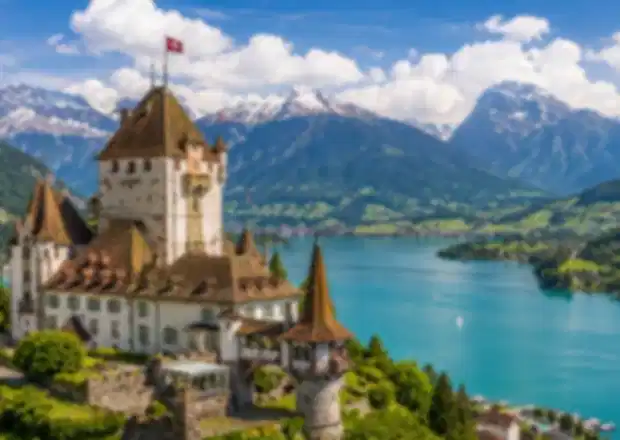
Switzerland may be known for the Alps, scenic train rides, and crystal-clear lakes, but the country is also home to more than 3,000 castles, medieval fortresses, and historic palaces. From lakeside castles on Lake Geneva to hilltop fortresses overlooking vineyards and alpine valleys, castles in Switzerland offer some of the most scenic historic experiences in Europe. For travellers planning a Switzerland tour package, visiting these castles adds a completely different side to the country beyond mountains and train journeys.
Many Swiss castles are beautifully preserved and set against dramatic backdrops of lakes, forests, and snow-covered peaks. Whether you are interested in medieval history, architecture, photography, or fairytale locations, Switzerland has everything from UNESCO-listed castle complexes to romantic Renaissance châteaux and ancient fortresses. From the iconic Chillon Castle on Lake Geneva to lesser-known hidden gems across the country, this guide covers the best castles in Switzerland, what makes them special, entry fees, and practical travel tips.
Castles in Switzerland at a Glance
- Most visited: Château de Chillon near Montreux, Switzerland’s most complete medieval castle, drawing roughly 400,000 visitors a year.
- Best for a Zurich day trip: Kyburg Castle (30 km away) or Rapperswil Castle on Lake Zurich.
- Most iconic castle: Château de Chillon, on Lake Geneva near Montreux
- Best UNESCO site: Bellinzona’s three castles in Ticino
- Best for families: Kyburg Castle, with interactive medieval displays
- Best free visit: Habsburg Castle, Aargau
- Best lake view: Oberhofen Castle or Spiez Castle, both on Lake Thun
- Getting there: Almost every major castle sits within walking distance of a train station or a short bus/boat ride — the Swiss Travel Pass covers most of this.
- Best time: Chillon and Castelgrande are open year-round; several lakeside castles (Oberhofen, Spiez) close over winter, so check opening seasons before you plan around them.
Best Castles in Switzerland by Region
| Region / Nearest City | Castles | Good For |
| Lake Geneva (near Montreux) | Château de Chillon, Aigle Castle | First-time visitors, most iconic sites |
| Bern / Lake Thun | Thun Castle, Oberhofen Castle, Spiez Castle | A relaxed lakeside castle day |
| Zurich | Kyburg Castle, Rapperswil Castle | Easy half-day trips from the city |
| Ticino (near Bellinzona) | Castelgrande, Montebello, Sasso Corbaro | UNESCO history, southern Switzerland |
| Aargau | Habsburg Castle, Lenzburg Castle | Off-the-beaten-path, dynastic history |
| Fribourg | Gruyères Castle | Combining castle + cheese-village visit |
| Schaffhausen | Laufen Castle | Pairing with Rhine Falls |
Why Does Switzerland Have So Many Castles?
Switzerland’s unusually high number of castles is closely linked to its medieval geography and strategic location in Europe. The Alps created important trade routes through mountain passes, river valleys, and lake crossings, and the rulers who controlled these corridors built castles and fortresses to protect them. Powerful dynasties such as the House of Savoy, the Habsburgs, Bernese noble families, and religious authorities established strongholds across what is now modern Switzerland.
Over time, these defensive structures evolved into grand lakeside castles, hilltop fortresses, and royal residences. Today, Switzerland has more than 3,000 castles, ruins, and historic towers spread across the country, meaning you are rarely far from a castle worth visiting during a Switzerland trip.
Visiting Castles in Switzerland: Entry Fees & Opening Seasons
Prices below are approximate — Swiss francs are the reliable figure; INR conversions will shift with the exchange rate, so treat them as a rough guide and confirm current pricing on each castle’s official site before you go.
| Castle | Location | Entry Fee (Adult) | Open Season | Easiest Access |
| Château de Chillon | Near Montreux | CHF 14.50 (₹1,713) | Year-round | Bus or boat from Montreux/Villeneuve |
| Castelgrande | Bellinzona, Ticino | CHF 8 (₹945) | Year-round | 5-min walk from Bellinzona station |
| Thun Castle | Thun | CHF 8 (₹945) | February–November | 10-min walk from Thun station |
| Oberhofen Castle | Lake Thun shore | CHF 8 (₹945) | April–October | Boat or bus from Thun |
| Habsburg Castle | Aargau | Free | Year-round (exterior) | Bus from Brugg station |
| Gruyères Castle | Fribourg region | CHF 11 (₹1,300) | Year-round | Bus from Bulle station |
| Kyburg Castle | Zurich canton | CHF 9 (₹1,063) | March–November | Bus from Winterthur |
| Spiez Castle | Lake Thun | CHF 7 (₹827) | April–October | 5-min walk from Spiez station |
| Rapperswil Castle | Lake Zurich | Free (grounds) | Year-round | 5-min walk from Rapperswil station |
| Lenzburg Castle | Aargau | CHF 16 (₹1,890) | Year-round | 15-min walk from Lenzburg station |
| Aigle Castle | Vaud | CHF 10 (₹1,181) | March–November | 10-min walk from Aigle station |
Opening seasons can change year to year — always check the official site a few weeks before travelling, especially for the lakeside castles that close over winter.
Top Castles in Switzerland

Château de Chillon, Montreux (Lake Geneva)
Chillon Castle is Switzerland’s most visited castle, and on most days, one of the most beautiful medieval buildings in Europe. It sits on a small rocky island on Lake Geneva’s eastern shore, connected to land by two narrow bridges, with water on three sides and the Alps of the Chablais rising steeply behind it.
The site has been occupied since the Bronze Age, but the current structure dates mainly from the 11th–13th centuries under the Counts of Savoy. It served as a garrison, a residence, and — most famously — a prison. One inmate, François Bonivard, was chained to a pillar in its dungeons for four years, an ordeal Lord Byron immortalised in his 1816 poem “The Prisoner of Chillon”.
Inside, you’ll find Gothic halls with 14th- and 15th-century frescoes, an armoury, a chapel, and the dungeons themselves. It’s the most complete of Switzerland’s medieval castles — plan on at least 90 minutes.
Castelgrande, Bellinzona (Ticino)
Bellinzona has three castles — Castelgrande, Montebello, and Sasso Corbaro — sitting on a single defensive ridge above the city. Together, they’re one of the finest examples of medieval military architecture in the Alps and a UNESCO World Heritage Site.
Castelgrande is the oldest and most imposing of the three. Its two towers date from the early medieval period, and the walls connecting them to the city below are visible for miles. A lift connects the old town to Castelgrande for anyone who’d rather skip the cobbled ramp. All three castles are easily done in a single day on a combined ticket.
Thun Castle, Thun (Lake Thun)
Thun Castle sits high above the old town, its four corner towers making it one of the most recognisable silhouettes in the Bernese Oberland. It was built in the 12th century by the Dukes of Zähringen and later extended by the Counts of Kyburg.
The interior houses the Thun Castle Museum, showcasing the region’s history from the Bronze Age to the 19th century, while the corner towers offer panoramic views of Lake Thun and the Eiger, Mönch and Jungfrau. Give yourself an extra hour to explore Thun’s old town, where the pavement runs along the first floor of the buildings and shops open directly onto it.
Oberhofen Castle, Lake Thun
A ten-minute boat ride or bus journey from Thun brings you to Oberhofen, a castle that seems to float on the lake’s edge, its towers reflected in still water. The structure combines a medieval tower with sweeping 19th-century additions built when it became a private summer residence in the Romantic style.
The gardens, kept in the English style with century-old trees, run right down to the lakeshore. Inside, the museum focuses on 19th-century noble life, with original furnishings intact. Open April to October; entry runs around CHF 8.
Habsburg Castle, Aargau
This is the ancestral seat of the Habsburg dynasty, which went on to rule the Holy Roman Empire, Austria, Spain, Hungary, and large parts of the Americas — yet the castle itself is a surprisingly modest hilltop tower complex, founded in the 11th century by the Count of Altenburg.
The appeal here is almost entirely historical: standing on the hill where one of Europe’s most powerful dynasties began, in a landscape that’s changed little since the 11th century. There’s no entrance fee; it’s open as a walk-up exterior site.
Gruyères Castle, Fribourg
Gruyères Castle sits atop a perfectly preserved medieval village in the Fribourg region — the same village that lends its name to the cheese made in the valley below. It was the seat of the Counts of Gruyères from the 11th to 16th centuries and holds state rooms, a Knight’s Hall, a chapel, and rotating contemporary art shows in the Chailly wing.
The village itself is car-free, lined with medieval houses and terrace restaurants. If you have time, add a stop at the Maison de Gruyère at the base of the hill, an operating dairy that produces Gruyère AOC with guided tours and tastings.
Switzerland Tour Package Starting @ ₹89,412
Kyburg Castle, Zurich Canton
One of the best-preserved medieval castles in Switzerland and the easiest to reach if you’re based in Zurich, it’s about 30 km east of the city. Kyburg was the principal seat of the Counts of Kyburg in the 11th and 12th centuries and was for a time the largest castle in the Confederation before falling to Bern in 1384.
The interior keeps its original medieval character: a Romanesque chapel, dungeons with information on medieval law and punishment, an armoury, and interactive displays that make it one of the better family-friendly options on this list. The towers give excellent views over the surrounding Zurich countryside.
Laufen Castle, Rhine Falls
Laufen Castle sits on the cliff directly above the Rhine Falls, Europe’s largest waterfall, near Schaffhausen. Its position gives you one of the most dramatic views of the falls, including a covered platform that extends out over the water.
The castle itself now operates as an events and hospitality venue rather than a historical museum, so the location is the main draw, not the interior exhibits. Pair it with the Rhine Falls viewing platforms and boat rides for a full half-day out.
Spiez Castle, Lake Thun
Spiez Castle occupies a small promontory on Lake Thun’s southern shore, its Romanesque tower rising directly above the water with vineyards on the slopes below. It’s one of the smaller, more intimate castle visits in Switzerland — less dramatic than Chillon or Thun, but beautifully set and rarely crowded.
The site includes an 11th-century Romanesque church, a museum on the castle’s noble occupants, and a 39-metre watchtower with panoramic views. The lakeside vineyards produce a local wine you can taste at the castle.
Rapperswil Castle, Lake Zurich
Rapperswil sits on a promontory jutting into Lake Zurich, roughly 40 minutes from the city by train or a scenic boat ride across the lake. The castle grounds and rose gardens are free to explore, and the tower offers sweeping views across the water toward the Swiss Alps.
It’s a favourite for a relaxed half-day escape from Zurich — combine it with a walk along the town’s medieval lanes and, in summer, a boat trip back across the lake.
Lenzburg Castle, Aargau
One of Switzerland’s oldest continuously inhabited castles, Lenzburg has been occupied since the 11th century and has passed through several noble families, including the Habsburgs. It’s set on a hill above the town of Lenzburg, about 15 minutes’ walk from the station.
Inside, you’ll find furnished period rooms, a knight’s hall, and exhibits spanning nearly a thousand years of continuous habitation, since most Swiss castles were abandoned centuries ago.
Aigle Castle, Vaud
Aigle Castle sits among vineyards in the Chablais wine region near Montreux, its moated exterior looking exactly like a storybook illustration. Today it houses a vine and wine museum, making it an easy pairing with a Lake Geneva wine-tasting day.
The castle is compact and can be seen in under an hour, which makes it a good add-on if you’re already spending a day around Montreux or Chillon.
Final Thoughts on Visiting Castles in Switzerland
From lakeside fortresses and hilltop strongholds to fairytale palaces surrounded by mountains, castles in Switzerland offer a completely different perspective on the country beyond the Alps and scenic trains. Whether you visit the iconic Château de Chillon, the UNESCO-listed Castelgrande, or smaller hidden gems across the countryside, each castle combines history, architecture, and spectacular scenery in a uniquely Swiss setting.
For travellers planning a Switzerland adventure package, visiting a few of these historic castles is one of the best ways to experience the country’s cultural and medieval heritage alongside its natural beauty.
FAQs
The best castles in Switzerland include Château de Chillon, Gruyères Castle, Thun Castle, Oberhofen Castle, Bellinzona’s three castles, Kyburg Castle, Spiez Castle, and Lenzburg Castle. Château de Chillon is the top choice for first-time visitors, while Bellinzona is best for medieval history and Gruyères is ideal for a fairytale experience.
Château de Chillon is widely considered one of the most beautiful castles in Switzerland. Set on the shores of Lake Geneva near Montreux, it combines medieval architecture with dramatic lake and Alpine views. Gruyères Castle and Oberhofen Castle are also excellent choices for scenic and fairytale-like settings.
Kyburg Castle and Rapperswil Castle are two of the best castles to visit near Zurich. Kyburg is ideal for medieval history and family-friendly exhibits, while Rapperswil Castle is better for a relaxed half-day trip with lake views, historic streets, and free access to its grounds.
Château de Chillon, Oberhofen Castle, and Spiez Castle are among the most romantic castles in Switzerland. Their lakeside settings, historic architecture, gardens, and Alpine views make them particularly appealing for couples and scenic day trips.
Kyburg Castle, Lenzburg Castle, and Gruyères Castle are among the best Swiss castles for families. Kyburg has interactive medieval displays, Lenzburg offers hands-on historical experiences, and Gruyères combines a castle visit with a picturesque medieval village and nearby cheese attractions.
Most travellers can comfortably visit two to four castles during a Switzerland trip, depending on their itinerary. Château de Chillon, Gruyères Castle, Thun or Oberhofen Castle, and Bellinzona’s three castles are a good combination for experiencing different types of Swiss castles and historic settings.
The best time to visit castles in Switzerland is from April to October, when many lakeside and seasonal castles are open and the weather is ideal for sightseeing. However, several major attractions, including Château de Chillon and Castelgrande, are open year-round. Always check the castle’s official opening dates before travelling.
Yes, Swiss castles are worth visiting for their combination of medieval history, architecture, scenic landscapes, and cultural experiences. They are especially worthwhile for travellers who want to experience a side of Switzerland beyond the Alps, lakes, and scenic train journeys.
Château de Chillon is the must-see castle in Switzerland for most travellers. Located on Lake Geneva near Montreux, it is one of the country’s best-preserved medieval castles and offers a striking combination of historic interiors, lake views, and Alpine scenery.
Yes, many of the best castles in Switzerland can be visited as day trips. Château de Chillon from Montreux, Kyburg Castle from Zurich, Gruyères Castle from Fribourg, and the three castles of Bellinzona are particularly easy to include in a one-day itinerary using Switzerland’s public transport network.

Recommended articles for you







Discover Packages













Europe City Packages
Packages By Departure City
Packages By Theme
Packages By Duration
Europe Combo Packages
Europe Nearby Destinations

Need help in planning?
Talk to our Travel Experts