
Elephant Rock Iceland: How to Visit Heimaey’s Famous Elephant-Shaped Rock
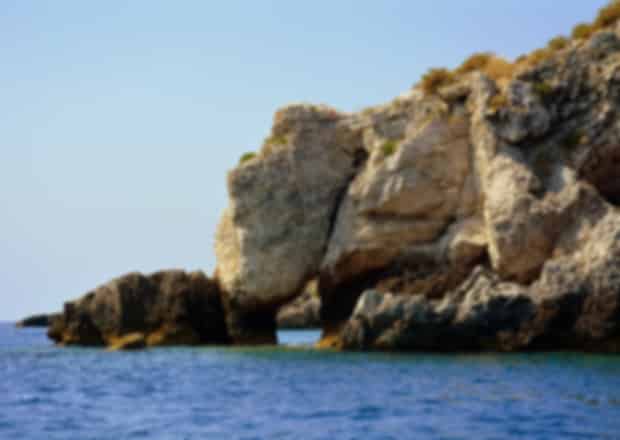
Elephant Rock in Iceland is one of the most recognisable natural formations in the country. This elephant-shaped rock in Iceland resembles an elephant dipping its trunk into the sea. It is the most photographed site in the country and is located on the northwestern coast of Heimaey in the Westman Islands. This natural masterpiece showcases the island’s volcanic origins and has become a highlight for travellers exploring the archipelago’s dramatic coastlines and rich wildlife. From reaching the Westman Islands to exploring the volcanic landscapes, puffin colonies, and dramatic coastlines, this guide covers everything you need to explore the Elephant Rock in Heimaey and make this archipelago unforgettable.
Key Takeaways
- Elephant Rock is a natural basalt formation on Heimaey Island in Iceland’s Westman Islands, known for its striking resemblance to an elephant’s head and trunk.
- You can only view Elephant Rock from the water, and most visitors join a boat tour from Heimaey Harbour.
- The best time to visit is between May and September, when the weather is milder, the seas are calmer, and puffins and whales are most active.
- Heimaey offers major attractions beyond Elephant Rock, including Eldfell Volcano, Storhofoi puffin cliffs, and Eldheimar Museum.
- Expect rapidly changing weather—layered, waterproof clothing is essential year-round.
Read more: Iceland travel guide
What Is Elephant Rock in Iceland?
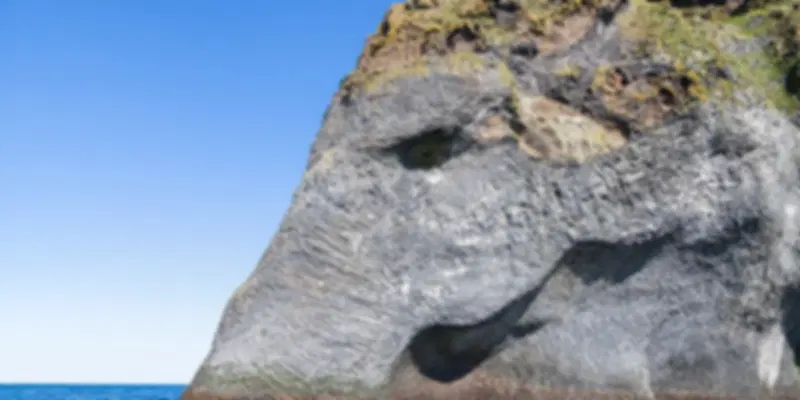
Elephant Rock stands as a testament to Iceland’s volcanic origins. This natural masterpiece is formed through volcanic activity, where cooling lava created a dark volcanic basalt, which was later sculpted by ocean waves and wind over thousands of years.
The rock’s texture mirrors the wrinkled skin of an actual elephant, which adds a layer of authenticity to its appearance. From certain angles, the illusion becomes striking, with clear features resembling an elephant’s head, eye, and trunk submerged in the water.
Read more: Iceland travel guide
Where Is Elephant Rock Located?
Elephant Rock is one of the main Westman Islands attractions. The formation sits on the northwestern coast of Heimaey, which is the only inhabited island in the Westman Islands archipelago. The island lies about 7 km off Iceland’s southern mainland and is known for its volcanic cliffs, sea caves and diverse birdlife.
How to Get to Elephant Rock in Iceland
Elephant Rock requires a two-step journey. All visitors must reach Heimaey Island first, then join a boat tour to view the formation from the sea.
Getting to Heimaey Island
By Ferry from Landeyjahofn
The Herjolfur ferry service from Landeyjahofn harbour is the most popular route to the Westman Islands. The ferry operates daily during the summer months (May to September), with reduced services during the winter season.
By Domestic Flights
Daily flights connect Reykjavik Domestic Airport to Bakki Airport, near Heimaey. The journey takes about 25 to 30 minutes and offers spectacular aerial views of Iceland’s South Coast and the volcanic islands.
Boat Tours to Elephant Rock
There are no walking trails to Elephant Rock due to the steep coastal cliffs surrounding it. Boat tours from Heimaey harbour are the only way to view the formation up close.
RIB Speedboat Tours
These high-speed boats offer a close-up and adrenaline-filled experience. These thrilling tours operate from May through September, and typically last 1 to 2 hours.
Standard Boat Tours
Traditional boat tours provide a calmer and family-friendly experience with indoor and outdoor seating. The tours typically last for 1-1.5 hours and take you through the Elephant Rock.
Best Time to Visit Elephant Rock
The Westman Islands have variable weather throughout the year.
| Season | Months | Key Advantages | Temperature range |
| Summer | May–September | Long daylight hoursCalmer seasIdeal for boat tours and photography | 10°C–15°C (50°F–59°F) |
| Winter | October–April | Fewer crowdsDramatic stormy seascapes | Below 10°C (50°F) |
| Spring (Shoulder Season) | March–May | Moderate weatherFewer tourists | 5°C–10°C (41°F–50°F) |
| Autumn (Shoulder Season) | September–October | Moderate weatherFewer tourists | 5°C–10°C (41°F–50°F) |
Top Things to Do on Heimaey Island
Hike Eldfell Volcano
This active volcano dominates Heimaey’s landscape. This volcanic eruption took place in 1973 and created Eldfell by burying a number of houses and forcing the evacuation of the island’s inhabitants. Visitors can take a hike to the summit and witness the panoramic views of the entire island, neighbouring islands and mainland Iceland.
Visit Eldheimar Volcano Museum
This moving museum preserves the story of the 1973 eruption. The museum is built around a house excavated from volcanic ash, and its interactive exhibits showcase how the eruption transformed Heimaey.
Puffin Watching at Storhofoi
Located on Heimaey’s southern tip, Storhofoi is often referred to as one of the windiest places in Europe. During summer season, Storhofoi becomes the prime puffin viewing spot.
Explore Heimaey’s Sea Caves
Heimaey’s coastline features numerous sea caves carved by Atlantic waves. The Klettshellir Cave is well-known for its occasional hosting of concerts and performances.
Wildlife Watching Around the Westman Islands
The Westman Islands are home to millions of seabirds, including Atlantic puffins, Guillemots, Kittiwakes and Razorbills. Marine mammals such as minke whales, fin whales, orcas, dolphins, and seals also appear regularly.
Conclusion: Why Elephant Rock Is Worth Visiting?
Elephant Rock in Iceland is one of the most captivating natural wonders that combines geological marvel with striking visual appeal. The formation represents Iceland’s volcanic heritage, and the surrounding wildlife makes it a rewarding destination. Plan your Iceland boat tours in Heimaey with Pickyourtrail’s Iceland Tour Packages and prepare for an adventure that captures the true essence of this Nordic destination.
FAQs About Elephant Rock Iceland
Is Elephant Rock in Iceland real or photoshopped?
Elephant Rock is completely real and natural. It’s a genuine basalt formation on Heimaey Island in the Westman Islands. Confusion arose when images of a different Asian elephant rock formation circulated online. Iceland’s Elephant Rock shows an elephant head and trunk, while the Asian version resembles a full elephant body.
How old is Elephant Rock Iceland?
Geologists estimate Elephant Rock is approximately 15,000 years old. The formation predates the famous 1973 Eldfell eruption, despite common misconceptions. It formed during one of many volcanic eruptions on Heimaey over millennia. The Atlantic Ocean’s continuous erosion gradually shaped the basalt columns into the distinctive elephant appearance visible today.
Can you climb Elephant Rock in Iceland?
Climbing Elephant Rock is possible but requires professional guidance and appropriate safety equipment. The formation sits along steep coastal cliffs with challenging access. Most visitors view the rock from boat tours rather than attempting to climb it. Several other safer hiking opportunities exist on Heimaey, including the Eldfell volcano and Heimaklettur.
Why does Elephant Rock look like an elephant?
The elephant-like appearance results from natural geological processes. Volcanic basalt cooled into hexagonal columns through columnar jointing. Over thousands of years, wind, rain, and ocean waves eroded these columns, coincidentally creating a shape resembling an elephant with its trunk in the water. The basalt’s wrinkled texture enhances the resemblance to elephant skin.
What is the best way to see Elephant Rock?
Boat tours from Heimaey harbour provide the best views of Elephant Rock. RIB speedboat tours and traditional boat tours operate from May through September, circling the island and passing close to the formation.
Can you visit Elephant Rock in winter?
Winter visits are possible but less ideal. Boat tours operate less frequently from October through April; seas can be rough, causing tour cancellations, and puffins migrate away for winter. Ferry schedules also reduce during the winter months. However, winter offers fewer crowds and dramatic stormy seascapes for photography. Summer (May to September) provides optimal visiting conditions.
How much does it cost to visit Elephant Rock?
Visiting Elephant Rock requires ferry transport to Heimaey (2,400 ISK/Rs. 1,680 per adult) plus a boat tour (starting from 11,900 ISK/Rs. 8,330 for a 1-hour RIB tour or 12,000 ISK/Rs. 8,400 for a standard boat tour). Total costs vary based on group size, tour type and whether you bring a vehicle on the ferry. Book in advance during the summer for the best availability.
What else can you do on Heimaey Island?
Heimaey offers numerous attractions beyond Elephant Rock. Hike Eldfell volcano’s crater, visit Eldheimar museum to learn about the 1973 eruption, watch millions of puffins at Stórhöfði, explore sea caves by boat, visit the beluga whale sanctuary, play golf on one of Iceland’s top courses, or try the traditional sport of Sprangan (cliff rope swinging).
When is puffin season in the Westman Islands?
Atlantic puffins arrive in late May and depart in early August. Peak viewing occurs from June through mid-August when millions of puffins nest on Heimaey’s cliffs. The Westman Islands host Europe’s largest puffin colony. Stórhöfði peninsula offers the best land-based viewing, while boat tours provide close encounters with puffins on the water.
How long should I spend on Heimaey Island?
Most visitors explore Heimaey’s main attractions in one day, including the boat tour to Elephant Rock, the Eldfell volcano hike and the Eldheimar museum. However, staying overnight allows a more relaxed pace for puffin watching, additional hikes, exploring the town, and experiencing the island’s unique atmosphere without time pressure from ferry schedules.

Recommended articles for you










Discover Packages


















Europe City Packages
Packages By Departure City
Packages By Theme
Packages By Duration
Europe Combo Packages
Europe Nearby Destinations

Need help in planning?
Talk to our Travel Experts