
Visiting Iceland in January: What to Expect, Best Tours, Driving Tips & Packing Guide
Iceland in January is a real winter fairy-tale with frozen falls, Northern lights, and hot geothermal baths. With temperatures between -1 °C to 3°C and a period of approximately five hours of daylight, January in Iceland is the best time of the year to have an adventure and relaxation. Travellers can explore ice caves in Vatnajökull National Park, relax in geothermal hot springs like the Blue Lagoon, and experience Reykjavik’s cosy winter charm. Chasing the aurora borealis, bathing in the natural hot pools, or just enjoying the icy sceneries of Iceland, January is one of the most enchanting months to enjoy the raw Nordic beauty.
Read more: Iceland Travel Guide
Key Takeaways
- Best Time to Visit: Mid to late January for fewer crowds and peak Northern Lights visibility.
- Weather: Freezing temperatures from -1°C to 3°C, 4–5 hours of daylight, frequent snow.
- Top Experiences: Northern Lights, Ice Caves, Blue Lagoon, Golden Circle, Secret Lagoon.
- Festivals: New Year’s Day, Þrettándinn, Dark Music Days, Þorrablót celebrations.
- Prices: The lowest budget trip would be INR 1.2-1.5 lakh/person in 7 days.
- Reason to visit: Snowy landscape, serene attractions and true winter culture.
Iceland Weather in January: What to Expect
Low temperatures, limited daylight and frequent snow showers in the northern parts characterise the Icelandic January weather.
| Weather Element | Details |
| Average Temperature | -1°C to 3°C (30°F to 37°F) |
| Coldest | Drops to -10°C (14°F) in northern regions |
| Warmest | Around 5°C (41°F) in coastal areas |
| Daylight Hours | 4–5 hours on average |
| Snowfall | Frequent, with icy road conditions |
| Aurora Visibility | Excellent, due to long winter nights |
| Outdoor Conditions | Cold but magical winter scenery |
What to Expect When Visiting Iceland in January
- Daylight lasts 4–5 hours, with sunrise around 11 AM and sunset before 4 PM.
- Temperatures range between -3°C and 2°C, with colder wind chills in open landscapes.
- Roads can be icy, but are generally maintained, especially the Ring Road.
- January is Northern Lights peak season, best seen from 9 PM to 1 AM on clear nights.
Best Things to Do in Iceland in January
- Go North aurora hunting – January is one of the months with the best aurora activity.
- Visit the blue ice caves of Vatnajokull National Park – an activity that can only be done in winter and only in the ice, and involves surreal crystal-blue chambers.
- Soak in geothermal hot springs – guaranteed to melt away the snow, the Blue Lagoon, Sky Lagoon, and Secret Lagoon are magic.
- Take a glacier walk or snowmobile tour – walk on ancient ice fields or snowmobile tour over Langjokull Glacier.
- Enjoy Reykjavik’s winter culture — cosy cafés, museums, local music events, and January festivals.
- Go whale watching — winter tours from Reykjavik and Akureyri still offer sightings of humpbacks and orcas.
- Experience Icelandic winter food traditions — Þorrablót feasts and seasonal dishes unique to January.
Top Iceland Tours in January: with Prices & Best Times
1. Northern Lights Hunt
The peak season of aurora watching is January. Go on a guided tour which starts in Reykjavik and uses live weather tracking in order to maximise your chances. Hunting for northern lights is ranked among the most enjoyable things to do in Iceland in January.
- Price: From ₹8,000 (group) or ₹22,000 (private).
- Best Time: 9 PM–1 AM on clear nights.
Tips: Choose guided tours that use live weather tracking; wear thermal layers and bring a tripod for photography.
2. Golden Circle and Secret Lagoon
The Golden Circle route combines Iceland’s most famous sites: Thingvellir National Park, the Geysir geothermal area, and Gullfoss waterfall. Many tours end with a relaxing dip in the Secret Lagoon in Flúðir, where the warm steam contrasts beautifully with the crisp winter air.
- Price: Around ₹10,000 per person.
- Best Time: Midday for better daylight.
Tips: Pack swimwear for the lagoon and warm outerwear. Roads near Gullfoss can be icy, so always check driving conditions before heading out.
Check out: 6 Nights 7-day Iceland Itinerary
3. Ice Cave Exploration in Vatnajökull National Park
The most memorable family-friendly activities in Iceland during January include exploring the shimmering blue ice caves found underneath the largest glacier in Europe. These natural structures can only be seen during winter, which is usually when there is a period between November and March in Iceland.
- Price: About ₹15,000 per person.
- Best Time: Late morning for the best light inside the caves.
Tips: Ice caves are much bluer in the late morning due to the sunlight angle.
4. South Coast Adventure
This tour takes you past waterfalls like Seljalandsfoss and Skógafoss, black sand beaches at Reynisfjara, and dramatic sea cliffs. It is one of the best places to visit in Iceland during January for photographers and nature lovers.
- Price: From ₹11,000 per person for a full-day tour from Reykjavik.
- Best Time: Late morning for best cave lighting.
Tips: Bring waterproof gear, especially for visiting waterfalls like Seljalandsfoss.
5. Blue Lagoon or Sky Lagoon Experience
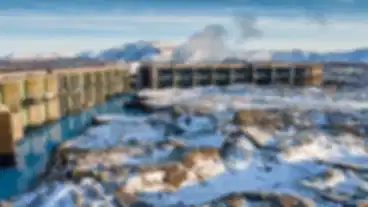
Relax in the historic geothermal spa of Iceland with snow-covered lava fields.
- Price: Blue Lagoon from ₹8,500; Sky Lagoon from ₹6,500.
- Best Time: Evening for twilight ambience.
Tips: Pre-book your slot online as both lagoons fill up quickly in winter.
Iceland in January: Travel Cost Breakdown
| Category | Budget | Mid-Range | Luxury |
| Accommodation (per night) | ₹6,000–₹10,000 | ₹10,000–₹18,000 | ₹20,000–₹35,000+ |
| Flights (round trip) | ₹55,000–₹65,000 | ₹65,000–₹80,000 | ₹80,000–₹1,10,000 |
| Tours | From ₹8,000 | ₹12,000–₹18,000 | ₹20,000+ |
| Food (per meal) | ₹1,200–₹2,000 | ₹2,500–₹4,000 | ₹6,000+ |
| 4×4 Rental / Transport | ₹6,000–₹9,000 per day | ₹9,000–₹12,000 | Premium options available |
Driving in Iceland in January: Tips for Safe Winter Travel
Driving in January offers both freedom and challenge. The landscape in Iceland is stunning to explore by car; still, the weather demands planning and time.
- Know the Conditions: It is always good to visit the Icelandic Road and Coastal Administration site to have a look at conditions prior to your trip.
- Select the Right Vehicle: A 4×4 vehicle would be vital to have stability and safety on the snow-covered road or on the gravel road.
- Plan on Short Days: There is a limited supply of daylight, so arrange your driving schedule.
- Fuel Up and Stock Up: Gas stations can be sparse in remote regions.
- Respect Nature: Never drive off marked roads; it’s illegal and damages fragile ecosystems.
Winter Festivals and Events in Iceland in January
| Festival | Date | Highlights |
| New Year’s Day | Jan 1 | Fireworks, bonfires, and citywide celebrations. |
| Þrettándinn | Jan 6 | Bonfires, fireworks, and elf folklore. |
| Dark Music Days | Jan 29–31 | Contemporary concerts at Harpa. |
| Reykjavík Games | Jan 23–25 | International swimming competition. |
| Þorrablót – Bóndadagur | Jan 23–31 | Viking feasts and Men’s Day traditions. |
Travel Tips for Iceland in January
Budget and Cost Expectations
- Accommodation: Moderate pricing after the holiday season, but winter surcharges may apply in popular areas.
- Flights: Often cheaper than December, especially mid-January onwards.
- Tours: Winter activities like ice caves and Northern Lights tours are in high demand — book early.
- Food: Prices remain consistent year-round.
Packing List: What to Bring for Iceland in January
- Thermal base layers, an Insulated jacket, a Waterproof outer layer and Waterproof boots
- Bring a wool hat, gloves, a scarf, and thick socks.
- Headlamp or flashlight to use during long nights or aurora hunts.
- Bring a tripod for Northern Lights photography.
- Cold drains batteries quickly, so carry a Power bank.
Iceland in January vs. Other Winter Months
| Category | January | February | December |
| Weather Conditions | Cold & snowy | Cold, longer daylight | Cold with holiday crowds |
| Aurora Activity | Excellent | Excellent | Good |
| Prices | Moderately priced | Similar | Highest (holiday season) |
| Daylight | 4–5 hours | 7–9 hours | 4 hours |
| Ice Cave Tours | Peak season | Peak season | Beginning of season |
Bottom Line: Is January a Good Time to Visit Iceland?
Iceland in January is the best time to go to when you dream about the Northern lights, ice-based adventures, and experience winter in its authenticity. The scenery is most dramatic, ice caves, frozen falls, and snowy hikes are only possible in peak winter. January is a month to visit only in a special way, the magic of the auroras and snowy landscapes, warm culture indoors make this month a whole reward. Planning a winter escape? Book customizable Iceland tour packages with Pickyourtrail for curated tours, safe winter driving options, hotels, and Northern Lights experiences.
Frequently Asked Questions About Iceland in January
Is January a good time to visit Iceland weather-wise?
Yes, January is perfect for winter lovers. Expect cold temperatures, snow, and icy conditions — but also some of the best views of frozen landscapes and the Northern Lights.
Is Iceland safe in January?
Yes, Iceland is generally very safe, even in winter. However, conditions can be challenging: icy roads, strong winds, and sudden snowstorms are common.
Can you see the Northern Lights in Iceland in January?
Absolutely. January offers some of the highest aurora activity of the year, thanks to long nights and low light pollution. Clear nights between 9 PM and 1 AM offer the best visibility.
How expensive is Iceland in January?
January is less expensive than December’s holiday season. Accommodation and flights are more affordable mid-month, though winter activities cost more due to demand.
Is it safe to drive in Iceland in January?
Roads can be snowy and icy, especially in rural areas. Experienced winter drivers may manage with 4×4 rentals, but guided tours are safer and recommended for visitors.
What should I pack for Iceland in January?
Bring layers, thermal wear, waterproof jackets and pants, insulated boots, and warm accessories like gloves and hats.
Where is the best place to see the Northern Lights in Iceland?
Top Northern Lights spots in January include:
- Thingvellir National Park
- Vik and the South Coast
- Snaefellsnes Peninsula
- Jökulsárlón Glacier Lagoon
- Grotta Lighthouse (Reykjavik)
Where to stay in Iceland in January?
The best areas for winter travel include:
- Reykjavik – ideal for first-time visitors and tour pickups
- Vik (South Coast) – perfect for waterfalls and black sand beaches
- Snaefellsnes Peninsula – quieter, great for Northern Lights
- Hofn/Jökulsárlón – convenient for ice cave and glacier tours
What are the best activities in Iceland in January?
Top winter experiences include:
- Northern Lights tours
- Blue ice cave exploration
- Golden Circle sightseeing
- Glacier hiking & snowmobiling
- Hot spring spas (Blue Lagoon, Sky Lagoon)

Recommended articles for you





Discover Packages
















Europe City Packages
Packages By Departure City
Packages By Theme
Packages By Duration
Europe Combo Packages
Europe Nearby Destinations

Need help in planning?
Talk to our Travel Experts