
10 Temples in Bali Worth Visiting

Imagine being in front of valiant stone gates and the golden sun rays light up the holy Hindu shrines, along with the traditional gamelan music sound. Magical, right? That is what you can expect in temples in Bali. Whether it is a clifftop temple where the waves crash dramatically below it or a mystical shrine in the jungle, Bali tourism allows you to experience real Balinese culture. These spiritual centres, where years-old traditions can be found, breathe every day. Go through this guide to get the list of the 10 best temples in Bali and their significance.
Key Takeaways
- Temple etiquette - It is required that you dress modestly with sarongs that cover shoulders and knees.
- Timings - come early in the day (7-9 AM) or late afternoon (4-6 PM) when it is cooler and there is enchanted lighting
There are affordable entry fees. Most temples have inexpensive entry fees (around 1,000-30,000 IDR or about 1-2 USD) - Photography etiquette: In sacred places, request permission to take photos, and during actively engaged ceremonies, do not use a flash
- Plan by location clusters: Group temples by region to maximise your time and create unforgettable memories
Top 10 Temples in Bali You Must Visit in 2026
1. Pura Tanah Lot
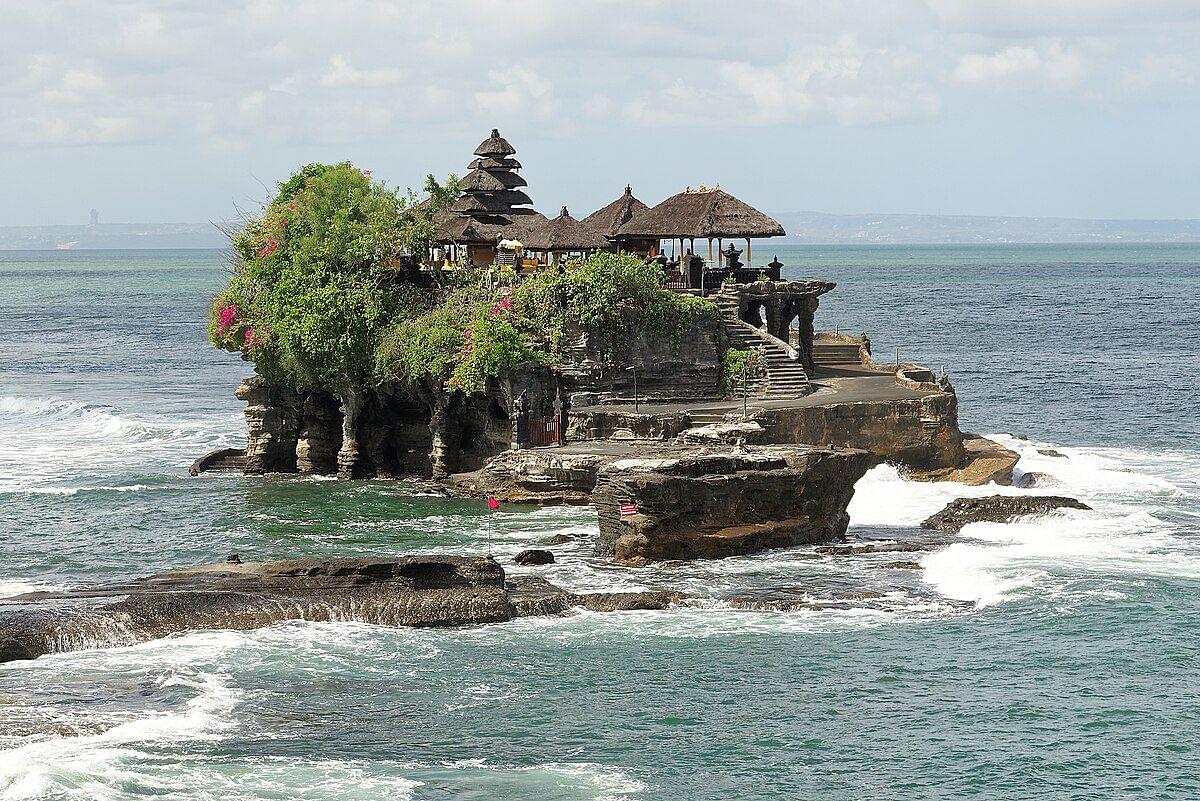
You must have seen those Instagram shots of a temple on top of a rock with crashing waves in the background. That one is Tanah Lot. The 15th-century temple is surrounded by water with high tide and forms a near-mystical island effect. The traditional Kecak fire dance performances in the evening add an authentic cultural layer, making this one of the most popular temples in Bali. This is about 45 minutes away from Seminyak and ideal for a half-day vacation.
- Address: Jalan Raya Tanah Lot, Beraban, Kediri, Tabanan,
- Entry fee: 30,000 IDR adults, 15,000 IDR children
Tips: Visit between 4-6 PM for sunset views
2. Pura Luhur Uluwatu
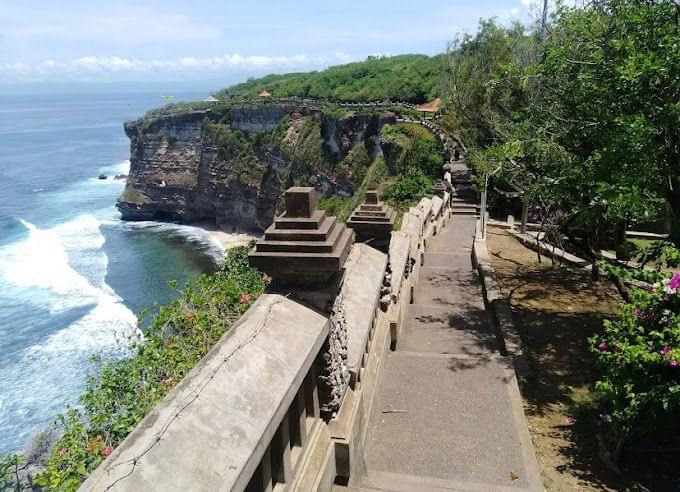
Perched 70 meters above the roaring Indian Ocean, Uluwatu Temple offers breathtaking views. This 10th-century cliff-top temple acts as one of six temple spirits that protect Bali against evil. You will meet hundreds of cheeky monkeys who can snatch your sunglasses, phones and jewellery out of your hands. Therefore, keep your stuff safe. Witnessing the daily Kecak dance performances in the evening against the backdrop of the endless ocean is among the best things to do in Bali.
- Address: Pecatu, South Kuta, Badung Regency
- Entry fee: 30,000 IDR
Tip: Book Kecak performance tickets early during the busy season
3. Pura Besakih (Mother Temple)
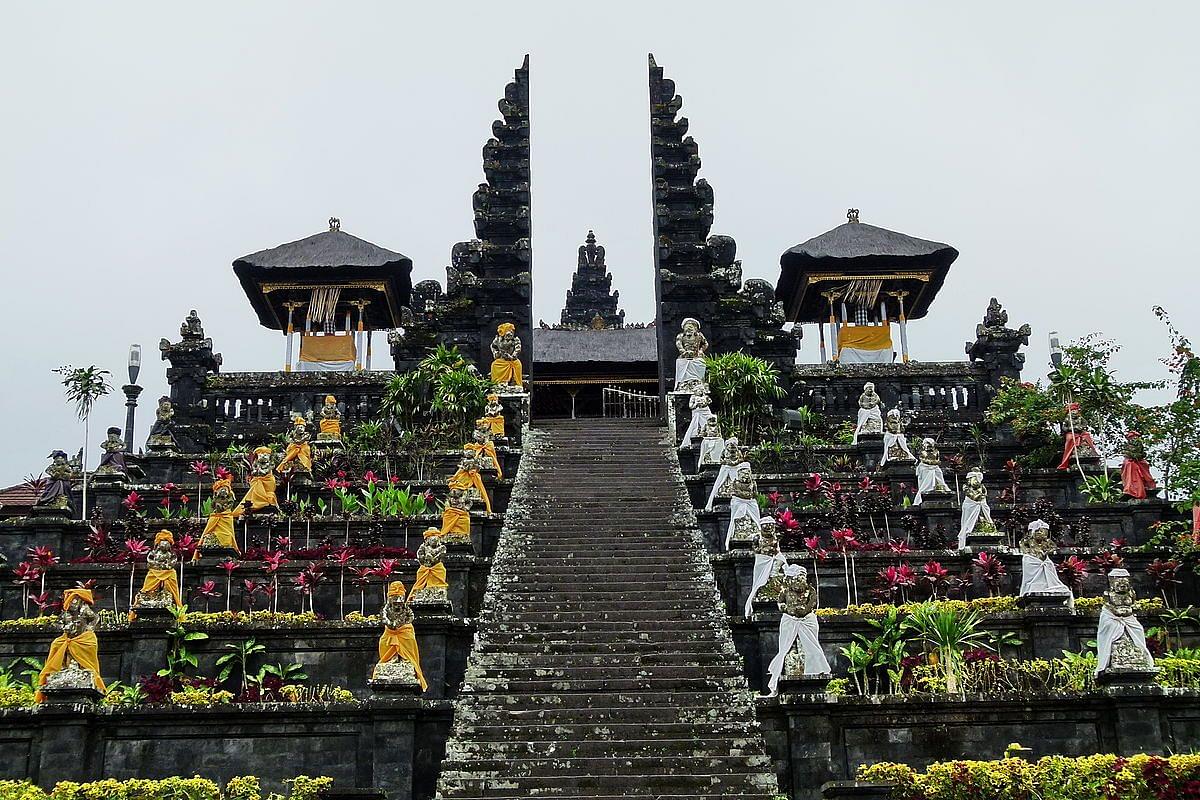
Standing majestically on the slopes of Mount Agung, Besakih commands as Bali's most important temple complex. It is a huge complex composed of 23 separate temples at six terraced levels, a kind of finding a holy city in the clouds. It receives thousands of pilgrims during the principal ceremonies, such as during the Odalan festival. The elevated position offers incredible views across rice terraces and neighbouring volcanoes, making this essential among places to visit in Bali.
- Address: Besakih, Rendang, Karangasem Regency, Bali
- Entry fee: IDR 150,000
4. Penulisan Temple
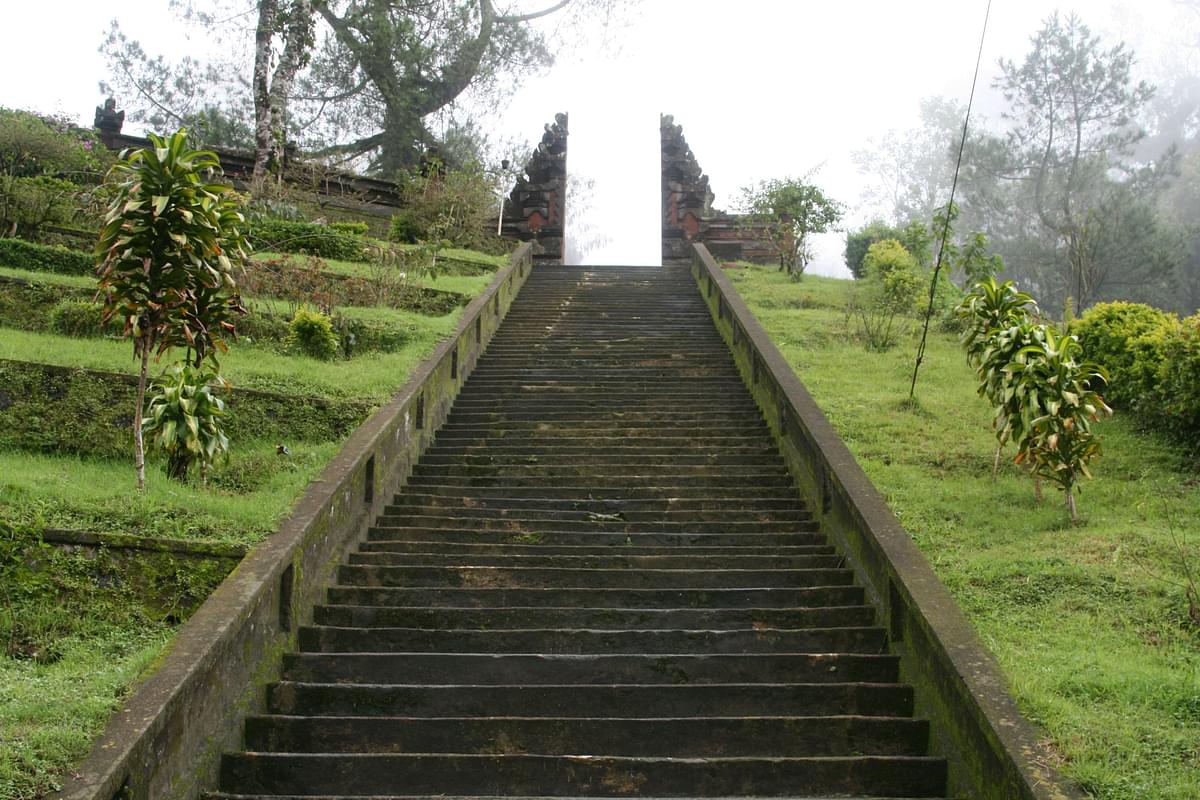
Penulisan is the highest temple in Bali, with an altitude of 1,745 meters above sea level. The difficult 3km hike gives you some of the magnificent mountain views on clear days. This ancient sanctuary dates from the 10th-12th centuries is houses some of Bali's oldest stone carvings. The peaceful atmosphere and cool mountain air provide perfect conditions for meditation and reflection.
- Address: Jalan Raya, Sukawana, Kintamani, Bangli Regency
- Entry fee: Free
Tips: Visit from April to September for the clearest mountain views
5. Pura Ulun Danu Bratan
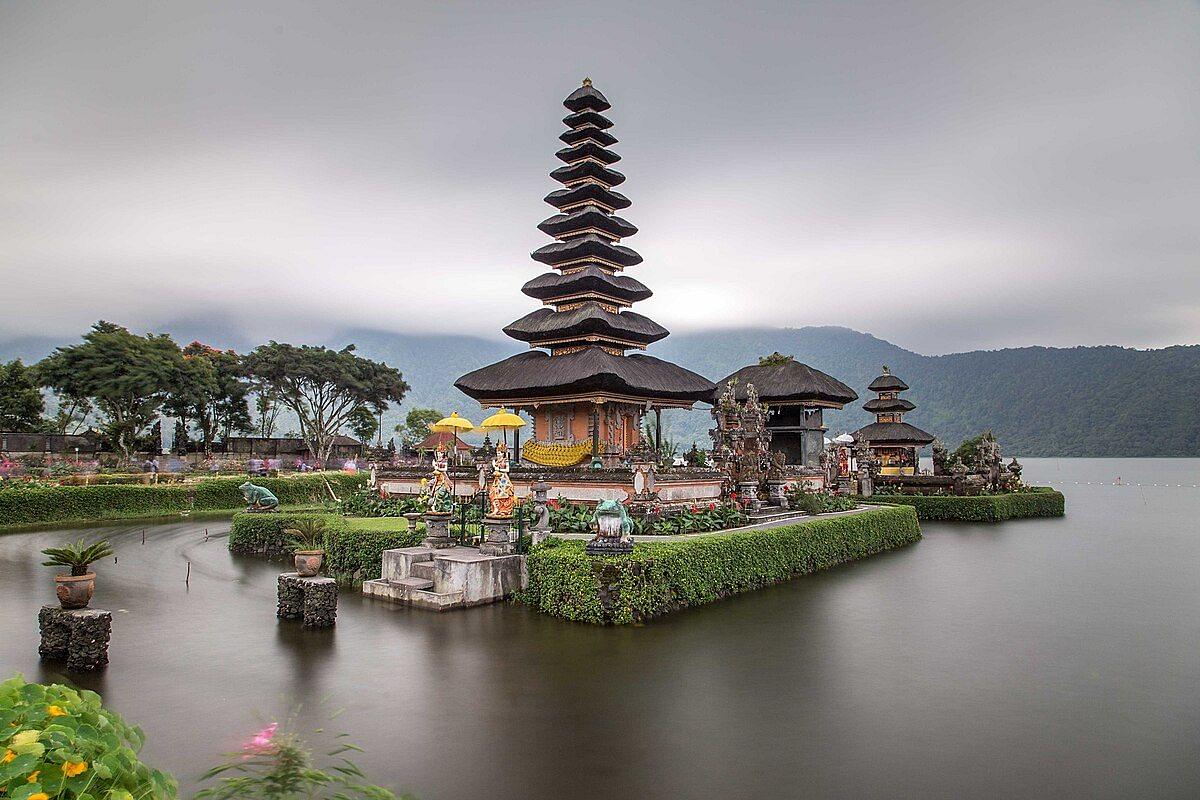
This is a temple you have seen before; it appears on the 50,000 rupiah note of Indonesia! Floating gracefully on Lake Bratan's calm waters, this 17th-century temple creates reflections so perfect they look like digital art. The temple commemorates Dewi Danu, the goddess of water and fertility, with the distinctive 11-tiered Meru pagoda rising gracefully from the lake's surface. Morning mist often shrouds the water, making this one of the most photographed temples in Bali.
- Address: Danau Beratan, Candikuning, Baturiti, Tabanan Regency
- Entry fee: 20,000 IDR
6. Pura Taman Saraswati (Ubud)
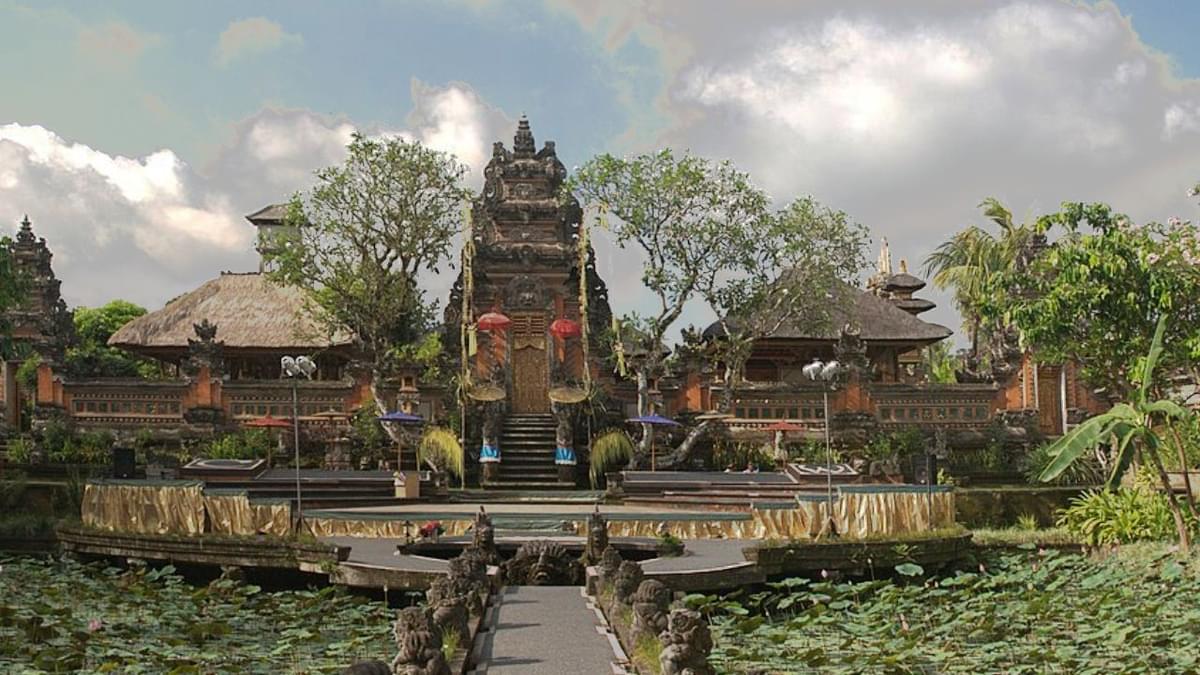
Right in the heart of Ubud's cultural scene, this temple dedicates itself to Saraswati, the Hindu goddess of knowledge, art, and wisdom. The traditional Balinese dance performances presented in the courtyard make this temple extremely unique. Watching graceful dancers move to gamelan music while temple bells ring in the background creates an unforgettable cultural immersion.
- Address: Kajeng, Ubud, Kecamatan Ubud, Kabupaten Gianyar, Bali
- Entry fee: 15,000 IDR
7. Tirta Empul Temple
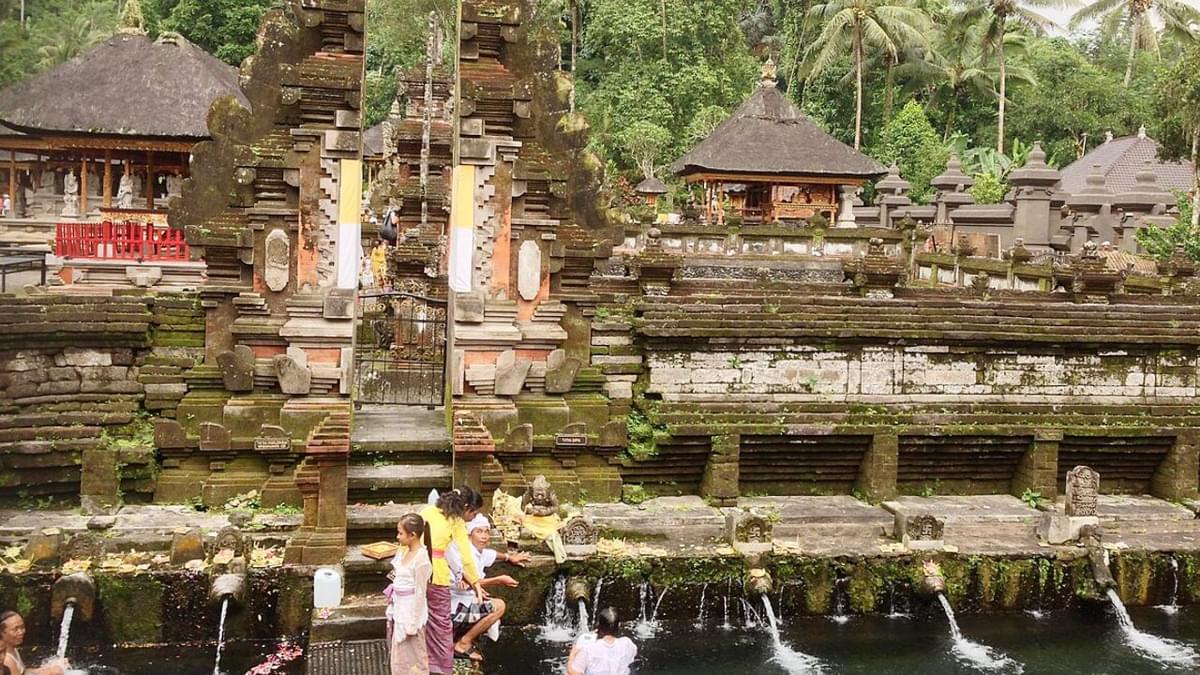
Located in the lush hills of Tampaksiring, Tirta Empul temple centres around sacred springs that have flowed continuously for over 1,000 years. Hindu devotees and curious visitors alike participate in purification rituals by bathing in the crystal-clear holy water pools. Each of the 13 fountains reportedly offers different spiritual benefits, from health and prosperity to love and wisdom.
- Address: Tampaksiring, Gianyar Regency, Bali
- Entry fee: IDR 50,000–75,000+
Tips: Bring a change of clothes if you want to participate in the purification ritual
8. Lempuyang Temple (Gates of Heaven)
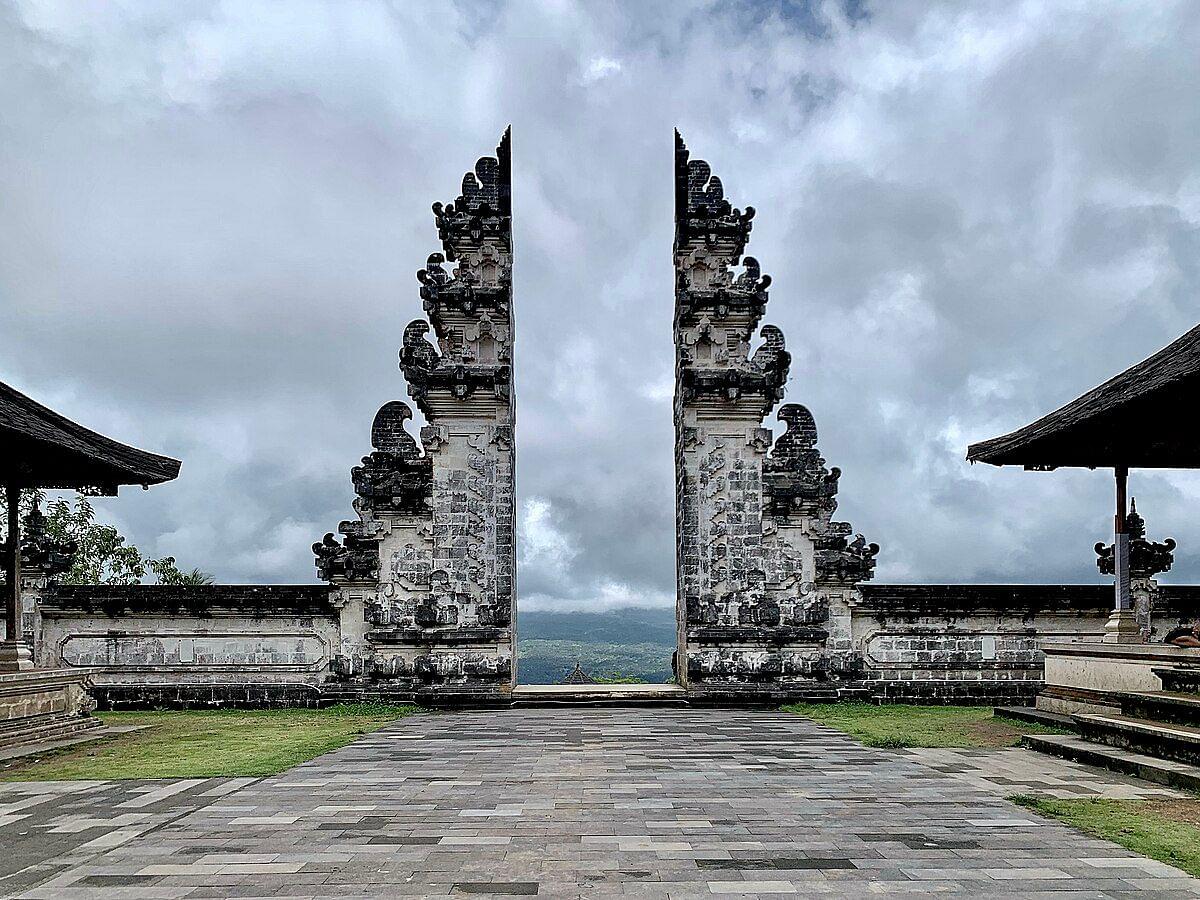
This is one of the most romantic places to visit in Bali for couples. You remember those famous Instagram shots of temple gates perfectly framing Mount Agung? That's Lempuyang Temple, and the climb to reach it becomes part of the spiritual journey. Over 1,700 steps lead up the mountainside through seven different temple levels. The "Gates of Heaven" provide some of the most breathtaking photo opportunities in all of Southeast Asia.
- Address: Pura Telaga Mas Lempuyang, Tri Buana, Kec. Abang,
- Entry fee: 75,000 IDR
9. Underwater Temple (Pemuteran)
This modern conservation project places traditional temple statues 15 meters underwater off Pemuteran's coast. Established in 2005, the underwater temple combines environmental protection with spiritual significance. It is one of the best diving and snorkelling spots in Bali, which appeals to you to explore 10 temple statues surrounded by thriving coral reefs. It's one of the most unique temples in Bali and the best places to experience the island's commitment to environmental protection.
- Address: off the coast of Pemuteran Beach
- Entry Fee: Free
10. Gunung Kawi Temple
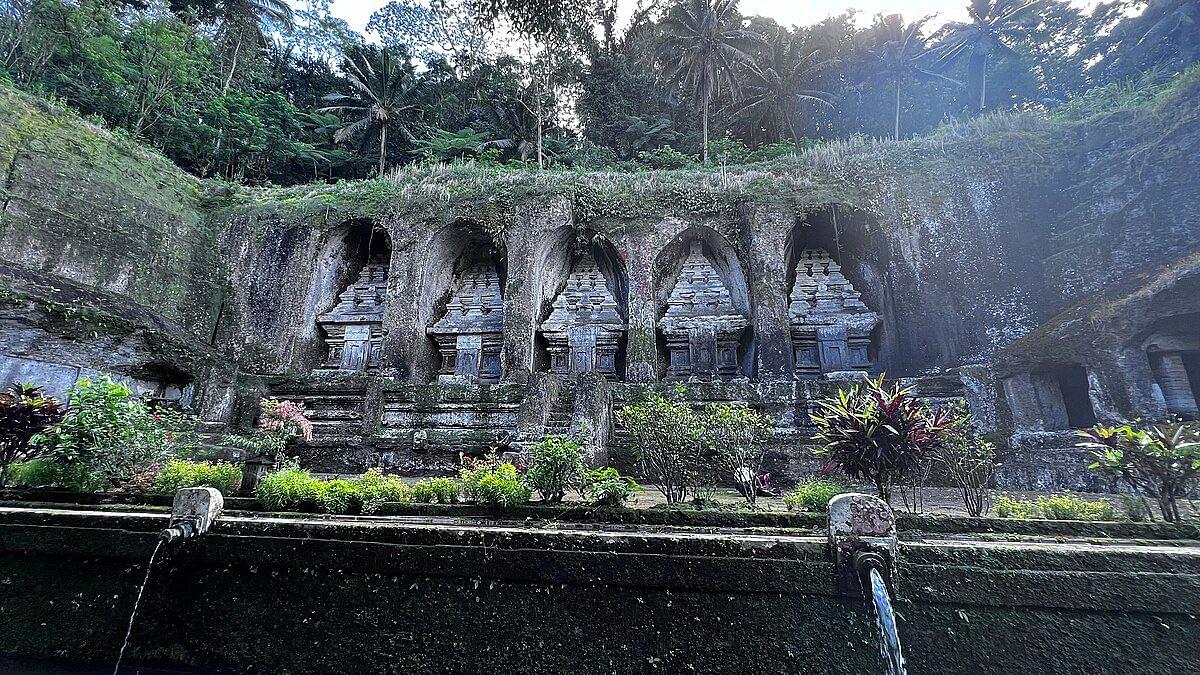
Strategically positioned on the eastern side of the beautiful Pakerisan River, this complex of the 11th century is carved deep into rock faces and houses the largest old stone monuments in Indonesia. It is a valley of ten immense candis (shrines) to extinct royalty of Bali amid luxuriant tropical vegetation that is like stumbling upon a sunken civilisation. To reach the main temple area, you need to climb through hundreds of stone steps through gorgeous rice terraces and the ancient irrigation systems.
- Address: Tampaksiring, Kec. Tampaksiring, Kabupaten Gianyar
- Entry fee: 50,000 IDR
Tips: Steep stairs down and back up, so wear proper walking shoes
Your Essential Temple Visiting Guide
- All Bali temples demand a modest dress involving full covering of the shoulders and knees.
- Sarongs are also available at 10,000-20,000 IDR outside temples, although having your own is preferable as it will fit and be more hygienic.
- Do not point your feet at altars or sacred regions
- Never take a photo in prayer without consent
- Early morning (7-9 AM) and late afternoon (4-6 PM) are the best times to visit Bali temples with cooler temperatures, magical lighting, and fewer crowds.
Bottom Line: Your Spiritual Adventure Awaits
These temples in Bali reveal why it fascinates millions every single year. Whether you're drawn to the Instagram-famous Gates of Heaven or the purification rituals at Tirta Empul, each sacred site enhances your entire Bali experience. Want to elevate your romantic or family Bali trip? Pickyourtrail can help you with curating your itinerary with top Bali tour packages.
FAQs- Bali temples
What should I wear when visiting temples in Bali?
You should always be wearing modest clothes which will cover the knees and the shoulders fully.
How much do temple visits cost, and should I book in advance?
Admission ranges between free (donations are always appreciated) to 30,000 IDR (approximately USD 2) at the most famous places. Popular temples such as Tanah Lot and Uluwatu will cost you 30,000 IDR, and smaller local temples can cost 15,000-20,000 IDR.
Can I take photos inside Balinese temples and during ceremonies?
No, you can take photos inside the Balinese temples, but you can click photos i the outer courtyards with permission.
When is the best time to visit temples in Bali?
The early morning (7-9 AM) and late afternoon (4-6 PM) are the most appropriate times to visit Bali temples due to the cooler weather, magical light, great for taking photographs in and much fewer crowds.
Are Balinese temples suitable for families with young children?
Yes, all the temples in Bali are suitable for families. However, some temples involve significant walking, stairs, or challenging terrain not suitable for kids.