
Italy in January 2027: Weather, Best Places, Events & Complete Travel Guide
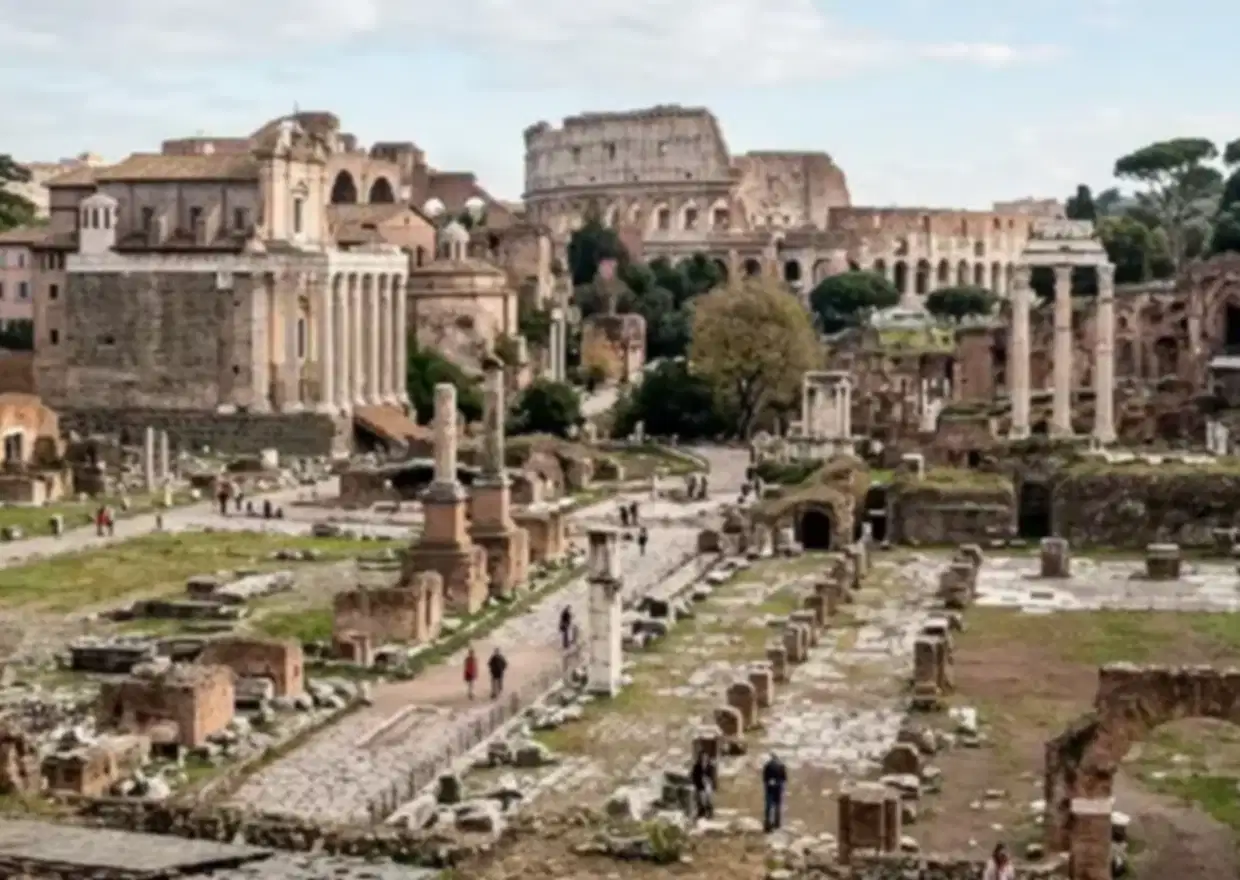
Planning an Italy package in January but unsure whether the cold weather, fewer crowds and seasonal closures will make the trip worthwhile? Italy in January offers Indian travellers a chance to experience the country beyond its summer crowds, from skiing in the Dolomites to exploring Rome’s famous landmarks in the cool winter weather.
January is one of Italy’s coldest months, but the experience varies by region. Northern Italy brings freezing temperatures and mountain snowfall, while southern cities such as Naples and Palermo remain relatively mild. The month also brings the famous Venice Carnival, which begins on 23 January 2027. This Italy guide covers January weather, the best places to visit, things to do, festivals, estimated costs from India and practical travel tips to help you plan your trip.
Key Takeaways for Italy in January
- Weather: About 0–6°C in Milan and Venice, 3–12°C in Rome and Florence, 9–15°C in Sicily. Snow in the Alps and Dolomites.
- Season: Low season in cities after 6 January; high season in ski resorts.
- Crowd level: Busy 1–6 January, then very quiet until Venice Carnival weekends.
- Prices: Among the lowest of the year for city hotels and flights from India after the first week.
- Events: Epiphany (6 Jan), winter sales (early January), Venice Carnival (from 23 Jan 2027), Fiera di Sant’Orso in Aosta (30–31 Jan).
- Visa: Schengen visa (€90 plus VFS fees). Apply 6–8 weeks ahead.
Italy Tour Package Starting @ ₹66,980
Italy Weather in January: What to Expect
January is the coldest month in Italy, but the weather varies considerably from north to south. Northern cities such as Milan and Venice experience cold, foggy days, frosty mornings and occasional snowfall. Central Italy, including Rome and Florence, has cool temperatures, with a mix of sunny days and rainfall. Southern Italy and Sicily are generally milder, although occasional rain and strong coastal winds are possible.
Daylight hours are also shorter during January, with sunset around 5 PM in Rome and approximately 4:50 PM in Venice. So, plan outdoor sightseeing earlier in the day and keep museums, restaurants and indoor attractions for the late afternoon.
Italy in January Weather at a Glance
| City or region | Typical January range | Conditions | What it means for you |
|---|---|---|---|
| Rome | 3–12°C | Cool, sunny spells, some rain | Warm coat; great walking weather by midday |
| Florence | 2–10°C | Cold mornings, some rain | Most big sights are indoors |
| Venice | 0–6°C | Cold, damp, misty | Waterproof shoes; possible high-water days |
| Milan | -1 to 6°C | Foggy and frosty | Good for shopping and museums |
| Naples and Amalfi Coast | 5–13°C | Mild but wet | Ferries may not run; many hotels closed |
| Sicily (Palermo) | 9–15°C | Mildest region, some rain | Light jacket by day |
| Dolomites and Alps | -10 to 0°C | Snowy | January is part of the main winter sports season in the Dolomites, making it a popular period for skiing and snowboarding. Check resort snow reports, lift operations and weather conditions before booking. |
Note: These are approximate long-term climate averages. Actual temperatures and snowfall depend on the year, location and weather conditions.
Pro Tip: If you are travelling from India, remember that Italian winter temperatures can feel much colder than the numbers suggest, especially when there is wind or fog. Carry a warm coat, thermal innerwear and comfortable waterproof shoes.
Italy in January vs Other Months: Weather Comparison
| Months | Season | Weather | Prices |
|---|---|---|---|
| December | Christmas season | Cold north, mild south; markets and lights | High from 20 December |
| January | Deep winter | Coldest month; snow in mountains | Lowest of the year after 6 January |
| February | Late winter, Carnival | Cold; Carnival season | Low, except Venice Carnival weekends |
| March to May | Spring | Mild, flowers, Easter crowds | Rising |
| June to September | Summer | Hot and crowded | Highest |
Early or Late January: When Should You Go?
| Dates | Weather | Prices and crowds | Best for |
|---|---|---|---|
| 1–6 January | Cold | Holiday prices; Epiphany on 6 Jan; last Christmas markets | New Year and La Befana celebrations |
| 7–22 January | Coldest stretch | Lowest prices; empty museums; winter sales | Value, art lovers, honeymooners |
| 23–31 January | Cold | Venice busy on Carnival weekends; rest of Italy quiet | Venice Carnival, skiing, Aosta fair |
NOTE: On 6 January (Epiphany), shops and some museums close or open shorter hours. Check before you plan sightseeing that day.
Best Places to Visit in Italy in January 2027
January is a great time to explore Italian cities, historic attractions and snowy mountain destinations. Here are some of the best places in Italy to include in your itinerary.
1. Rome: Explore Historic Landmarks Without Summer Crowds
Rome is one of the best cities to visit in Italy in January if you enjoy history, architecture and food. The weather is cool but generally suitable for walking tours during the day. You can explore famous landmarks without experiencing the same level of summer crowds.
- Location: Lazio, Central Italy
- Best Time to Visit: 9 AM–4 PM
- Activities: Visit the Colosseum, Roman Forum, Trevi Fountain, Pantheon and Vatican Museums.
2. Venice: Experience the Floating City in Winter
Venice looks different in January. Its canals, historic bridges and narrow streets often feel quieter after the New Year holiday period. You can enjoy the city’s architecture, take a gondola ride when conditions permit and explore its museums.
The biggest highlight is Venice Carnival, which begins on 23 January 2027. If you want to see traditional masks, costumes and public celebrations, plan your trip towards the end of the month.
- Location: Veneto, Northern Italy
- Best Time to Visit: 9 AM–5 PM
- Activities: Explore St Mark’s Square, Doge’s Palace, Rialto Bridge and the Grand Canal.
3. Florence: Discover Art, Museums and Tuscan Food
Florence is an excellent destination for travellers who enjoy art, architecture and Italian history. January offers a quieter experience at many popular attractions compared with the busy summer months. You can also explore traditional Tuscan food, try ribollita and other seasonal dishes that are especially comforting during winter.
- Location: Tuscany, Central Italy
- Best Time to Visit: 9 AM–5 PM
- Activities: Visit Florence Cathedral, Uffizi Gallery, Ponte Vecchio and Piazzale Michelangelo.
4. Milan: Enjoy Winter Shopping and Fashion
Milan is a great choice for travellers interested in fashion, shopping, architecture and food. January is especially attractive because Italy’s winter sales begin in early January. The winter sales, known as Saldi Invernali, offer discounts at participating shops. The 2027 sales will begin on 5 January in Lombardy, although regional dates can vary.
- Location: Lombardy, Northern Italy
- Best Time to Visit: 10 AM–6 PM
- Activities: Visit the Duomo di Milano, Galleria Vittorio Emanuele II, Sforza Castle and the Brera district.
5. Naples: Enjoy Authentic Italian Food and History
Naples is one of the better choices for travellers who want to explore southern Italy during winter. It generally has milder temperatures than Milan and Venice, making outdoor sightseeing more comfortable.
- Location: Campania, Southern Italy
- Best Time to Visit: 9 AM–5 PM
- Activities: Explore the historic centre, visit Naples National Archaeological Museum, enjoy authentic Neapolitan pizza and plan a day trip to Pompeii.
6. Palermo: Discover Sicily’s Mild Winter Weather
Palermo is a good destination if you want to experience a milder Italian winter. Located in Sicily, the city has a rich mix of historic buildings, markets, churches and traditional food.
- Location: Sicily, Southern Italy
- Best Time to Visit: 9 AM–5 PM
- Activities: Visit Palermo Cathedral, Quattro Canti, Teatro Massimo and the Ballarò Market.
7. Dolomites: Enjoy Snow, Skiing and Mountain Views
If you want to experience snow in Italy, the Dolomites should be on your itinerary. January is part of the main winter sports season, making it an excellent time for skiing, snowboarding and other snow activities.
Popular destinations include Cortina d’Ampezzo, Val Gardena and Alta Badia. If you are visiting for skiing, book your accommodation, ski passes and equipment rentals early, especially for weekends and school holidays.
- Location: Northern Italy, across Trentino-Alto Adige, Veneto and Friuli-Venezia Giulia
- Best Time to Visit: Daytime, depending on lift and weather conditions
- Activities: Skiing, snowboarding, snowshoeing and scenic cable-car rides.
Italy Visa Requirements for Indian Travellers
Indian passport holders need a Schengen visa to visit Italy for tourism. A short-stay Schengen visa generally allows eligible travellers to stay for up to 90 days within a 180-day period across the Schengen Area, subject to the visa granted.
To apply for an Italian tourist visa, you will generally need:
- A valid passport and completed visa application form
- Recent passport-size photographs meeting Schengen specifications
- Confirmed flight itinerary and accommodation details
- A day-wise travel itinerary
- Travel medical insurance meeting Schengen requirements
- Recent bank statements and proof of financial means
- Employment, business or other supporting documents relevant to your circumstances
The standard adult Schengen visa fee is €90. VFS service charges, travel insurance and optional services are additional expenses.
Apply through the authorised Italian visa application process for your jurisdiction in India. If Italy is your main destination, you should generally apply through the Italian authorities. Submit your application within the permitted application window and allow sufficient time for processing.
Check the latest document checklist, appointment availability, fees and processing guidance through the official Italian visa application information on VFS Global before applying.
Where to Stay in Italy in January
Choosing where to stay in Italy in January depends on the kind of winter holiday you have planned. Whether you want easy access to historic attractions in Rome, Carnival celebrations in Venice, shopping in Milan or snow activities in the Dolomites, picking the right location can make your trip more comfortable. Here are the best areas and accommodation options to consider for your January holiday.
| Destination | Best for | Suggested areas | Stay options to explore |
| Rome | History and sightseeing | Historic Centre, Monti, Prati | Hotel Artemide, The Hoxton Rome |
| Venice | Carnival and romantic holidays | San Marco, Cannaregio, Dorsoduro | Hotel Danieli, Hotel Saturnia & International |
| Florence | Art and culture | Duomo, Santa Maria Novella | Hotel Spadai, Hotel Calimala |
| Milan | Shopping and city experiences | Duomo, Brera, Centrale | NYX Hotel Milan, Room Mate Giulia |
| Naples | Food and history | Centro Storico, Chiaia | Grand Hotel Vesuvio, Decumani Hotel de Charme |
| Dolomites | Skiing and snow activities | Cortina d’Ampezzo, Val Gardena | Hotel de la Poste, Hotel Gardena Grödnerhof |
Where to Stay in Italy by Travel Style
- Honeymoon: Choose Venice or Florence for romantic walks, beautiful architecture and intimate dining. You can also consider a mountain resort in the Dolomites for a snowy honeymoon.
- Families: Rome and Florence are good choices for families interested in history, museums and easy access to major attractions. Select accommodation close to public transport to reduce walking in cold weather.
- Budget travellers: Consider accommodation near railway stations or outside the busiest historic centres. Rome, Naples and Florence offer a range of guesthouses and hotels, but compare location and transport costs before booking.
- Adventure lovers: Stay in Cortina d’Ampezzo or Val Gardena if skiing and snow activities are your main priorities.
Top Things to Do in Italy in January

Italy offers plenty of experiences beyond sightseeing during January. You can explore historic cities, enjoy winter food, shop during seasonal sales and experience the snow-covered mountains. Here are the best things to do in Italy in January:
1. Go skiing in the Dolomites: January is an excellent time for skiing and snowboarding in destinations such as Cortina d’Ampezzo and Val Gardena. Check snow conditions and lift operations before booking.
2. Explore Italy’s famous museums: Visit the Uffizi Gallery in Florence, Vatican Museums in Rome and the Pinacoteca di Brera in Milan. Indoor attractions are particularly useful on rainy or cold days.
3. Experience Venice Carnival: Watch public celebrations, see traditional masks and enjoy the festive atmosphere when Venice Carnival begins on 23 January 2027.
4. Enjoy authentic Italian winter food: Try ribollita in Tuscany, polenta in northern Italy, risotto in Milan and traditional pasta dishes in Rome and Naples.
5. Go shopping during winter sales: Explore Milan’s fashion streets and shopping galleries during the January winter sales. Florence and other Italian cities also offer seasonal discounts, depending on regional schedules.
6. Take a day trip to Pompeii: Explore the ancient Roman city near Naples. January’s cooler weather can make outdoor archaeological sightseeing more comfortable, although rain and site conditions should be considered.
7. Enjoy thermal baths and wellness experiences: Visit thermal destinations such as Saturnia in Tuscany or Bormio in Lombardy. Check access, opening hours and reservation requirements before travelling.
8. Explore Italian Christmas traditions: Visit local churches, historic squares and towns where some Christmas-related displays and Epiphany celebrations continue into early January.
Italy Events and Festivals in January 2027

January brings winter celebrations, religious holidays, shopping sales and cultural events to different parts of Italy. If you are visiting towards the end of the month, you can also experience the beginning of the country’s famous Carnival season.
| Event | Date in 2027 | Location | What to expect |
| New Year’s Day | 1 January | Across Italy | Public holiday; some shops and attractions remain closed |
| Epiphany and La Befana | 6 January | Across Italy | Religious celebrations, traditional festivities and the end of the Christmas season |
| Winter sales | From early January; dates vary by region | Across Italy | Seasonal discounts at participating shops |
| Venice Carnival | 23 January–9 February | Venice | Traditional masks, costumes, public performances and cultural events |
| Viareggio Carnival | Opening parade on 30 January | Viareggio, Tuscany | Large decorated floats, masked parades and public celebrations |
| Fiera di Sant’Orso | 30–31 January | Aosta, Aosta Valley | Traditional woodcraft, regional artisans and local food experiences |
If you plan to attend Venice Carnival, book accommodation early and check the official programme before travelling. The detailed 2027 schedule is subject to updates.
Winter sales dates vary by region, so check local government announcements if shopping is a priority during your trip.
How Much Does an Italy Trip Cost in January from India?
A 7–10-day Italy holiday from India can cost approximately ₹1.5 lakh–₹1.9 lakh per person for a budget trip, ₹2.2 lakh–₹2.9 lakh for a comfortable mid-range holiday and ₹3.5 lakh or more for a premium experience.
Estimated Italy Trip Cost from India
| Cost per person | Budget | Mid-range | Luxury |
|---|---|---|---|
| Return flights from India | ₹45,000–₹55,000 (after 7 Jan) | ₹50,000–₹65,000 | ₹70,000–₹1 lakh (1–5 Jan) |
| Schengen visa, VFS fee and insurance | ₹12,000–₹15,000 | ₹12,000–₹15,000 | ₹12,000–₹15,000 |
| Stay per night | ₹5,000–₹8,000 | ₹10,000–₹17,000 | ₹30,000 and above |
| Food per day | ₹2,500–₹4,000 | ₹5,000–₹7,500 | ₹12,000+ |
| Trains, transport and attractions per day | ₹2,500–₹4,000 | ₹4,000–₹6,500 | ₹10,000+ |
| Typical 7-night trip total | ₹1.1–₹1.5 lakh | ₹1.7–₹2.4 lakh | ₹3.3 lakh–₹5 lakh or more |
NOTE: The prices above are estimates and should be treated as broad planning ranges. They do not represent confirmed January 2027 prices. Visa costs, ski packages, shopping and optional premium experiences should be budgeted separately.
What Increases the Cost of an Italy Trip in January?
- Flights from India: Airfares vary depending on your departure city, airline, connecting route and booking date. Compare flights from Delhi, Mumbai, Bengaluru and other major Indian cities.
- Accommodation: Hotels in central Rome, Venice and Florence can cost more than properties outside the historic centres. Venice Carnival and mountain ski resorts can also increase accommodation demand.
- Intercity transport: High-speed trains are convenient for travelling between Rome, Florence, Milan and Venice. Booking earlier can help you find lower promotional fares, subject to availability.
- Winter activities: Ski passes, equipment rentals, mountain transfers and guided snow activities can increase your total budget.
- Food: Restaurants in popular tourist areas can be more expensive. Local trattorias, bakeries and casual restaurants can help control food expenses.
How to Save on an Italy Trip in January
- Travel after 6 January if you want to avoid the main New Year and Epiphany holiday period.
- Book international flights and popular hotels early.
- Compare accommodation outside expensive city centres, but stay close to public transport.
- Reserve high-speed train tickets in advance when your itinerary is fixed.
- Use local public transport instead of taxis wherever practical.
- Check whether museums and attractions offer reduced admission for eligible visitors.
- Compare meal prices and look for local restaurants away from major tourist squares.
- Book ski equipment and mountain accommodation ahead of your trip.
Regional Weather Across Italy in January
Italy’s winter weather changes considerably from north to south. Understanding these differences helps you choose the right destinations for your holiday.
Northern Italy Weather
Northern Italy, including Milan, Venice, Turin and the Dolomites, experiences some of the coldest weather in January. Temperatures can fall close to or below freezing at night. Fog is common in parts of the Po Valley, while the Alps and Dolomites receive winter snowfall.
This region is best for winter sports, shopping, historic city tours and snowy mountain experiences.
Central Italy Weather
Central Italy includes Rome, Florence and Tuscany. January brings cool daytime temperatures and cold evenings, with occasional rainfall. It is a good region for visiting museums, historic buildings and cultural attractions. Carry warm layers and plan outdoor sightseeing during daylight hours.
Southern Italy Weather
Southern Italy, including Naples and parts of Campania, generally has milder winter temperatures. Rain and windy conditions are still possible, particularly along the coast. This region is suitable for food experiences, historic sightseeing and exploring cities without summer heat.
Islands of Italy Weather
Sicily and Sardinia are generally milder than northern Italy during January. Palermo and other Sicilian cities are good choices for cultural sightseeing and winter food experiences. However, January can be rainy, and some coastal hotels and seasonal services may operate on reduced schedules.
Suggested 8-Day Italy Itinerary for January
An eight-day Italy holiday in January can combine historic cities, art, food and winter experiences. This route is suitable for first-time visitors who want to explore central and northern Italy without rushing between too many destinations.
| Day | Destination | Suggested experiences |
| Day 1 | Rome | Arrive, check in and explore the historic centre |
| Day 2 | Rome | Visit the Colosseum, Roman Forum, Trevi Fountain and Pantheon |
| Day 3 | Rome to Florence | Travel by train and explore Florence Cathedral and Ponte Vecchio |
| Day 4 | Florence | Visit the Uffizi Gallery, explore Tuscan food and enjoy the city’s historic streets |
| Day 5 | Florence to Venice | Travel by train, explore Rialto Bridge and St Mark’s Square |
| Day 6 | Venice | Explore Doge’s Palace, the Grand Canal and Carnival celebrations if travelling during the event period |
| Day 7 | Venice to Milan | Travel to Milan and visit the Duomo and Galleria Vittorio Emanuele II |
| Day 8 | Milan | Enjoy shopping or visit Sforza Castle before departure |
For a winter sports holiday: Replace Milan with a longer stay in the Dolomites, allowing time for mountain transfers, ski activities and weather-related flexibility.
If you want to include Naples, Pompeii or Sicily, consider extending your trip rather than trying to cover all of Italy in eight days. Check train schedules and attraction opening hours before finalising your route.
What to Pack for Italy in January
Packing the right clothes is important because temperatures can change significantly between Italian cities and mountain destinations.
What to Pack for Italy in January
Clothes
- A warm, waterproof winter coat.
- Thermal base layers and sweaters.
- Scarf, gloves and a warm hat.
- Smart-casual clothes for dinners.
Shoes and rain
- Waterproof walking shoes with grip.
- Wool socks.
- A compact umbrella.
Documents and gadgets
- Passport, Schengen visa, insurance and bookings.
- A European plug adapter (Type C/F/L, 230 V).
- A power bank; cold drains phone batteries.
Expert Italy Travel Tips for January
- Start sightseeing by 9 AM; it’s dark by 5 PM.
- Check opening hours on 1 and 6 January.
- Book Venice early if your dates overlap with Carnival.
- Skip the Amalfi Coast in January unless you want it empty and partly closed.
- Carry some euros for small cafés and markets.
- Validate regional train tickets before boarding.
- Vegetarians will love pasta, pizza, risotto and soups everywhere.
- Wear layers; museums and trains are well heated.
Food Tips for Indian Vegetarian Travellers
Italy offers plenty of vegetarian-friendly food, including Margherita pizza, pasta with tomato-based sauces, vegetable risotto, minestrone soup and regional vegetable dishes. However, check ingredients before ordering because some sauces, soups and risottos may contain meat stock, anchovies or seafood. Major cities such as Rome, Florence and Milan also have Indian restaurants and dedicated vegetarian options. If you follow a Jain diet, communicate your requirements clearly and confirm that dishes do not contain onion, garlic or other ingredients you avoid.
Italy or Switzerland in January: Which Is Better?
Italy and Switzerland are both attractive winter destinations, but they offer different travel experiences. Italy is ideal for history, food, shopping and cultural sightseeing, while Switzerland is better known for snow-covered landscapes, mountain railways and winter sports.
| Factor | Italy in January | Switzerland in January |
| Weather | Cold in the north, milder in the south | Cold across most regions, with snow in mountain areas |
| Best experiences | Museums, historic cities, food and winter shopping | Skiing, snow activities and mountain sightseeing |
| Accommodation | Wide range of city hotels and mountain stays | Hotels and mountain resorts can be expensive |
| Food | Pizza, pasta, risotto and regional winter dishes | Cheese fondue, raclette and traditional Swiss dishes |
| Shopping | Winter sales begin in early January in several regions | Shopping in major cities and mountain resorts |
| Best for | Culture, history, food and varied city experiences | Snow, scenic mountains and winter adventures |
NOTE: Choose Italy if you want a holiday filled with historic landmarks, museums, shopping and traditional food. Choose Switzerland if your main interest is snow-covered mountains, skiing and scenic winter experiences.
Bottom Line: Why Visit Italy in January 2027?
Italy in January is worth considering if you want to experience the country without the heavy summer crowds, enjoy authentic winter food, shop during seasonal sales or explore snow-covered mountain destinations. From Rome’s historic landmarks and Florence’s art museums to Venice Carnival and skiing in the Dolomites, January offers plenty of experiences for different types of travellers. Southern destinations such as Naples and Palermo are also good options if you prefer relatively milder winter weather.
For Indian travellers, the best time to plan a city-focused holiday is between 7 and 22 January, when major cities are generally quieter and accommodation can be more affordable. If Venice Carnival is on your list, plan towards the end of the month and book your stay early.
FAQs
1. Is January a good time to visit Italy?
A: Yes, January is a good time to visit Italy if you enjoy winter sightseeing, museums, traditional food, shopping and snow activities. Major cities are generally quieter and more affordable after 6 January. However, temperatures are cold, and some coastal hotels and seasonal businesses close during winter.
2. What is the weather like in Italy in January?
A: Italy experiences cold winter weather in January, with temperatures varying by region. Northern cities such as Milan and Venice generally experience temperatures between -1°C and 6°C, while Rome and Florence range from 2°C to 12°C. Southern destinations such as Naples and Palermo are milder, with temperatures reaching 15°C.
3. Does it snow in Italy in January?
A: Yes, January is one of the best months to experience snowfall in Italy, particularly in the Alps and Dolomites. Mountain destinations such as Cortina d’Ampezzo, Val Gardena and Alta Badia offer opportunities for skiing and snowboarding. However, snowfall is less predictable in cities such as Rome, Florence and Naples.
4. Which are the best places to visit in Italy in January?
A: Rome, Venice, Florence, Milan, Naples, Palermo and the Dolomites are among the best places to visit in Italy in January. Rome and Florence are ideal for history and culture, Venice offers winter charm and Carnival celebrations, Milan is popular for shopping, and the Dolomites are perfect for snow activities.
5. Is Italy crowded in January?
A: Italy is generally less crowded in January than during the spring and summer tourist seasons. Major cities such as Rome, Florence and Milan become quieter after the Epiphany holiday on 6 January. However, ski resorts remain busy during winter, and Venice attracts more visitors during Carnival towards the end of the month.
6. How much does an Italy trip from India cost in January?
A: A 7–10-day Italy trip from India can cost approximately ₹1.5 lakh–₹1.9 lakh per person for a budget holiday, ₹2.2 lakh–₹2.9 lakh for a mid-range trip and ₹3.5 lakh or more for a luxury holiday. The total cost depends on flights, accommodation, food, transport, sightseeing and winter activities.
7. Which part of Italy is warmest in January?
A: Sicily and southern Italy are generally the warmest parts of Italy in January. Palermo experiences temperatures of around 9°C–15°C, while Naples typically ranges between 5°C and 13°C. These destinations are suitable for relatively comfortable winter sightseeing, although rain and coastal winds are possible.
8. What are the best things to do in Italy in January?
A: The best things to do in Italy in January include skiing in the Dolomites, exploring historic landmarks in Rome, visiting museums in Florence, shopping during winter sales, enjoying traditional Italian winter food and experiencing Venice Carnival. You can also explore archaeological sites such as Pompeii and visit thermal baths.
9. What festivals and events take place in Italy in January 2027?
A: Major events in Italy in January 2027 include New Year’s Day on 1 January, Epiphany and La Befana celebrations on 6 January, regional winter sales beginning in early January, Venice Carnival from 23 January and the Fiera di Sant’Orso in Aosta on 30–31 January. Event schedules and local celebrations may vary.
10. Is Venice Carnival happening in January 2027?
A: Yes, Venice Carnival 2027 begins on 23 January and continues until 9 February 2027. Visitors can experience traditional Venetian masks, elaborate costumes, public celebrations and cultural events. Book your accommodation early, as visitor demand increases during the Carnival period.
11. Is the Amalfi Coast worth visiting in January?
A: Yes, the Amalfi Coast is worth visiting in January if you prefer peaceful coastal scenery, quiet villages and a slower travel experience. However, many hotels, restaurants and seasonal tourist services close during winter, and ferry services are limited. Check accommodation and transport availability before including the Amalfi Coast in your itinerary.
12. What should I wear in Italy in January?
A: Wear thermal innerwear, sweaters, a warm winter coat, trousers, gloves, scarves and comfortable waterproof shoes when visiting Italy in January. If you are travelling to the Alps or Dolomites, carry insulated winter clothing, waterproof boots and suitable snow gear. An umbrella or rain jacket is useful for city sightseeing.
13. Is January a good time to visit Italy for a honeymoon?
A: Yes, January can be a good time for a honeymoon in Italy if you enjoy romantic city walks, historic architecture, cosy restaurants and winter mountain stays. Venice and Florence offer romantic city experiences, while the Dolomites are ideal for couples who enjoy snowy mountain scenery. However, January is not suitable for a warm beach honeymoon.
14. Is January cheaper than December in Italy?
A: Yes, January is generally cheaper than December in Italy, particularly after the Christmas and New Year holiday period. Hotel rates and flight prices often become more affordable after 6 January. However, ski resorts and Venice Carnival dates can still have higher accommodation prices.
15. Do Indians need a visa to visit Italy in January 2027?
Yes. Indian passport holders need a Schengen visa for tourism in Italy. The standard adult visa fee is €90, with additional VFS service charges and travel insurance costs. Check the current application requirements and appointment availability through the authorised Italian visa application process in India.
16. Is Venice Carnival happening in January 2027?
Yes. Venice Carnival 2027 is scheduled from 23 January to 9 February. The detailed programme is being finalised, so check the official event website for performances, public celebrations and ticketed events before travelling.
17. Is Italy worth visiting in January for Indian travellers?
Yes. Italy can be a good January destination for Indian travellers interested in history, museums, food, shopping and winter experiences. Major cities are generally quieter after Epiphany, while the Dolomites offer skiing and snow activities. Carry appropriate winter clothing and plan around shorter daylight hours.
18. Does it snow in Rome or Venice in January?
Snow is possible but not guaranteed in either city. January snowfall is more reliable in the Alps and Dolomites. Rome and Venice generally experience cold winter weather, with rain, fog or occasional frost depending on local conditions.
19. How many days are enough for Italy in January?
Seven to ten days are suitable for a first-time Italy holiday covering cities such as Rome, Florence, Venice and Milan. If you want to include the Dolomites, Naples, Pompeii or Sicily, consider extending your trip to allow for additional travel time.
20. Is public transport available throughout Italy in January?
Yes. Trains, buses and urban public transport generally operate throughout January, although holiday schedules and weather-related disruptions can affect some services. Check local timetables before travelling, especially on 1 and 6 January and when visiting mountain destinations.

Recommended articles for you


Discover Packages



Europe City Packages
Packages By Departure City
Packages By Theme
Packages By Duration
Europe Combo Packages
Europe Nearby Destinations

Need help in planning?
Talk to our Travel Experts