
Festivals in Spain: Dates, Locations and 2026 Travel Guide
Imagine watching a giant sculpture go up in flames, joining a city-wide tomato fight, or seeing thousands of people race alongside bulls through narrow streets. These aren’t scenes from a film; they are real celebrations that bring Spain’s streets to life every year. Festivals in Spain take place throughout the year, with March to May bringing major events such as Las Fallas, Semana Santa and the Feria de Abril. For Indian travellers, knowing the festival dates, locations and costs makes it easier to plan a trip around these celebrations.
This guide covers the best festivals in Spain, month by month, with the 2026 dates, ticket prices in Indian rupees, travel tips and Schengen visa information to help you plan your Spain holiday packages with confidence.
Festivals in Spain at a Glance: 2026 Dates, Locations and Costs
| Festival | City | 2026 dates | Cost to watch |
| Carnival street party | Santa Cruz de Tenerife | 19–28 February | Free |
| Las Fallas | Valencia | 15–19 March | Free (most events) |
| Semana Santa (Holy Week) | All over Spain, best in Seville | 21–28 March | Free |
| Feria de Abril | Seville | 13–18 April | Free to walk in; many tents are private |
| Fiesta de los Patios | Córdoba | 3–16 May (expected) | Free in recent years |
| San Fermín | Pamplona | 6–14 July | Free |
| La Tomatina | Buñol | 25 August (expected) | Ticket needed: €15 in 2026 (about ₹1,620) |
7 Famous Festivals in Spain to Experience in 2026
Spain’s biggest festivals offer everything from spectacular fire displays and traditional religious processions to lively street parties and unusual food fights. Here are the famous festivals worth planning your trip around, with their dates, locations and what you can expect at each celebration.
1. Semana Santa in Seville: Spain’s Famous Holy Week Processions
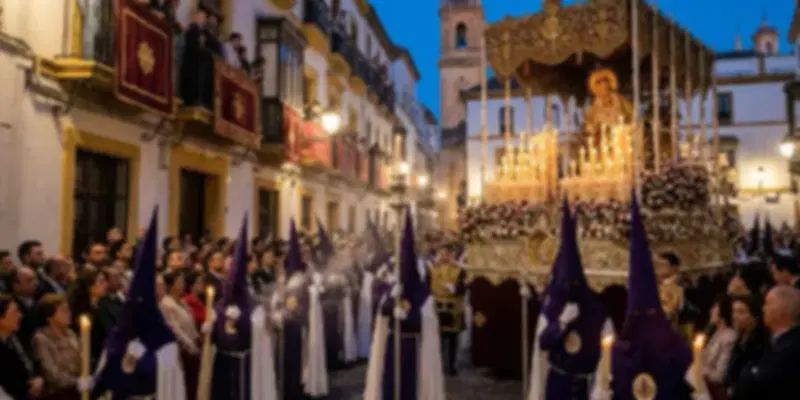
You may have heard of Semana Santa—Holy Week—but probably never seen it or experienced it on the Spanish level before. In many parts of Spain, elaborate processions happen in the streets every day throughout the week leading up to Easter. All these processions have been happening in Spain for centuries and it looks pretty much the same as hundreds of years ago. The most famous processions are hosted in the cities of Seville, Malaga, Valladolid, and León.
You can dress traditionally and get immersed in one of the most popular religious festivals in Spain, accompanied by sombre music played by live bands. Moreover, It usually takes place in the month of April.
2. La Tomatina in Buñol: Spain’s Famous Tomato Fight
Not many can say that they have taken part in the world’s biggest food fight! Except for the thousands who take to the streets of the tiny town of Buñol, near Valencia, to do so every year. The food of choice at La Tomatina is tomatoes. It is one hell of an experience and unforgettably fun. Various sources claim it all started in 1945, when a disruption during a parade resulted in spectators throwing tomatoes from a nearby fruit stand at each other.
The tradition caught on from then on, and it happens every year during the fourth Wednesday in August. Finally, you should now purchase a ticket, which also includes travel to Buñol from major cities in Spain.
3. San Fermín in Pamplona: Dates and Bull Run Traditions
A controversial yet popular festival that draws hundreds of foolhardy souls and more eager spectators, Pamplona’s Bull Run is one of the most action-packed traditional festivals in Spain. The bull runs are actually a part of the famous local festival known as San Fermín, taking place in the northern city of Pamplona for a week in early July. Participants take bulls to the streets every morning for a nail-biting race to the bull ring, and later a bullfight will take place.
However, Pickyourtrail does not recommend running with the bulls and trusts its readers to make their own decisions on the ethics of the bull run event as a festival.
4. Semana Grande in Bilbao: Music, Fireworks and Street Celebrations
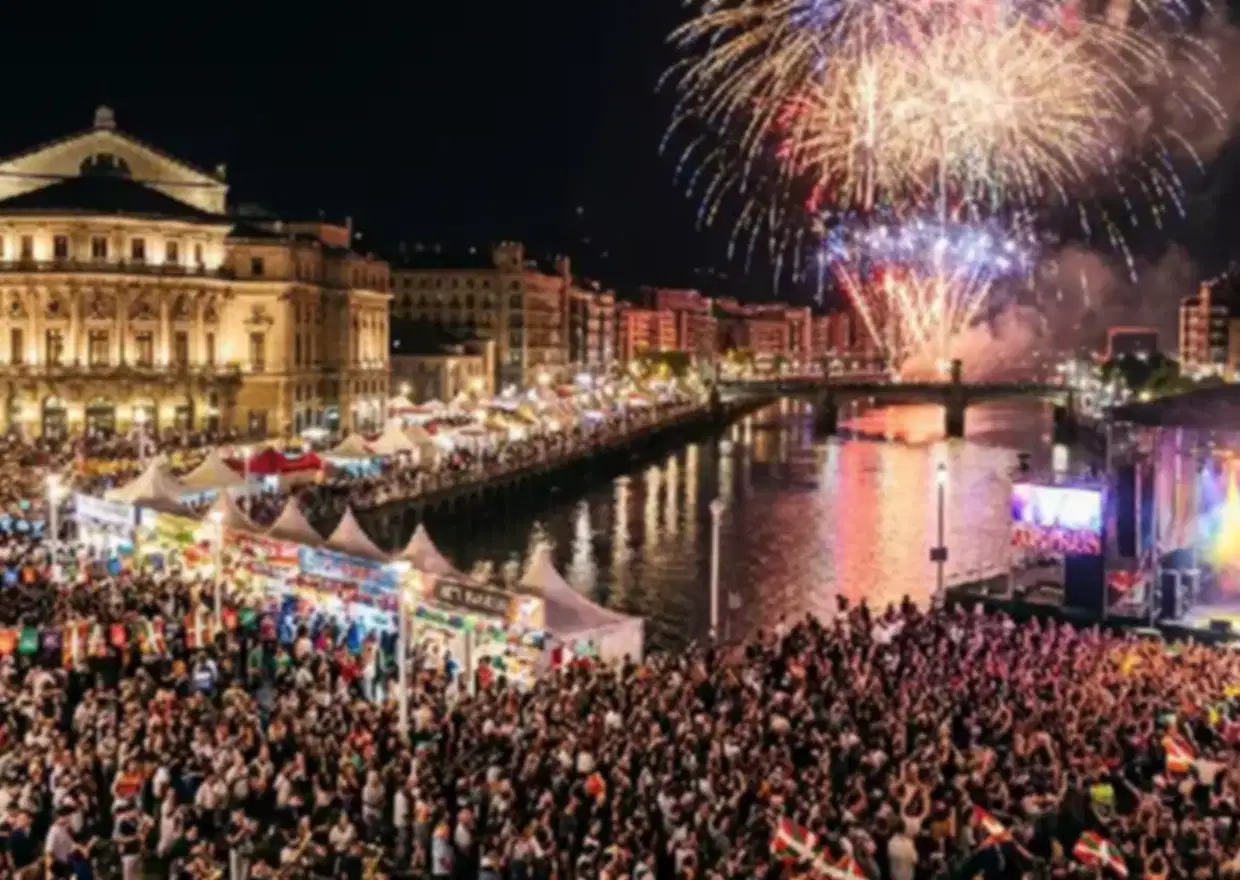
Semana Grande, Great Week, Aste Nagusia- however you call it, it’s one of the most important traditional festivals in northern Spain. A unique celebration in the Basque Country, this cultural festival takes place every August in one of the region’s largest cities, Bilbao.
What can you see at Semana Grande? A little bit of everything! Two main attractions are the giant puppets parade and the unrivalled number of concerts, with performances from rock and pop to classical and jazz. In addition to this, you have a fancy fireworks competition, a strongman showdown and even an “ugly contest.” Sounds good? Save the date for 2026’s celebration.
5. Las Fallas in Valencia: Giant Sculptures and Fireworks
If you have celebrated Guy Fawkes Night or attended a Homecoming party, you might think you’ve seen a big bonfire. The truth is, you haven’t seen anything yet unless you’ve been to Las Fallas in Valencia. The streets of Valencia come alive with giant paper sculptures, painstakingly handcrafted in ornate detail over several nights in mid-March.
Finally, on the last night, most of the sculptures, or falles, are burned in huge bonfires throughout the city. It takes place every year in the month of July, featuring more than 700 incredible falls.
6. Feria de Abril in Seville: Flamenco, Music and Spanish Traditions
Seville’s most iconic festival, the annual April Fair, is a vibrant extravaganza of flamenco, horses, and sherry. Though it began as a simple livestock fair, the Feria is now a place to see and be seen in your Spanish itinerary. It features lavishly costumed men and women riding in horse-drawn carriages among the casetas, or tents.
Feria is a wholesome family affair and your kids will be thoroughly entertained here. However, at night, the event turns practically hedonistic, with free-flowing alcohol and parties hosted until midnight. Make sure you are a part of this colourful festival in Spain during your visit.
7. Córdoba Patios Festival: Spain’s Famous Flower Festival
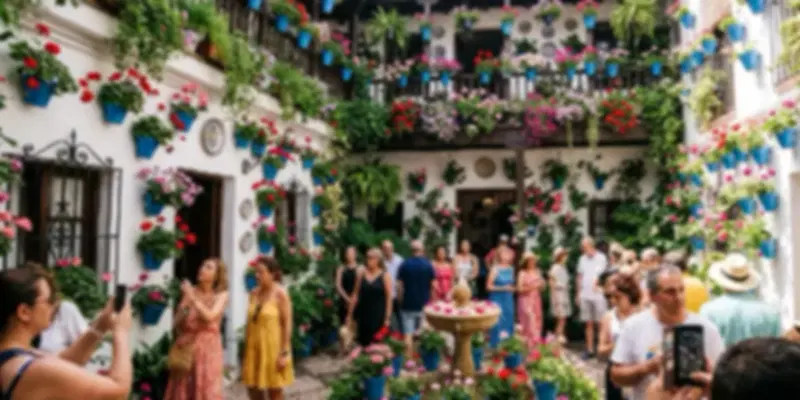
The Cordoba Patios festival takes place in the first week of May every year and is an ancient tradition of the city of Cordoba. During this festival, the owners of the most beautiful patios open them up for tourists to visit. It’s a vibrant and colourful fair, a treat for all nature lovers. Started around the 1920s, it’s a very romantic attraction for all honeymooners in Spain. If you are on a honeymoon trip to Spain around this time, don’t miss this!
Which Festival in Spain Should You Visit? Best Festivals by Interest
The best festival in Spain for you depends on what you enjoy most. Some celebrations feature fireworks and street parties, while others focus on religion, music, flowers, or local traditions.
| If you want | Festival | When |
| Fire and fireworks | Las Fallas | March |
| Quiet, deep tradition | Semana Santa | March or April |
| Music, dance and horses | Feria de Abril | April |
| Flowers and peaceful walks | Fiesta de los Patios | May |
| A huge morning crowd and a running tradition | San Fermín | July |
| A messy, silly food fight | La Tomatina | August |
| Costumes and street parties | Carnival | February |
Tips for Attending Festivals in Spain: Tickets, Safety and Travel
- Book hotels as early as you can. The famous dates sell out.
- Wear comfortable shoes. You will walk and stand a lot.
- Keep your phone and wallet in a front pocket. Crowds attract pickpockets.
- Carry water. Summer festivals are hot.
- Check shop hours. Many close for holidays.
- Be respectful at religious events. Do not talk loudly or block processions.
- If you eat vegetarian, say “sin carne,” which means “without meat.” Look for tortilla de patatas (potato omelette). During Fallas, try buñuelos, which are sweet pumpkin fritters.
- Before you buy tickets, check the festival’s official page.
How to Combine Festivals in Spain with Sightseeing?
- Valencia and Buñol (August): Stay in Valencia and see the City of Arts and Sciences. Then take the train to the tomato fight.
- Pamplona and San Sebastián (July): Enjoy San Fermín, then rest by the sea.
- Seville, Córdoba and Granada (spring): Join Semana Santa or the Feria in Seville. Then visit the Mezquita in Córdoba and the Alhambra in Granada.
Plan Your Spain Holiday Around the Best Festivals
From the fiery sculptures of Las Fallas in March to the lively streets of La Tomatina in August, festivals in Spain offer a unique way to experience the country’s culture, traditions and local life. The best time to visit depends on the celebration you want to attend, your budget and the cities you plan to explore. For Indian travellers, booking flights and hotels early, checking confirmed 2026 festival dates and planning local transport can make the trip smoother.
FAQs
- What are the most famous festivals in Spain?
A: Some of the most famous festivals in Spain are Las Fallas in Valencia, Semana Santa in Seville, Feria de Abril in Seville, San Fermín in Pamplona, La Tomatina in Buñol, and Carnival in Tenerife. Each festival offers a different experience, from religious processions and fireworks to street parties and tomato fights.
- What is the best time to visit Spain for festivals?
A: March to May is an excellent time to visit Spain for festivals, with Las Fallas, Semana Santa, Feria de Abril, and the Córdoba Patios Festival taking place during these months. July and August are ideal for summer celebrations such as San Fermín and La Tomatina.
- What are the dates of the major festivals in Spain in 2026?
A: Major festival dates in Spain in 2026 include Las Fallas from 15–19 March, Semana Santa around 21–28 March, San Fermín from 6–14 July, and La Tomatina on 25 August. Check official festival websites for confirmed dates and event schedules before booking your trip.
- Are festivals in Spain free to attend?
A: Many festivals in Spain are free to watch, including most Las Fallas events, Semana Santa processions, and public street celebrations. However, La Tomatina requires a ticket, while some Feria de Abril venues and special festival events may have restricted access or separate charges.
- How much does it cost to attend festivals in Spain from India?
A: The cost of attending festivals in Spain from India depends on your travel dates, flights, accommodation, visa and activities. Budget separately for international flights, a Schengen visa, hotels, meals and local transport. Festival entry may be free, but ticketed events such as La Tomatina add to your expenses.
- Do Indian citizens need a visa to attend festivals in Spain?
A: Yes, Indian passport holders generally need a valid Schengen visa to visit Spain for tourism and attend festivals. Apply through the authorised visa application process, prepare the required travel documents, and allow sufficient time for processing before your departure.
- Which Spanish festival is best for first-time visitors?
A: Las Fallas in Valencia is a great choice for first-time visitors who enjoy fireworks, giant sculptures and lively street celebrations. Feria de Abril suits travellers interested in flamenco and Spanish culture, while Semana Santa is ideal for experiencing traditional religious processions.
- Which festivals in Spain are suitable for families?
A: Feria de Abril in Seville, the Córdoba Patios Festival, and many Carnival celebrations offer family-friendly experiences. Families can enjoy traditional music, colourful decorations, cultural performances and public events. Check crowd levels, event timings and age restrictions before attending.
- Do I need tickets for La Tomatina in Spain?
A: Yes, you need a valid ticket to participate in La Tomatina, the famous tomato-throwing festival held in Buñol near Valencia. Ticket prices and packages can change each year, so check the official event website for availability, entry rules and transport options before purchasing.
- How far in advance should I book hotels for festivals in Spain?
A: Book hotels as early as possible, ideally three to six months ahead for major festivals such as Las Fallas, Semana Santa and San Fermín. Popular destinations can experience high demand, limited availability and higher room rates during festival periods.
- What should Indian travellers wear to festivals in Spain?
A: Wear comfortable, breathable clothing and walking shoes for outdoor festivals in Spain. Carry a light jacket for cooler evenings in spring, sunscreen and a hat for summer events, and waterproof clothing if rain is forecast. Dress modestly when attending religious processions inside churches.
- Can I combine Spanish festivals with sightseeing in one trip?
A: Yes, you can combine festivals with sightseeing by grouping nearby destinations. Visit Valencia for Las Fallas and explore its City of Arts and Sciences, or combine Seville’s spring festivals with Córdoba and Granada. For La Tomatina, stay in Valencia and plan transport to Buñol in advance.

Recommended articles for you


Discover Packages



Europe City Packages
Packages By Departure City
Packages By Theme
Packages By Duration
Europe Combo Packages
Europe Nearby Destinations

Need help in planning?
Talk to our Travel Experts