
Airports in Thailand (2026): Complete Guide to International & Domestic Airports
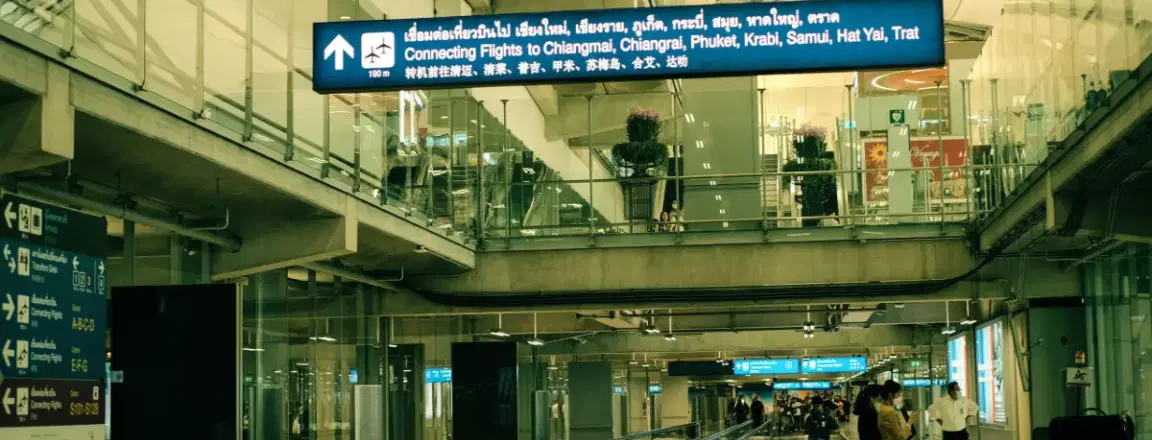
Planning a Thailand trip in 2026? Choosing the right airport in Thailand for your itinerary helps you save time, minimise travel costs and reach your destination with ease. From the busy international hubs in Bangkok to smaller regional airports serving Phuket, Koh Samui, Krabi, and Chiang Mai, this Thailand travel guide covers the best airports in Thailand, flight connections from India, domestic routes, airport transfers and the latest entry requirements for Indians to help you plan your trip with ease.
Whether you are planning a beach holiday through a Phuket Package, a mountain retreat in Chiang Mai, or an island-hopping adventure in southern Thailand, airports in Thailand help visitors travel across the country quickly, comfortably and affordably.
How Many Airports Are There in Thailand?
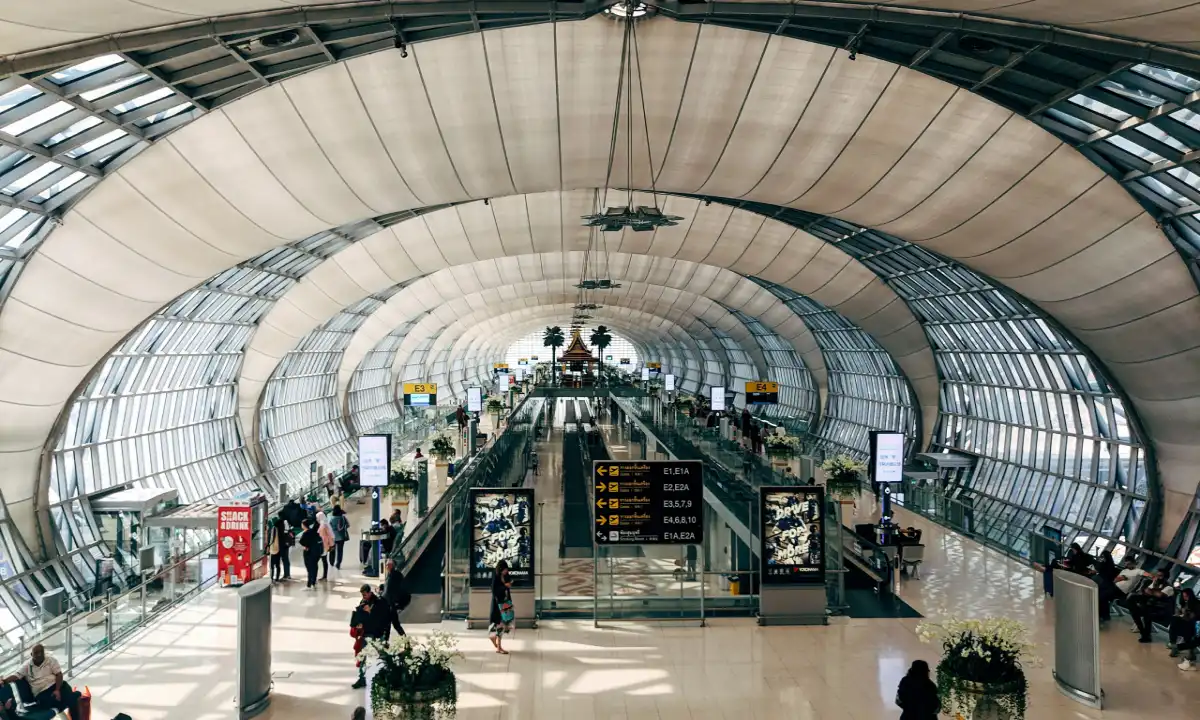
Thailand has 38 commercial airports in total. Of these airports, Suvarnabhumi, Don Mueang, Chiang Mai, Phuket, Hat Yai, and Mae Fah Luang-Chiang Rai are managed by Airports of Thailand (AOT), while U-Tapao is operated by the Royal Thai Navy. The remaining airports are regional domestic facilities overseen by the Department of Airports (DOA).
Best Airports in Thailand Based on Your Destination
While planning your Thailand trip from India, it is recommended to know the closest airport to your destination in Thailand. Use the table below to quickly find the best airport based on where you plan to stay.
Travel Goal | Recommended Airport(s) |
| Bangkok city break | Suvarnabhumi (BKK) or Don Mueang (DMK) |
| Southern beaches (Phuket, Patong) | Phuket International (HKT) |
| Andaman coast (Krabi, Ao Nang, Phi Phi) | Krabi International (KBV) |
| Gulf islands (Koh Samui, Koh Phangan) | Samui (USM) or Surat Thani (URT) |
| Northern Thailand (temples, trekking) | Chiang Mai (CNX) |
| Golden Triangle, Chiang Rai | Chiang Rai (CEI) |
| Southern border & Malaysia crossing | Hat Yai (HDY) |
| Pattaya & Eastern Seaboard | U-Tapao (UTP) |
Major International Airports in Thailand
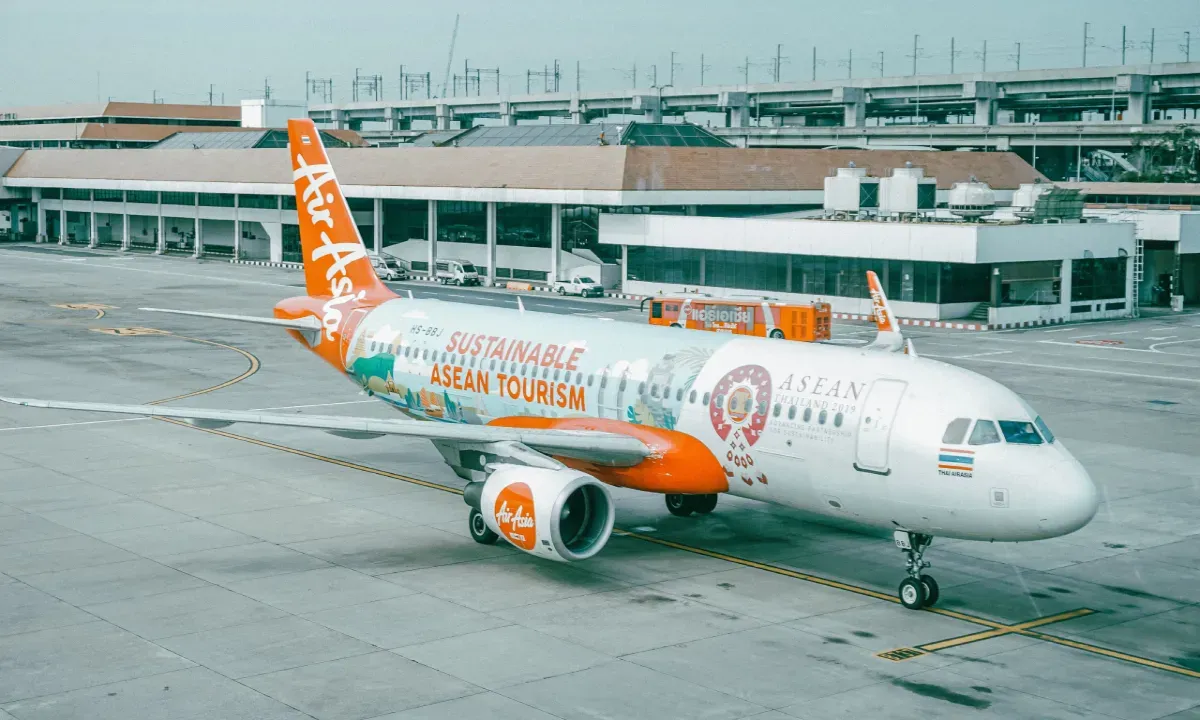
Thailand is home to several modern international airports, making it easy for travellers to explore its cities, beaches, islands, and cultural attractions. Here are some of the major international airports across Thailand.
1. Suvarnabhumi Airport (BKK): Bangkok’s Main International Airport
Suvarnabhumi Airport is Thailand’s primary international gateway and the busiest passenger airport in the country. Most long-haul flights, including direct services from Indian cities such as Delhi, Mumbai, and Chennai, arrive here. The airport features a modern terminal, clear English signage, efficient transport links and extensive domestic connections across Thailand.
- Distance from city centre: 30 km east of central Bangkok, approx. 30-45 minutes from the city centre.
- Airlines: Thai Airways, IndiGo, Air India, Air Asia, Emirates, Singapore Airlines, and more.
If you are connecting onwards to one of the best cities in Thailand, Suvarnabhumi handles many intra-Thailand routes.
2. Don Mueang International Airport (DMK): Bangkok’s Budget Flight Hub
Don Mueang International Airport is one of Asia’s oldest and continuously operating commercial airports. Presently, it primarily serves as a low-cost carrier hub for routes across Southeast Asia and domestic Thailand.
- Distance from city centre: 24 km north of central Bangkok, in the Don Mueang district.
- Airlines: Major budget airlines include Thai AirAsia, Thai AirAsia X, Nok Air, and Thai Lion Air.
Tip for Indian travellers: If your international flight arrives at Suvarnabhumi Airport (BKK) and your domestic flight departs from Don Mueang Airport (DMK), allow at least 4–5 hours between flights. The two airports are about 30 km apart, and Bangkok traffic can cause delays.
3. Phuket International Airport (HKT): Gateway to Phuket & the Andaman Coast
Phuket airport handles both international and domestic flights across two terminals and receives direct flights from several Indian cities, including Chennai and Kolkata, during peak season. If you are travelling to Phuket, it is recommended to fly directly here rather than transiting through Bangkok. This saves you time for more travel and for a smoother start to your Thailand honeymoon package.
- Distance from city centre: The airport sits in the northern part of the island, about 30 km from Patong Beach and 45 minutes from Phuket Old Town.
- Airlines: IndiGo, Thai AirAsia, Bangkok Airways, Thai Smile, Thai Airways
4. Chiang Mai Airport (CNX): Best Airport for Northern Thailand Trips
Chiang Mai serves as the main gateway to northern Thailand. It is a popular base for exploring Buddhist temples, mountain trekking routes, local night markets, and the famous Sunday Walking Street.
- Distance from city centre: 4 km from the Old City in Chiang Mai, making it one of the most conveniently located airports in Thailand
- Airlines: Thai AirAsia, Nok Air, Bangkok Airways, Thai Smile, Air China
Regional Airports in Thailand for Popular Tourist Destinations
Thailand's regional airports make it convenient to explore destinations beyond the country's major cities. These airports offer quick domestic connections to popular beach towns, islands and cultural hubs. These airports are well served by domestic airlines, making multi-city itineraries across Thailand faster, more convenient, and ideal for travellers looking to experience the country's diverse landscapes and cultures.
5. Krabi International Airport (KBV): Best Airport for Ao Nang & Phi Phi Islands
Krabi International Airport is one of the most convenient airports in Thailand for travellers heading to Railay Beach, Ao Nang or the Phi Phi Islands. The airport is smaller, easier to navigate and far less crowded, making arrivals and transfers smoother. Ferry connections to Koh Lanta and Phi Phi are also easily accessible from the Krabi pier, making it a practical gateway for Andaman coast island-hopping trips.
6. Samui International Airport (USM): Thailand’s Boutique Island Airport
Samui International Airport offers a relaxed, open-air arrival experience. The airport is privately owned by Bangkok Airways and features thatched-roof terminals, lush landscaping, and short walking distances throughout.
7. Hat Yai International Airport (HDY): Southern Thailand & Malaysia Connector
Hat Yai International Airport serves as an important transport hub in southern Thailand, particularly for travellers combining Thailand with destinations like Penang or Langkawi in Malaysia. Located near the Malaysian border, it also connects visitors to Songkhla and Satun provinces. While it’s not a primary leisure airport for most Indian tourists, it remains one of the more strategically located airports in Thailand for multi-country Southeast Asia itineraries.
8. Chiang Rai International Airport (CEI): Gateway to the Golden Triangle
Chiang Rai International Airport is ideal for travellers focused on northern Thailand’s cultural attractions. It provides convenient access to the Golden Triangle, Wat Rong Khun (White Temple), and the Blue Temple. Domestic flights from Bangkok take roughly 90 minutes, making it one of the easier airports in Thailand for reaching the country’s northernmost region.
9. Surat Thani International Airport (URT): Budget Gateway to Koh Phangan & Koh Tao
Surat Thani International Airport is often overlooked, but it’s one of the most practical airports in Thailand for travellers heading to Koh Phangan, Koh Tao, and nearby Gulf islands. The airport is also an alternative for travellers looking to avoid the higher costs of flying directly into Koh Samui.
10. U-Tapao International Airport (UTP): Closest Airport to Pattaya
Located near Rayong and operated by the Royal Thai Navy, U-Tapao International Airport is emerging as an alternative gateway to Pattaya and Thailand’s Eastern Seaboard.
- Distance from city centre: Just 30 kilometres from Pattaya.
- Airlines: Bangkok Airways and Thai AirAsia
Major Airports in Thailand: Airport Codes & Locations
The list of airports in Thailand covers six major international hubs, several semi-international airports, and over 25 domestic facilities. Below are the airports most relevant to leisure travellers:
Airport | IATA | City/Region | Type |
| Suvarnabhumi Airport | BKK | Bangkok | International (AOT) |
| Don Mueang International Airport | DMK | Bangkok | International (AOT) |
| Phuket International Airport | HKT | Phuket | International (AOT) |
| Chiang Mai International Airport | CNX | Chiang Mai | International (AOT) |
| Hat Yai International Airport | HDY | Hat Yai | International (AOT) |
| Mae Fah Luang-Chiang Rai International | CEI | Chiang Rai | International (AOT) |
| U-Tapao International Airport | UTP | Rayong/Pattaya | International (Royal Thai Navy) |
| Krabi International Airport | KBV | Krabi | Regional International |
| Samui International Airport | USM | Koh Samui | Regional International |
| Surat Thani International Airport | URT | Surat Thani | Domestic/Regional |
| Udon Thani International Airport | UTH | Udon Thani | Domestic/Regional |
| Khon Kaen Airport | KKC | Khon Kaen | Domestic |
| Ubon Ratchathani Airport | UBP | Ubon Ratchathani | Domestic |
| Nakhon Si Thammarat Airport | NST | Nakhon Si Thammarat | Domestic |
Thailand Airport Entry Rules & Travel Information for Indian Travellers (2026)
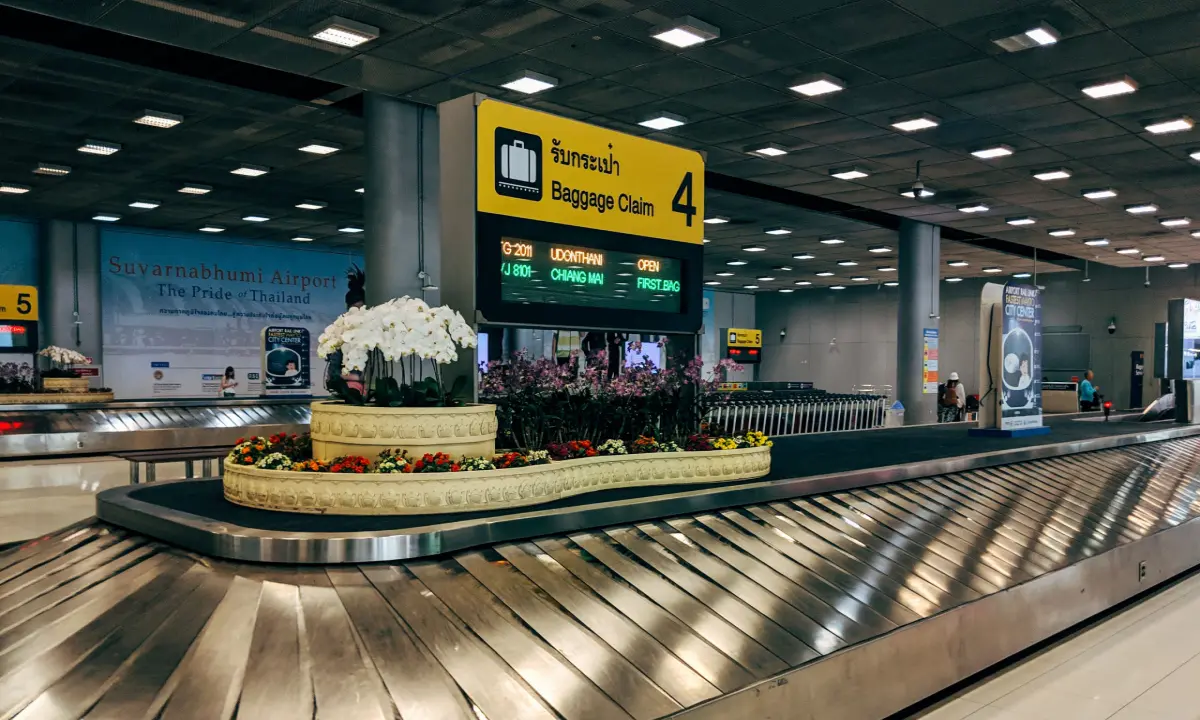
Indian travellers flying to Thailand in 2026 should be aware of the latest entry requirements to ensure a smooth arrival. Checking the latest guidelines before departure will help avoid delays and ensure a hassle-free arrival in Thailand.
1. Direct Flights from India to Thailand
Multiple Indian cities now have direct routes to Thailand. Common India–Thailand routes include:
- Delhi → Bangkok BKK (IndiGo, Air India, Thai Airways — 4.5 hrs)
- Mumbai → Bangkok BKK (IndiGo, Air India — 4 hrs)
- Chennai → Bangkok BKK / Phuket HKT (IndiGo, Thai AirAsia — 3–3.5 hrs)
- Kolkata → Bangkok BKK (IndiGo — 2.5 hrs)
- Hyderabad → Bangkok BKK (IndiGo, Thai Airways — 4 hrs)
2. Thailand Digital Arrival Card (TDAC) Requirements
Since May 1, 2025, all international arrivals, including Indian nationals, must complete the Thailand Digital Arrival Card (TDAC) before landing. You can fill this form online at tm.immigration.go.th within 72 hours of your flight. Arrivals without it may face delays at immigration. However, if you are travelling with us through our Thailand Tour Package, we will assist you throughout the visa and entry process.
3. Visa-Free Entry for Indian Travellers
Thailand no longer offers 60-day visa-free entry for Indian passport holders. Eligible Indian travellers can now enter the country with a 15-day Visa on Arrival (VoA), which costs THB 2,000 (approximately Rs. 5,800) and is payable on arrival. For more details, you can check our comprehensive guide on Thailand visa before planning your visit.
4. Immigration Counter
After you arrive, follow the signs to the immigration counters. The process is usually smooth and well organised, although waiting times may vary depending on the number of arriving flights. Keep your passport (with at least six months' validity), confirmed hotel booking, flight tickets and visa documents ready for inspection if required. Once your documents are verified, you can proceed to collect your baggage.
5. Baggage Claim
After clearing immigration, follow the signs to the baggage claim area. Check the digital display screens to find the baggage carousel assigned to your flight. Luggage is usually delivered quickly, and airport staff are available to assist if you need help.
6. Customs Check
After collecting your luggage, proceed to the customs area. If you have nothing to declare, simply use the green channel and exit the airport. If you're carrying chargeable or restricted items, use the red channel to declare them. The customs process is generally quick and well organised, allowing you to reach the arrival hall without much delay.
7. Currency Exchange Counters
Travellers can exchange money at the airport for your transport, but it is recommended to use SuperRich or other authorised exchange counters in Bangkok for better exchange rates.
8. SIM Cards Kiosks
Purchase a tourist SIM card from the booths in the arrival hall after customs at BKK, DMK, or HKT airports. A 15–30 day SIM usually costs THB 299–499 (~Rs. 730–1,220).
Facilities at Thailand Airports
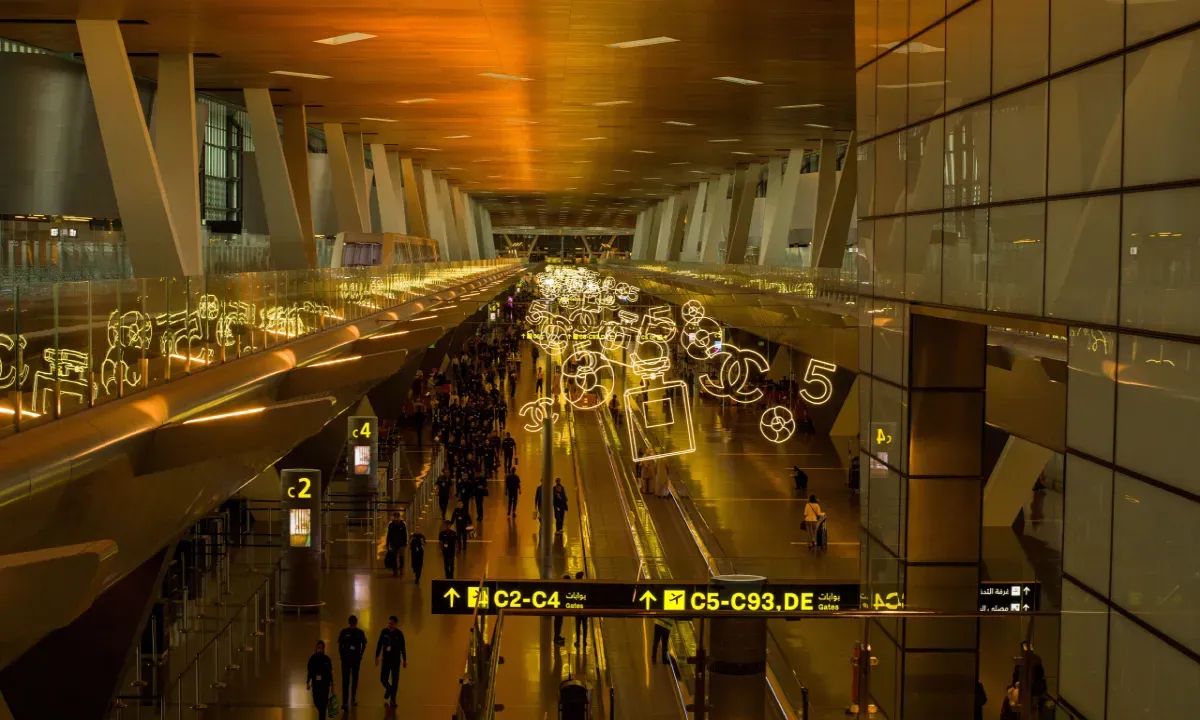
Thailand's major international airports are well equipped to make your journey comfortable and convenient. Here are some of the facilities you can expect:
- Airport Lounges: Available at all major airports, with both airline lounges and paid-entry options.
- Free Wi-Fi: Complimentary Wi-Fi is available throughout most airport terminals.
- Food Courts and Cafés: Choose from a wide range of local and international dining options.
- Duty-Free Shopping: Shop for perfumes, cosmetics, fashion, electronics, souvenirs, and more before your flight.
- Prayer Rooms: Dedicated prayer rooms are available at many international airports.
- Baby Care Rooms: Clean and well-equipped nursing and changing rooms are available for families travelling with young children.
- Family-Friendly Facilities: Major airports also offer family-friendly amenities such as stroller access, children's play areas, and accessible facilities for a more comfortable travel experience.
Transport Options From Thailand Airports
Thailand's airports offer a wide range of transport options, making it easy to reach city centres, beach destinations, and nearby attractions. Travellers can choose from airport taxis, ride-hailing services, airport shuttle buses, public buses, private transfers, and car rentals, depending on their budget and itinerary.
- Airport Rail Link (Bangkok): The Airport Rail Link connects Suvarnabhumi Airport (BKK) to central Bangkok. It's one of the fastest and most affordable ways to avoid city traffic.
- Taxis and Grab: Metered taxis are available at all major airports, while Grab is a safe and popular ride-hailing service widely used across Thailand.
- Airport Shuttle Buses: Many airports operate shuttle buses to nearby cities, bus terminals, ferry piers, and popular tourist areas at budget-friendly fares.
- Domestic Flights: If you're travelling between regions, domestic flights are the quickest option. Popular routes include Bangkok to Chiang Mai, Phuket to Bangkok, and Krabi to Chiang Mai.
- Ferry Transfers (Phuket & Krabi): Travelling to islands like Phi Phi, Koh Lanta, or nearby destinations? Many ferry operators offer combined airport pickup and ferry transfer services for a hassle-free journey.
How to Choose the Best Airport in Thailand for Your Trip?
Choosing the right airport in Thailand can make your journey faster, more convenient and more cost-effective. If you are visiting Bangkok, Suvarnabhumi Airport (BKK) is the best choice for international arrivals and onward domestic connections, while Don Mueang Airport (DMK) is ideal for budget airlines. Whether you are visiting Thailand for its islands, cultural landmarks, mountain towns or vibrant cities, understanding the country's airport network is the first step towards a hassle-free journey.
FAQs
1. How many international airports are there in Thailand?
Thailand has 8 international airports serving major tourist destinations, including Suvarnabhumi (BKK), Don Mueang (DMK), Phuket (HKT), Chiang Mai (CNX), Krabi (KBV), Koh Samui (USM), Hat Yai (HDY), and Chiang Rai (CEI). Together with regional airports, Thailand has 38 commercial airports that connect domestic and international travellers.
2. Which is the main international airport in Thailand?
Suvarnabhumi Airport (BKK) in Bangkok is Thailand's main international airport and the country's busiest aviation hub. It handles most long-haul international flights, including direct services from India, and offers convenient domestic connections to destinations such as Phuket, Krabi, Chiang Mai, and Koh Samui.
3. Which airport should I fly into when visiting Thailand?
The best airport depends on your destination. Suvarnabhumi Airport (BKK) is ideal for Bangkok and connecting flights, Phuket International Airport (HKT) is best for Phuket, Krabi International Airport (KBV) serves Krabi and Phi Phi Islands, while Chiang Mai International Airport (CNX) is the gateway to northern Thailand.
4. What is the difference between Suvarnabhumi Airport and Don Mueang Airport?
Suvarnabhumi Airport (BKK) handles most international and full-service airline flights, while Don Mueang Airport (DMK) mainly serves domestic and low-cost carriers such as Thai AirAsia and Nok Air. If you're transferring between the two airports, allow at least 4–5 hours due to Bangkok traffic.
5. Which airport is best for Phuket?
Phuket International Airport (HKT) is the closest airport to Phuket and the best option for travellers visiting Patong Beach, Kata Beach, Karon Beach, and Phuket Old Town. It also offers direct flights from several Indian cities during the peak travel season.
6. Which airport is closest to Krabi and Phi Phi Islands?
Krabi International Airport (KBV) is the nearest airport for travellers visiting Krabi, Ao Nang, Railay Beach, and the Phi Phi Islands. From the airport, you can easily reach ferry terminals that connect to Phi Phi and Koh Lanta.
7. Which airport is closest to Koh Samui?
Samui International Airport (USM) is located on Koh Samui and provides the quickest access to the island's beaches and resorts. Travellers on a budget can also fly to Surat Thani Airport (URT) and continue to Koh Samui, Koh Phangan, or Koh Tao by bus and ferry.
8. Which airport is best for Pattaya?
Travellers visiting Pattaya can fly into U-Tapao International Airport (UTP), located about 30 km from the city. Alternatively, Suvarnabhumi Airport (BKK) is around 120 km away and offers more international flight options with convenient road transfers to Pattaya.
9. Are there direct flights from India to Thailand?
Yes. Several Indian cities, including Delhi, Mumbai, Chennai, Kolkata, Bengaluru, and Hyderabad, offer direct flights to Thailand. Most services operate to Suvarnabhumi Airport (BKK) in Bangkok, while seasonal direct flights are also available to Phuket International Airport (HKT).
10. Which airport is best for first-time visitors to Thailand?
For first-time visitors, Suvarnabhumi Airport (BKK) is the best choice because it offers excellent international connectivity, easy transport into Bangkok, and frequent domestic flights to Thailand's most popular destinations, including Phuket, Krabi, Chiang Mai, and Koh Samui.
11. How do I travel between airports in Bangkok?
Travelling between Suvarnabhumi Airport (BKK) and Don Mueang Airport (DMK) takes around 60–90 minutes, depending on traffic. You can use airport shuttle buses (where eligible), taxis, or ride-hailing services. If you have a connecting flight, allow at least 4–5 hours between departures.
12. Can I use public transport from Thailand's airports?
Yes. Suvarnabhumi Airport (BKK) is connected to central Bangkok by the Airport Rail Link, while buses, taxis, and ride-hailing services operate from all major airports. Most regional airports also offer airport taxis, shuttle buses, and private transfers to nearby tourist destinations.