
Japanese Beverages: Matcha, Sake & Popular Japanese Drinks
Think Japanese beverages begin and end with matcha? There’s a whole world waiting to surprise you. Japanese beverages are more than just drinks. They introduce culture, seasons, and the day-to-day life of the country. Whether it is the serene experience of sipping matcha during a traditional tea ceremony or having bottled teas and coffees at cafes, Japan tourism provides a memorable experience to its travellers
From centuries-old teas and smooth sake to quirky sodas, canned coffees, and convenience store favourites, Japan’s beverage culture is as diverse as its cuisine. Hot or cold, traditional or trendy, Japanese drinks have simplicity, balance, and a profound cultural sense in every drink. This article explores tea ceremonies, matcha traditions, and the evolving beverage culture that shapes daily life and travel experiences across Japan.
Japanese Drinks Highlights
- Japanese beverages focus on calm, balance, and daily rituals
- Matcha connects traditional tea ceremonies with modern café culture
- Everyday teas like sencha, genmaicha, and hojicha are widely enjoyed
- Modern drinks blend tradition and creativity across Japanese cities
- Drinking customs emphasise respect and shared experiences
- Convenience stores and vending machines stock hundreds of drink varieties, updated seasonally
- From tea to sake, Japan’s drink culture spans hot, cold, alcoholic, and non-alcoholic options for every budget
Matcha: The Heart of Japanese Beverage Culture
What Makes Matcha Unique in Japanese Tea Culture
One of the most popular Japanese beverages is matcha. It is green tea in powder form that is prepared using shade-grown tea. Unlike regular tea, the powder is whisked into water and fully consumed. It is known for its calming energy and deep green colour.
Where Matcha Comes From: Uji and Kyoto Tea Regions
The majority of the matcha is produced in such areas as Uji near Kyoto, where the soil is very fertile, and a cloudy climate provides the perfect environment to grow matcha. Trying traditional matcha in Uji is one of the best things to do in Japan.
Japanese Tea Ceremony (Chanoyu) Explained
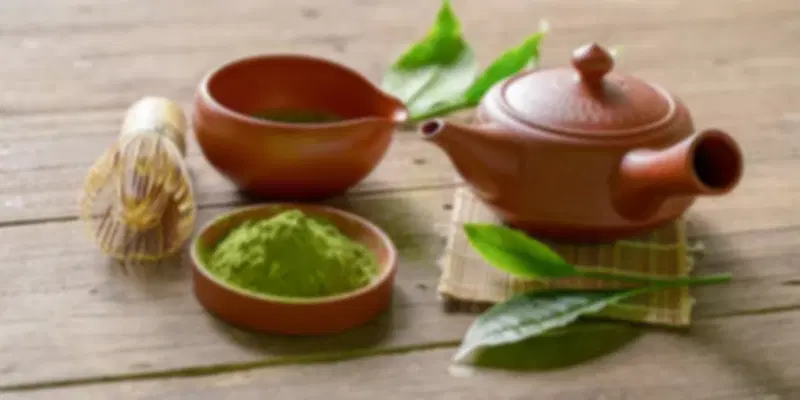
Japanese Matcha Tea
Origins and Philosophy
Chanoyu is also known as the Japanese tea ceremony. It was formed in the course of the 16th century and had an impact of Zen Buddhism. This puts focus on harmony, respect, clearness and calmness. Every movement, from folding the cloth to whisking the tea, is intentional.
Also Read:- Japan trip Under 1.5 Lakhs
What Happens During a Traditional Japanese Tea Ceremony
The ceremony is slow and quiet. Guests sit, observe, and enjoy the moment without distractions. Visitors can attend tea ceremonies in cities like Kyoto. Traditional tea ceremony in Japan generally costs INR 2,000 to INR 4,000 per person, depending on the location and the duration. Such sessions usually take about 45 to 60 minutes and involve cultural explanations.
Traditional Japanese Teas Beyond Matcha
- Sencha: Sencha is the most popular tea in Japan. It is fresh with a grassy taste and is taken either hot or cold. It is often enjoyed with meals and in homes.
- Genmaicha: It blends green tea with roasted rice, creating a nutty aroma. It originated as an affordable drink and remains popular for its comforting taste.
- Hojicha: This is roasted green tea with a reddish colour and low caffeine content. It is often served in the evening and given to children or elderly guests.
- Gyokuro: A shade-grown tea similar to matcha in cultivation but served as loose-leaf, known for a sweet, mellow, low-bitterness flavour. It is considered one of Japan’s premium teas.
- Bancha: A lower-grade, everyday sencha made from later tea harvests. Mild, slightly toasty, and one of the most affordable teas in Japan.
- Kukicha (Twig Tea): Made from tea stems and stalks rather than leaves. Light, slightly sweet, and naturally lower in caffeine. This is a good option for evening drinking.
- Konacha: Fine, powdery tea dust left over from processing sencha and gyokuro. Strong and quick-brewing, it’s the tea commonly served free at sushi restaurants.
Matcha vs Sencha: Which One to Try?
| Feature | Matcha | Sencha |
| Form | Powdered, fully consumed | Loose leaf, leaves strained out |
| Growing method | Shade-grown | Grown in full sun |
| Taste | Rich, slightly bitter, creamy texture | Fresh, grassy, lighter |
| Caffeine | Higher | Moderate |
| Common use | Tea ceremony, lattes, desserts | Everyday drinking, with meals |
| Price (100g) | INR 800–2,500+ | INR 300–800 |
Japanese Coffee Culture: Kissaten & Modern Cafés
Coffee culture in Japan is quiet and thoughtful. The classic kissaten coffee shops are aimed at slow coffee brewing and relaxed ambience. Coffee is usually dripped by hand and served slowly. In cities like Tokyo, modern speciality cafés are popular, offering high-quality beans and simple menus.
A matcha latte in a speciality cafe costs around INR 400 to INR 600. Thus, it is an affordable means of experiencing high-quality tea culture.
Popular Japanese Canned & Convenience Coffee Brands
Beyond café coffee, Japan has a massive canned and bottled coffee market sold in vending machines and convenience stores:
- Boss Coffee: Suntory’s long-running canned coffee line, from black to sweet latte styles
- Georgia Coffee: Coca-Cola Japan’s coffee brand, one of the best-selling canned coffees in the country
- UCC Coffee: Known for its milk coffee cans, one of Japan’s oldest canned coffee brands
- Wonda Coffee: Asahi’s canned coffee range, popular for its smooth, less bitter blends
These typically cost around ¥120–160 (approximately INR 130–200) per can and are available hot during winter and chilled in summer, making them one of the easiest and most convenient ways to sample different coffee styles without visiting a café.
Japanese Beverages and Seasonal Traditions
Japanese Hot Beverages
Japanese hot beverages are especially popular in colder months. Warm green tea, hojicha, and amazake are commonly served at homes, temples, and festivals for comfort and relaxation.
Japanese Cold Beverages
Japanese cold beverages are refreshing and widely enjoyed, especially during summer. Cold green tea and barley tea are common everyday drinks, often kept chilled at home. Bottled teas, iced coffees, and fruit-flavoured drinks are easy to find in convenience stores. Popular Japanese soft drinks also include ramune soda and melon soda, which are often served cold and enjoyed as a quick, cooling treat.
More Japanese Soft Drinks Worth Trying
Beyond the classics, Japan has plenty of refreshing soft drinks that are worth adding to your tasting list.
- Mitsuya Cider: Don’t let the name fool you; this is a non-alcoholic, lightly carbonated soft drink with a clean, subtly sweet flavour. First introduced in the late 19th century, it remains one of Japan’s longest-running soft drink brands.
- CC Lemon: A fizzy lemon soda packed with vitamin C and a bright citrus taste. It’s widely available in vending machines and convenience stores, making it a popular pick for a refreshing drink on the go.
- Japanese Fanta Flavours: While Fanta is sold worldwide, Japan offers exclusive seasonal and regional varieties such as white peach, muscat grape, melon, lychee, and yuzu. These limited-edition flavours are a favourite among travellers looking for unique local drinks.
- Wilkinson Ginger Ale: Unlike sweeter Western ginger ales, Wilkinson delivers a bold, spicy ginger kick. It’s commonly enjoyed on its own or used as a premium mixer in highballs and other Japanese cocktails.
Traditional Alcoholic Japanese Beverages
The traditional alcoholic drinks in Japan have a long history. Japanese rice drinks are traditional beverages that are manufactured out of fermented rice and have played an important role in Japanese culture over the centuries.
More Japanese Alcohol to Try
- Sake: It is a Japanese ritual beverage of rice wine enjoyed during meals and celebrations, served warm or chilled.
- Amazake: This is another popular rice beverage, lightly sweet and low in alcohol, often consumed during winter festivals in Japan.
- Shochu: Shochu is a strong-flavoured distilled drink produced from barley, sweet potato, or rice.
- Umeshu: Sweet, tangy plum wine, easy to drink and popular with beginners
- Chu-Hai: A canned or bar-mixed drink of shochu with soda and fruit flavour (lemon is the most common)
- Highball: Japanese whisky mixed with soda water, the standard izakaya order for whisky drinkers
- Japanese Whisky: Internationally awarded whisky from distilleries like Suntory and Nikka
- Awamori: A strong, distilled Okinawan spirit made from Thai rice, one of Japan’s oldest liquors
Sake vs Shochu: Which one is Worth Trying?
| Feature | Sake | Shochu |
| Type | Brewed rice wine | Distilled spirit |
| Alcohol content | 15% | 20–40% |
| Base ingredient | Rice | Rice, barley, or sweet potato |
| Served | Warm or chilled, neat | Neat, on the rocks, or mixed with soda/juice |
| Best for | Meals, celebrations | Casual drinking, izakaya nights |
Also Read:- Japan Food Trails
Modern Japanese Beverages: Cafés, Convenience Stores & Trends
Modern Japanese beverages blend tradition with creativity. Matcha lattes, bottled cold brews, and flavoured teas are popular with younger generations. Speciality cafés in Japan’s cities like Tokyo and Osaka serve matcha lattes, cold brews, and creative tea drinks. Convenience stores stock bottled teas, coffees, and seasonal flavours.
Best Drinks to Try at Japanese Convenience Stores
Convenience stores (konbini) are where most travellers actually buy their drinks in Japan. Each chain has its own strong points:
- 7-Eleven: Best for its private-label bottled teas and seasonal fruit sandwiches paired with iced coffee
- Lawson: Known for Uchi Café-branded matcha and sweet drinks, plus a strong dessert-drink pairing menu
- FamilyMart: Good range of Fami Café hot drinks and a wide selection of canned coffee and vitamin drinks
Most bottled and canned drinks at convenience stores cost between INR 100 and 250 (¥100–200), making them one of the cheapest ways to sample Japanese drink culture.
Experiencing Japanese Beverages as a Traveller
Tea Houses and Cultural Centres
Kyoto is also one of the best places in Japan to observe the traditional culture of tea. Many tea houses welcome visitors and offer guided ceremonies that explain history and etiquette.
Café Hopping in Tokyo
Tokyo showcases the modern side of Japanese beverages. Neighbourhoods like Shibuya and Ginza feature innovative cafés and Japanese food trails blending traditional matcha with contemporary flavours.
Regional Japanese Drinks Worth Seeking Out
- Kyoto — Uji Matcha: The benchmark matcha region; look for cafés serving matcha grown within Uji itself
- Hokkaido — Milk-based drinks: Hokkaido’s dairy is considered Japan’s best, and milk-based soft drinks and milk tea here taste noticeably richer
- Okinawa — Shikuwasa Juice: A tangy citrus juice unique to Okinawa, often sold as a soft drink or mixed into cocktails with local awamori
Japanese Beverages List
- Matcha: A powdered green tea with a rich, slightly bitter taste, traditionally used in tea ceremonies and now popular in modern drinks.
- Genmaicha: A blend of green tea and roasted rice that has a warm, nutty taste and is easy to drink.
- Hojicha: Roasted green tea with a mild flavour and low caffeine, often enjoyed in the evening.
- Mugicha (barley tea): It is a caffeine-free tea served cold that is especially popular in the summer due to its pleasant taste.
- Aojiru (green juice): A nutrient-rich drink made from leafy greens, often mixed with juice or milk to soften its bitterness.
- Ramune: A fun, fizzy soda known for its marble-sealed bottle and light lemon flavour.
- Melon Soda: A bright green, sweet soda often served plain or topped with ice cream as a float.
- Calpis (Calpico): A lightly tangy, yoghurt-like drink that is refreshing and easy to enjoy.
- CC Lemon: A lemon-flavoured soda rich in vitamin C and widely popular across Japan.
- Japanese iced coffee: A smooth, chilled coffee often hand-brewed and served over ice.
- Matcha latte: A creamy drink made by mixing matcha with milk, blending tradition with modern taste.
- Amazake: A mildly sweet rice drink, often served warm during festivals and winter months.
- Sake: A traditional rice wine enjoyed during meal, celebrations, and ceremonies.
- Japanese craft beer (hoppy Japanese beverages): Light and smooth beers with balanced hops, often inspired by local ingredients.
- Pocari Sweat: A mild electrolyte drink that helps replace fluids lost through heat, exercise, or illness.
Drinking Tips and Beverage Etiquette in Japan
- Always pour drinks for others before pouring your own, especially in group settings.
- Wait for everyone to be served before taking the first sip
- Say “kanpai” before drinking alcohol with others
- Use both hands when receiving or offering a drink as a sign of respect
- Do not refill your own glass when drinking with others; let someone else do it
- Drink slowly and avoid getting overly loud or diþsruptive
- It is polite to finish the drink that is poured for you
- Non-alcoholic options are always acceptable and widely available
Conclusion: Why Japanese Beverages Reflect Japan’s Culture
Japanese beverages reflect a way of life that values balance, care, and simplicity. From the quiet elegance of a tea ceremony in Kyoto to the creative energy of a matcha café in Tokyo, each experience reflects Japan’s ability to honour tradition while embracing change. Exploring matcha, tea ceremonies, and modern tea culture offers visitors a deeper understanding of Japan itself, one cup at a time. To experience Japan’s beverage culture in person, travellers can explore curated Japan tour packages for a seamless and enriching trip.
Frequently Asked Questions
Matcha is one of the most popular beverages in Japan due to its deep cultural significance and widespread use in tea ceremonies, cafés, and desserts. However, for everyday drinking, sencha is the most commonly consumed tea in Japanese households. Modern favourites like bottled green tea, canned coffee, and convenience-store drinks such as Pocari Sweat are also enjoyed across the country.
The most famous drink of Japan is matcha, a finely ground green tea powder traditionally used in Japanese tea ceremonies. Beyond matcha, Japan is also known for sake, sencha, hojicha, Ramune soda, and Japanese whisky. These beverages showcase the country’s blend of centuries-old traditions and modern beverage innovation.
Japan offers a wide variety of drinks, including traditional teas like matcha, sencha, hojicha, genmaicha, and gyokuro. Popular soft drinks include Ramune, Calpis, CC Lemon, Mitsuya Cider, and melon soda, while alcoholic favourites include sake, shochu, umeshu, Japanese whisky, and highballs. Modern cafés also serve matcha lattes, bottled teas, and speciality coffees.
Some of Japan’s most popular beverages include matcha, sencha, hojicha, Ramune, Calpis, Pocari Sweat, Boss Coffee, sake, shochu, and Japanese whisky. These drinks represent Japan’s diverse beverage culture, ranging from traditional tea and rice-based alcohol to modern soft drinks and convenience-store favourites enjoyed throughout the year.
Japan’s best-known alcoholic drinks include sake, shochu, umeshu (plum wine), Japanese whisky, chu-hi, highballs, and awamori. Sake is traditionally enjoyed during meals and celebrations, while shochu is a distilled spirit made from barley, rice, or sweet potato. Japanese whisky has also gained global recognition for its quality and craftsmanship.
Popular non-alcoholic Japanese drinks include matcha, sencha, hojicha, genmaicha, Ramune, Calpis, Pocari Sweat, CC Lemon, Mitsuya Cider, bottled green tea, and canned coffee. These beverages are widely available in vending machines, cafés, supermarkets, and convenience stores, making them easy for travellers to try throughout Japan.
If you’re visiting Japan, try matcha, sencha, hojicha, genmaicha, gyokuro, bancha, and kukicha. Matcha is known for its rich flavour and role in tea ceremonies, while sencha is the country’s everyday favourite. Hojicha offers a roasted, low-caffeine option, and genmaicha combines green tea with roasted rice for a warm, nutty taste.
Must-try Japanese beverages include matcha, sencha, hojicha, Ramune, Calpis, melon soda, Japanese iced coffee, Pocari Sweat, sake, Japanese whisky, and umeshu. Together, these drinks highlight Japan’s unique mix of traditional tea culture, refreshing soft drinks, convenience-store favourites, and world-class alcoholic beverages.
During winter, warm matcha, hojicha, amazake, and hot canned coffee are popular choices. In summer, travellers often enjoy chilled green tea, barley tea, iced coffee, Ramune, melon soda, and electrolyte drinks like Pocari Sweat. Japan’s vending machines and convenience stores also introduce limited-edition seasonal flavours throughout the year.
Many Japanese beverages are available in India through Japanese grocery stores, Asian supermarkets, speciality food retailers, and online marketplaces. Popular products such as matcha, sencha, Ramune, Calpis, Japanese canned coffee, and Japanese whisky can often be found in larger cities and through e-commerce platforms importing Japanese food and drinks.
Some of Japan’s best-known beverage brands include Boss Coffee, Georgia Coffee, UCC Coffee, Wonda Coffee, Pocari Sweat, Calpis, Ramune, Mitsuya Cider, Suntory, and Asahi. These brands produce everything from bottled teas and canned coffee to soft drinks and alcoholic beverages, making them popular among both locals and visitors.

Recommended articles for you










Discover Packages



















Packages By Departure City
Packages By Duration

Need help in planning?
Talk to our Travel Experts